

ArtArch Newsroom
Producer's Note3D Pose Reference AI Video for Action and Camera Control
A controlled MiniMax H3 test of using a 3D mannequin reference to stabilize an AI video pose and low camera angle.
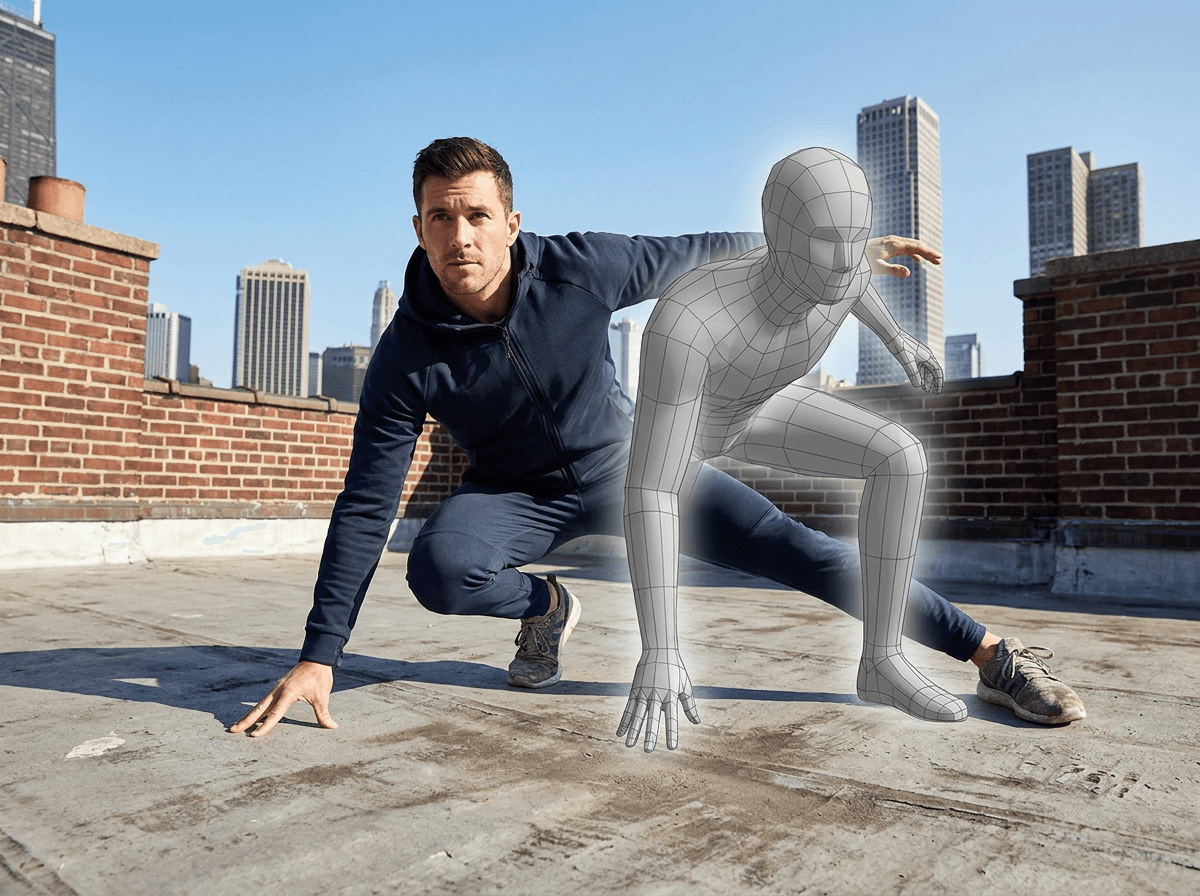
When an AI video needs a clear contact pose and a fixed camera height, text alone can leave too much geometry unresolved. A 3D mannequin reference gives the model a visible arrangement of joints, ground contact, and viewpoint.
The controlled setup
This test used MiniMax H3 at 768P, 16:9, and five seconds. Both generations used the same fictional male character, navy training clothes, American rooftop, prompt, duration, and camera goal. The action was a superhero three-point landing: right hand on the concrete, left knee forward, right leg extended behind, viewed from a low front-left angle.
The control (A) used only the shared character-and-environment image. The technique run (B) used that same image plus a gray 3D mannequin showing the landing pose and camera perspective. This isolates the mannequin reference as the test variable.
What the frames show
Both outputs produced a recognizable three-point landing and preserved the rooftop, clothing, and low viewpoint. The control settled into a more conventional lunge. The mannequin run kept the torso orientation, knee relationship, and extended-leg geometry closer to the reference, although it still introduced angle changes. The result is a limited positive observation, not a claim of exact pose transfer.
A practical prompt structure
Use the first image for identity, wardrobe, and environment. Use the mannequin image only for pose geometry and camera angle. State the visible contact points and the desired hold at the end of the motion. Keeping these roles explicit prevents the pose reference from silently redefining the character or setting.
When to use it
This method is useful for short shots with a defined silhouette, ground contact, or camera height: landings, crouches, kneels, and staged action beats. It is less suitable for abstract transformations or loose improvisation without a stable geometric target.
Evidence boundary
This is one A/B pair on MiniMax H3. The mannequin reference improved geometric alignment in this run, but the evidence does not establish a universal effect across models, durations, or complex continuous choreography.
Keep creating
Explore the idea, then make it yours.
Discover more creative workflows in Spotlight, or open ArtArch Studio to start creating now.
Keep exploring
More in Producer's Note
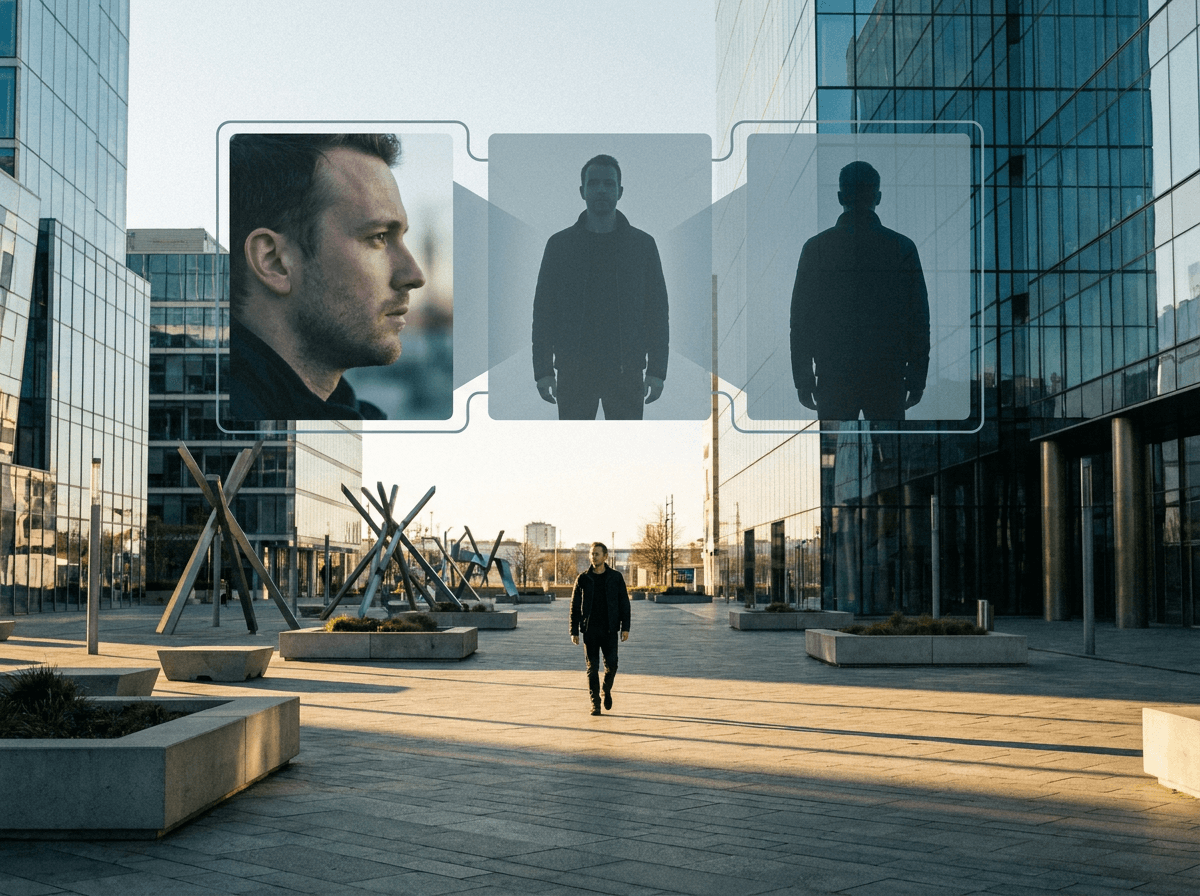
Headless Front Character Reference for Stable AI Video
A controlled MiniMax H3 test of separating face identity from a headless front body asset for distant AI video shots.
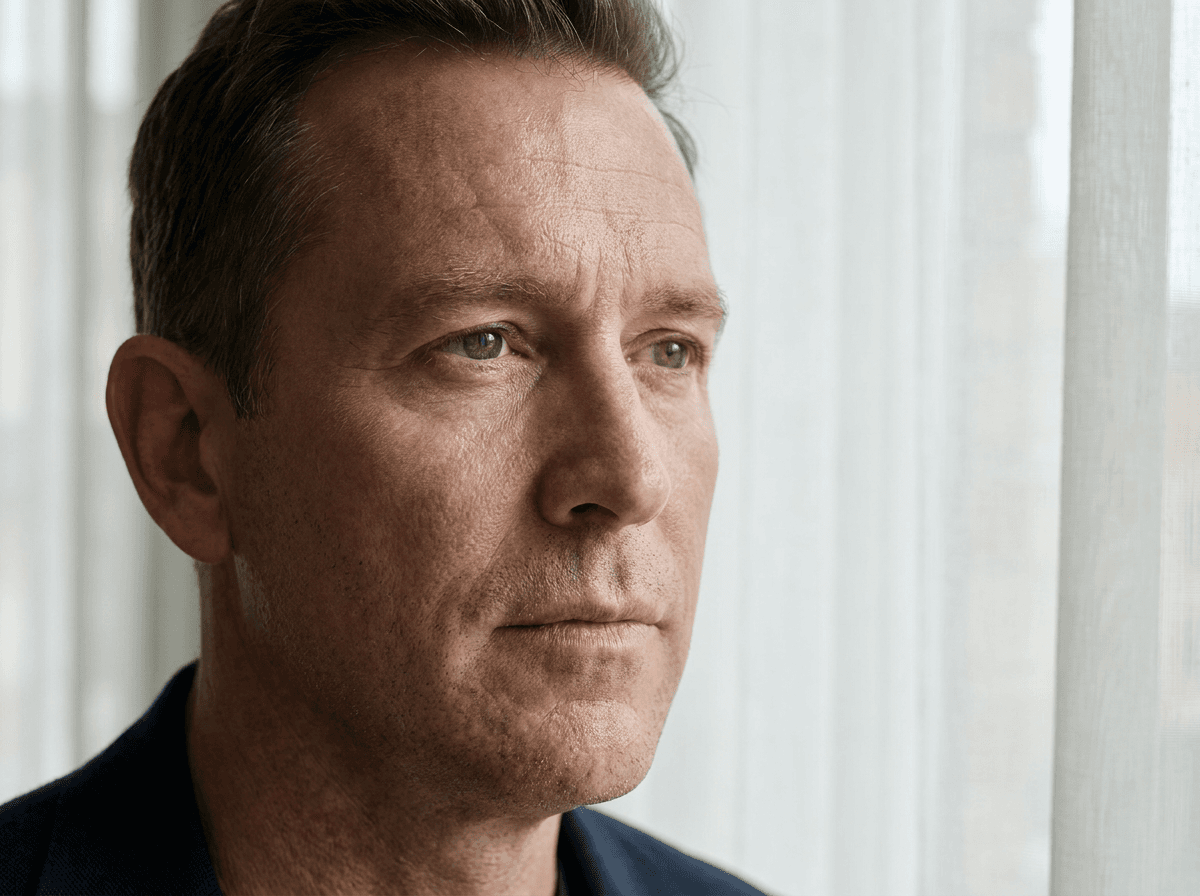
Skin Texture Prompt for Less Oily AI Video Portraits
A controlled MiniMax H3 test of fine pore texture and low-gloss skin wording for more natural AI video portraits.
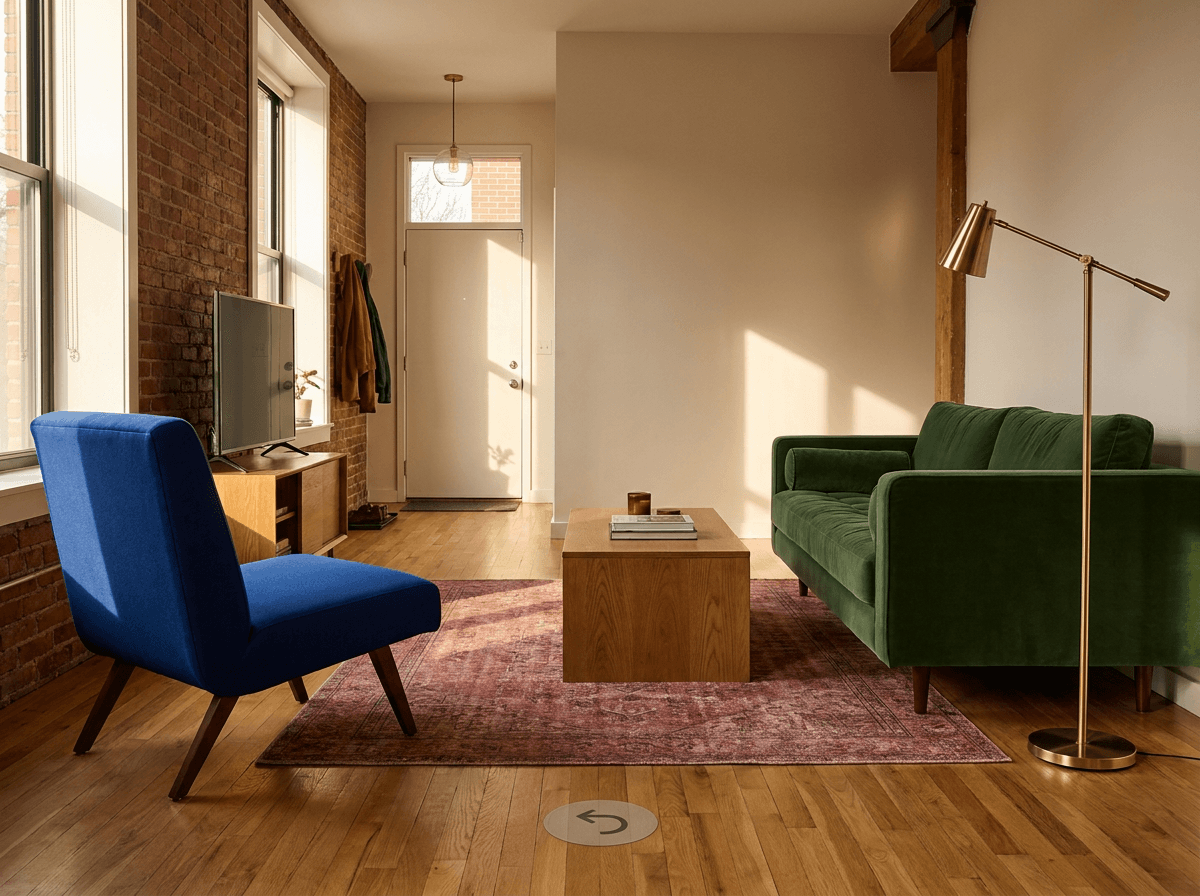
AI Image Reverse Angle Scene Consistency with Locked Assets
Improve AI image reverse angle scene consistency by locking architecture, furniture, materials, colors, and relative positions before moving the camera.
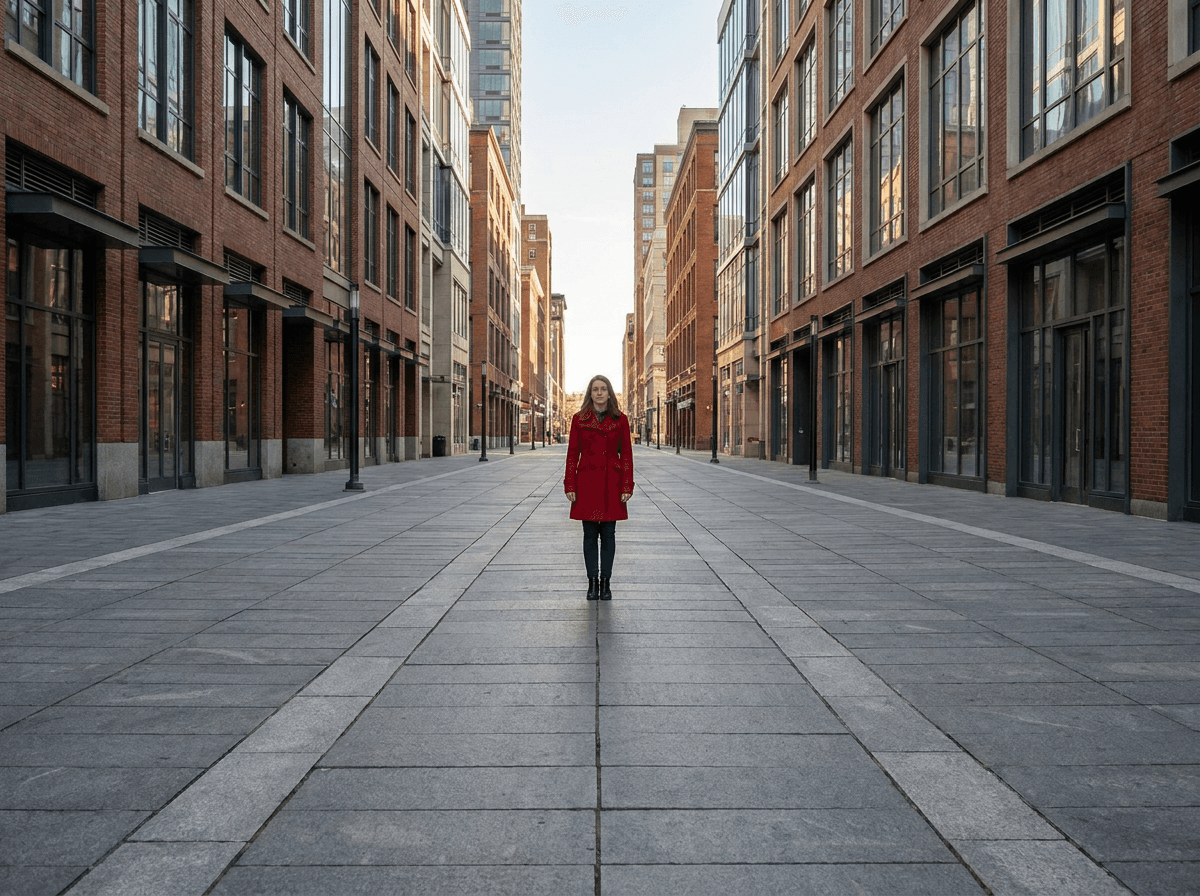
One Point Perspective AI Image Prompt for Stronger Depth
Write a one point perspective AI image prompt with converging structural lines and a clear viewing direction to create stronger spatial depth.