

ArtArch 新闻中心
AI Video TechniquesShallow Depth of Field AI Video: Keep One Subject in Focus
Use shallow depth of field in AI video to isolate one focal subject, soften surrounding layers, and review focus consistency across the shot.
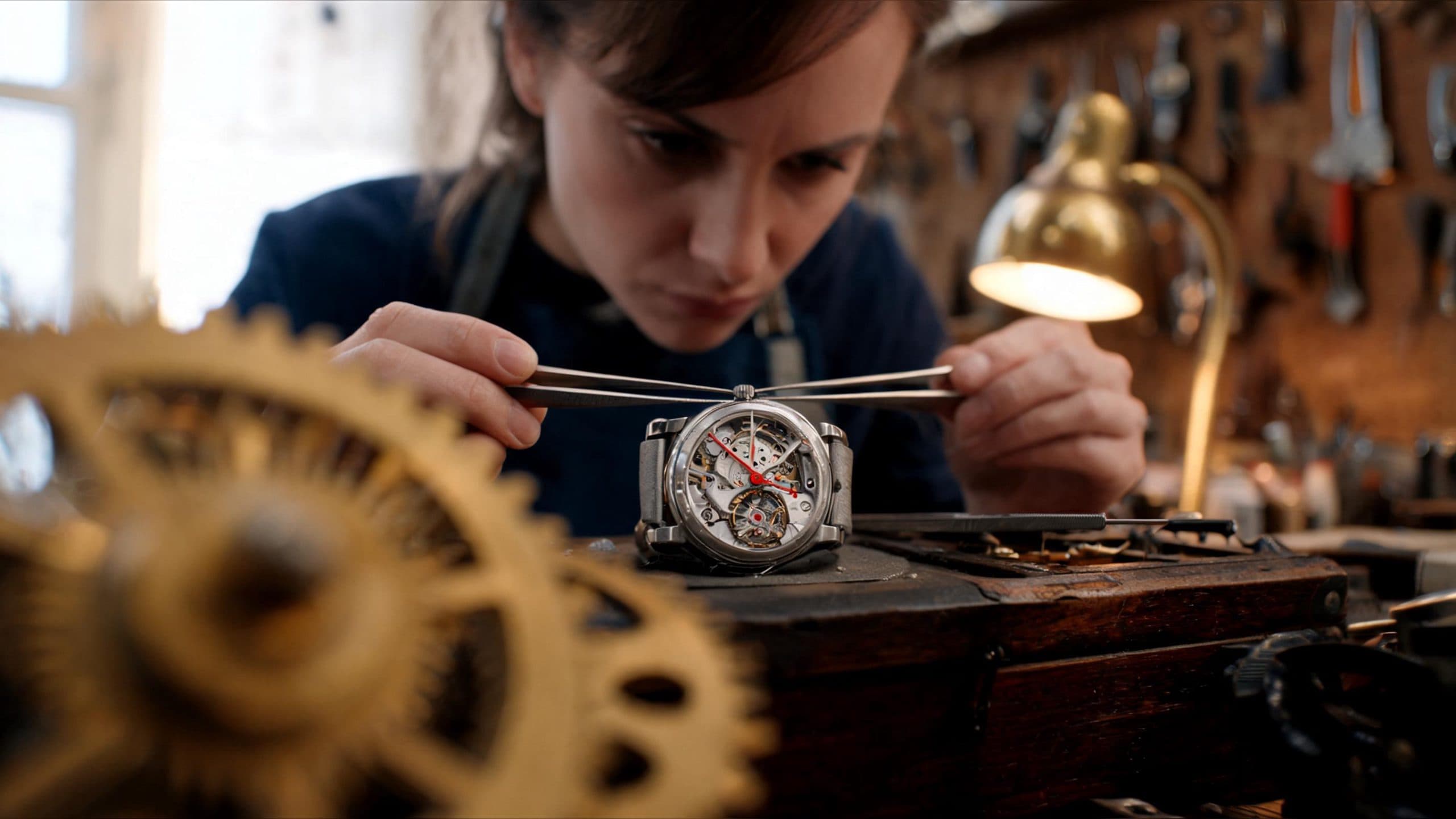
Shallow depth of field AI video direction helps define the one subject viewers should notice first. Provide a clear reference image, name the exact focus target, and describe which foreground and background elements may become soft. A watch-repair close-up, for example, can hold attention on a red second hand and the tips of steel tweezers while brass gears and a detailed tool wall recede behind the action.
The most useful instruction is specific. “Cinematic depth of field” leaves several decisions open. “Keep the red second hand and tweezer contact point sharp while the foreground gear and background tool wall remain softly blurred” gives the shot a visible priority that can be checked from beginning to end.
Choose one focus target
A shallow-focus shot works best when one object, face, hand movement, or product detail owns the viewer’s attention. The target should be small enough to identify precisely and important enough to carry the moment.
Useful targets include:
- a character’s eyes during a reaction;
- fingertips fastening a piece of jewelry;
- a product label during a demonstration;
- a paintbrush touching the canvas;
- a watch hand meeting a pair of tweezers.
Name the target by both object and location. “Focus on the watch” covers the dial, case, strap, hands, and reflections. “Focus on the red second hand and the point where the tweezers touch it” defines a narrower plane and a clearer review standard.
Separate the focus plane from the surrounding layers
Describe the image as three depth layers. The foreground can contain a partial prop that establishes scale. The focus plane contains the decisive subject or action. The background provides location and atmosphere.
For a watchmaker scene, the direction can read:
Create one continuous chest-up shot of the watchmaker making a tiny adjustment to the red second hand.

The only sharp focus plane stays on the red second hand and the contact point of the tweezer tips. Keep the large brass gear in the foreground and the workshop tool wall in the background softly blurred throughout. Use one restrained slow push-in with no focus hunting or rack focus.
This tells the shot what must remain readable and what may lose detail. The environment still contributes shape, color, and light without competing with the action.
What the comparison showed
In one six-second Seedance 2.0 comparison, both videos used the same watchmaker reference, workshop, action, eye-level chest-up composition, slow push-in, lighting, model, duration, aspect ratio, and resolution. The control described the action without a depth-of-field instruction. The technique version added one sharp focus plane on the red second hand and tweezer contact point, plus soft foreground and background.
The control already created a strong focus hierarchy. The wristwatch, red hand, and tweezers stayed readable while the tool wall became softer as the camera moved closer. The technique version showed slightly stronger watch separation and background blur near the ending, but the beginning and middle remained close to the control.
The practical result is a strong baseline with a modest prompt-level difference. In this scene, the shallow-depth instruction clarified the intended focal priority more clearly than it changed the entire visual result. That makes the instruction valuable as art direction and as a review criterion, even when the model already produces natural subject separation.
Keep the camera and focus decisions compatible
One restrained camera move supports a narrow focus target. A slow push-in can enlarge the detail while preserving the same visual priority. Several moves, a sudden angle change, or a competing action can make it harder to judge whether the focus stayed stable.
State the focus behavior during the move. For a fixed target, request no focus hunting and no rack focus. For an intentional focus transfer, identify the starting plane, the trigger, the destination plane, and the endpoint. These are two different shot designs and should be evaluated separately.
Review the beginning, middle, and end
Check three points in the finished clip:
- Beginning: Is the intended subject immediately readable before the main movement starts?
- Middle: Does the focus remain on the decisive action while hands, props, or camera position change?
- End: Does the final composition preserve the same priority, or complete an intentional focus transfer?
Also compare the surrounding layers. Foreground blur should support depth without becoming an opaque obstruction. Background lights and high-contrast details should remain subordinate to the focus target. The subject should stay sharp enough for the action to read naturally.
Where shallow focus adds value
A craft or repair demonstration
A maker showing a precise adjustment can isolate the contact point between tool and material. The workshop remains recognizable while the viewer follows the exact movement that matters.
A product detail shot
A brand creator can keep a clasp, button, screen element, or surface texture sharp while packaging and set decoration become softer layers. The product detail carries the frame without removing the context around it.
A character reaction
A filmmaker can lock attention on the eyes during a subtle realization. Hair, shoulders, and the room remain present, but the expression becomes the visual decision viewers read first.
A three-step shallow-focus workflow
- Identify the single object or contact point that carries the shot.
- Name the foreground and background layers that may become soft.
- Review the beginning, middle, and ending for subject sharpness, background competition, focus drift, and action readability.
Use the result to refine one category at a time. When the target is already clear, preserve the strong baseline. When background detail competes with the action, tighten the focus plane and simplify the surrounding visual contrast.
Frequently asked questions
What should I focus on in a shallow depth of field AI video?
Choose one face, object, hand action, product feature, or contact point that carries the moment. Name it precisely enough to check in every part of the clip.
How should I describe the blurred areas?
Identify the surrounding layers by location and content, such as a foreground brass gear and a background tool wall. Describe them as softly blurred while keeping their broad shapes and lighting contribution.
How can I prevent focus drift during a camera move?
Use one restrained move, keep the same target plane throughout, and state that the shot should avoid focus hunting or an unintended rack focus.
When should I review focus consistency?
Inspect the beginning, middle, and end. Check target sharpness, competing background detail, foreground obstruction, and whether the decisive action remains readable.
Build your next focus-led sequence in ArtArch Studio.
继续探索
更多 AI Video Techniques 内容
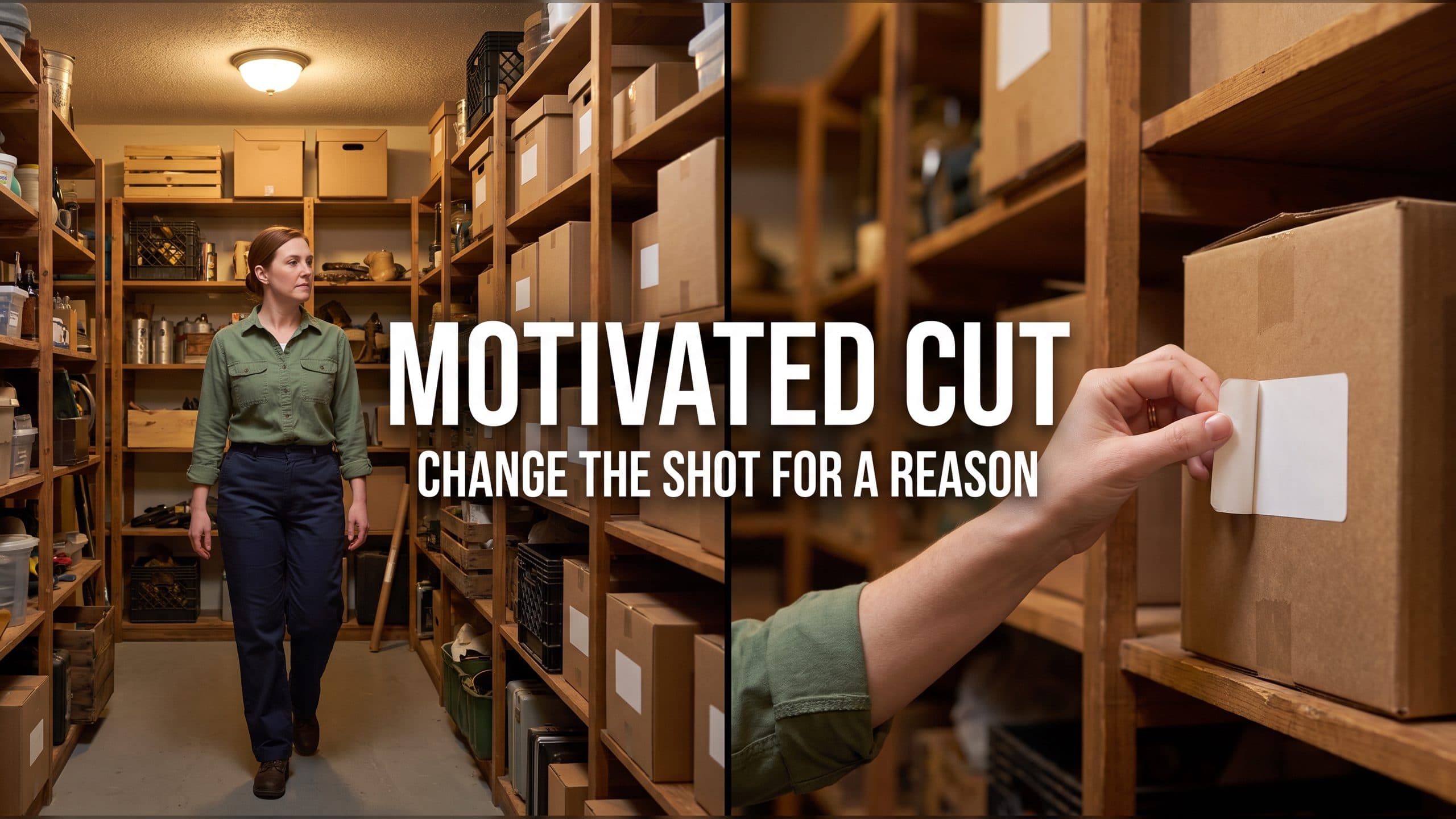
Motivated Cut AI Video Continuity: Change the Shot for a Reason
Learn how a visible action trigger, clear shot-size change, and locked screen direction create more intentional same-scene AI video edits.
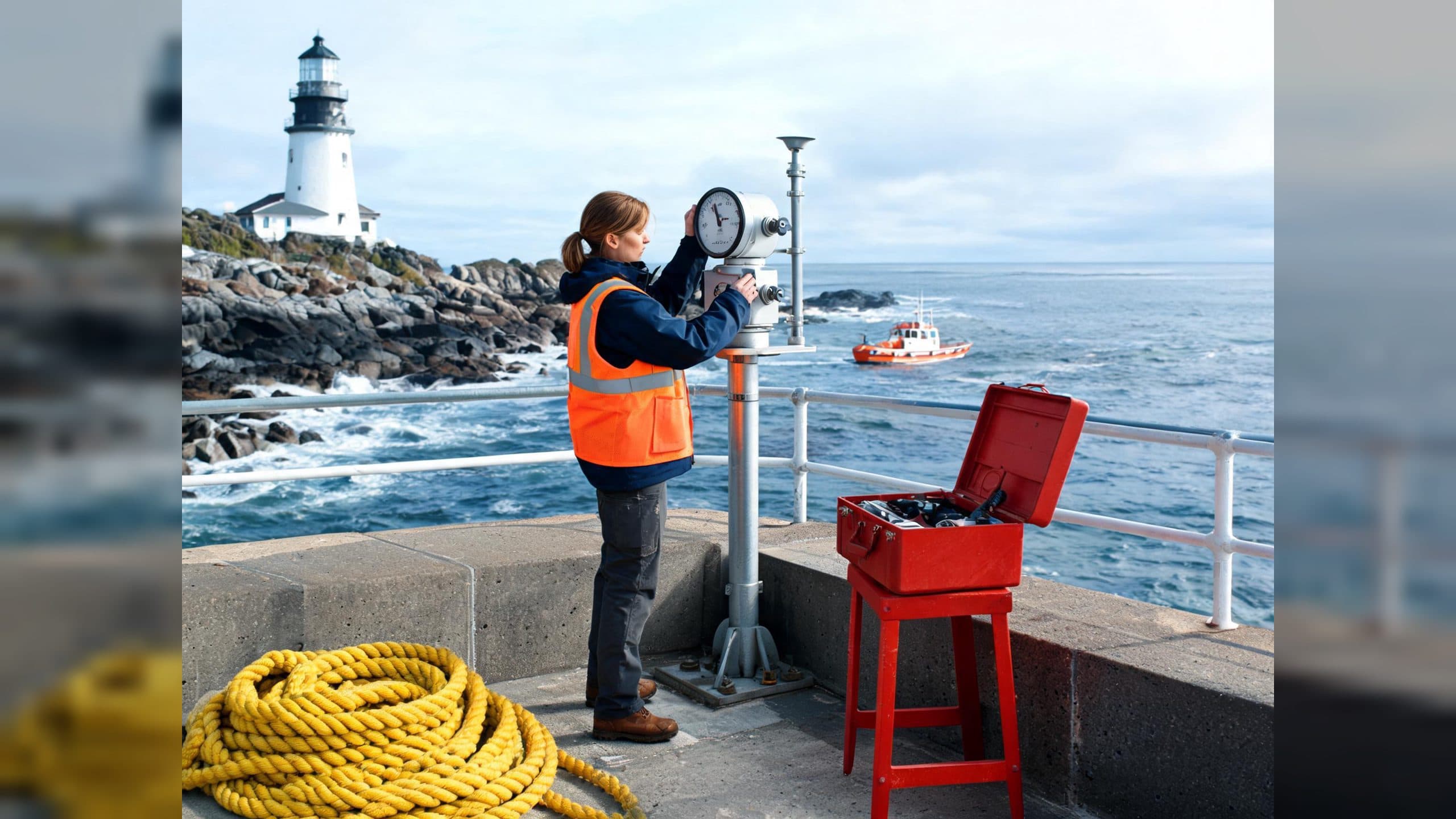
Deep Depth of Field AI Video: Keep Every Story Layer Readable
Learn how deep depth of field AI video prompts keep foreground tools, central action, and distant location cues readable in one layered shot.

Medium Depth of Field AI Video: Balance Subject and Setting
Learn how medium depth of field AI video prompts keep hands and active objects readable while preserving recognizable environmental context.
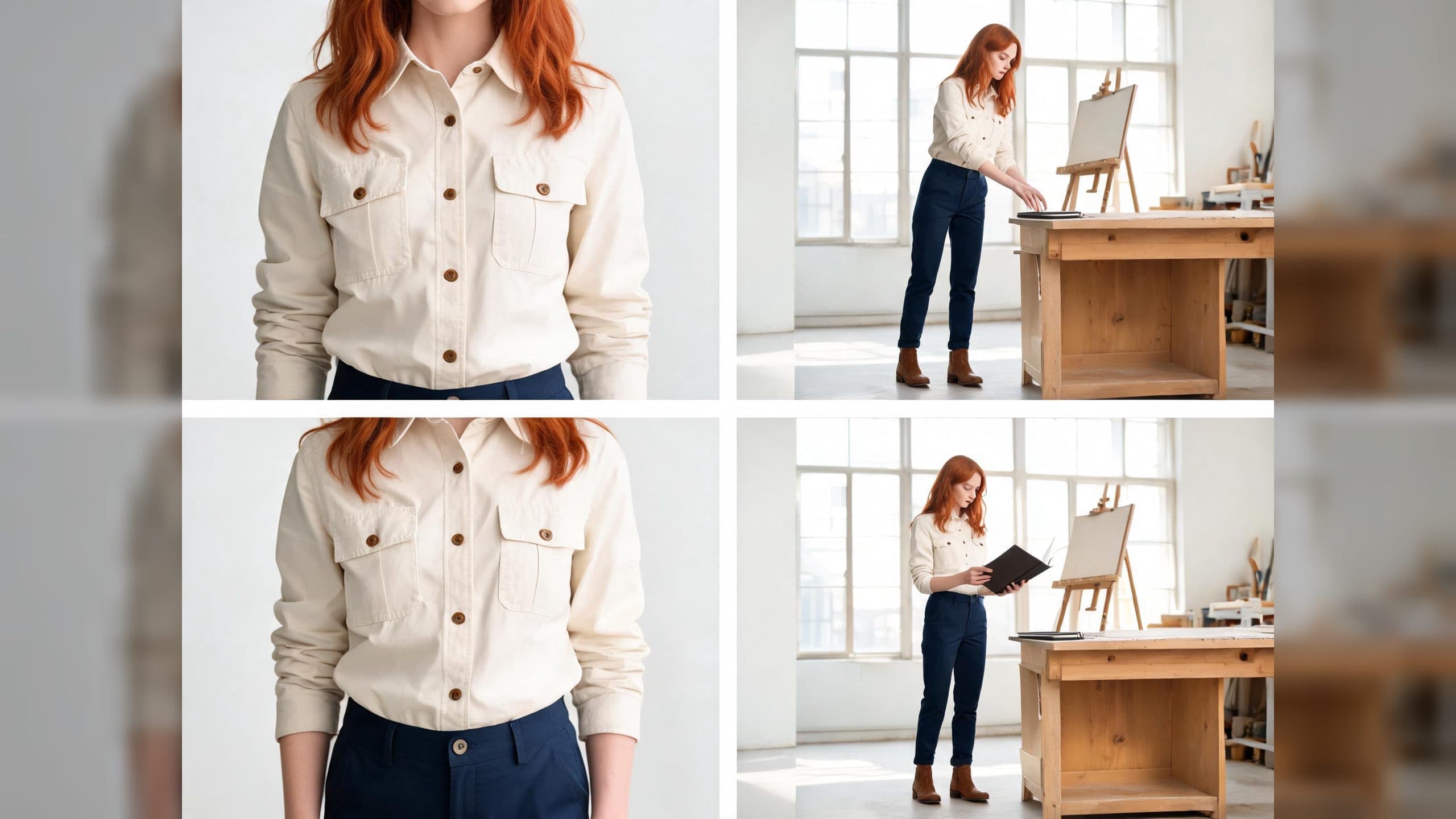
AI Video Character Reference Framing: Match Portraits to Landscape Shots
Prepare vertical character portraits for landscape AI video by matching aspect ratio, body scale, headroom, floor space, and movement room before generation.