

ArtArch 新闻中心
AI Video TechniquesSeedance vs MiniMax H3 Comparison Frame by Frame
This Seedance vs MiniMax H3 comparison reviews 48 frames from six 15-second reference-to-video outputs to reveal each model's strengths.
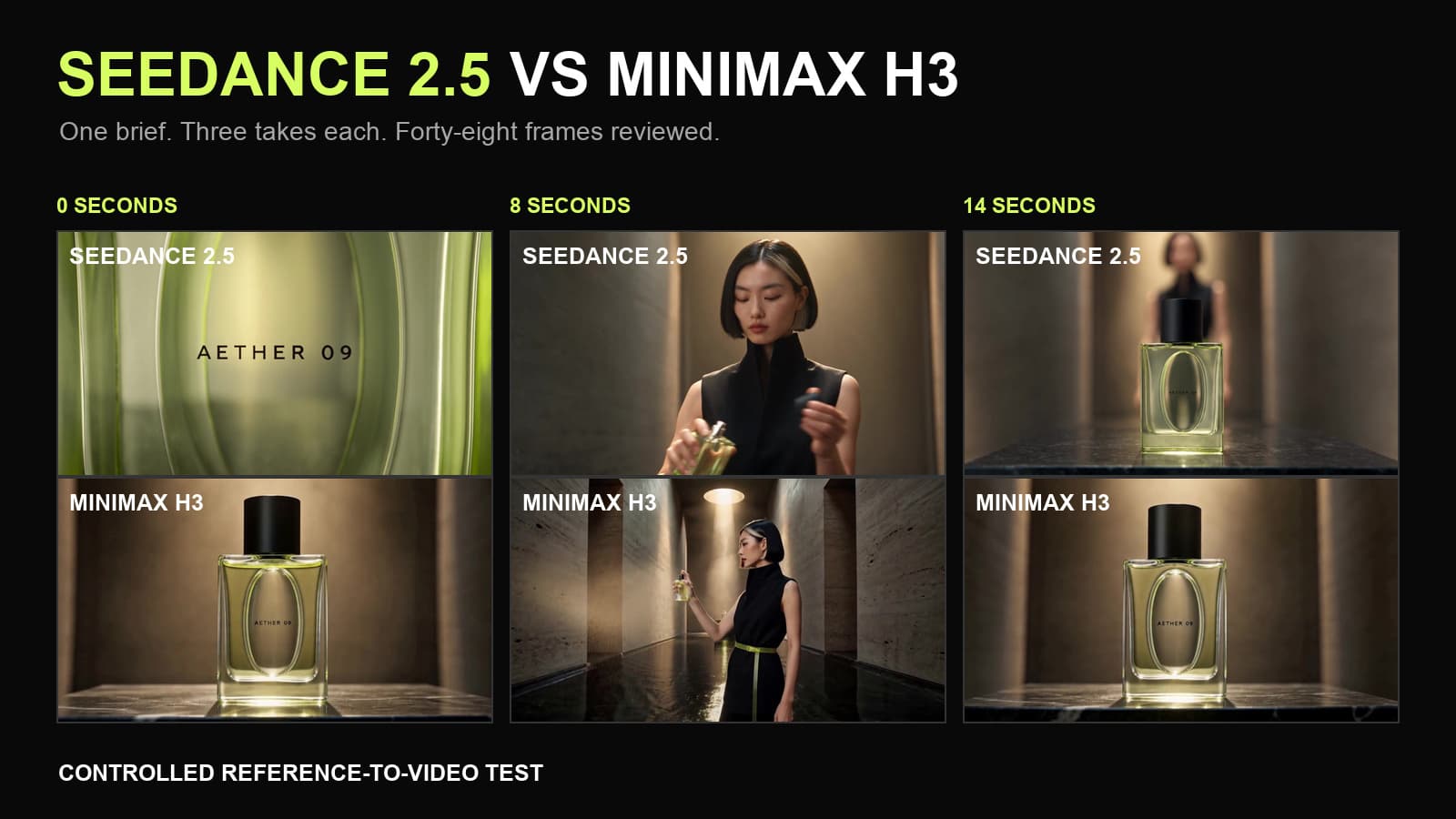
I ran a Seedance vs MiniMax H3 comparison using Seedance 2.5 and the same three images, the same prompt, and the same 15-second fragrance brief. Each model got one character reference, one environment reference, and one product reference. I generated three takes per model, pulled a frame every two seconds, and ended up with 48 images to compare.
Looking at those frames changed my first impression of the videos. H3 grabs attention in the middle because the action reads quickly. Seedance 2.5 makes a quieter case. It keeps returning to the bottle, and by the final seconds that discipline matters.
The full ArtArch comparison canvas keeps the references, six videos, generation settings, and all 48 extracted frames together.
The brief both models received
The product was an AETHER 09 fragrance bottle with pale green glass, a black cylindrical cap, a central oval detail, and a small label. The character wore a structured black sleeveless outfit with a lime belt. Her black bob included a white streak. The location was a long concrete hall with shallow water, a dark plinth, and a circle of light in the ceiling.
The requested shot began on an extreme bottle macro. The camera would pull backward along the reflection as the woman approached through the water. She would reach the plinth, lift the bottle, twist the cap, spray through the light, speak the line “Make the air remember,” and finish on a steady product hero.
Both sets of videos ran at 24 frames per second. H3 returned 1344 by 768 files, while Seedance returned 1280 by 720 files. Every file carried AAC stereo audio. This review concentrates on the visible sequence, with the full videos on the canvas providing the motion, sound, and lip-sync context.
0 seconds and the first creative decision
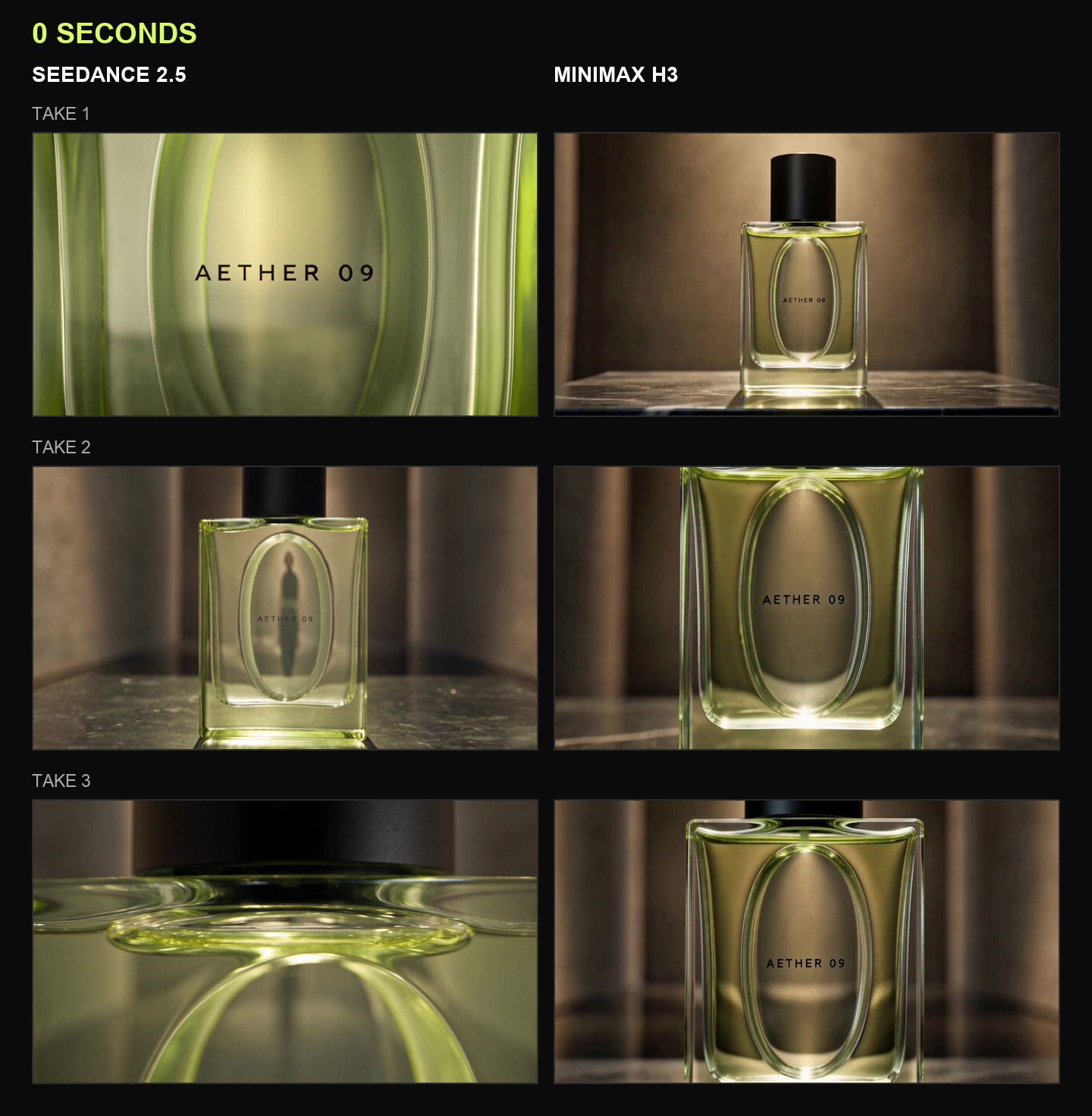
The opening frame should belong to the bottle, and both models understand that.
Seedance uses a true extreme macro in two of its three takes. In one frame, the AETHER 09 label fills the image. In another, the curved glass around the oval detail becomes the composition. Its second take pulls back slightly and lets the woman appear as a soft figure through the bottle.
H3 starts with cleaner and more conventional product photography. Its bottles are centered, evenly lit, and immediately legible. These opening frames already look like finished pack shots. The first H3 take, however, begins wider than the requested extreme macro.
This was the first sign of a pattern. Seedance followed the camera instruction closely. H3 searched for a polished advertising image.
2 seconds and how each model spends time
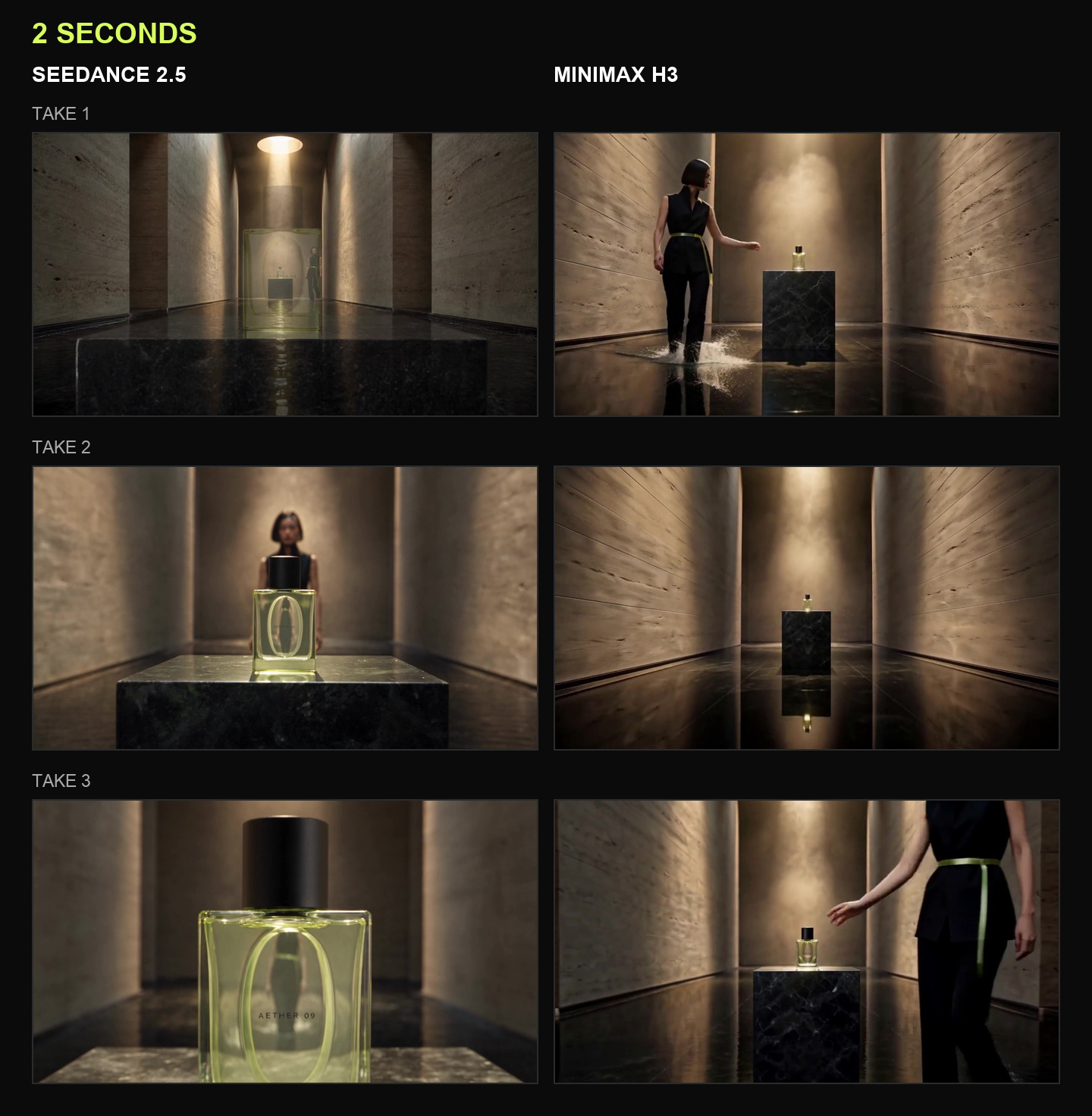
At two seconds, Seedance is still building a bridge between the bottle and the room. One take holds the product near the lens while the figure approaches behind it. Another places the woman directly behind the bottle. A third keeps the glass close enough to fill much of the frame.
H3 spends those same two seconds pushing the story forward. In two takes, the woman is already moving through the water toward the plinth. The splashes are visible, the body has direction, and the scene feels active. The remaining take shows the empty hall and bottle from a distance.
H3 gets to movement sooner. Seedance makes the transition from macro to architecture feel more connected.
4 seconds and a clear split in priorities
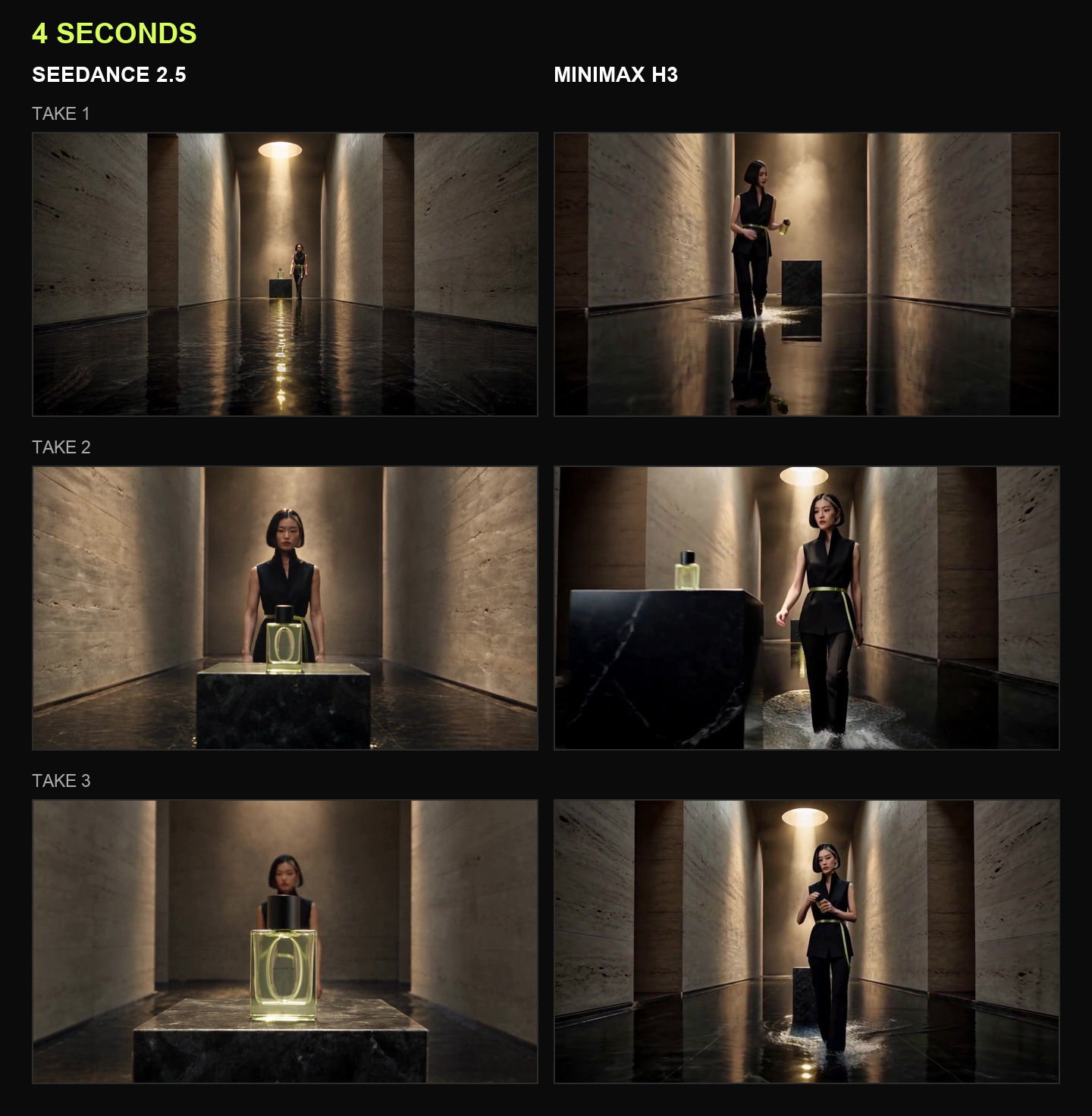
By four seconds, the models are working on different parts of the assignment.
Seedance keeps the plinth and bottle at the center. The woman arrives behind them in two takes and remains farther down the hall in the other. Even with a person entering the shot, the product still controls the composition.
H3 gives that control to the performer. She is carrying the bottle in one take, reaching it in another, and handling it in the third. Her steps throw water into the light. The body movement is easy to understand from a single still.
I would give this moment to H3 for action coverage. Seedance keeps a cleaner product hierarchy, though its story is moving more slowly.
6 seconds and the cost of control
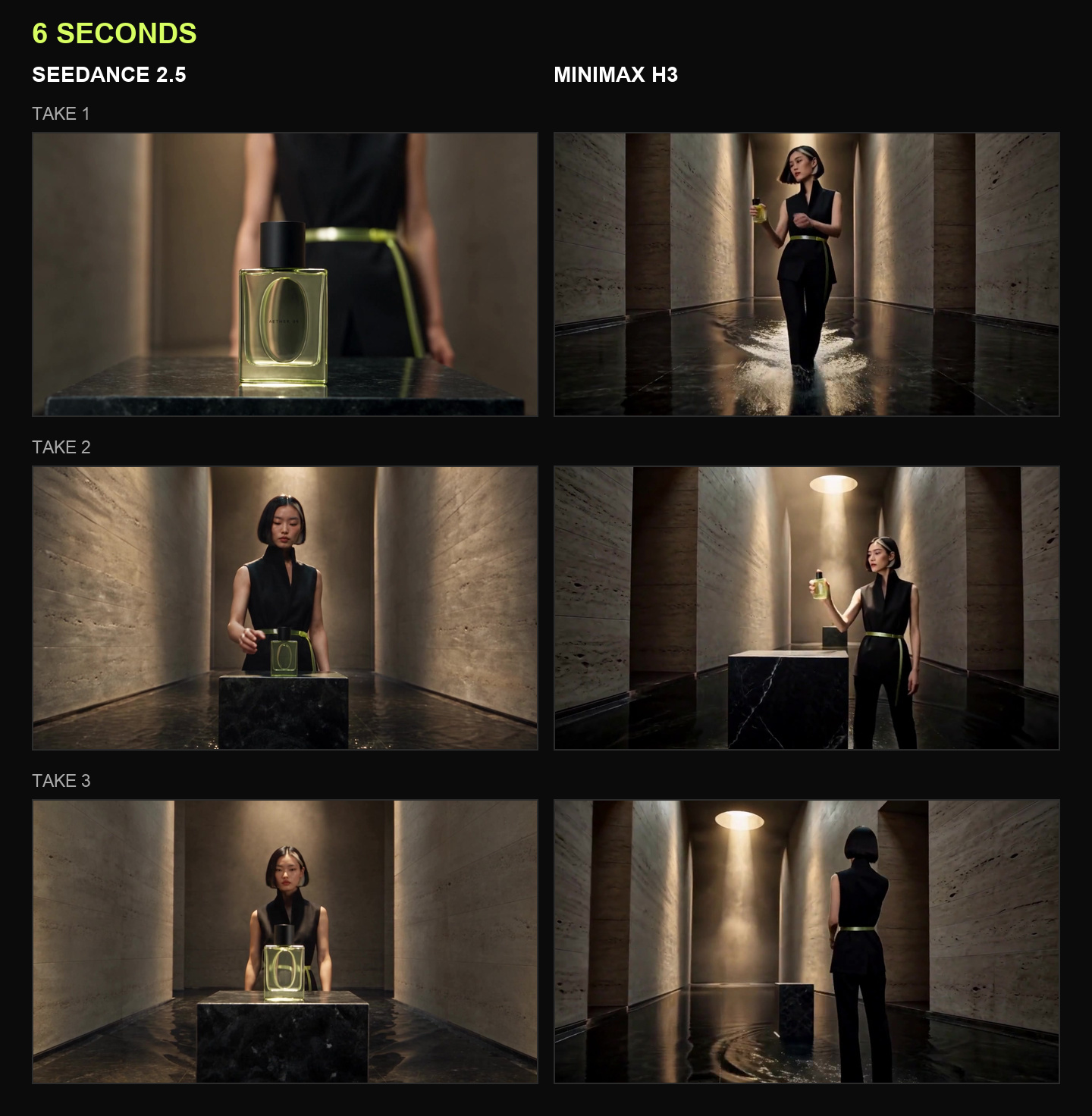
Seedance continues to stage everything around the plinth. The bottle remains recognizable in all three takes. The lime belt, black outfit, bob haircut, reflective water, and central light also stay connected to their references. Two takes are still catching up with the requested sequence.
H3 has moved into performance. The woman holds the bottle clearly in two takes, and the water reacts to her movement. One frame catches a strong wake behind her legs. Another places the bottle against the ceiling beam. The third take turns her back to the product, which keeps the body moving but gives us a weaker advertisement frame.
This point captures the central choice in the test. Seedance protects the object. H3 keeps the action alive.
8 seconds and H3’s best moment
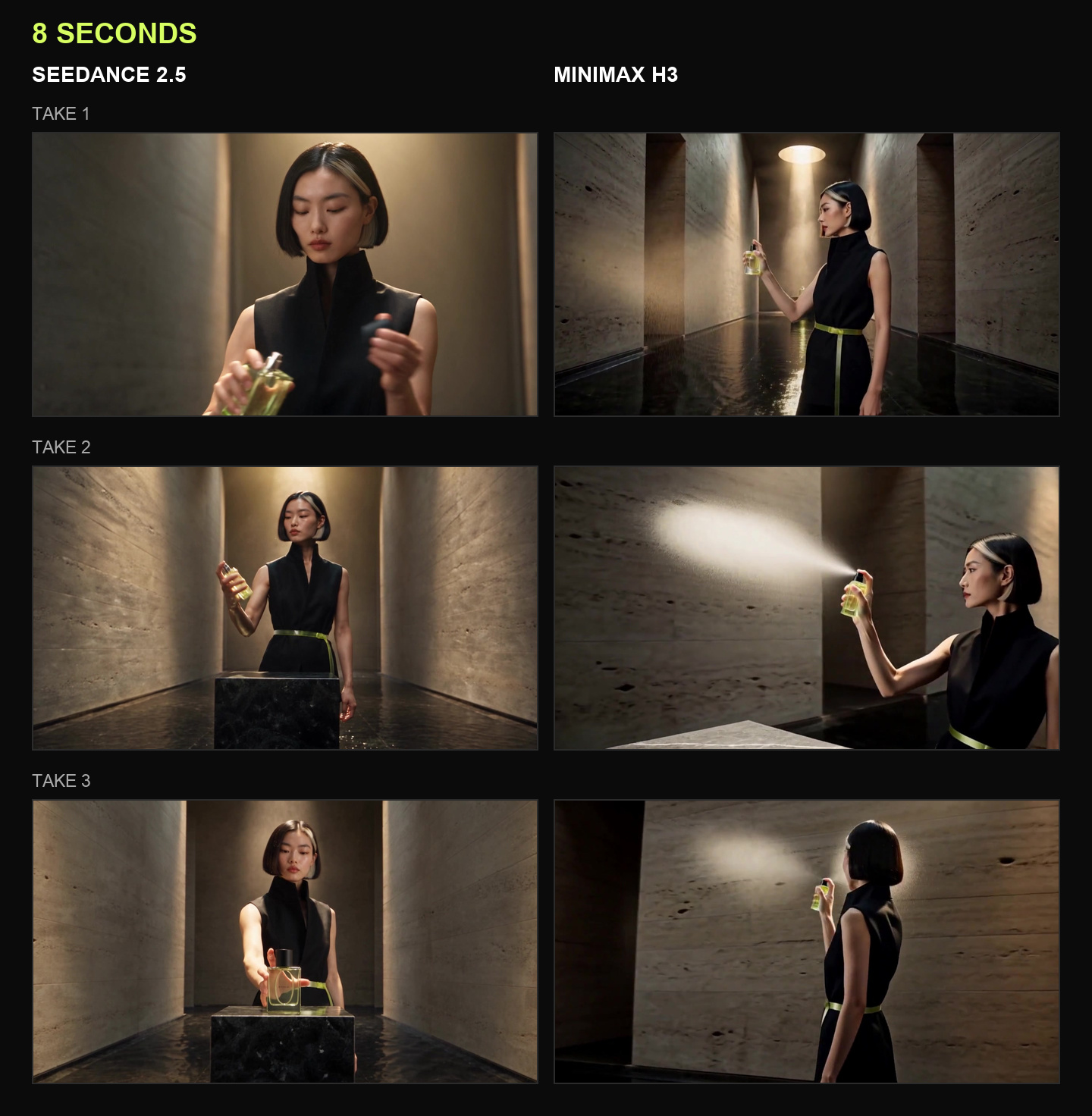
Eight seconds is where H3 earns its strongest result.
Seedance shows three stages of bottle handling. One woman appears to remove the cap, another presents the bottle beside the plinth, and the third reaches toward it. The hands and bottle remain fairly controlled. The spray reads softly across this two-second sample.
H3 turns the spray into an unmistakable event in two takes. A bright cloud of mist cuts across the concrete wall and catches the beam. The third take places the raised bottle directly under the light. Even without watching the video, the viewer understands the action.
That clarity matters. A written instruction only becomes useful when the result communicates it on screen, and H3 does that very well here.
10 seconds and the beauty shot
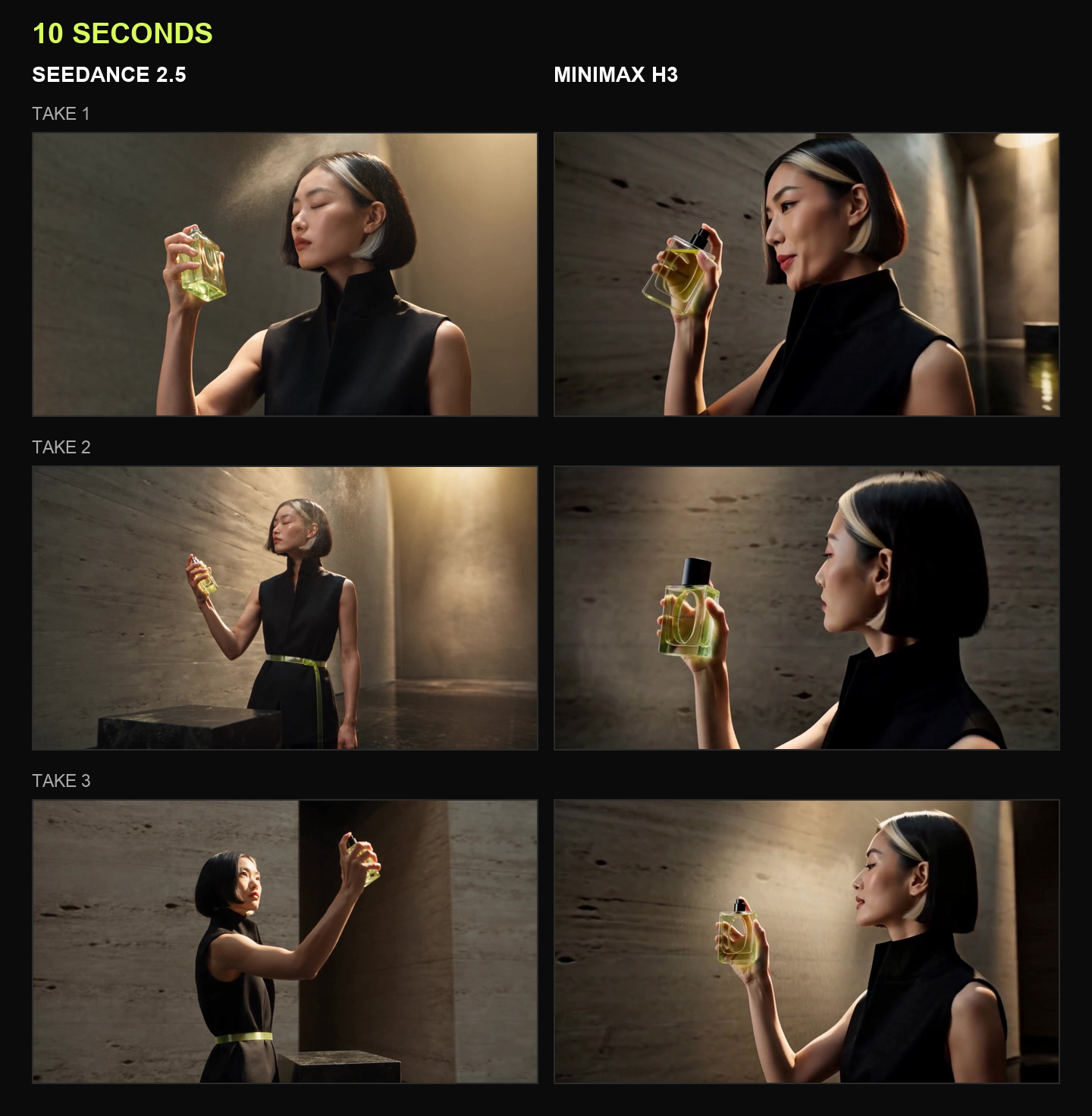
By ten seconds, both models have reached the close-up section.
Seedance gives the editor three different options. The first catches fine spray beside the woman’s face. The second holds a wider campaign pose. The third reaches toward the beam with the bottle raised. The white hair streak and structured outfit remain visible across the set.
H3 repeats a tighter formula. Each take combines the woman’s profile with the bottle near her face. The lighting is polished and the composition is immediately usable. The repeated framing also reveals H3’s preference for the performer. The face and bottle share equal attention.
Seedance provides more variety at this point. H3 provides a more predictable close-up.
12 seconds and the spoken line
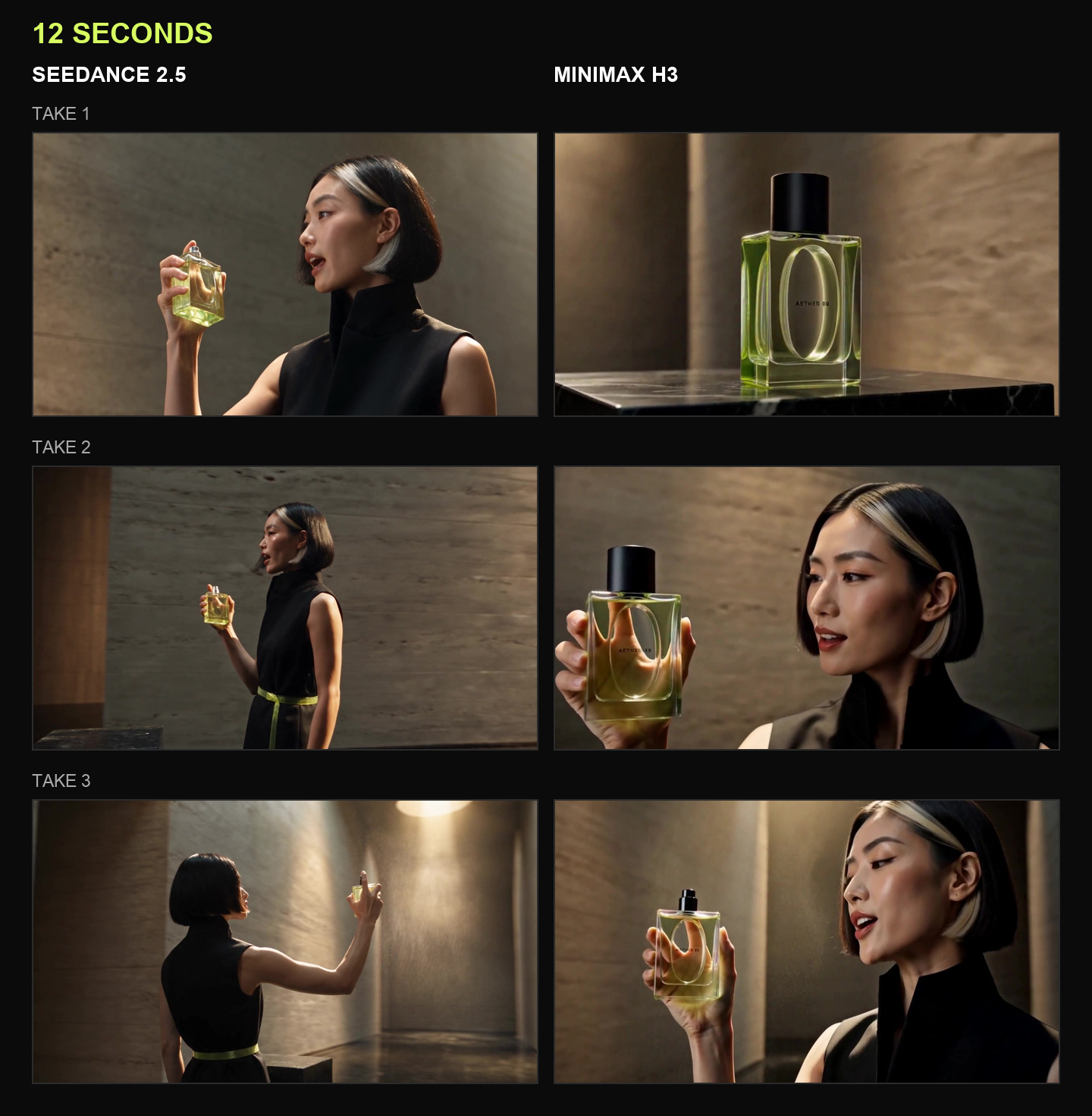
At twelve seconds, two Seedance takes show a visible speaking pose while the third continues the spray against the light. The location still has a role in the image, and the bottle remains connected to both the performer and the architecture.
H3 has already returned to a clean bottle shot in its first take. The other two stay close to the woman and show clear speaking expressions. They look like finished endorsement frames, although the face varies more from the supplied character image.
H3 is strongest when the performer carries the shot. Seedance keeps the character, product, and location in a more even relationship.
14 seconds and the frame that settles the test
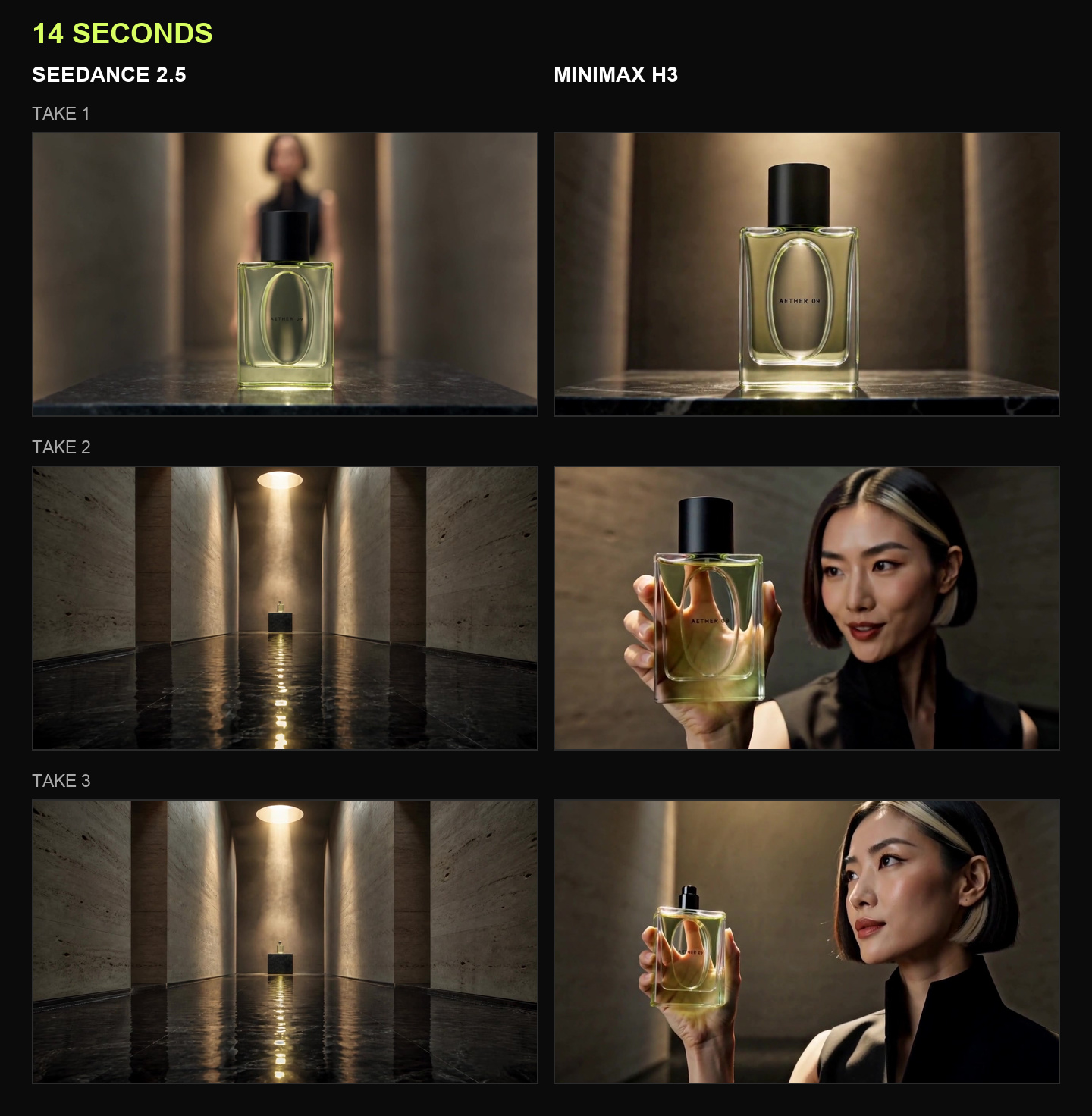
The brief asks for a steady product hero, so the final sampled frame carries extra weight.
Seedance returns to the product in all three takes. One result uses a conventional hero shot with the woman softened in the background. The other two pull far back and leave the bottle alone beneath the ceiling light. The scale changes, but the priority stays consistent.
H3 lands a clean hero in its first take. The other two remain on the woman holding the bottle close to camera. Those are attractive campaign images and they keep the performer present through the finish.
For this exact ending, Seedance delivers the requested product priority three times. H3 delivers it once.
What I would use each model for
H3 does its best work from four to eight seconds. Its movement, water, bottle handling, and spray read quickly. For an action-led fashion film, a performance test, or a shot where the human gesture carries the idea, I would begin with H3.
Seedance is more dependable around that action section. Its macro opening follows the brief closely, the bottle remains the visual anchor, and every take finds its way back to a useful closing image. For a fragrance launch, beauty campaign, or product film where packaging accuracy and the final pack shot matter, I would begin with Seedance 2.5.
The full sequence also explains why one screenshot gives an incomplete answer. H3 looks strongest at eight seconds. Seedance looks strongest at fourteen. A model comparison becomes useful when the images are read in order and across several generations.
Frequently asked questions
How was the Seedance 2.5 vs MiniMax H3 test controlled?
Both models received the same character, environment, and product references, the same 15-second prompt, the same 16 by 9 format, and three generation attempts. The comparison uses frames sampled at identical two-second intervals.
Which model preserved the product reference more consistently?
Seedance 2.5 kept the bottle silhouette, glass color, oval detail, label, and final product priority more consistently across the three sampled sequences.
Which model showed the requested action more clearly?
MiniMax H3 made the walk through water and the spray action easier to read, especially between four and eight seconds.
Can I inspect the full videos and every comparison frame?
The ArtArch comparison canvas keeps the three references, six videos, and all 48 sampled frames together, so the motion and still-image evidence can be reviewed in the same workspace.
Register for ArtArch, then open the full comparison canvas and try the Seedance 2.5 vs MiniMax H3 workflow with your own references.
继续探索
更多 AI Video Techniques 内容
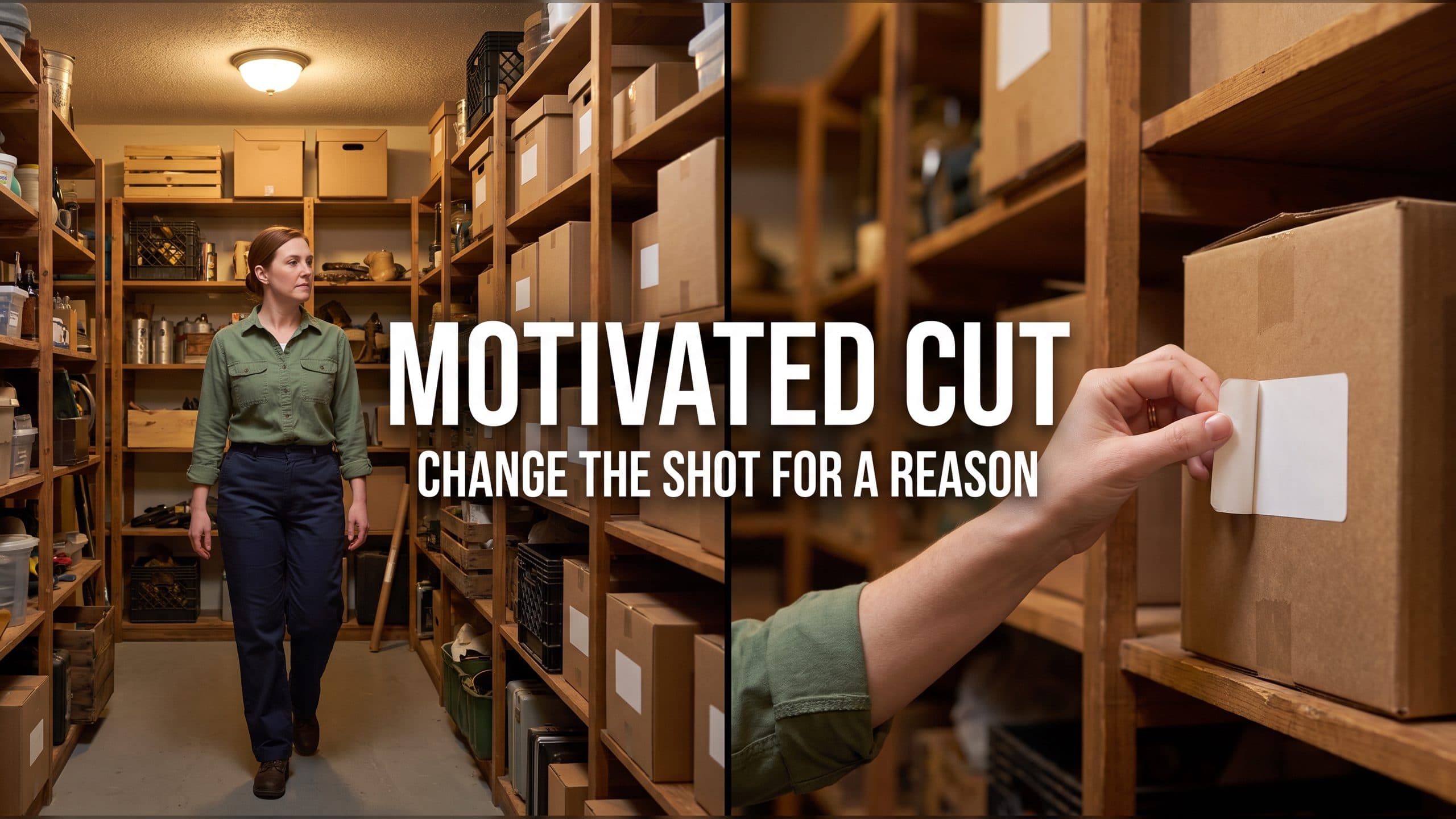
Motivated Cut AI Video Continuity: Change the Shot for a Reason
Learn how a visible action trigger, clear shot-size change, and locked screen direction create more intentional same-scene AI video edits.
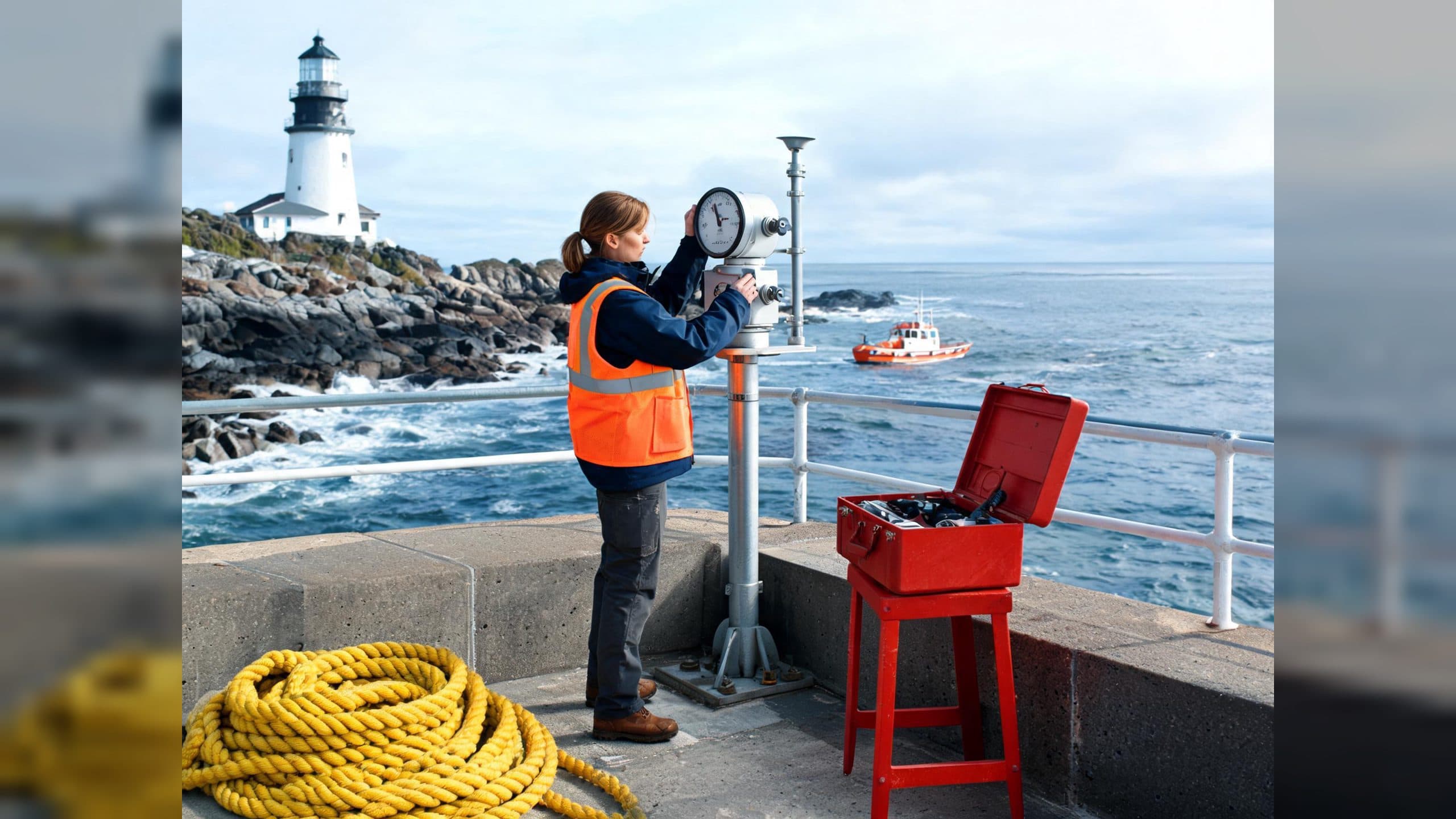
Deep Depth of Field AI Video: Keep Every Story Layer Readable
Learn how deep depth of field AI video prompts keep foreground tools, central action, and distant location cues readable in one layered shot.

Medium Depth of Field AI Video: Balance Subject and Setting
Learn how medium depth of field AI video prompts keep hands and active objects readable while preserving recognizable environmental context.
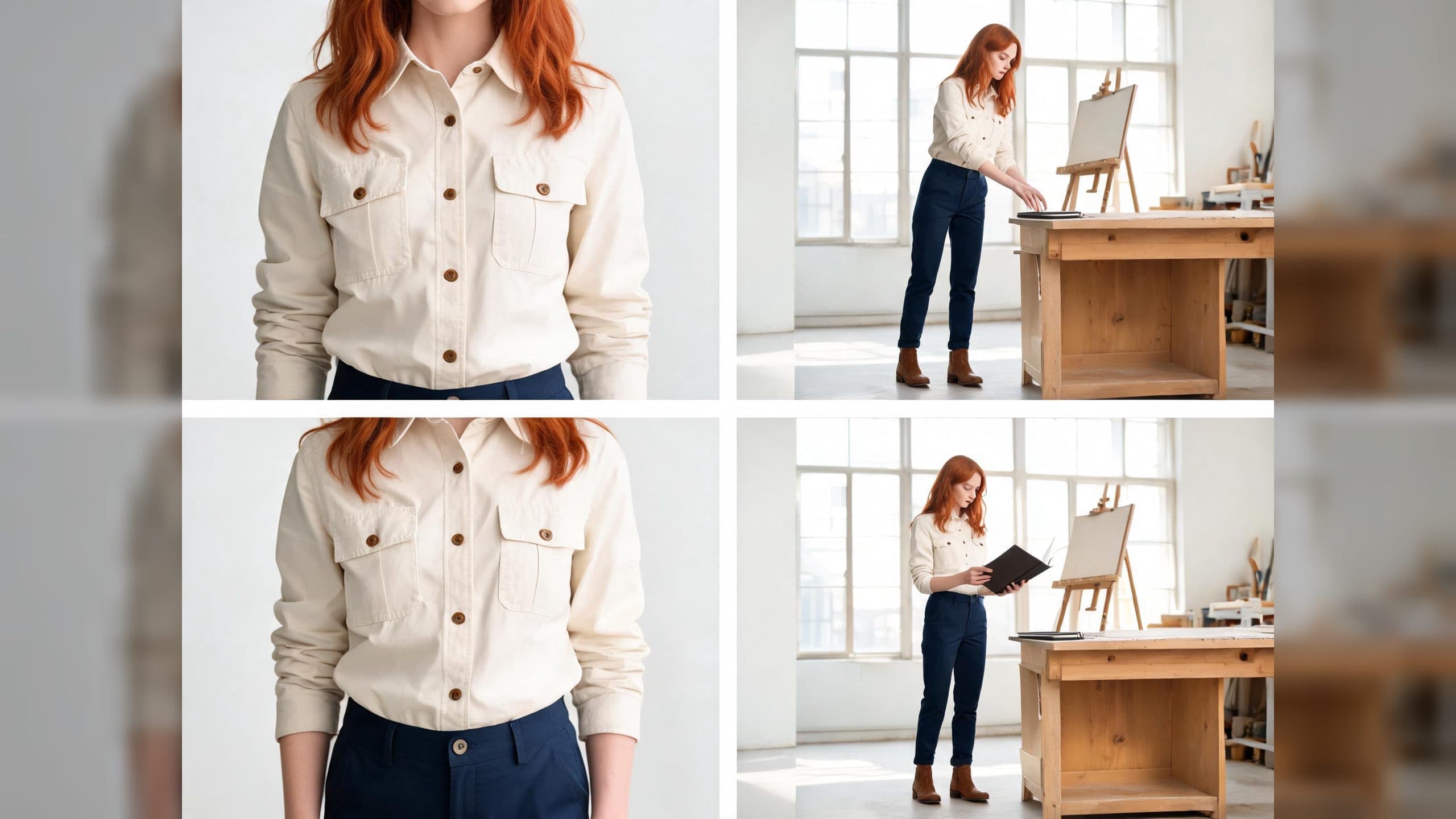
AI Video Character Reference Framing: Match Portraits to Landscape Shots
Prepare vertical character portraits for landscape AI video by matching aspect ratio, body scale, headroom, floor space, and movement room before generation.