

ArtArch 新闻中心
AI Video TechniquesHow to Fix AI Video Continuity With Insert Shots
Learn how to fix AI video continuity with insert shots that motivate movement, create off-screen time, and re-establish a changed position.
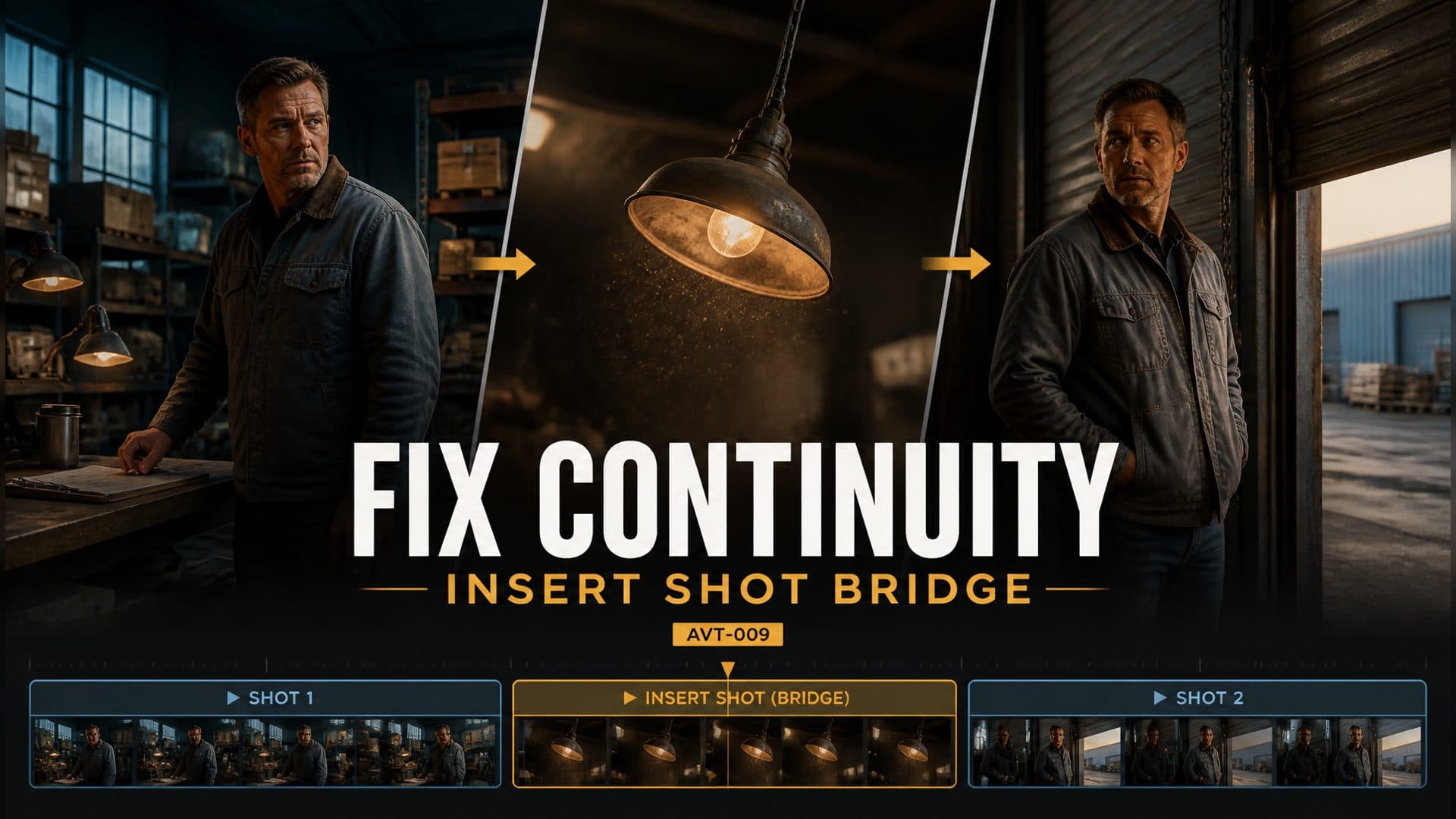
Provide a character reference and an empty location reference to create an AI video sequence that uses a motivated insert shot to bridge a difficult change in character position. This AVT-009 experiment follows a warehouse manager from a workbench on the left side of an old warehouse to a roll-up door on the right after a metallic sound draws his attention.
The insert creates a short period of off-screen time. It lets the character move across the warehouse while the viewer watches a related environmental detail, then the next wider shot clearly establishes his new position.
The continuity problem: a visible position jump
The scene begins with the manager beside the left workbench and ends with him at the right roll-up door. Cutting directly between those positions creates a jump. The audience sees the same person in two distant places without watching the movement or receiving enough time to infer it.
A continuity bridge needs three parts:
- a trigger that motivates attention and movement;
- an insert that holds the screen while time passes;
- a re-establishing shot that clearly presents the new geography.
The direct-cut version
The control sequence preserves the discontinuity for comparison:
The manager stands beside the workbench on the left. The next shot places him directly beside the roll-up door on the right, where he continues looking outside. Connect the shots with a hard cut.
Character identity and environment can remain stable while the action still feels incomplete. The missing information is the transition between positions.
The insert-shot repair
The technique version builds a cause-and-effect bridge:
From 0–2.5 seconds, the manager stands beside the left workbench. He hears a metallic impact outside the roll-up door on the right and turns his eyes toward it. From 2.5–5 seconds, cut to the hanging lamp above the center aisle. It sways slightly from the vibration as a little dust falls. Hold this insert long enough for the manager to walk from left to right off-screen. From 5–8 seconds, use a wider medium shot to re-establish the warehouse. The manager is now beside the right roll-up door, still facing right and looking outside.
The lamp insert belongs to the same event as the sound and the character’s reaction. It provides visual evidence that something disturbed the warehouse while covering the unseen walk.
Step 1: motivate the transition
The metallic impact comes from the destination side of the room. The manager hears it and turns his gaze right before the insert begins.
This reaction prepares the audience for movement. His attention already points toward the door, so arriving there in the next character shot feels like a continuation of a decision.
Directional sound also reinforces the warehouse layout. The workbench belongs to the left zone, the roll-up door belongs to the right, and the event comes from beyond the door.
Step 2: choose a neutral but relevant insert
The hanging lamp is centered between the starting point and destination. Its slight movement and falling dust communicate the same vibration introduced by the metallic impact.
This insert is visually independent of the manager’s exact position. The character can cross the central aisle outside the frame while the lamp remains the subject.
The shot needs enough duration to imply the walk. A very brief flash of the lamp would add style while providing little temporal cover. Holding it for roughly 2.5 seconds creates usable story time.
Step 3: re-establish the new position
After the insert, the camera returns in a wider medium shot. The frame shows the manager beside the right roll-up door and reconnects him to the warehouse layout.
The prompt repeats his body direction and attention: he faces right and continues looking outside. That detail connects the new shot to the reaction before the insert.
The sequence now reads as:
sound at destination → character notices → environment reacts → off-screen travel time → new position is established
Choose inserts that can carry time
Useful continuity inserts often feature a stable object with one small event:
- a hanging light sways;
- dust falls from a shelf;
- a door handle vibrates;
- a clock advances;
- a machine indicator changes;
- a curtain moves after a gust.
The insert should connect to the surrounding action through sound, motion, cause, location, or theme. It should also remain understandable when the main character is outside the frame.
A reusable continuity-repair template
[Duration] three-part continuity bridge in [location].

[Opening time] Shot A:
Character stands at [starting landmark and screen side]. [Sound or event] occurs at [destination and direction]. Character pauses and directs eyes or body toward it.

[Middle time] motivated insert:
Show only [environmental object] responding through [small visible change] with [connected sound]. Hold the insert for enough time to imply the character’s off-screen movement from [start] to [destination].

[Ending time] Shot B:
Use [wider shot size] to re-establish the space. Character is now at [destination landmark], preserving [identity, wardrobe, body direction, and gaze]. Continue responding to the same event.
Where this technique helps
A narrative creator can bridge a character crossing a room, picking up an object, or changing position between generated shots. A product creator can cut to a detail while a presenter resets their hands or stance. A cooking creator can use a timer, steam, or appliance insert to cover preparation time. A social storyteller can smooth a jump between two strong generated moments while adding a useful clue.
Choose an insert that already belongs to the environment reference. Give it a small visible change and connect that change to the same event that motivates the character.
Frequently asked questions
How long should the insert last?
Match the duration to the off-screen action it covers. A walk across a room needs more implied time than a hand reposition.
Should the insert show the main character?
An environment-only insert creates flexible off-screen time and keeps attention on the event that motivates the transition.
What should the shot after the insert establish?
Show the new character position, body direction, gaze, and enough of the location to rebuild the spatial map.
Can an insert cover other continuity changes?
Yes. The same structure can bridge prop handling, posture resets, entrances, exits, and other motivated changes between shots.
Click the template card on this page, enter the experience page, and try the AI video continuity repair workflow with your own two-position sequence.
继续探索
更多 AI Video Techniques 内容
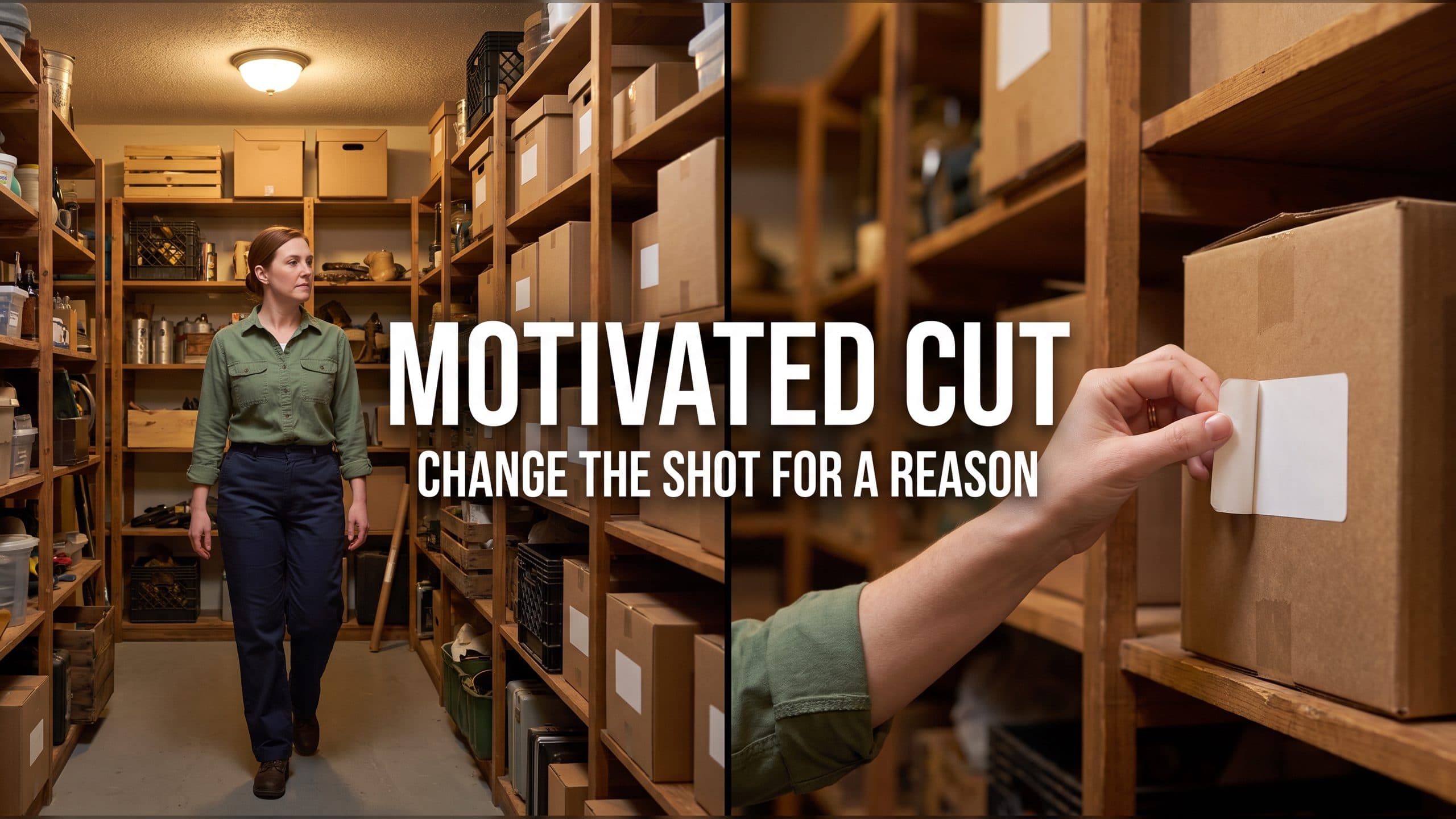
Motivated Cut AI Video Continuity: Change the Shot for a Reason
Learn how a visible action trigger, clear shot-size change, and locked screen direction create more intentional same-scene AI video edits.
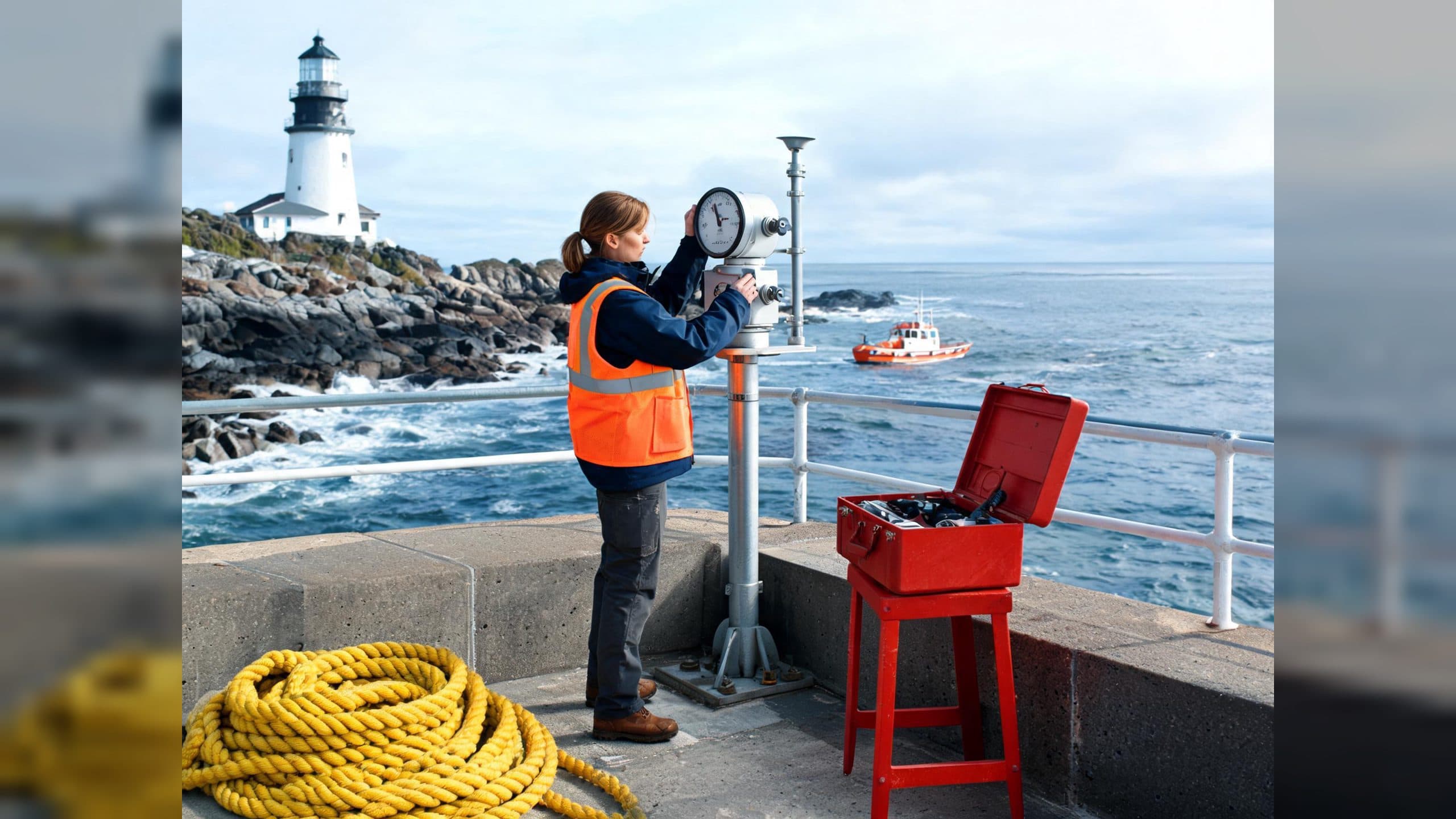
Deep Depth of Field AI Video: Keep Every Story Layer Readable
Learn how deep depth of field AI video prompts keep foreground tools, central action, and distant location cues readable in one layered shot.

Medium Depth of Field AI Video: Balance Subject and Setting
Learn how medium depth of field AI video prompts keep hands and active objects readable while preserving recognizable environmental context.
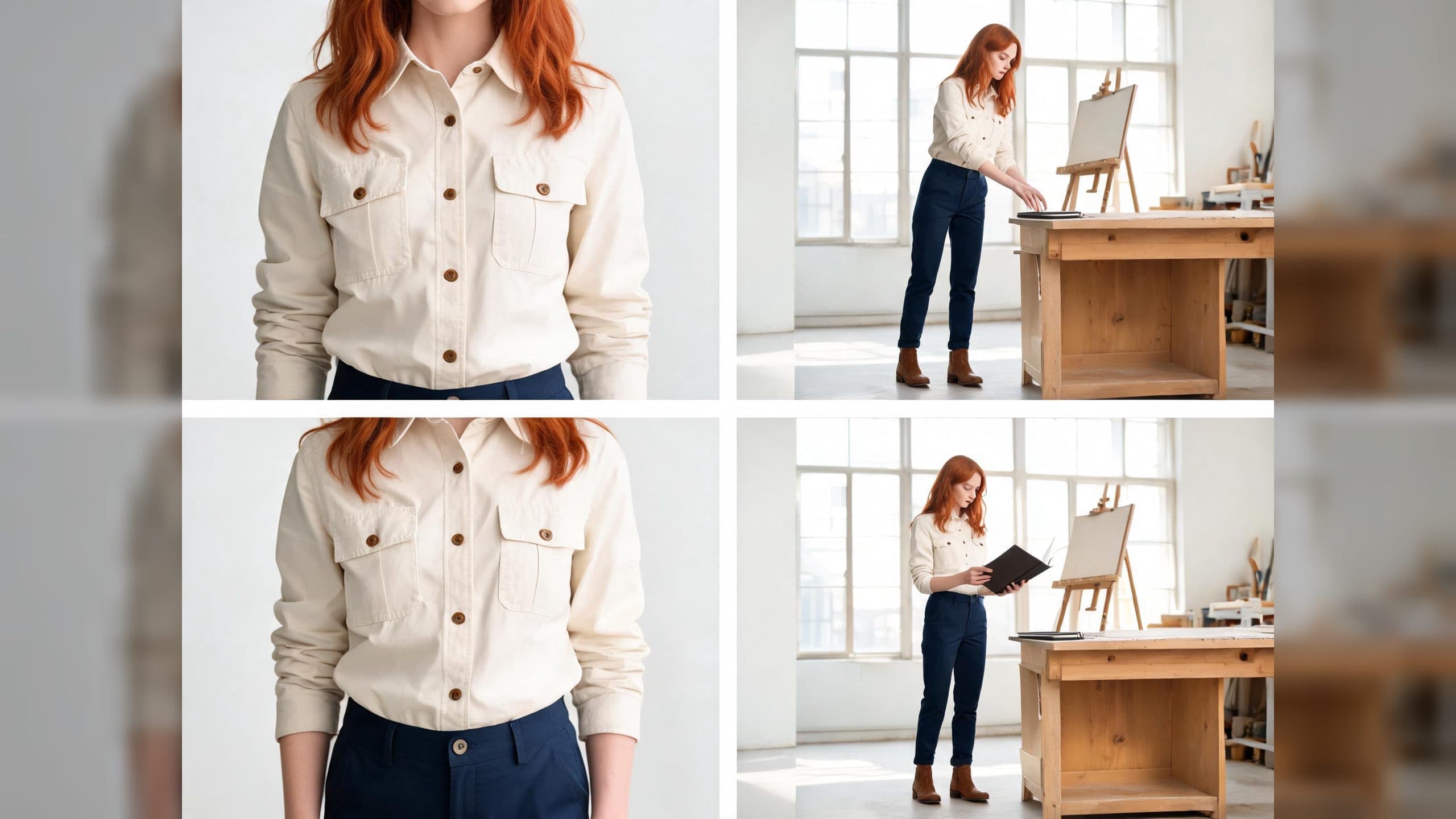
AI Video Character Reference Framing: Match Portraits to Landscape Shots
Prepare vertical character portraits for landscape AI video by matching aspect ratio, body scale, headroom, floor space, and movement room before generation.