

ArtArch 新闻中心
AI Video TechniquesDepth-Based Action Reenactment for Beginners
Learn how depth-based action reenactment turns a dance reference into a motion guide for a new character with ArtArch.
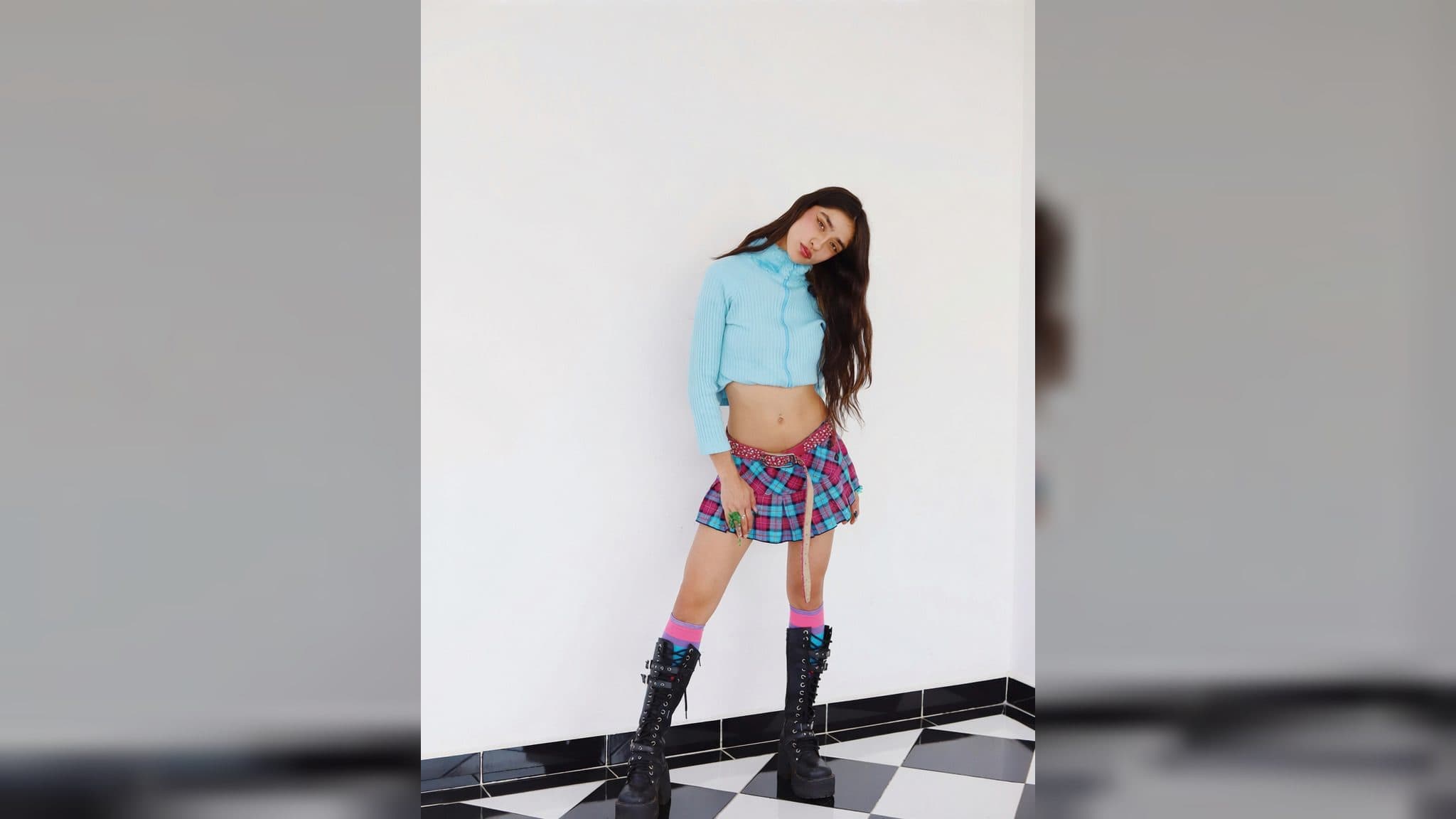
Depth-Based Action Reenactment: A Beginner's Guide to Motion Transfer
Depth-based action reenactment separates the parts of a video that beginners often mix together. A character image controls appearance. An optional environment image controls the scene. A tracked-depth video controls the movement. This separation lets an agent transfer a dance or other human action to a new subject without treating the original performer as the new subject. The ArtArch CLI page shows this workflow as an agent-led creation path.
What the depth step actually provides
ArtArch's action-reenactment workflow prepares a grayscale relative-depth video from a human-action reference. Depth Anything V2 Small estimates relative depth, so the result describes near and far relationships in the frame. It is a motion guide, not a measurement of physical distance in meters.
The guide carries the selected performer's action order, timing, body silhouette, screen position, and weight shifts. These are the details a new character needs to follow a dance. The guide does not own the subject's face, clothing, species, or visual identity.
The input map is easier than it sounds
Think of the workflow as three roles:
- The subject image tells the final video who or what to show.
- The optional environment frame tells it where the scene is and how it is framed.
- The person-tracked depth video tells it how the selected performer moves.
The tracked-depth pattern uses exactly one video reference for the generation step. The original dance video stays separate, so its appearance, wardrobe, background people, and unrelated movement do not become extra instructions for the new clip.
This is useful for a beginner because each correction has a clear place. Change the character image when the subject looks wrong. Change the environment frame when the location or composition is wrong. Change the motion reference when the dance timing or body action is wrong.
Why there are two depth previews
The strict grayscale depth file is the evidence artifact. It preserves the relative-depth result without adding visual labels. The colored person-track preview is easier to inspect because each tracked person receives a stable temporary color across nearby segments.
Those colors are motion IDs, not identity evidence. A color means “this tracked foreground subject” inside the preparation output. It does not mean the system recognized a person or proved that a performer remains the same after a hard cut.
How the preparation is organized
The action workflow samples compressed representative frames before model processing. This gives the agent a chance to check whether the video is decodable, whether human movement is the main subject, and how many people appear together.
The processor works in frame-aligned segments near 15 seconds. It keeps the source display width and height, average frame rate, frame count alignment, and aspect ratio for the depth and people-track variants. The output includes source segments, grayscale depth segments, colored people-depth segments, and a manifest with the verification results.
继续探索
更多 AI Video Techniques 内容
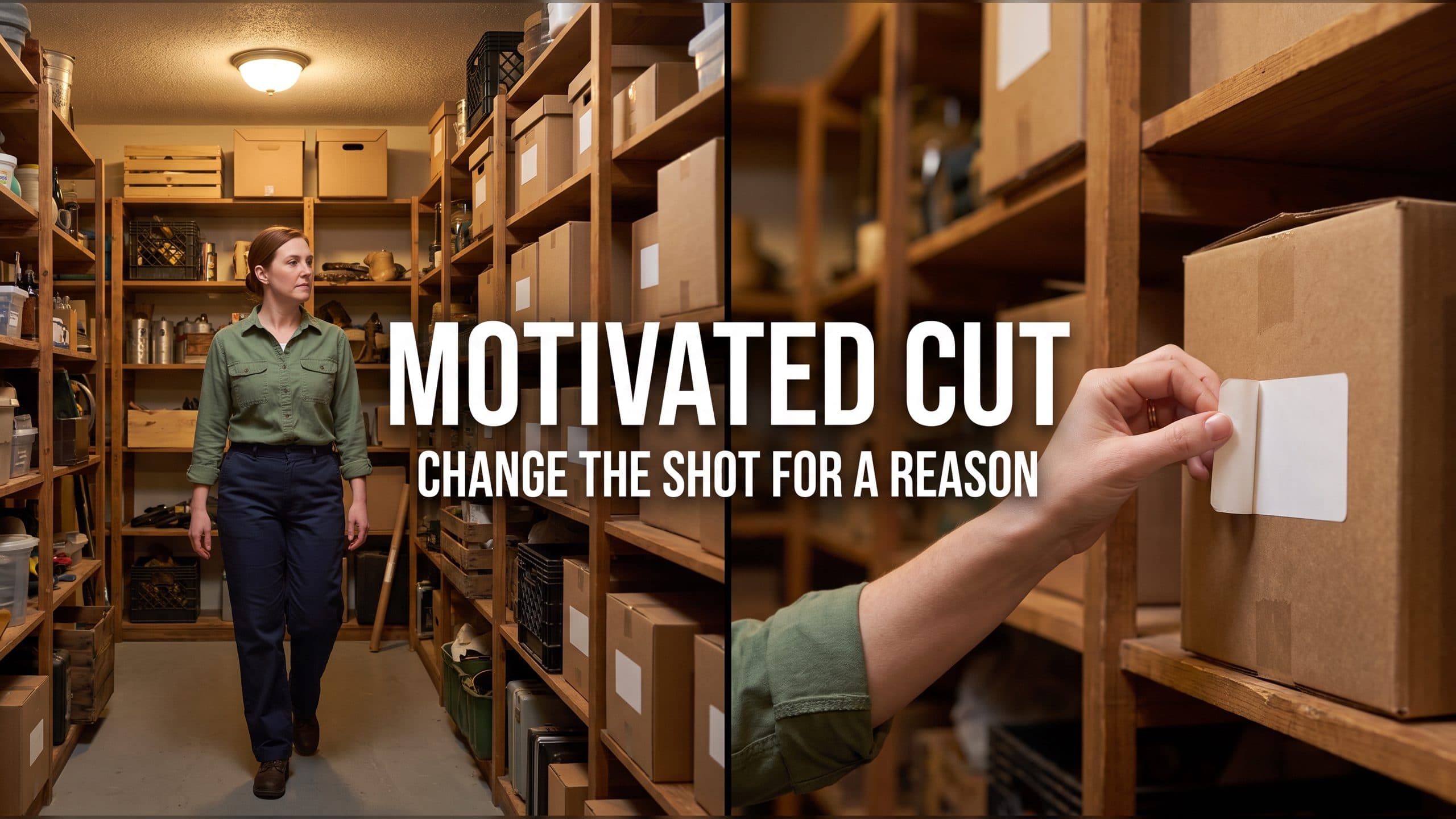
Motivated Cut AI Video Continuity: Change the Shot for a Reason
Learn how a visible action trigger, clear shot-size change, and locked screen direction create more intentional same-scene AI video edits.
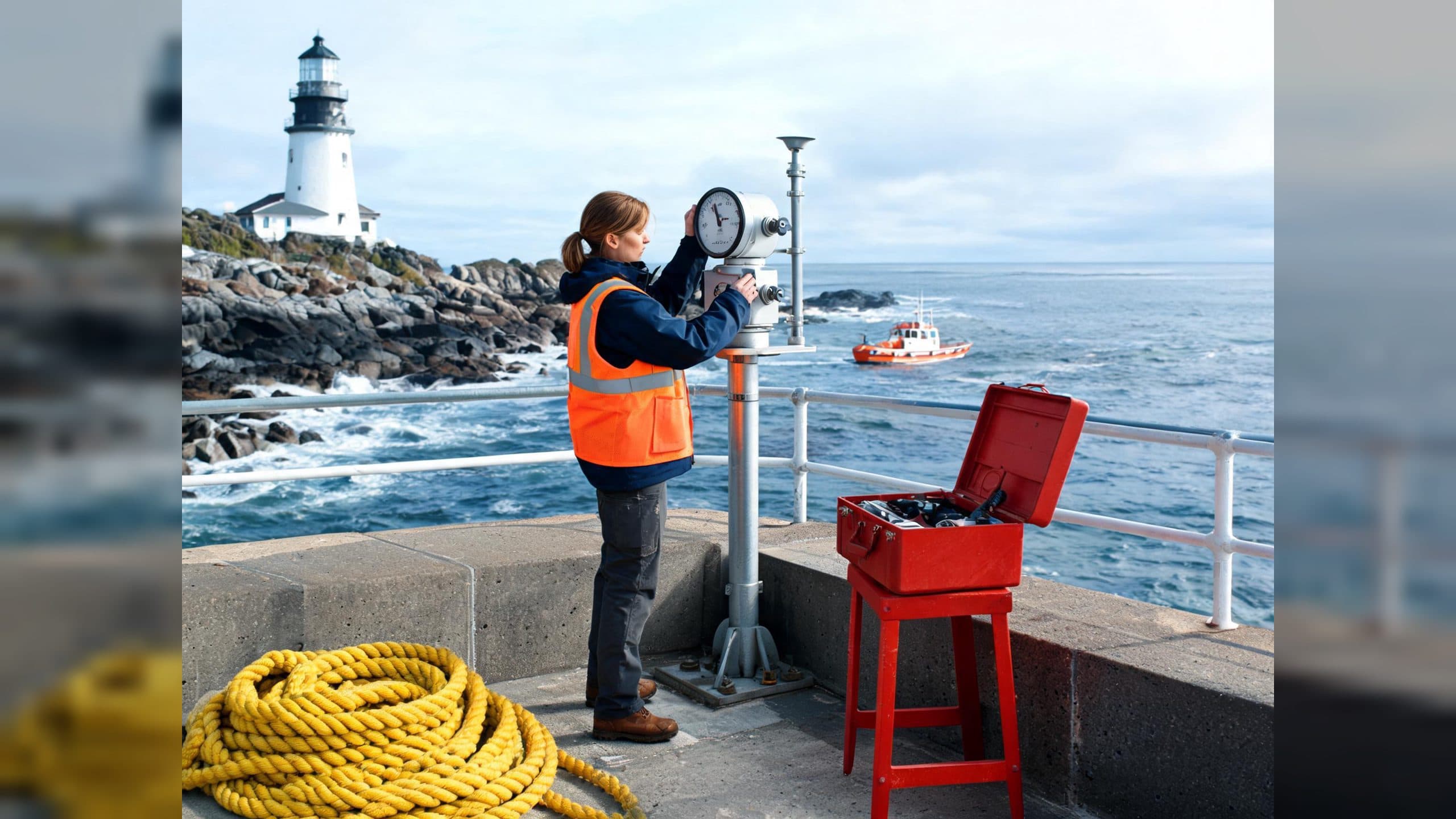
Deep Depth of Field AI Video: Keep Every Story Layer Readable
Learn how deep depth of field AI video prompts keep foreground tools, central action, and distant location cues readable in one layered shot.

Medium Depth of Field AI Video: Balance Subject and Setting
Learn how medium depth of field AI video prompts keep hands and active objects readable while preserving recognizable environmental context.
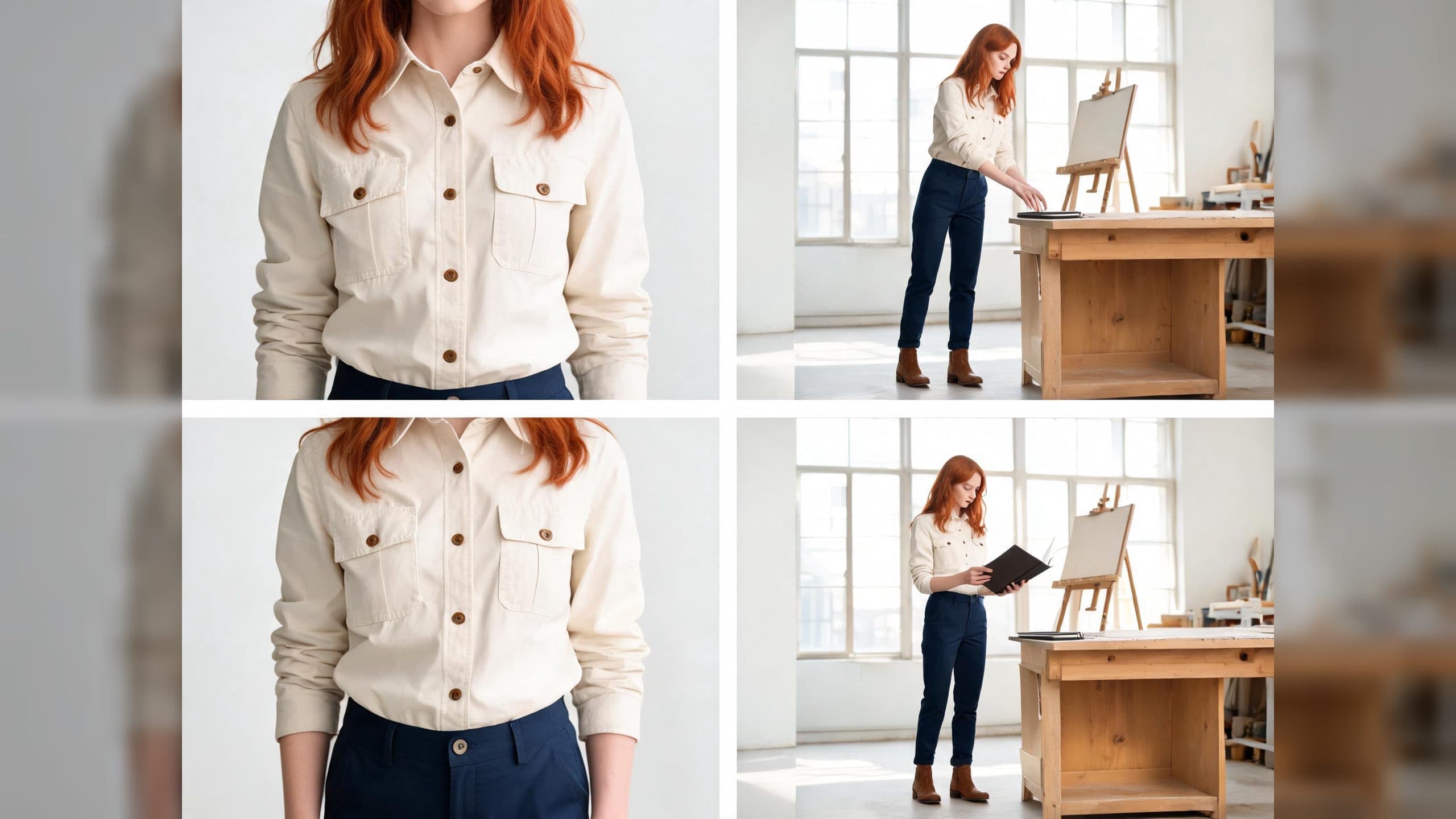
AI Video Character Reference Framing: Match Portraits to Landscape Shots
Prepare vertical character portraits for landscape AI video by matching aspect ratio, body scale, headroom, floor space, and movement room before generation.