

ArtArch 新闻中心
AI Video TechniquesHow to Write AI Video Dialogue Blocking Prompts
Learn how AI video dialogue blocking prompts assign tasks, stagger reactions, preserve screen zones, and motivate character movement in one scene.
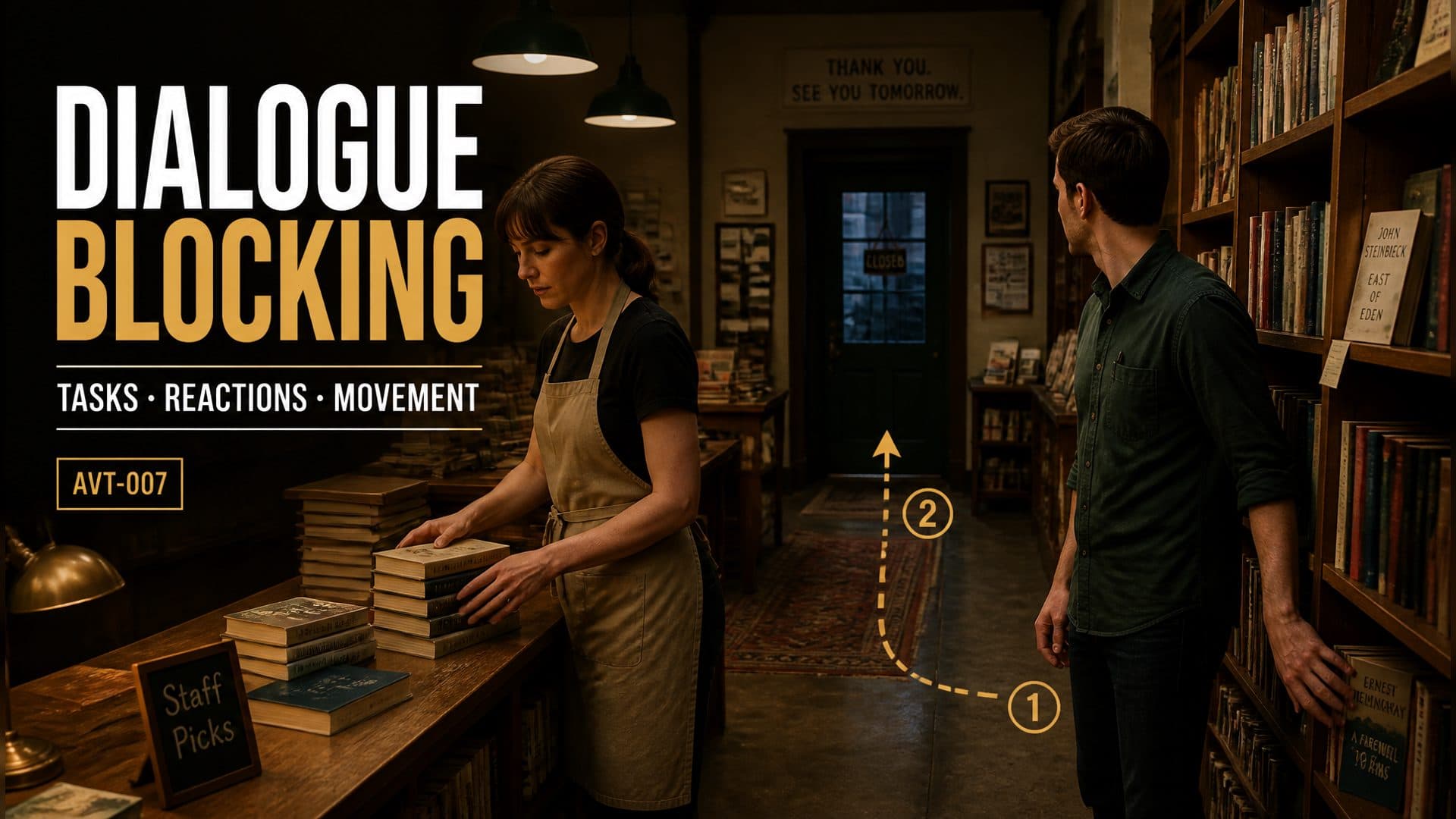
Provide a two-character reference and an empty location reference to create an AI video dialogue scene where each person has a clear task, reactions happen in sequence, and movement is motivated by the story. This AVT-007 experiment places two bookstore employees in a small shop shortly before closing time and builds an eight-second scene around work, an off-screen sound, and a brief check toward the rear door.
The scene feels active because both characters have something to do. It remains readable because their actions differ in intensity, timing, and purpose.
Blocking gives every character a job
Dialogue blocking is the design of where characters stand, what they do, when they look at one another, and why they move. In a short AI-generated scene, clear blocking helps separate two people who share the same space.
The bookstore setup assigns each person an independent task:
- Character A begins at the sorting counter on frame left, slowly stacking books with both hands.
- Character B begins at the tall bookshelf on frame right, pushing one book into place with the right hand.
- Both work mostly in profile and glance toward each other only when responding.
- The center aisle and rear doorway remain open as the route for later movement.
These starting positions establish a stable relationship before the story changes.
The broad two-person prompt
The control version describes general activity:
Two bookstore employees organize items while talking. They move naturally through the shop and look toward each other.
This creates a plausible scene, while leaving both characters free to walk, turn, and gesture at any moment. When two people receive the same broad instruction, they can mirror each other, move simultaneously, or compete for attention.
The motivated blocking prompt
The technique version divides the scene into tasks and reactions:
From 0–3 seconds, Character A continues stacking books at the left sorting counter while Character B performs a low-intensity shelving task on the right. From 3–5 seconds, an off-screen sound comes from the rear doorway. B stops first and turns toward it; A raises her eyes a moment later. From 5–8 seconds, B takes two steps along the right aisle toward the doorway to investigate, while A stays at the counter. The camera widens slightly to restate both positions.
The sequence has a simple dramatic chain:
routine work → off-screen cue → staggered reaction → motivated movement → new spatial arrangement
Each action changes the scene while preserving who occupies each zone.
Use asymmetric tasks
Two characters become easier to read when their tasks have different shapes. Stacking books uses both hands and remains concentrated at the counter. Shelving uses one hand and faces the bookcase. The contrast creates separate silhouettes and keeps the performers from appearing synchronized.
Task intensity also matters. Background activity should stay small enough that the main reaction can take over when the sound occurs. A character who is already walking quickly and gesturing broadly has little room to create a readable change.
Stagger reactions by a beat
An off-screen event gives both characters the same information, but they receive it at different moments. Character B is closer to the rear doorway and reacts first. Character A notices B’s response and looks up afterward.
This short delay creates cause and effect. It also avoids the mechanical feeling of two heads turning at precisely the same time.
A useful reaction order is:
- the closest character pauses the current task;
- that character turns eyes and head toward the source;
- the second character notices the change;
- the second character adds a smaller reaction;
- one character decides to move.
Give movement a reason and a route
Character B walks because he wants to check the sound. The prompt names the destination, path, step count, and the character who remains behind.
B takes two controlled steps along the right aisle toward the rear doorway. A stays at the left counter.
This protects the store layout and preserves the relationship between the characters. The aisle functions as a designed movement channel, while the counter anchors Character A.
The slight camera widening at the end serves the new blocking. It shows that B has moved deeper into the shop and A remains in the foreground zone.
A reusable two-character blocking template
[Duration] continuous two-character scene in [location].

Starting positions:
Character A begins at [left/right landmark] performing [specific low-intensity task].
Character B begins at [opposite landmark] performing [different specific task].
Keep a clear relationship line and preserve the open route through [aisle or doorway].

[Opening time]:
Both continue their separate tasks. Use restrained motion and brief motivated glances.

[Reaction time]:
[Cue] occurs at [off-screen location]. Character [A/B] stops first and looks toward it. Character [other] reacts a beat later.

[Movement time]:
Character [A/B] moves [step count and route] toward [destination] for [story reason]. Character [other] remains at [anchor]. Widen the camera slightly to show the updated positions.

Keep furniture solid, routes clear, actions staggered, and each character’s screen zone readable.
Where dialogue blocking helps
A short-film creator can stage coworkers closing a shop, detectives searching a room, or family members preparing dinner while a conversation unfolds. A product team can give one performer the demonstration and another the reaction. An educational creator can separate teacher and learner tasks before a question shifts attention. A social storyteller can use an off-screen sound to create a complete dramatic beat inside one shot.
Choose a character reference with distinct silhouettes and clothing. Use an empty scene reference with visible landmarks and a clear walking route so positions can be described precisely.
Frequently asked questions
Should both characters move throughout the scene?
Assign each person a stable task first. Introduce larger movement only when the story provides a clear reason.
How can two reactions feel natural?
Let the closest or most alert character react first, then give the second character a smaller response after a brief delay.
What makes a movement route reliable?
Name the starting landmark, destination, side of the room, step count, and the character who remains anchored.
When should the camera widen?
Widen after blocking changes so the audience can see the new distance and relationship between the characters.
Click the template card on this page, enter the experience page, and try the AI video dialogue blocking prompt workflow with your own two-character scene.
继续探索
更多 AI Video Techniques 内容
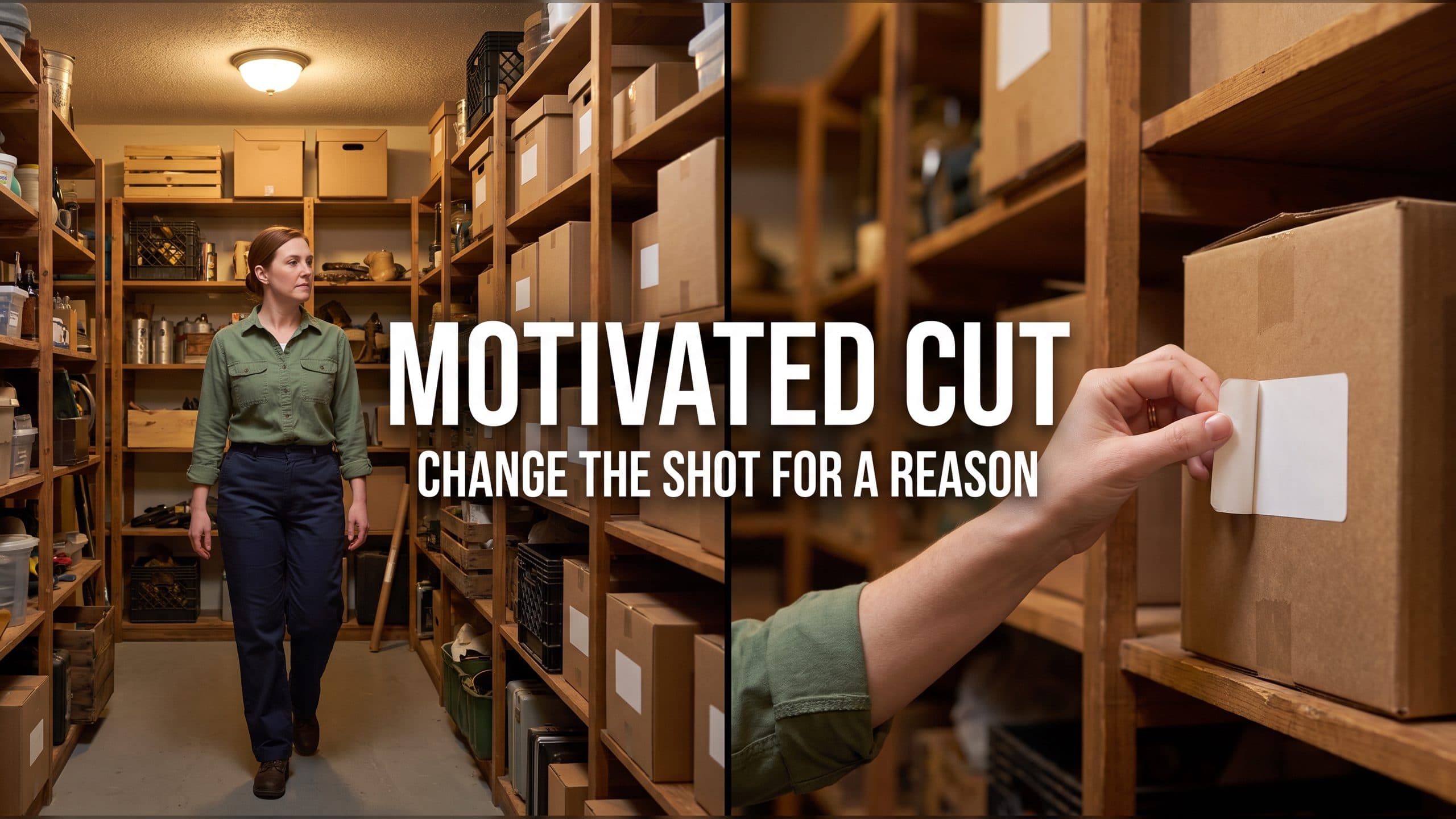
Motivated Cut AI Video Continuity: Change the Shot for a Reason
Learn how a visible action trigger, clear shot-size change, and locked screen direction create more intentional same-scene AI video edits.
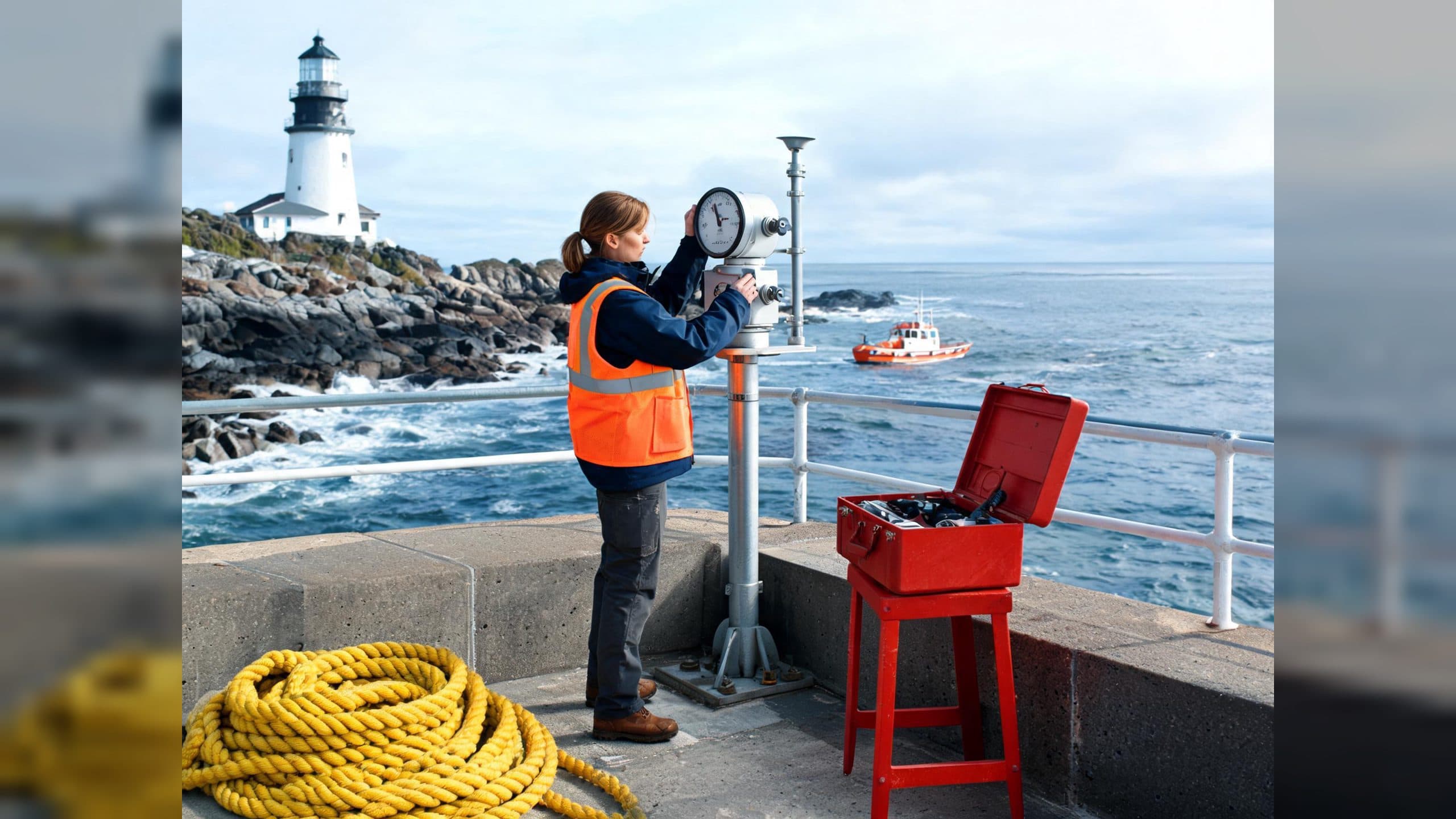
Deep Depth of Field AI Video: Keep Every Story Layer Readable
Learn how deep depth of field AI video prompts keep foreground tools, central action, and distant location cues readable in one layered shot.
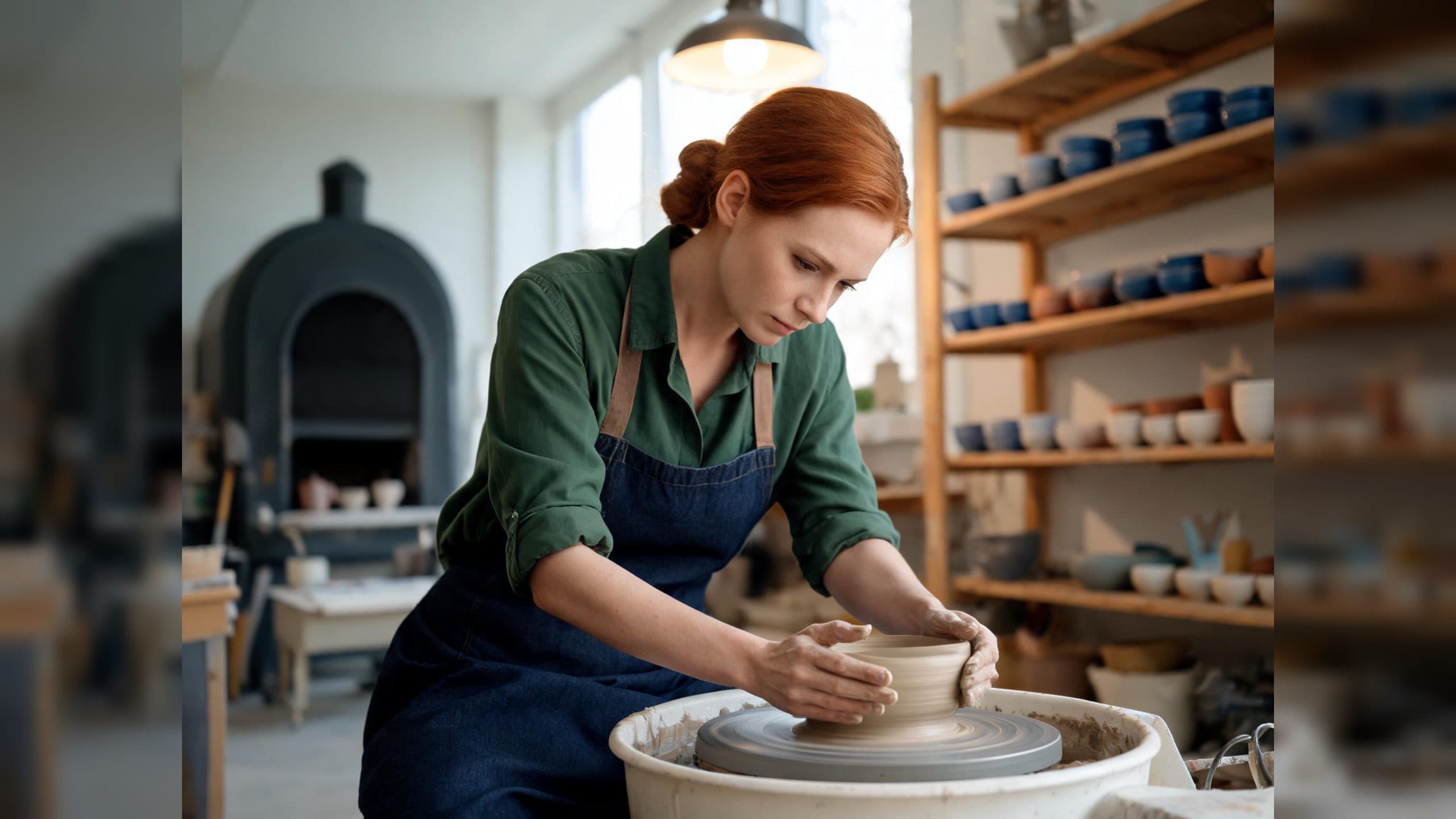
Medium Depth of Field AI Video: Balance Subject and Setting
Learn how medium depth of field AI video prompts keep hands and active objects readable while preserving recognizable environmental context.
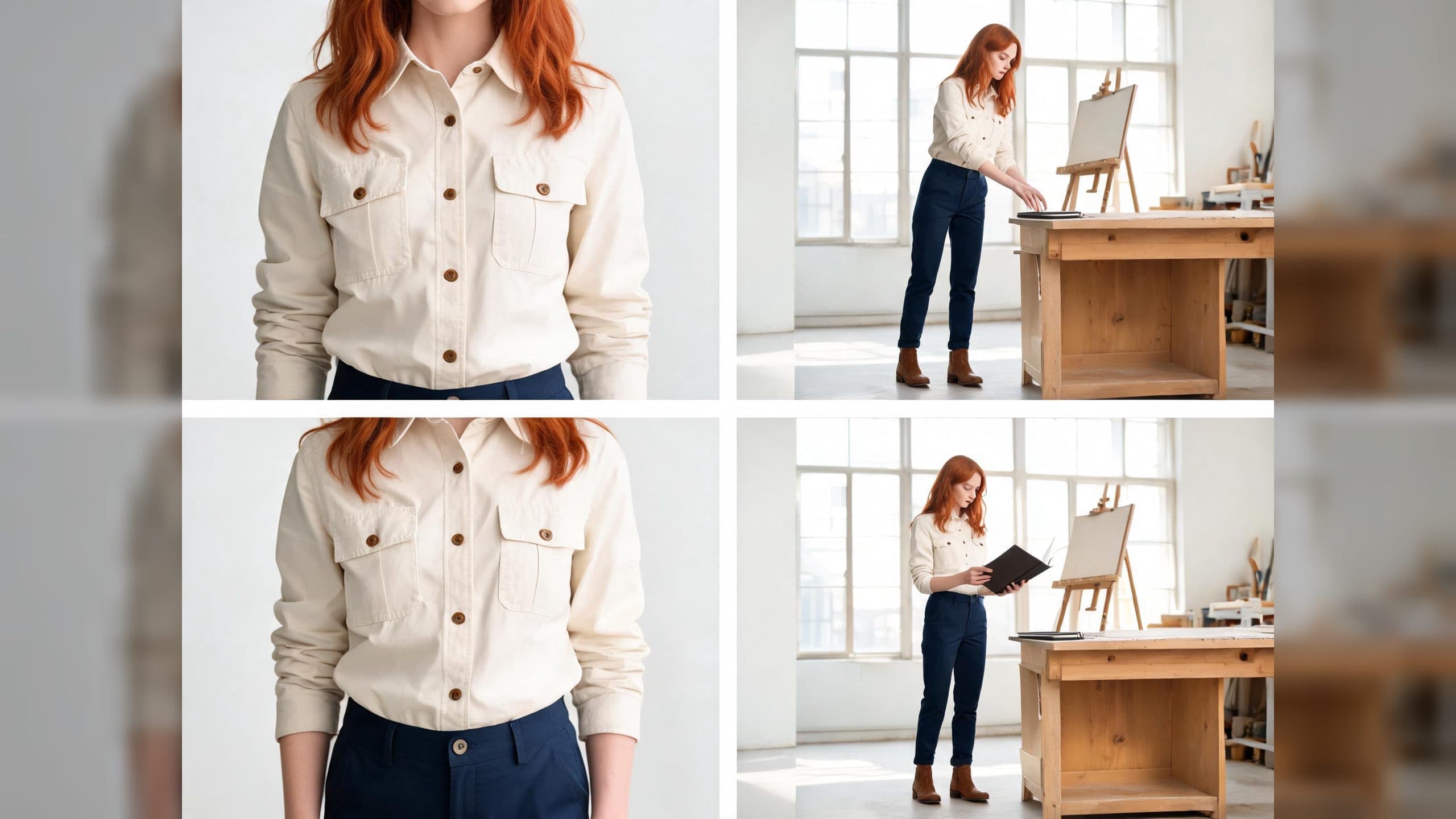
AI Video Character Reference Framing: Match Portraits to Landscape Shots
Prepare vertical character portraits for landscape AI video by matching aspect ratio, body scale, headroom, floor space, and movement room before generation.