

ArtArch Newsroom
AI Video TechniquesShallow Depth of Field AI Video: Keep One Subject in Focus
Use shallow depth of field in AI video to isolate one focal subject, soften surrounding layers, and review focus consistency across the shot.
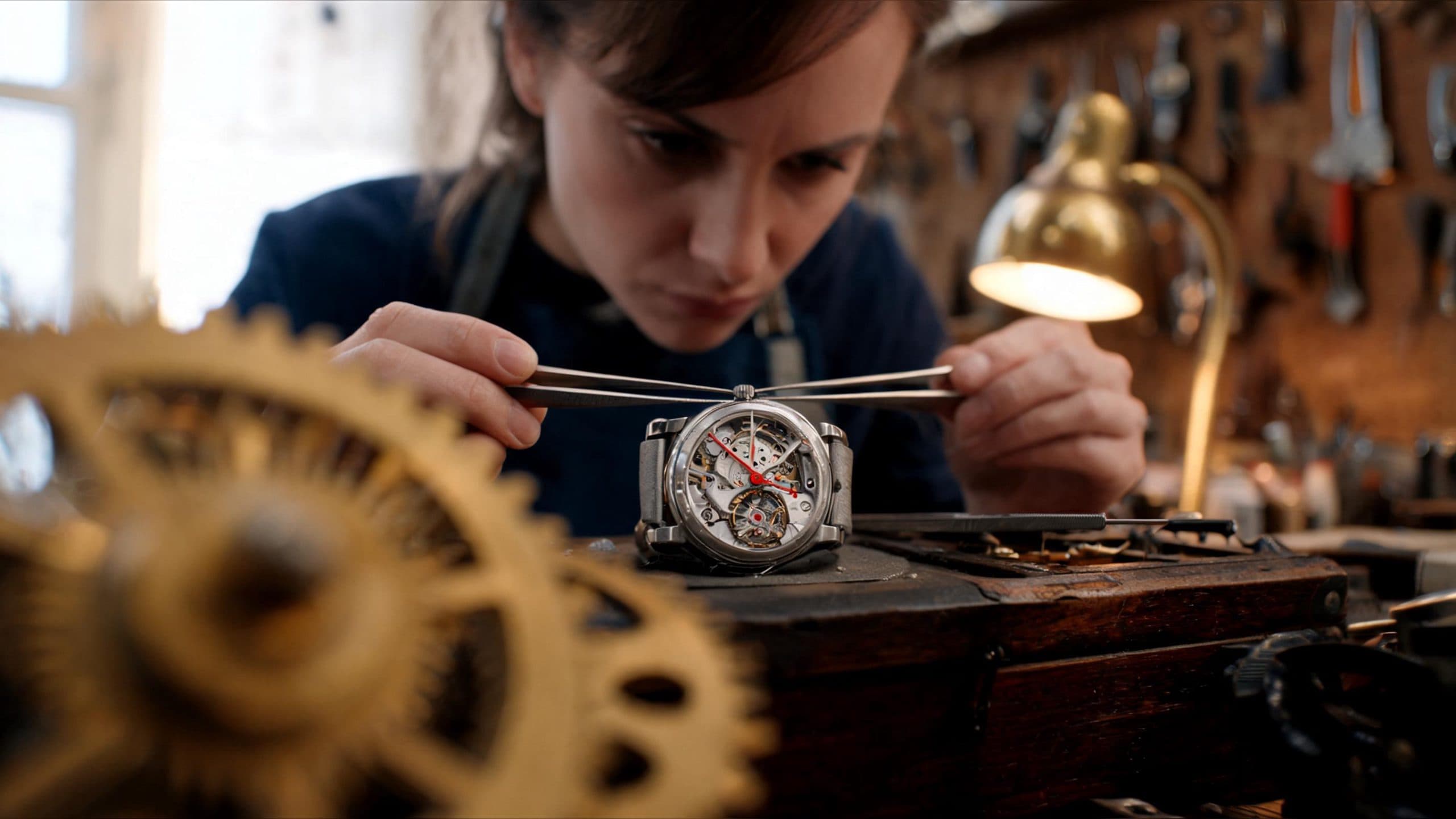
Shallow depth of field AI video direction helps define the one subject viewers should notice first. Provide a clear reference image, name the exact focus target, and describe which foreground and background elements may become soft. A watch-repair close-up, for example, can hold attention on a red second hand and the tips of steel tweezers while brass gears and a detailed tool wall recede behind the action.
The most useful instruction is specific. “Cinematic depth of field” leaves several decisions open. “Keep the red second hand and tweezer contact point sharp while the foreground gear and background tool wall remain softly blurred” gives the shot a visible priority that can be checked from beginning to end.
Choose one focus target
A shallow-focus shot works best when one object, face, hand movement, or product detail owns the viewer’s attention. The target should be small enough to identify precisely and important enough to carry the moment.
Useful targets include:
- a character’s eyes during a reaction;
- fingertips fastening a piece of jewelry;
- a product label during a demonstration;
- a paintbrush touching the canvas;
- a watch hand meeting a pair of tweezers.
Name the target by both object and location. “Focus on the watch” covers the dial, case, strap, hands, and reflections. “Focus on the red second hand and the point where the tweezers touch it” defines a narrower plane and a clearer review standard.
Separate the focus plane from the surrounding layers
Describe the image as three depth layers. The foreground can contain a partial prop that establishes scale. The focus plane contains the decisive subject or action. The background provides location and atmosphere.
For a watchmaker scene, the direction can read:
Create one continuous chest-up shot of the watchmaker making a tiny adjustment to the red second hand.

The only sharp focus plane stays on the red second hand and the contact point of the tweezer tips. Keep the large brass gear in the foreground and the workshop tool wall in the background softly blurred throughout. Use one restrained slow push-in with no focus hunting or rack focus.
This tells the shot what must remain readable and what may lose detail. The environment still contributes shape, color, and light without competing with the action.
What the comparison showed
In one six-second Seedance 2.0 comparison, both videos used the same watchmaker reference, workshop, action, eye-level chest-up composition, slow push-in, lighting, model, duration, aspect ratio, and resolution. The control described the action without a depth-of-field instruction. The technique version added one sharp focus plane on the red second hand and tweezer contact point, plus soft foreground and background.
The control already created a strong focus hierarchy. The wristwatch, red hand, and tweezers stayed readable while the tool wall became softer as the camera moved closer. The technique version showed slightly stronger watch separation and background blur near the ending, but the beginning and middle remained close to the control.
Keep exploring
More in AI Video Techniques
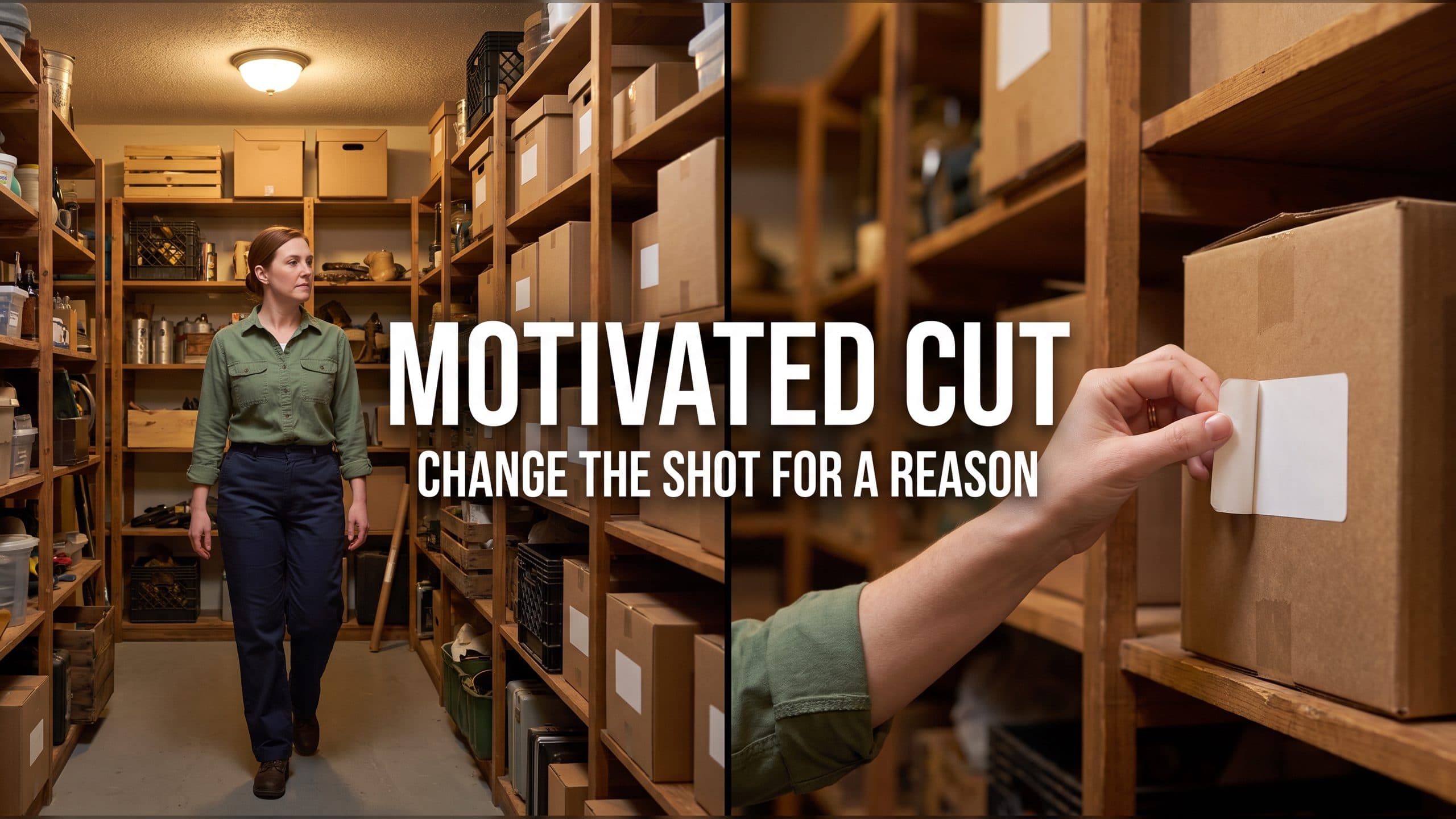
Motivated Cut AI Video Continuity: Change the Shot for a Reason
Learn how a visible action trigger, clear shot-size change, and locked screen direction create more intentional same-scene AI video edits.
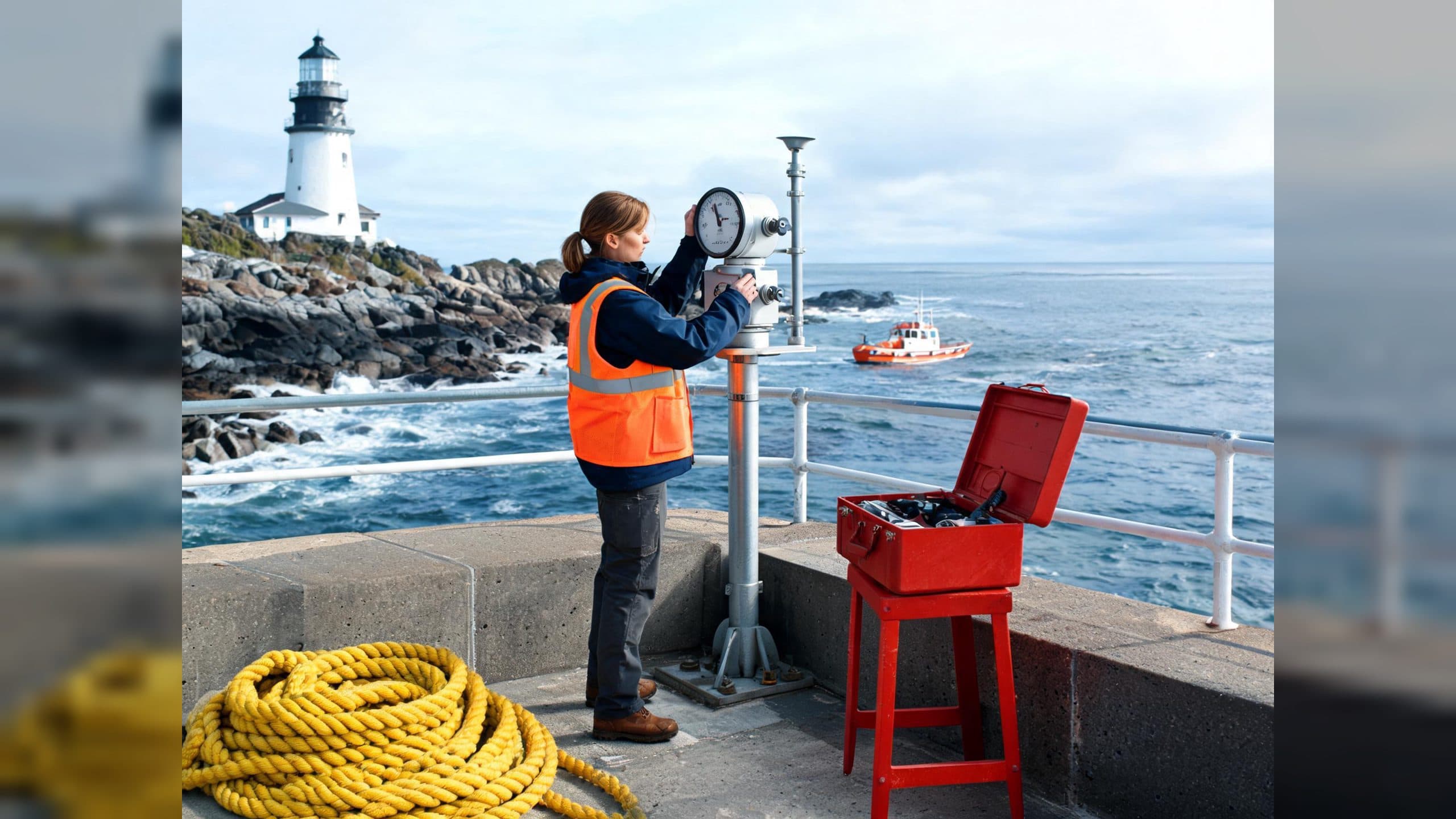
Deep Depth of Field AI Video: Keep Every Story Layer Readable
Learn how deep depth of field AI video prompts keep foreground tools, central action, and distant location cues readable in one layered shot.

Medium Depth of Field AI Video: Balance Subject and Setting
Learn how medium depth of field AI video prompts keep hands and active objects readable while preserving recognizable environmental context.
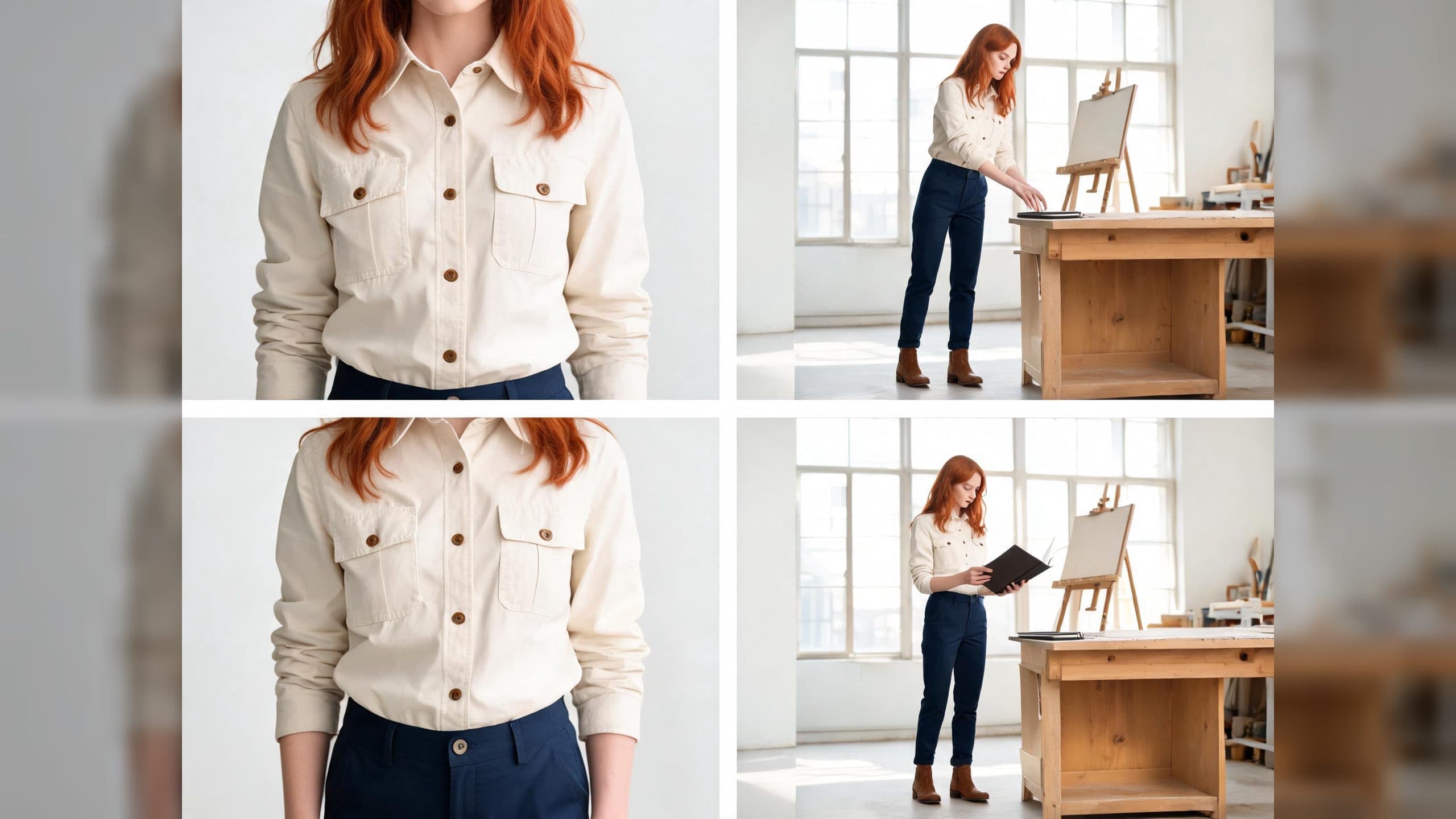
AI Video Character Reference Framing: Match Portraits to Landscape Shots
Prepare vertical character portraits for landscape AI video by matching aspect ratio, body scale, headroom, floor space, and movement room before generation.