

ArtArch Newsroom
Producer's NoteLocked Penthouse Murder Mystery Game: Question Three Suspects
Play a locked penthouse murder mystery game by examining three alibis, reading interrogation behavior, making decisions, and identifying the killer.
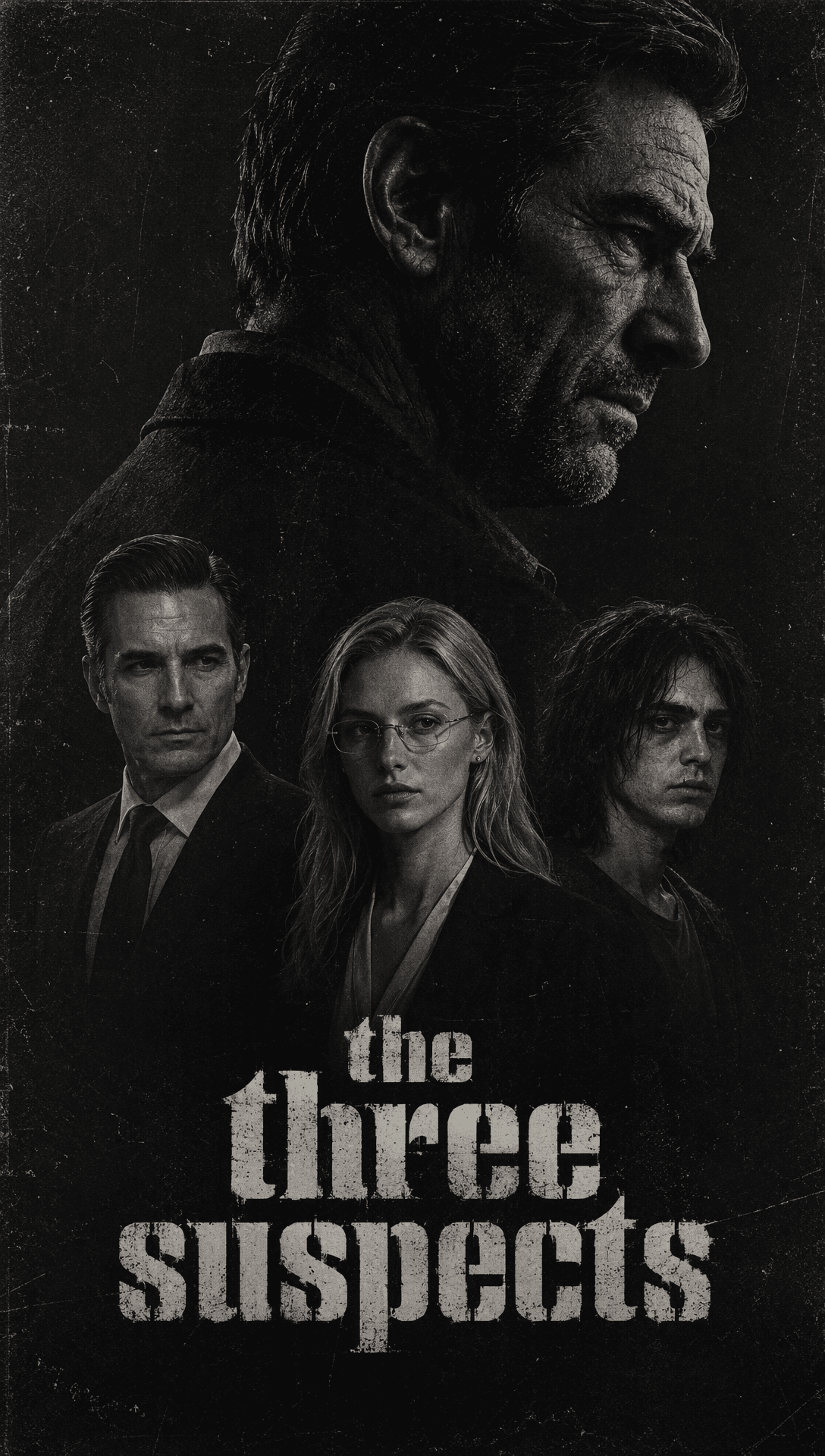
Enter a locked penthouse murder mystery game where a painter is found dead and three suspects offer conflicting alibis. You examine interrogation footage, read expressions and physical tells, and make decisions that lead toward different outcomes.
The room is locked, but the stories do not match
The case begins with a hardboiled crime premise: a dead painter, a penthouse that appears sealed, and three conflicting accounts. Progress comes from watching, comparing, and choosing. A small reaction during questioning can matter as much as a spoken claim.
That makes the experience useful for players who enjoy deduction built around people and their behavior. It also fits a group mystery night, where friends can pause after an interrogation and argue over the most suspicious detail. Crime writers can use the branching setup as a compact study in how one decision changes the direction of an investigation.
Watch the suspect, then test the alibi
Each interrogation adds evidence through words and behavior. Look for a mismatch between an answer and the face delivering it. Pay attention to micro-expressions, changes in posture, and physical reactions around specific facts. Then compare those observations with the other suspects' timelines.
The branching decisions give those observations weight. A choice can open a different line of inquiry or carry the case toward another ending. Careful attention is the route to exposing the killer and closing the case.
Work the case in three steps
- Enter the experience and review the locked-penthouse crime.
- Examine all three interrogations, noting alibi conflicts and visible tells.
- Make the critical decisions and follow the resulting branch to its outcome.
The game works best when you resist the first neat explanation. One suspect may sound composed while showing a physical response; another may tell a plausible story that collides with someone else's account. The useful evidence sits in those joins.
For a solo player, the appeal is close observation. For a group, it is the debate before each choice. For a thriller fan, it is the American hardboiled tone wrapped around a compact, branching case.
Frequently asked questions
What is the central mystery?
A painter has been found dead inside a locked penthouse, and three suspects give conflicting alibis.
How do I investigate the suspects?
Review their interrogation footage and compare their statements with micro-expressions, posture, and other physical tells.
Do decisions affect the case?
Yes. Critical decisions branch toward different outcomes.
What should I track while playing?
Track contradictions between the three alibis and changes in behavior when a suspect faces a specific detail.
Click the template card on this page, enter the experience page, and try the template.
Keep creating
Explore the idea, then make it yours.
Discover more creative workflows in Spotlight, or open ArtArch Studio to start creating now.
Keep exploring
More in Producer's Note
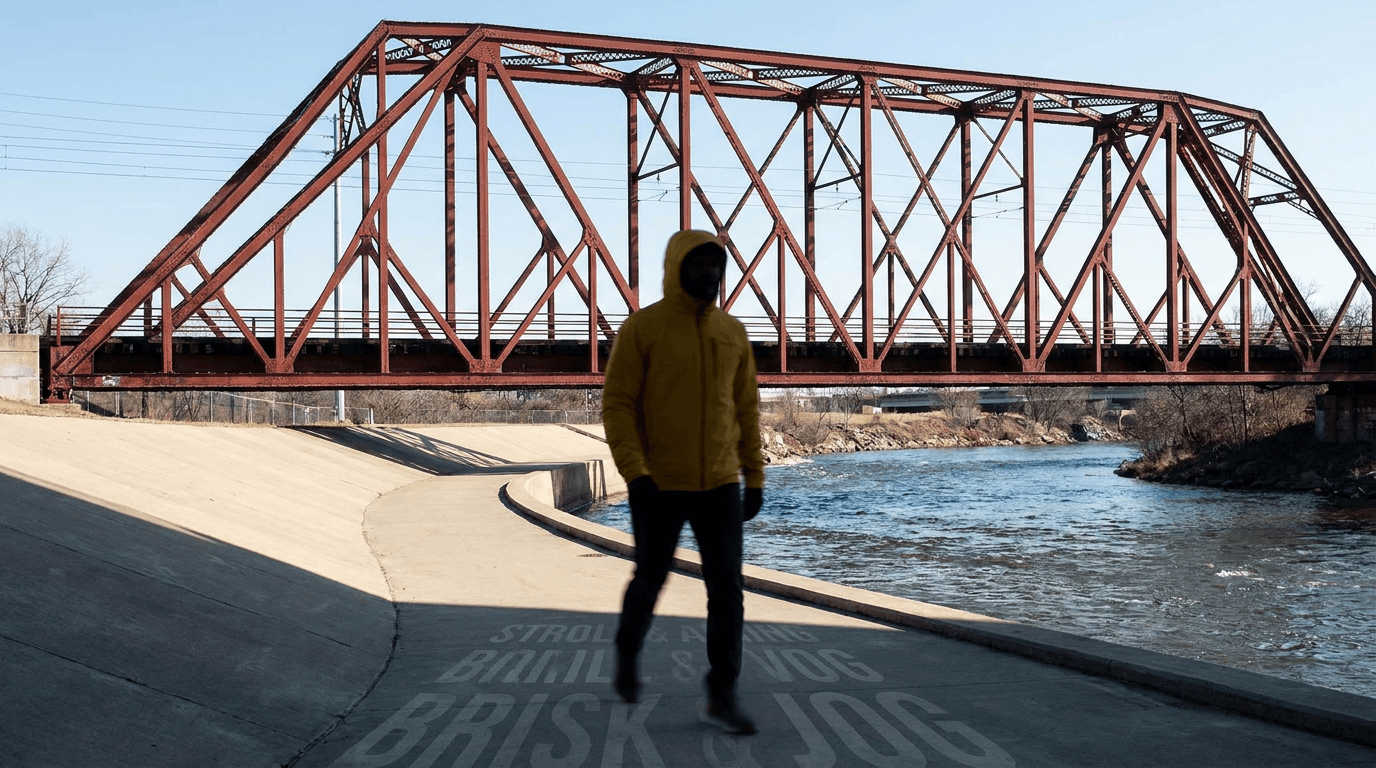
AI Video Action Verb Motion Control for Walking Speed
Learn how action verbs such as fast-walks and briskly strides shape walking speed and stride length in an AI video scene.

Remove Pseudo Quality Words from AI Image Prompts
Replace generic 4K and 8K slogans with concrete material, lighting, and texture constraints when you want a cleaner AI image prompt.
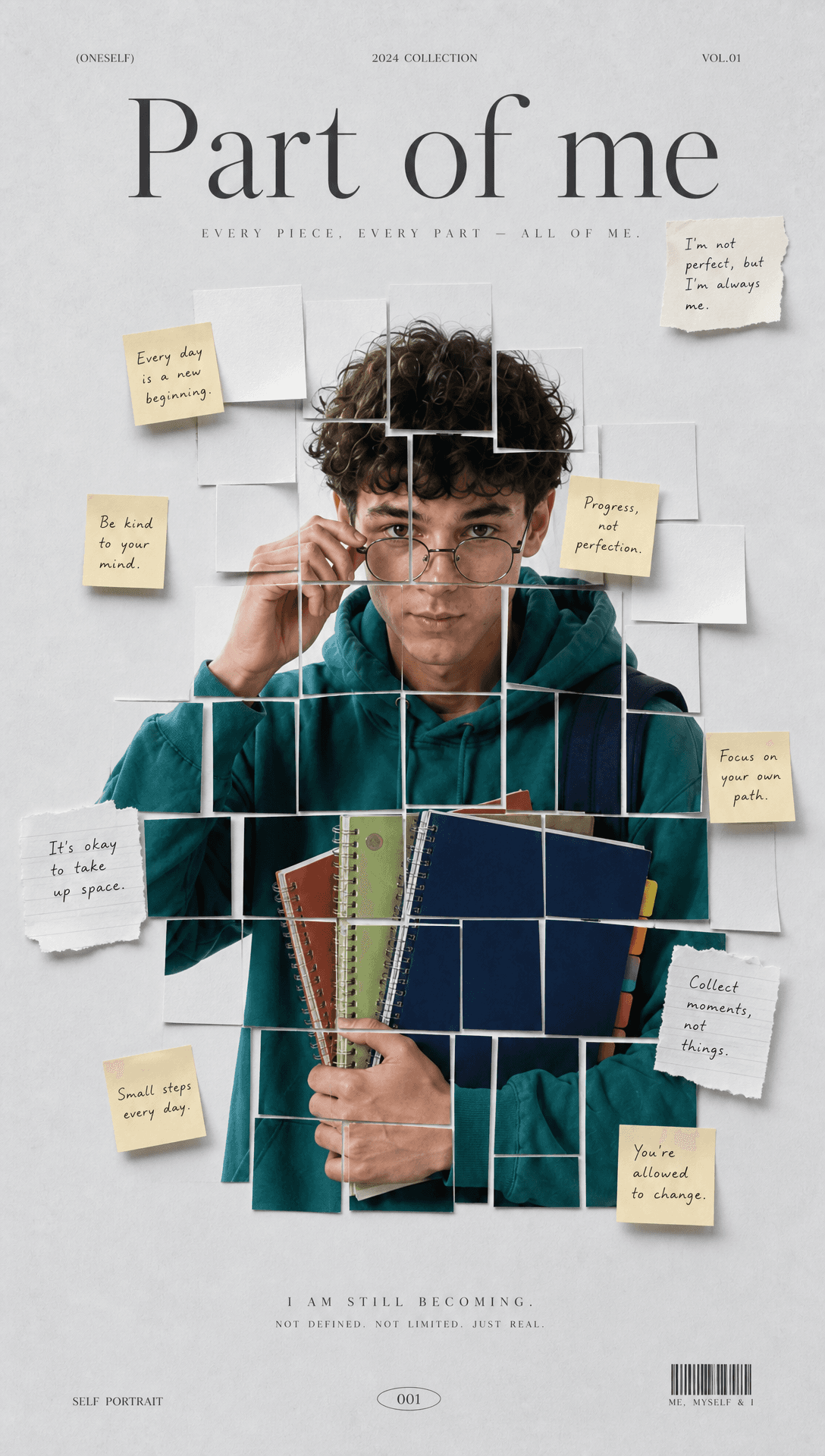
Sticky Note Portrait Collage from Photo: Make a Personal Visual Story
Upload one portrait to create a sticky note portrait collage from photo with layered fragments, handwritten notes, paper shadows, and magazine styling.

Family Trauma Short Film: After the Silence
Watch a family trauma short film told through Lydia's childhood drawings, fractured memories, her mother's courage, and the silence a child remembers.