

ArtArch Newsroom
Producer's NoteFamily Trauma Short Film: After the Silence
Watch a family trauma short film told through Lydia's childhood drawings, fractured memories, her mother's courage, and the silence a child remembers.
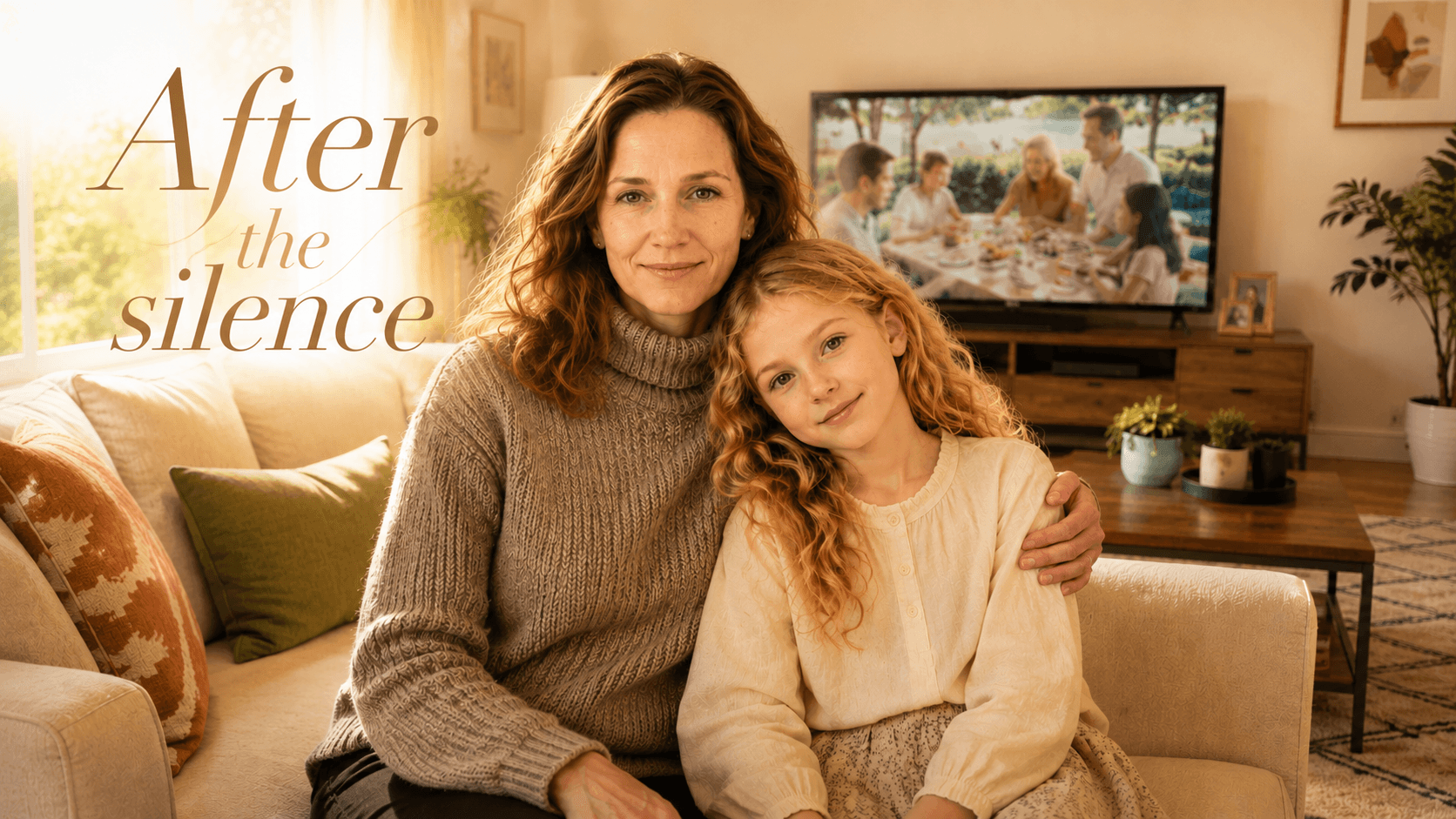
Watch a family trauma short film that follows Lydia through childhood memories of domestic violence, her drawings, and the moment her mother finds the courage to break the cycle of fear. The fixed story moves between a tense home, Lydia's bedroom, school, and later reflection.
A child's view of the conflict
The opening stays inside a dim family living room. David's anger turns physical as glass breaks and Anna retreats. The camera then leaves the confrontation and finds Lydia alone in her bedroom, covering her ears while distant voices carry through the house.
Her response is small and specific. Puzzle pieces fall to the floor. She opens a picture book, presses black crayon across the family drawings, and writes a line meant to keep everyone from being hurt. When Anna enters and sits beside her, Lydia reaches for her hand. Their touch closes the sequence more quietly than the conflict began.
Memory follows Lydia outside the house
At school, a family drawing exercise exposes Lydia's uncertainty. Other children begin drawing while her page remains blank. Her answer to the teacher connects an ordinary classroom moment to the fear waiting at home.
The story also returns to Anna and Lydia beyond the front door. A school-gate encounter and later scenes show how fear follows them through familiar places. Lydia's drawings and flashbacks carry those memories forward, giving the adult character a visual route back to what happened.
Follow the story in three steps
- Open the template and enter the fixed narrative experience.
- Watch how the living-room conflict shifts into Lydia's drawings, classroom silence, and later memories.
- Follow Anna's decision and the final change in the family's direction.
This piece fits a dramatic short-film screening, a discussion about how children absorb conflict, or a visual storytelling study built around memory. Writers can examine how one object, the drawing book, connects several periods of Lydia's life. Directors can study the contrast between the warm, enclosed living room and the cold blue quiet of her bedroom. Educators and facilitators can use the story as a starting point for a carefully moderated conversation about silence, fear, and a protective parent's decision to act.
What shapes the film
Muted color and restrained sound keep the attention on behavior. Glass, footsteps, crayon against paper, a turning page, and a child's breathing replace a continuous musical score. Close views hold on hands, drawings, and faces; wider frames establish the rooms and the distance between family members.
The result is a fixed narrative, with Lydia at its center. Repeated images carry her memories: the blank page, the black crayon, Anna's injuries, and the child's hand reaching for her mother's.
Frequently asked questions
What is After the Silence about?
It follows Lydia as childhood memories of her father's domestic violence return through drawings and flashbacks, and as her mother acts to break the cycle of fear.
Do I upload a character or write the story?
The experience presents a fixed story with established characters, locations, dialogue, and visual sequences.
Whose perspective guides the film?
Lydia's childhood experience and later memory give the story its emotional point of view.
What visual motif connects the scenes?
Lydia's drawings and picture book connect the family conflict, her bedroom response, the classroom scene, and her lasting memories.
Click the template card on this page, enter the experience page, and try the template.
Keep creating
Explore the idea, then make it yours.
Discover more creative workflows in Spotlight, or open ArtArch Studio to start creating now.
Keep exploring
More in Producer's Note
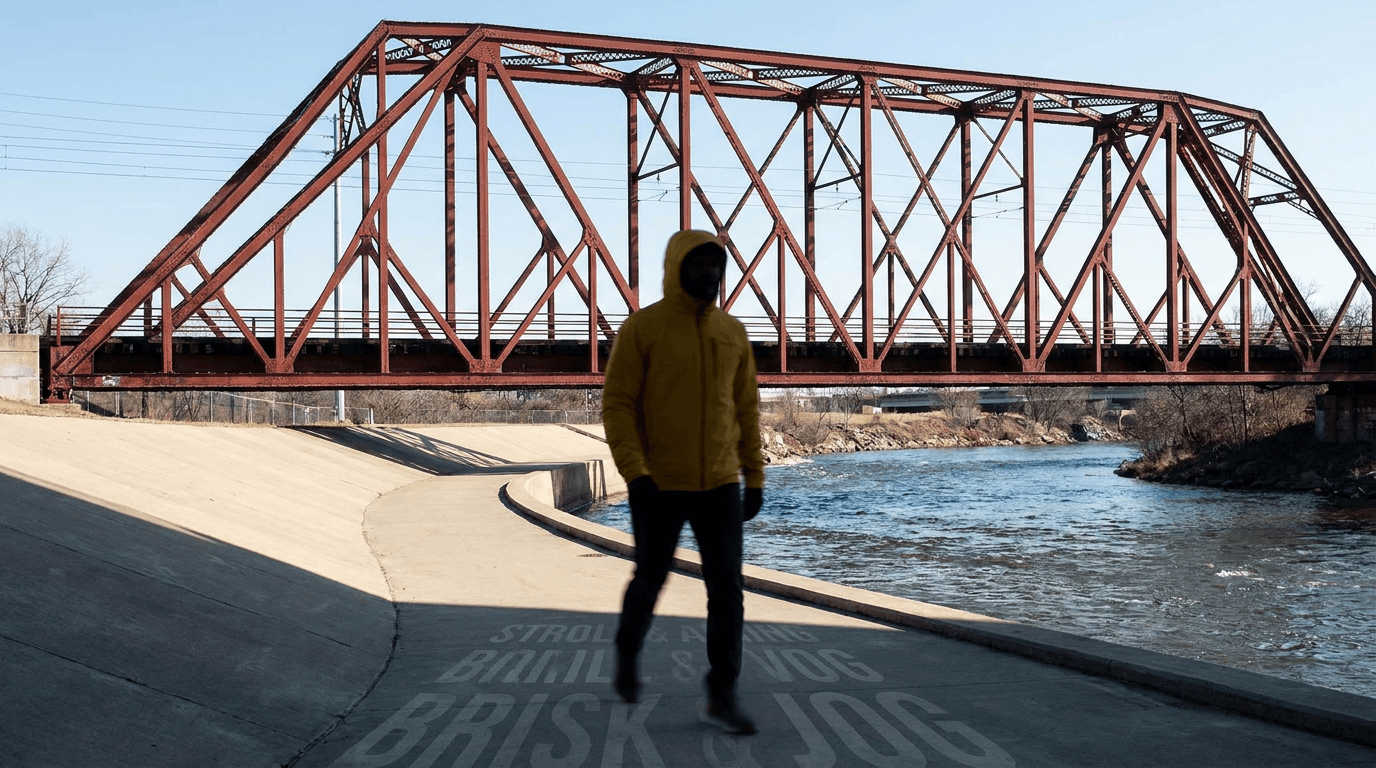
AI Video Action Verb Motion Control for Walking Speed
Learn how action verbs such as fast-walks and briskly strides shape walking speed and stride length in an AI video scene.

Remove Pseudo Quality Words from AI Image Prompts
Replace generic 4K and 8K slogans with concrete material, lighting, and texture constraints when you want a cleaner AI image prompt.
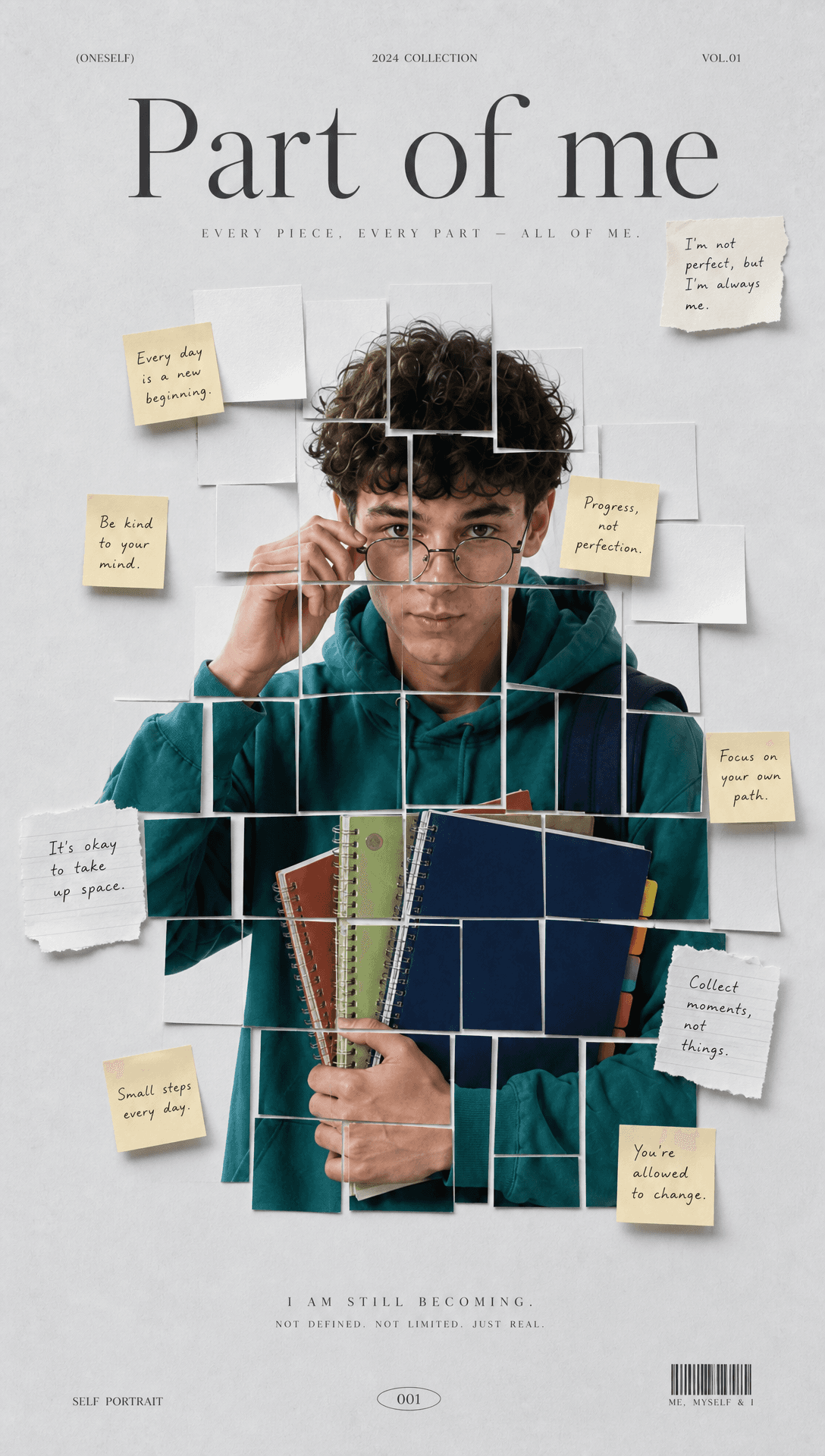
Sticky Note Portrait Collage from Photo: Make a Personal Visual Story
Upload one portrait to create a sticky note portrait collage from photo with layered fragments, handwritten notes, paper shadows, and magazine styling.
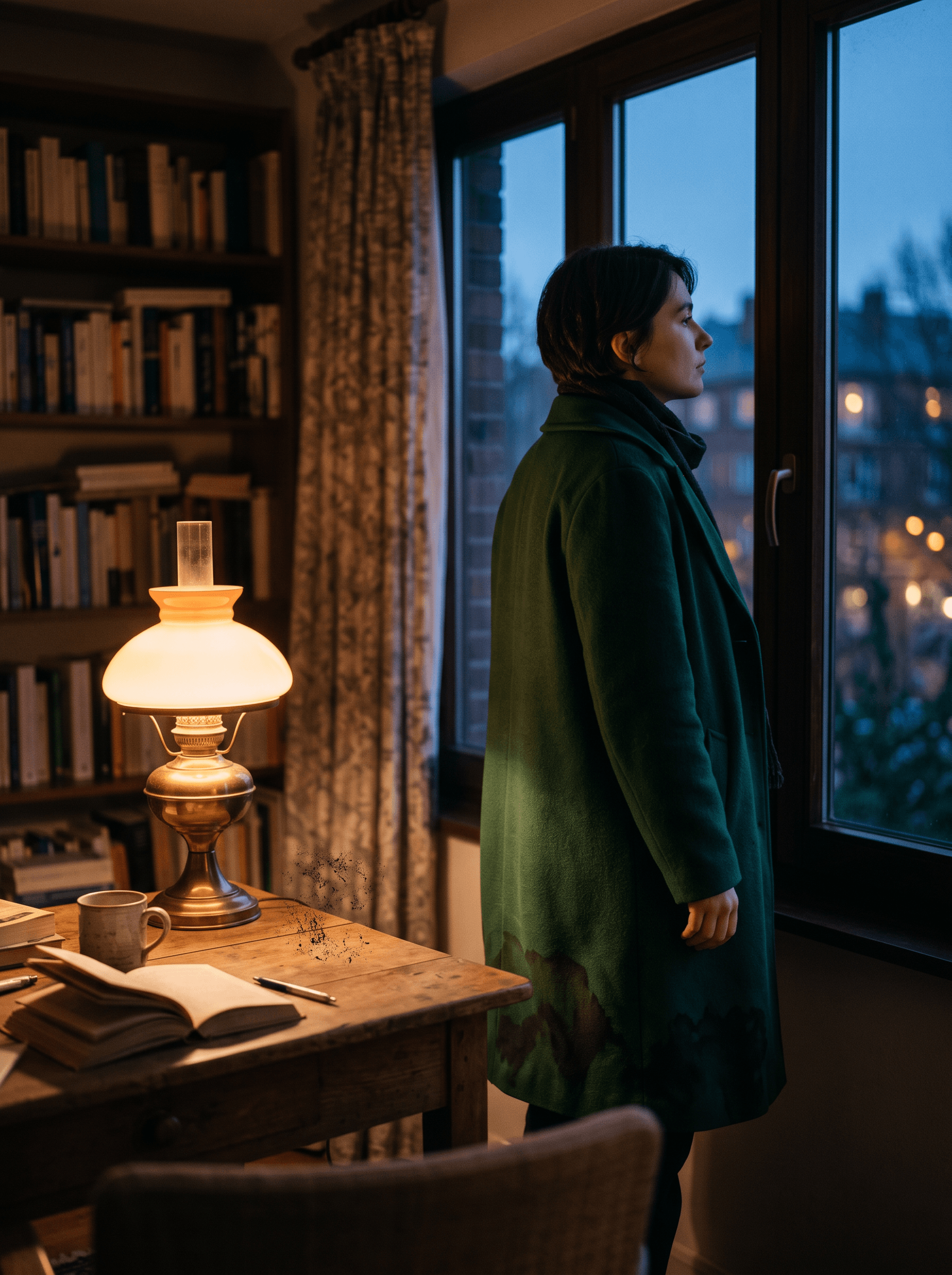
Structure-Preserving Dirty-Point Repair for AI Images
Clean localized stains and smeared textures in an AI image while keeping the subject, framing, depth layers, and lighting relationship visually stable.