

ArtArch Newsroom
Producer's NoteInertial Follow-Through Action Ending AI Video Prompt
Structure an AI action ending with one short inertial follow-through, settling clothing, and a stable final pose that is easy to inspect.
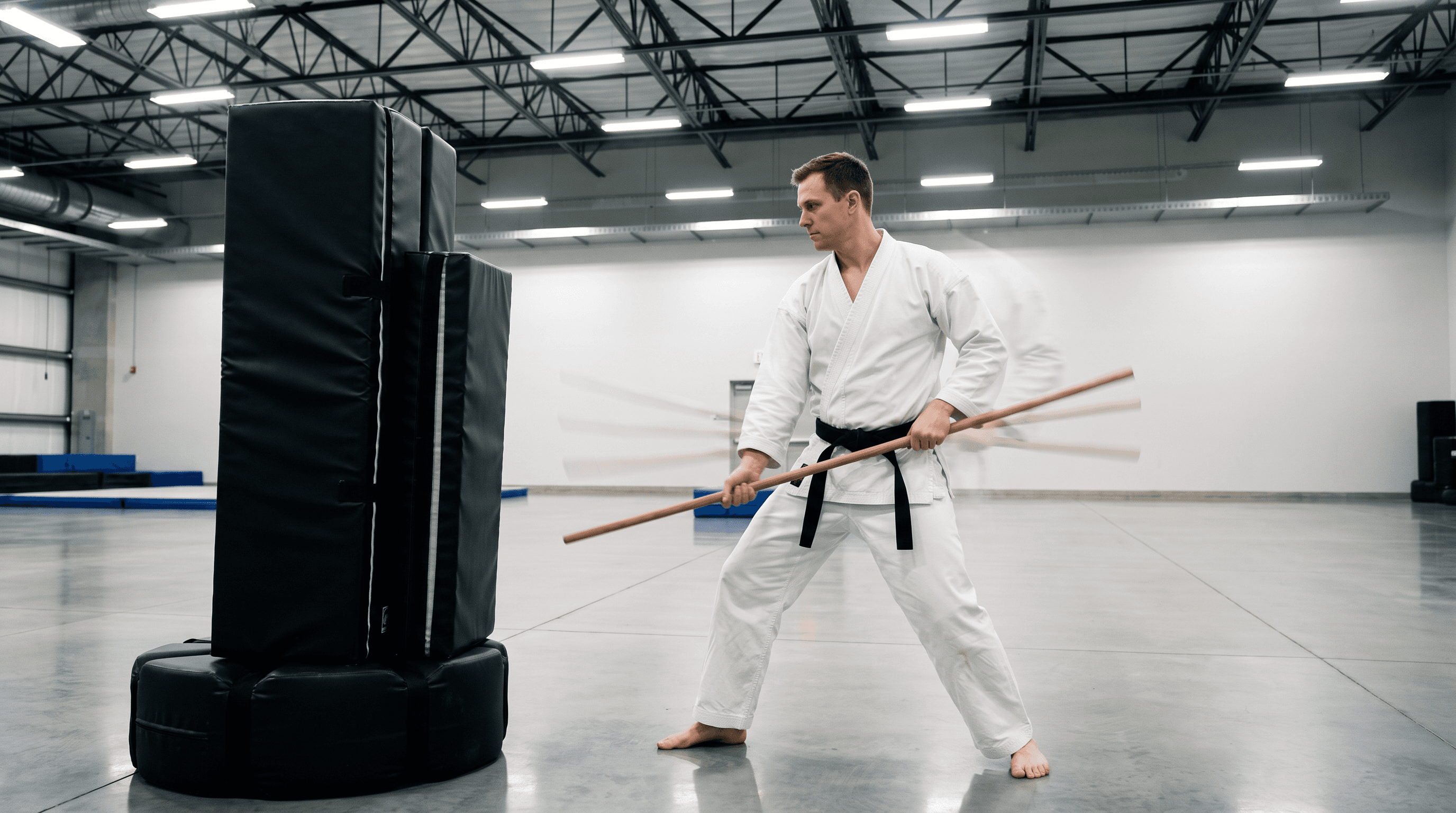
Provide a character, a clear action setup, and a defined environment to create a high-intensity AI video that ends with one short inertial follow-through and a stable final pose. An inertial follow-through action ending AI video prompt keeps the last beat readable: the main action finishes, the body continues once in the same direction, clothing settles, and the character lands on a pose that can lead into an edit.
Write the ending as three beats
The cleanest structure is a completed action, one after-effect, and a held position. For a staff strike, the prompt can name the contact or sweep, let the torso travel forward once, then place both feet and the gaze in a deliberate final position. This gives the generator a direction for the transition between effort and stillness.
Keep the after-effect short. One forward drift, one sleeve or belt recovery, and one visible breath are easier to read than several new gestures. The final pose should state where the hands, feet, shoulders, and eyes settle so the ending has a usable visual anchor.
Keep the reference roles separate
Use a composition reference for the camera angle and relative placement. Use a character reference for identity, hair, wardrobe, and body proportions. Use an environment reference for the room, target object, materials, and lighting. State these roles in the prompt so the action ending changes the performance while the visual world remains stable.
A practical validation order
Review the main action before judging the after-effect. In a controlled Seedance 2.0 reference-video test, shared composition, character, and environment references kept the performer and warehouse training hall visually aligned. The A and B clips, however, remained at the same ready pose in the 2-, 4-, and 6-second sampled frames. The useful production lesson is to verify the action beat first, then inspect whether the follow-through and final hold are visible.
This order prevents a beautifully worded ending from being mistaken for a demonstrated result. Once the strike, landing, turn, or emotional burst is visible, the same three-beat structure can be used to compare a direct stop with a controlled inertial finish.
Scenes that benefit from the method
Martial-arts training clips
Pair a staff, sword, or kick with a single settling movement. The training hall and padded target make the action direction and final stance easy to read.
Running and landing shots
Let the runner travel one step beyond the landing, allow the jacket or hair to settle once, and hold the recovery stance. A consistent horizon helps the ending cut into the next shot.
Emotional or dramatic bursts
After a sudden turn, shove, or raised gesture, specify one breath and a fixed eyeline. The small physical residue keeps the character alive while giving the editor a clean endpoint.
Frequently asked questions
Keep creating
Explore the idea, then make it yours.
Discover more creative workflows in Spotlight, or open ArtArch Studio to start creating now.
Keep exploring
More in Producer's Note
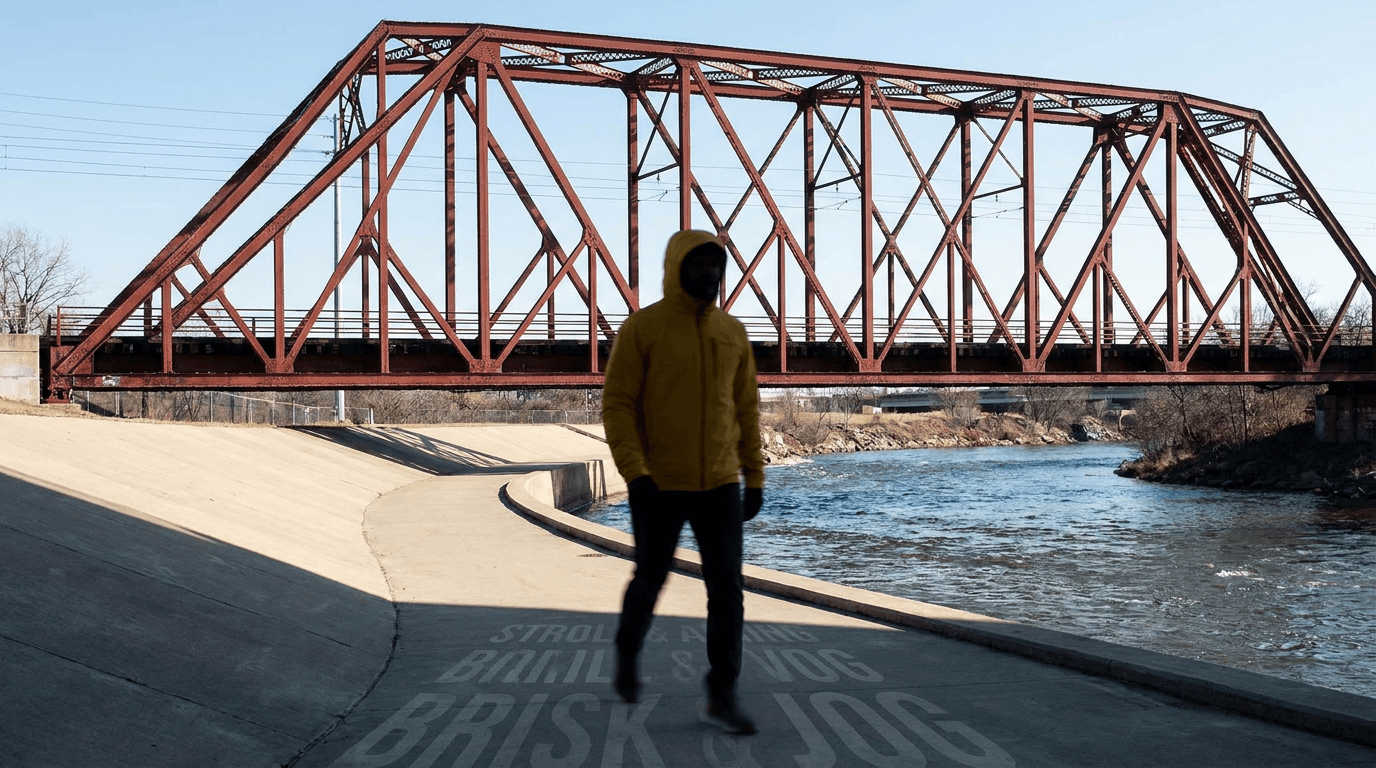
AI Video Action Verb Motion Control for Walking Speed
Learn how action verbs such as fast-walks and briskly strides shape walking speed and stride length in an AI video scene.

Remove Pseudo Quality Words from AI Image Prompts
Replace generic 4K and 8K slogans with concrete material, lighting, and texture constraints when you want a cleaner AI image prompt.
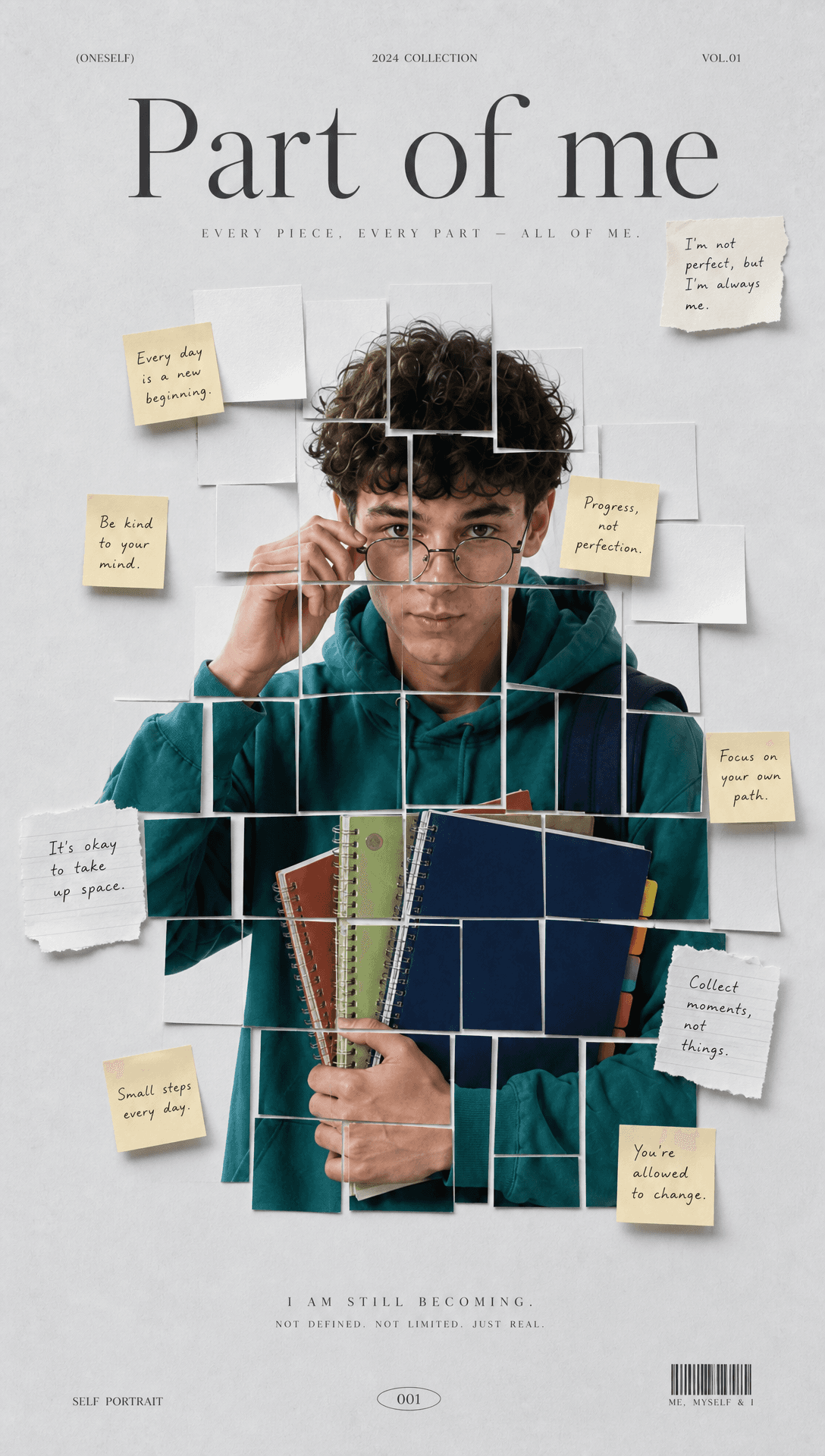
Sticky Note Portrait Collage from Photo: Make a Personal Visual Story
Upload one portrait to create a sticky note portrait collage from photo with layered fragments, handwritten notes, paper shadows, and magazine styling.

Family Trauma Short Film: After the Silence
Watch a family trauma short film told through Lydia's childhood drawings, fractured memories, her mother's courage, and the silence a child remembers.