AI Video Style Prompts: Turn Mood Words Into Visual Direction
Learn how AI video style prompts turn mood words into controllable light, color, composition, texture, performance, and pacing decisions.
12 min read
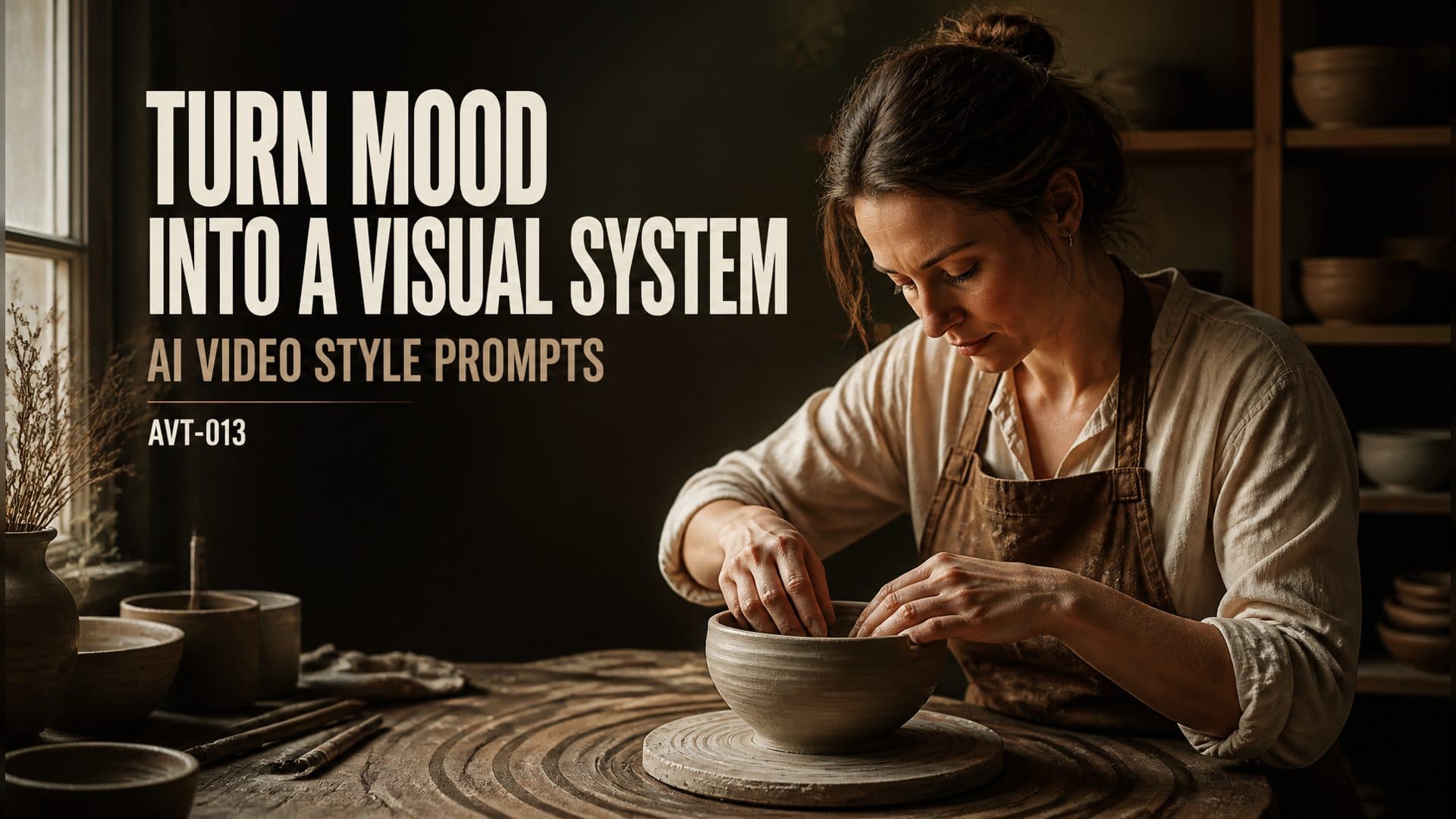
Provide a character reference and a neutral location reference to create a visually directed scene with controlled light, color, composition, texture, performance, and pacing. Strong AI video style prompts translate an abstract request such as “premium,” “cinematic,” or “healing” into decisions that appear on screen. AVT-013 tested this approach in a pottery-studio scene, comparing broad mood words with a complete warm lifestyle-realism preset.
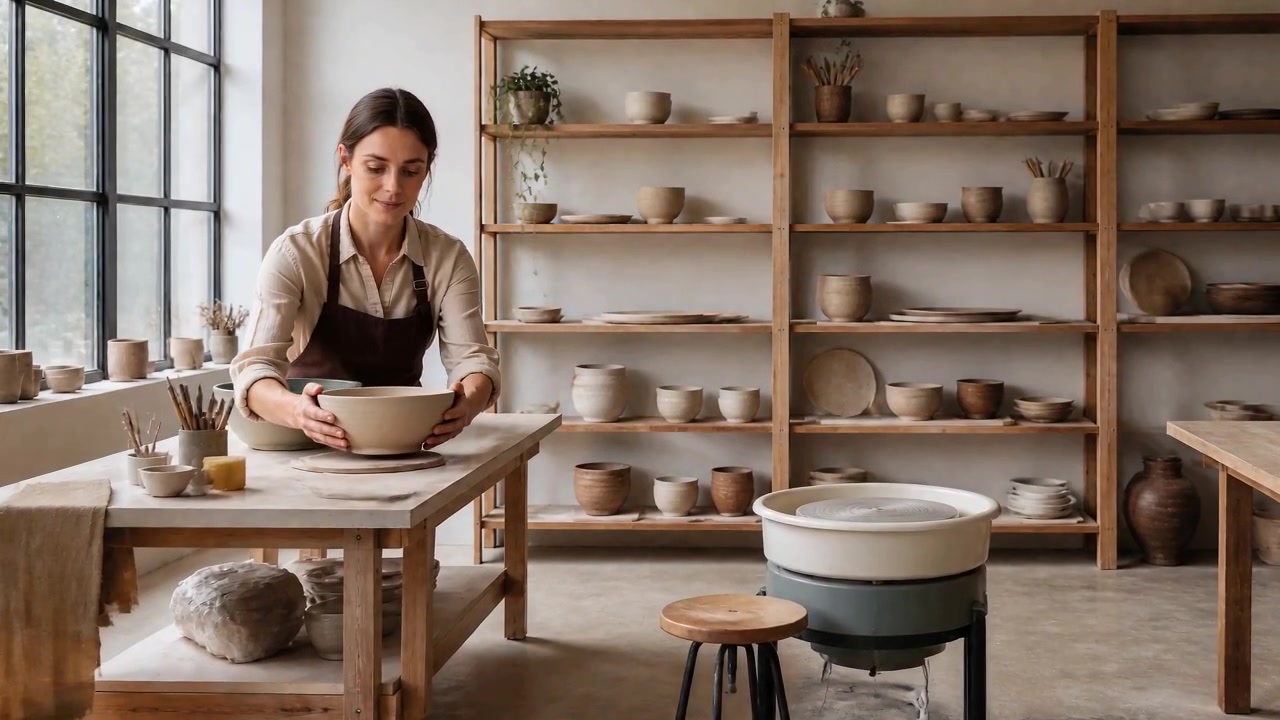
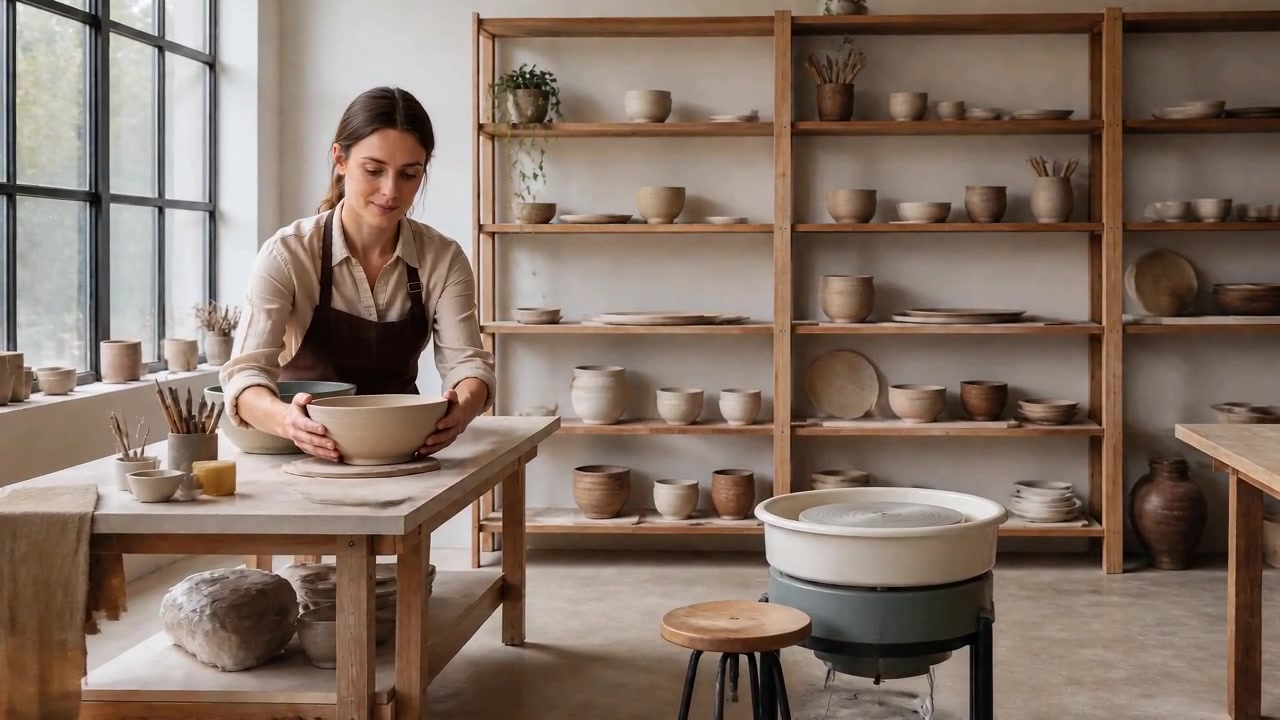
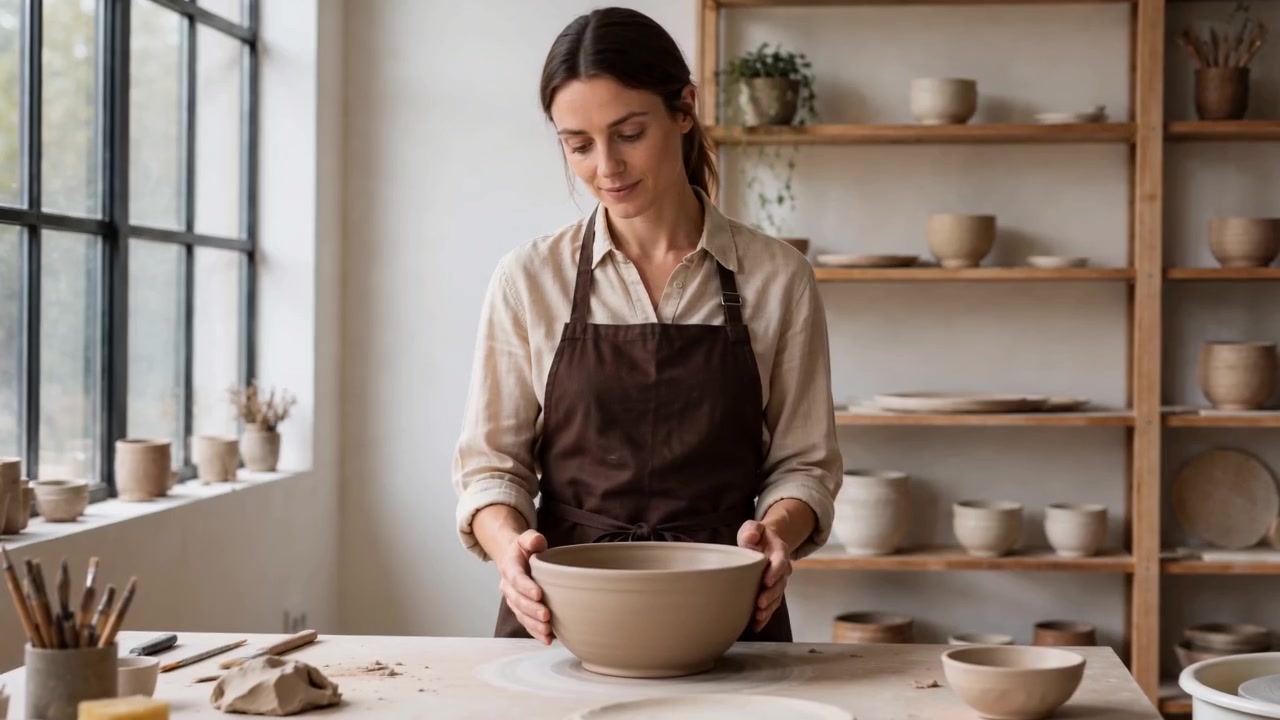
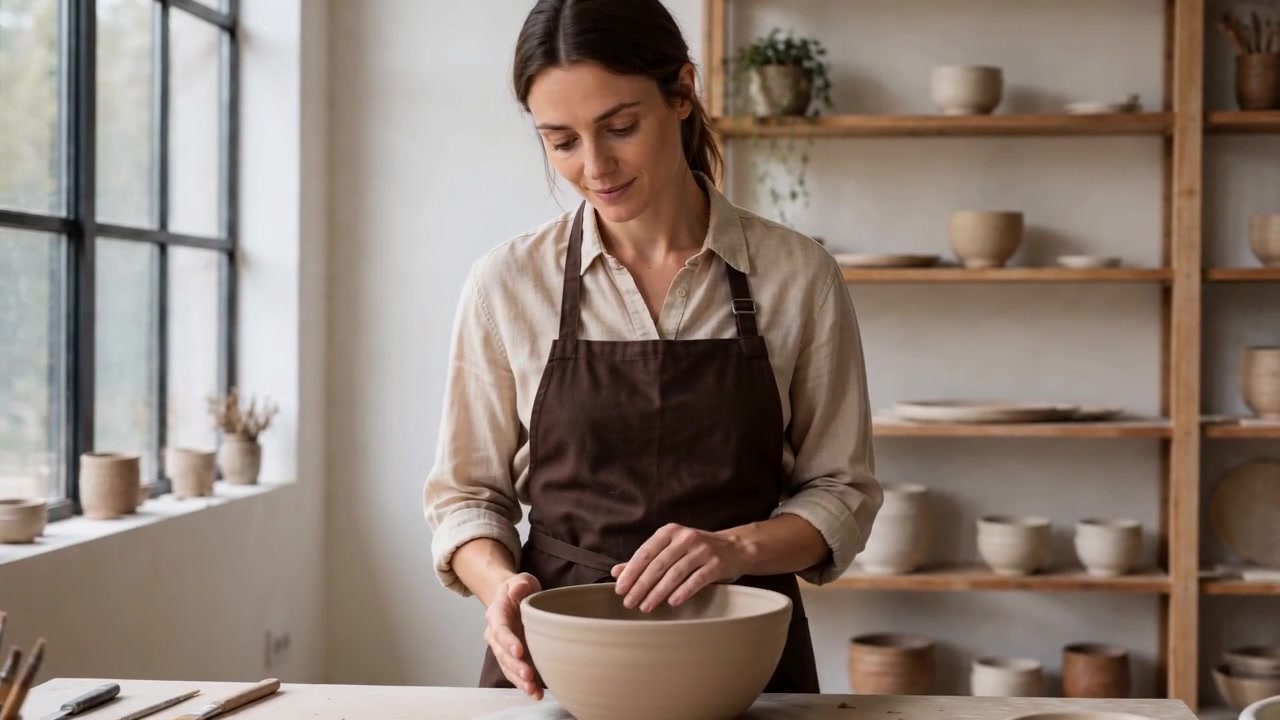
Both versions used the same female potter, the same empty workshop, the same action, Seedance 2.0 Fast, and a 1280 × 720 frame. The control asked for a beautiful, premium, healing, cinematic image with slow camera movement. The technique version defined a morning window source, warm white and clay colors, medium-low contrast, a quiet medium-close composition, tactile materials, restrained performance, and an action rhythm centered on shaping the rim of a bowl.
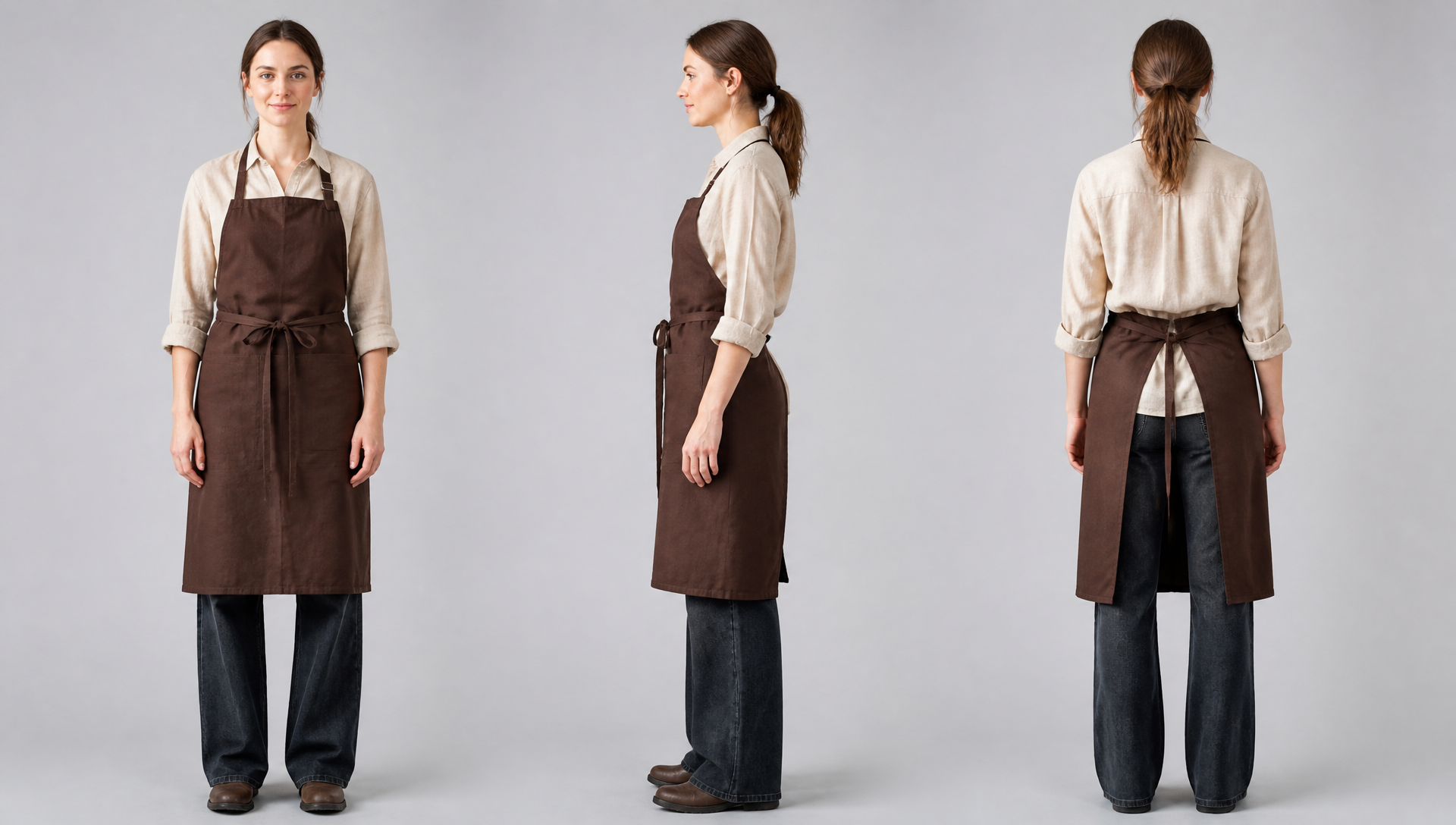
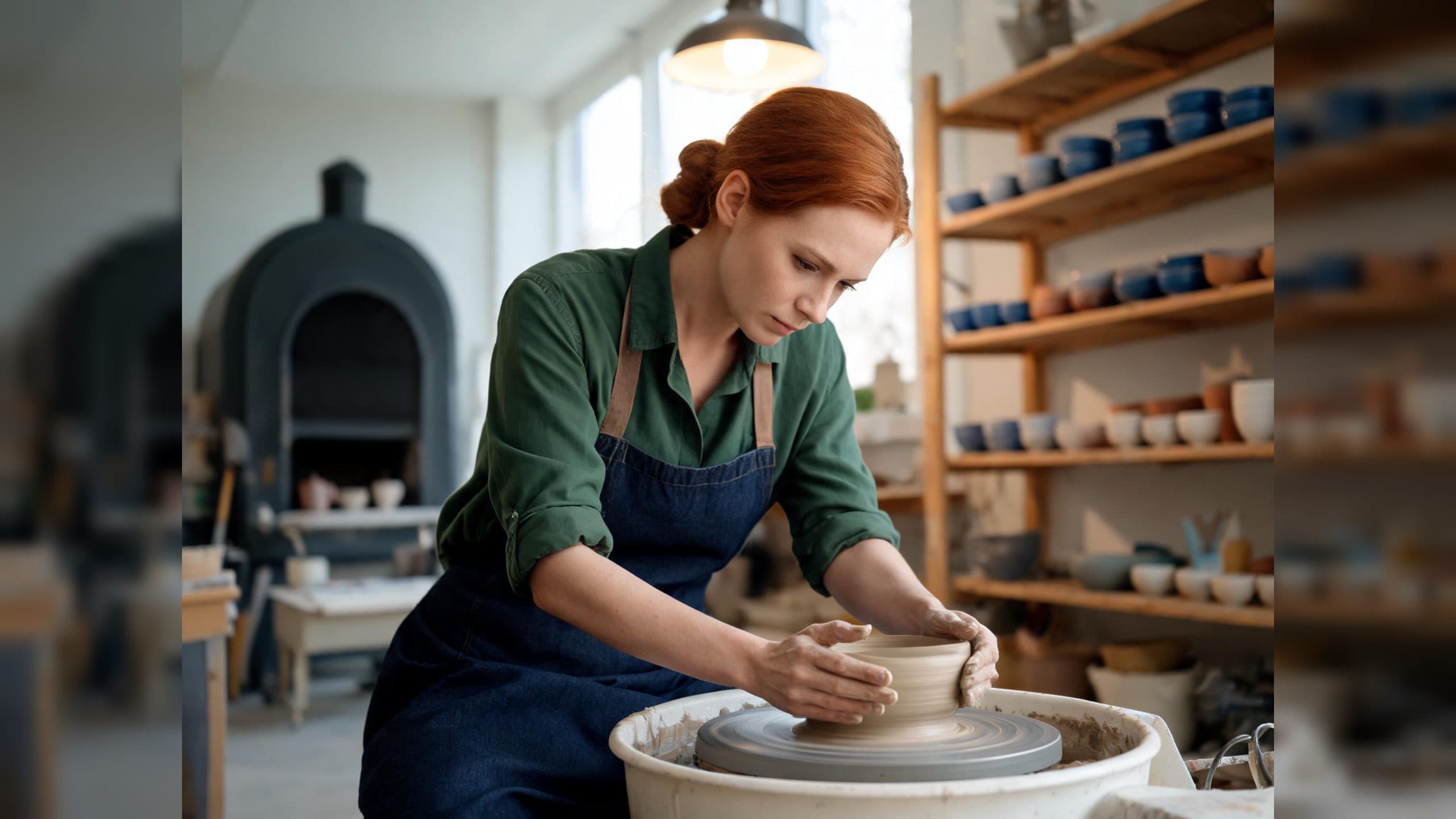
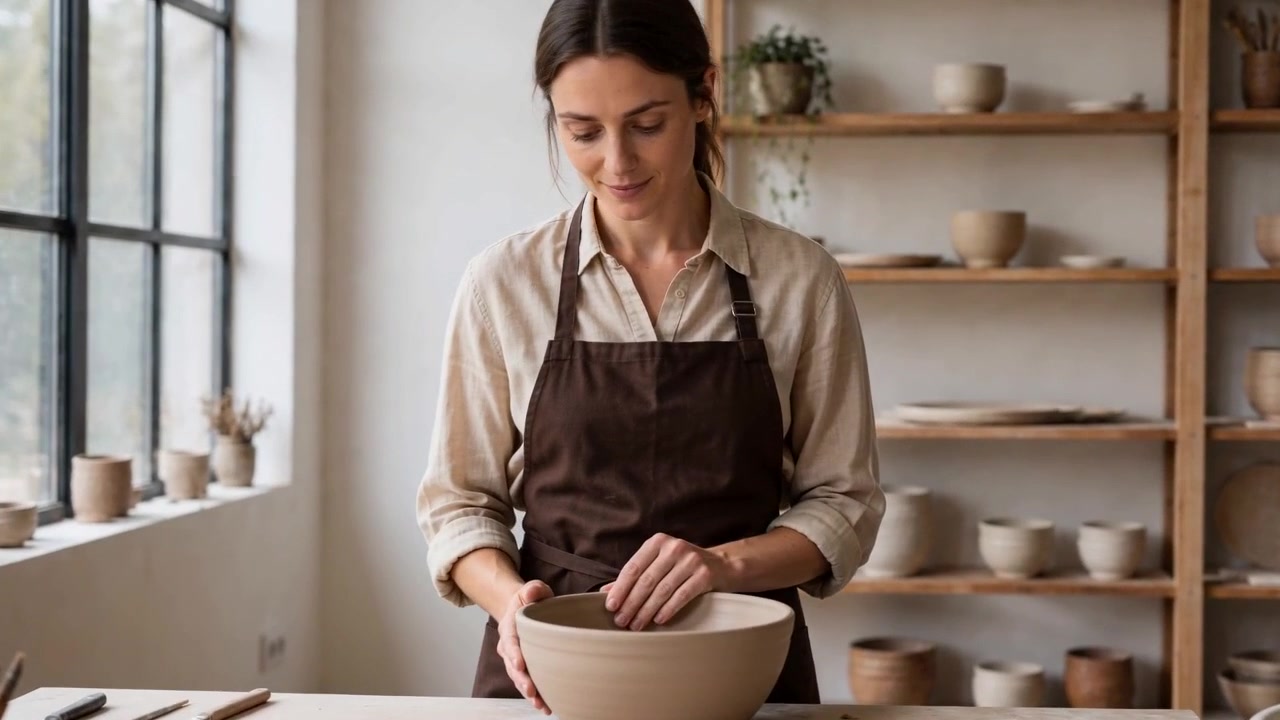
The character reference fixes the potter's face, hair, cream linen shirt, brown apron, dark trousers, and realistic proportions before the A/B comparison.
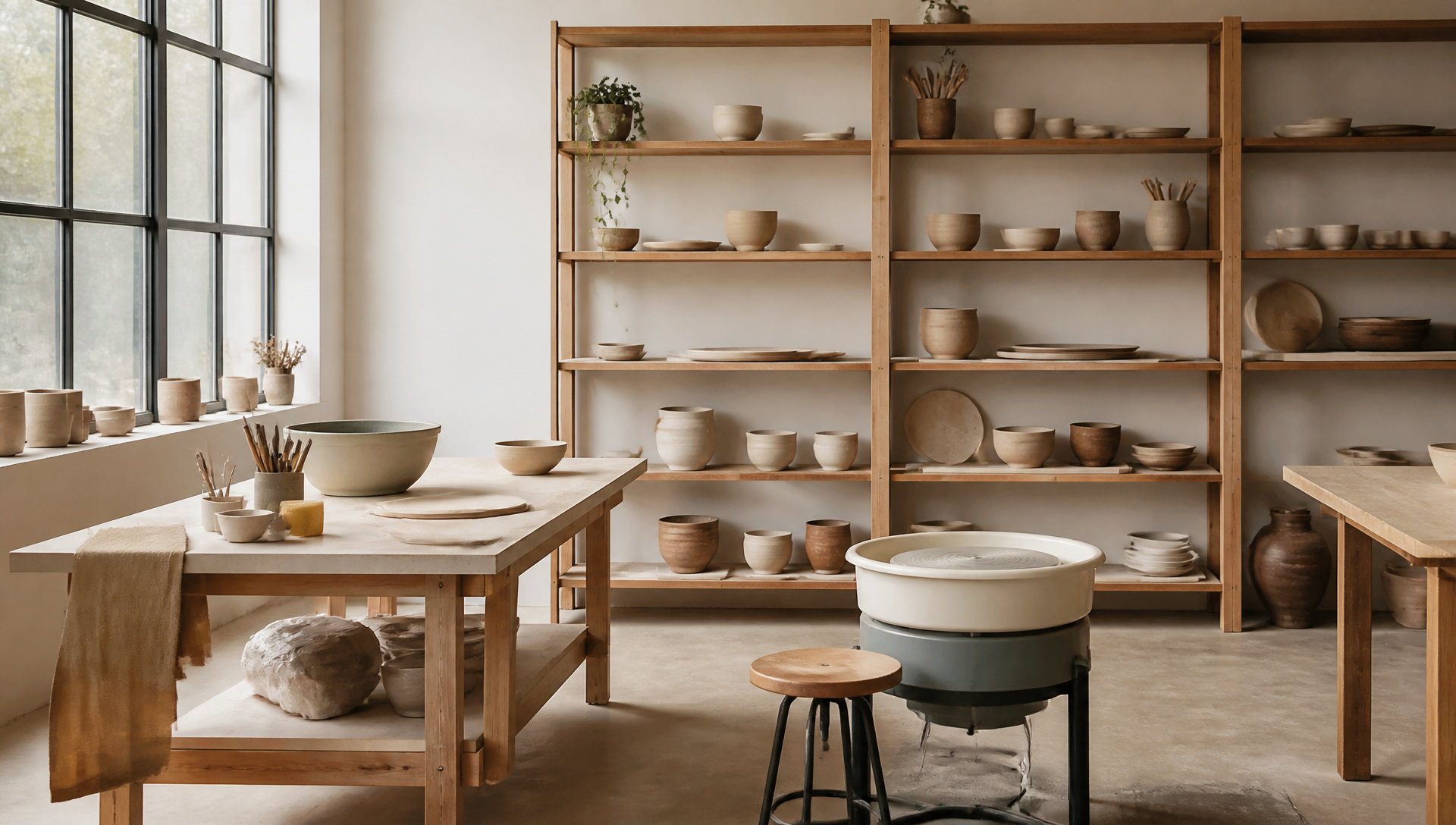
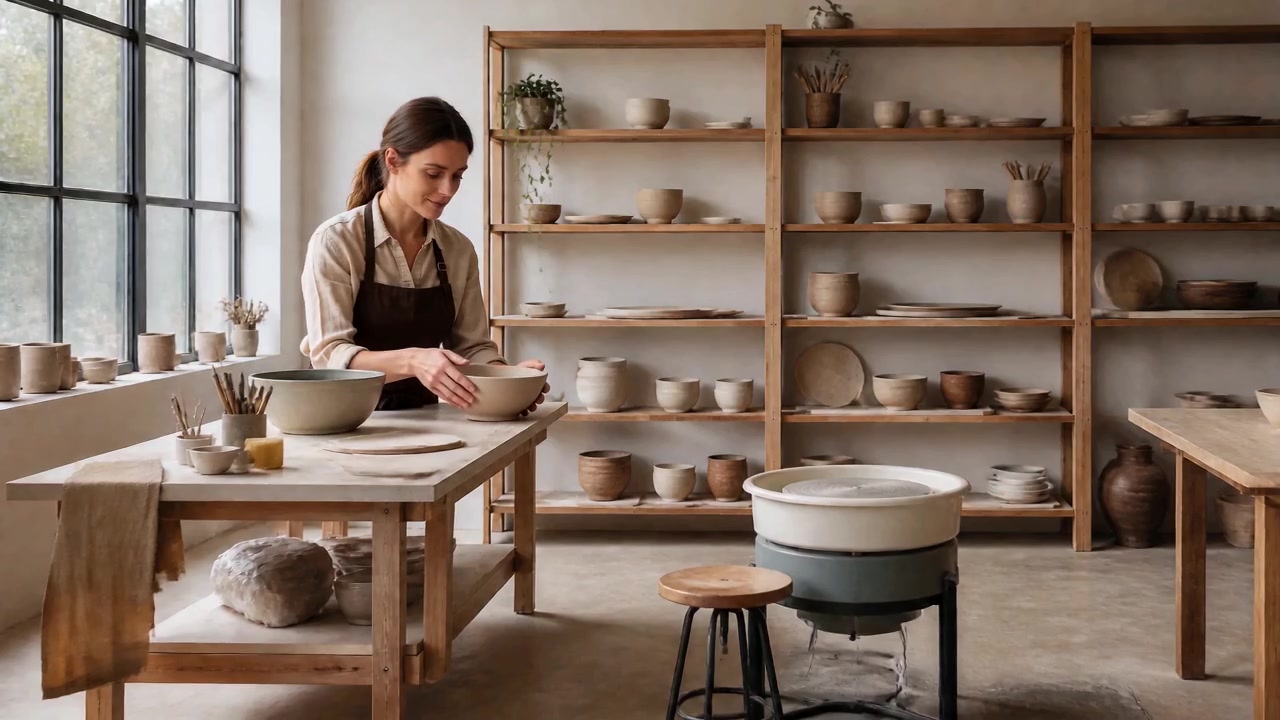
The empty location reference gives both prompts the same window direction, furniture layout, materials, and depth structure.
The difference is visible. The control favors a bright, spacious workshop view with the room and equipment sharing attention with the potter. The style-preset version moves closer to her hands and face, holds the muted wood-and-clay palette, and makes the work feel more privately observed.
What the AVT-013 A/B test showed
Both nodes were configured for eight seconds, while the completed files available for this review run for approximately 5.04 seconds. The comparison therefore uses frames from 0.2 seconds through the latest reliably extracted interval near 4.8 seconds. The review focuses on framing, light direction, palette, contrast, material rendering, action emphasis, and whether the performance feels observed or presented.
Observation
A: abstract style words
B: executable style preset
Opening frame
Wide view of the full table, wheel, window, shelves, and potter
Medium-close view centered on face, hands, bowl, and table surface
B group: explicit light, palette, framing, texture, and performance choices produce a more specific visual direction.
The control produces an attractive scene. Its broad words still allow the generation to choose the visual strategy, and that strategy leans toward an open lifestyle presentation. The technique version makes a narrower aesthetic decision: intimate craft realism carried by window light, low-saturation materials, restrained movement, and a closer composition.
The written action plan included shaping the rim, pausing to observe, and relaxing the shoulders. The output strongly expressed the shaping action and concentration. The final shoulder-release beat remained subtle, so the evidence supports the overall style direction more clearly than that exact performance sequence.
This is an E1 result from one A/B pair with open video seeds. It demonstrates a practical translation method and creates a baseline for repeated trials across other subjects and style families.
Why abstract style words drift
A style label summarizes many visual choices at once. “Cinematic” may imply directional light, controlled contrast, selective depth, measured camera movement, or a widescreen composition. “Healing” may imply warm daylight, gentle color, slow rhythm, quiet behavior, or a comforting setting. “Premium” may suggest clean surfaces, restrained color, edge light, precise framing, or polished performance.
When the prompt supplies only the label, the model chooses which associations to emphasize. Several choices can fit the same word, yet they produce different videos.
The control in AVT-013 interprets healing and premium through brightness, open space, and a clean workshop. The technique version interprets healing through a private morning task, soft window illumination, natural skin, tactile clay, low saturation, and sustained attention to the hands.
Both readings belong to the same broad mood family. Only the second prompt specified which reading the scene required.
Build a style preset from six visible layers
1. Name one primary style
Choose a single main direction that matches the subject and purpose. Useful families include realistic cinema, quiet lifestyle documentary, luxury advertising, cool fashion, warm restorative imagery, retro film, trend-led contrast, and cyber-future imagery.
The pottery scene uses warm lifestyle realism because the subject is a craftsperson performing a familiar physical task. The style supports human attention and material detail.
One primary direction and one supporting trait create a stronger hierarchy than several competing style labels.
2. Define how the subject should feel on camera
Turn the mood into posture, gaze, energy, and relationship to the lens.
The potter appears relaxed, focused, and absorbed in the task.
Her gaze stays on the bowl.
Her movements are careful and unhurried.
The moment feels observed inside a real work session.
This layer separates an observational portrait from a promotional performance. In the control, the broader room view makes the scene feel more presentational. In the technique version, the continued downward gaze keeps the work itself at the center.
3. Specify the physical light
Name the source, direction, time character, softness, and shadow behavior.
Use warm-white morning light entering through the large window on the left.
Keep the light diffuse and the shadows soft.
Preserve natural skin tone and visible texture in linen, wood, and clay.
Light provides more reliable visual direction when it belongs to the location. A window, doorway, lamp, streetlight, screen, or skylight gives the illumination a physical origin.
4. Build a controlled palette and contrast range
Choose a small color family that already exists in the subject and environment.
Use warm white, light brown, dark brown, and muted clay tones.
Keep saturation restrained and contrast medium-low.
Let skin, linen, wood, and pottery retain distinct natural colors.
The AVT-013 technique result holds together because the cream shirt, brown apron, wooden shelves, pale table, and gray-brown bowl all belong to one restrained material palette. The style emerges from relationships between surfaces as well as global color.
5. Choose composition and camera distance
Framing determines which parts of the style receive attention.
Use a quiet medium-close composition.
Keep the face, hands, bowl, and a section of the worktable visible.
Retain a small amount of workshop context in the background.
Let the shelves support depth while the hands remain the visual center.
The control begins wide enough to describe the whole room. The technique version starts close enough to reveal fingertips, the bowl rim, fabric weave, and facial concentration. The tighter frame makes tactile realism the dominant aesthetic cue.
6. Set the action and camera rhythm
Style also lives in time. Describe a short sequence of movements and pauses that matches the intended mood.
She gently refines the bowl rim with both hands.
She pauses to inspect the curve.
Her shoulders settle as she returns to the work.
Use slow, restrained camera movement and allow the action to lead the rhythm.
A calm style benefits from one legible task and small performance changes. A trend-led or kinetic style might use faster changes, sharper poses, harder light transitions, and a more active camera path.
A reusable AI video style prompt template
Create an [duration] scene using the supplied character and location references.
Preserve the character's identity, wardrobe, body proportions, and the location's spatial layout.

Subject and action:
[Describe one clear action and its visual endpoint.]

Primary style:
[Choose one style family that fits the content.]

Secondary trait:
[Choose one supporting texture or finish.]

Subject presentation:
[Define posture, gaze, energy, and relationship to the camera.]

Main light:
[Name the physical source, direction, softness, and time character.]

Color and contrast:
[List a small palette, saturation level, temperature, and contrast range.]

Composition:
[Name the shot size, important body parts or objects, background amount, and depth anchors.]

Material treatment:
[Name the surfaces whose texture should remain visible.]

Action rhythm:
[Describe two or three compatible action beats and the camera pace.]

Protect the subject, action, and material clarity from [the few decorative or performance choices that would overpower this scene].
The template works because each section controls a visible property. Replace the bracketed lines with decisions tied to the actual person, location, and task.
Match the preset to the content
Craft and process portraits
A ceramic artist, baker, tailor, florist, or instrument maker benefits from observational realism. Use directional natural light, close attention to the hands, restrained color, and a measured rhythm that lets material changes remain visible.
Personal lifestyle stories
A morning routine, journaling scene, home-cooking moment, or quiet commute can use warm restorative imagery. Keep skin and domestic materials natural, build comfort from practical light sources, and let small behavior carry the scene.
Fashion attitude films
Use a cool fashion preset when silhouette, stance, and graphic space matter. Define hard side light or cool white light, black-gray-blue color relationships, a controlled pose, clean negative space, and a slower deliberate rhythm.
Product and brand imagery
A luxury advertising preset can use soft studio light, edge highlights, clean surfaces, precise framing, and a concise movement toward the product detail. Include human behavior when the object gains meaning through use.
Retro memory scenes
A retro-film preset can combine window or sunset light with olive, brown, and amber relationships, gentle haze, visible grain, and measured camera movement. Anchor the look in period-compatible materials and behavior.
Futuristic world building
A cyber-future preset can use blue-violet practical lights, screen glow, backlight, dark metal, and faster controlled movement. Give the color and technology a story function so the character or action remains the visual anchor.
Keep style consistent across several shots
For a sequence, repeat the few anchors that define the visual identity:
the main light family and its general direction;
the core color relationships and contrast level;
the treatment of skin, fabric, wood, metal, glass, or other key materials;
the preferred camera distance and movement energy;
the subject's performance register.
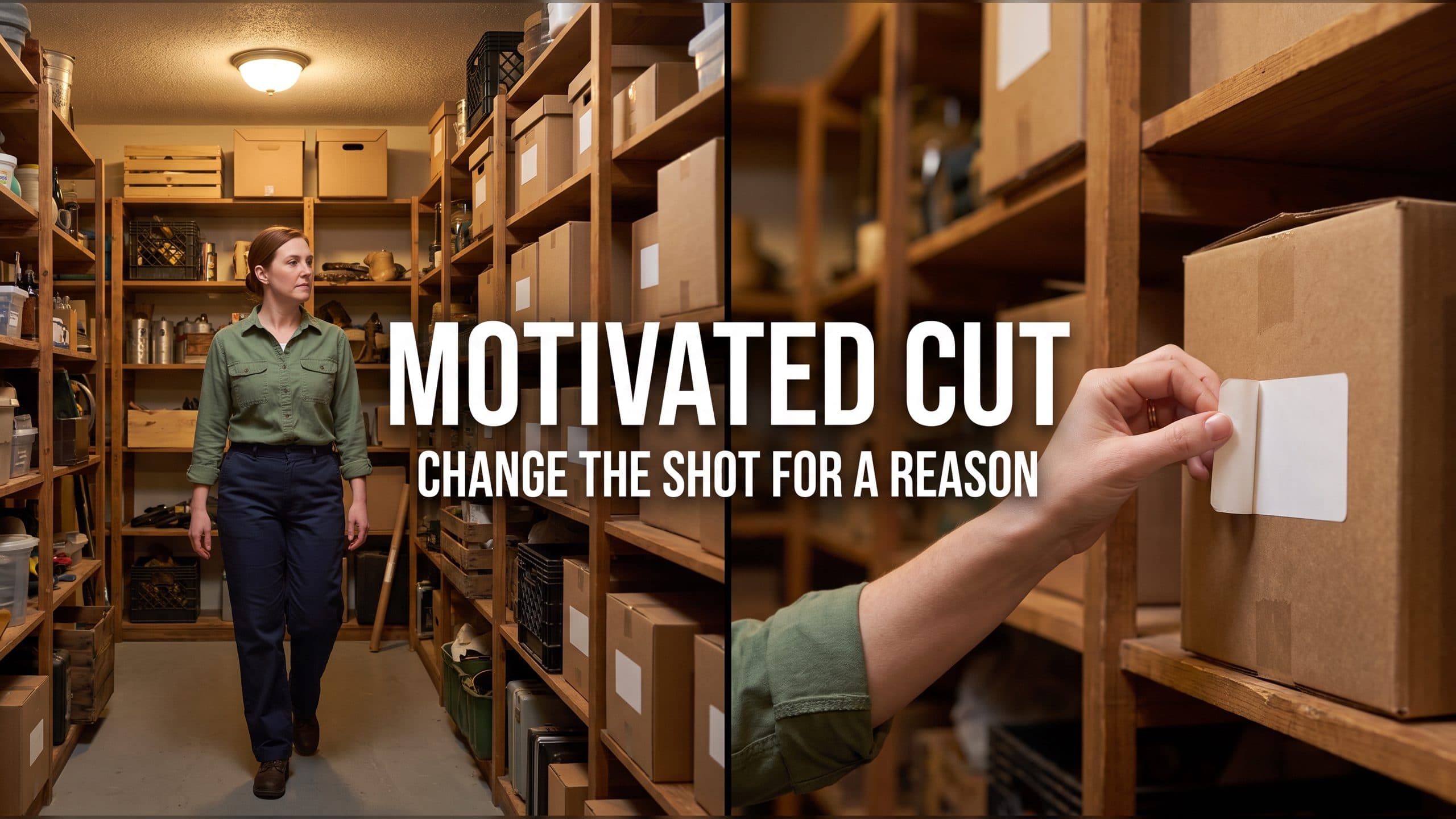
Then allow shot-specific changes to serve the story. A close-up can reveal touch, a wider frame can establish the workspace, and an insert can show the clay surface. They still belong together when the light, palette, material response, and emotional rhythm remain related.
Review a generated style preset
Compare the opening composition
Identify what the first frame asks the viewer to notice. A wide workshop view prioritizes environment. A medium-close view prioritizes the person, hands, and material.
Trace the physical light
Locate the brightest side of the face, the direction of cast shadows, window brightness, edge highlights, and surface reflections. Confirm that they describe one believable source.
List the dominant colors
Choose three to five visible colors from skin, wardrobe, props, and setting. Check whether they support the intended temperature, saturation, and contrast relationship.
Follow the performance arc
Note gaze, hand action, posture, pauses, and the final pose. Decide whether the behavior feels observed, performed, distant, energetic, intimate, or ceremonial.
Check material separation
Skin, linen, wood, clay, metal, and glass should respond differently to light. Material clarity often carries more aesthetic credibility than a global finish.
Repeat the experiment
Keep the references and action fixed while testing additional generations. Change one layer at a time—light, palette, framing, performance, or pacing—to learn which direction produces the visible change.
Frequently asked questions
What should I write instead of “cinematic” in an AI video prompt?
Define the physical light, contrast range, palette, camera distance, movement pace, material treatment, and subject performance that create the cinematic reading you want.
How many style references should one prompt combine?
Use one primary style and one supporting trait. Give each a clear role, such as warm lifestyle realism for the main direction and light natural grain for texture.
How can I keep the same aesthetic across multiple AI video shots?
Repeat the main light family, core palette, contrast level, material response, camera energy, and performance register. Let framing changes follow the story while those anchors remain related.
Which input references work best for a style-preset test?
Use a clearly defined character and a neutral location with readable light sources, materials, and depth. A simple action makes changes in style, framing, and performance easier to compare.