

ArtArch Newsroom
AI Video TechniquesAI Video Character Placement Reference: Keep Two-Person Scenes Clear
Use an AI video character placement reference to organize two-person scenes with stable positions, room landmarks, and facing direction.
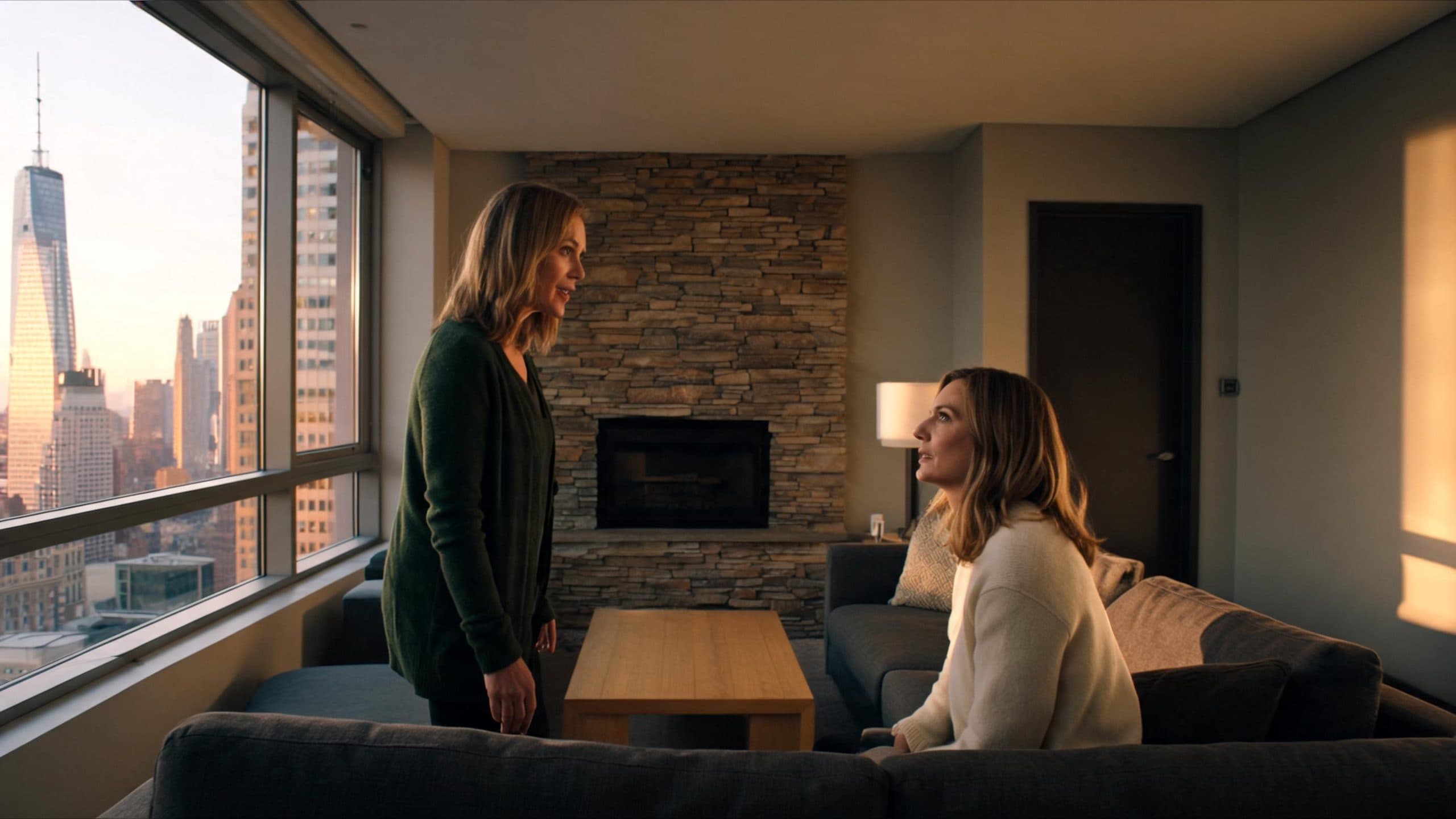
An AI video character placement reference turns a room plan into a readable two-person scene. Provide a character and room reference, then add a simple placement image that shows who stands where, who sits where, and which direction each person faces. The finished shot keeps the conversation organized around the same furniture, doors, windows, and relationship line.
For a living-room exchange, place one character beside the coffee table and the other on the sofa opposite them. Keep the window, doorway, fireplace, sofa, and table in fixed positions. The placement reference gives the video a clear spatial map while the scene reference carries the people, wardrobe, light, and room materials.
Build a useful placement reference
Start with the room features that must stay fixed: doors, windows, the main seating area, a table, and a focal landmark such as a fireplace. Then place each character in their intended area and show their relationship across the room. A plan view, wall elevation, or clear key direction can all make the scene easier to organize.
Keep the reference focused on spatial information. It should make the character positions and facing directions easy to read at a glance.
Give every reference one job
Use a simple division of responsibilities:
Character and scene reference: people, wardrobe, furniture, lighting, materials, and room style.
Placement reference: room structure, fixed landmarks, character positions, facing directions, and the relationship across the space.

Create one eye-level medium-wide conversation shot. Keep the standing character on the left side of the coffee table and the seated character on the sofa to the right. Keep them facing each other while the standing character makes one small response gesture.
This structure keeps the visible shot grounded in the character and scene imagery while giving the spatial relationship a dedicated guide.
When to use a character placement reference
A recurring apartment scene
A short-drama team can use the same apartment reference for several conversations. The placement image keeps each character anchored to the intended side of the room as the scene returns across episodes.
A group briefing
A creator planning a team meeting can map the speaker, seated listeners, doorway, presentation wall, and central table before generating coverage. The result gives every person a purposeful place in the room.
A scene with changing camera angles
A filmmaker preparing a wide shot, side angle, and over-the-shoulder sequence can use the same spatial guide to preserve the door, window, furniture, and character relationship as the camera moves to a new view.
Choose the right level of detail
Start with a clear scene reference and direct position language for a simple two-person setup. Add a placement reference when the room contains more characters, more fixed landmarks, or more camera angles. The extra image becomes most useful when the spatial relationship needs to remain visible through a complex scene.
Keep exploring
More in AI Video Techniques
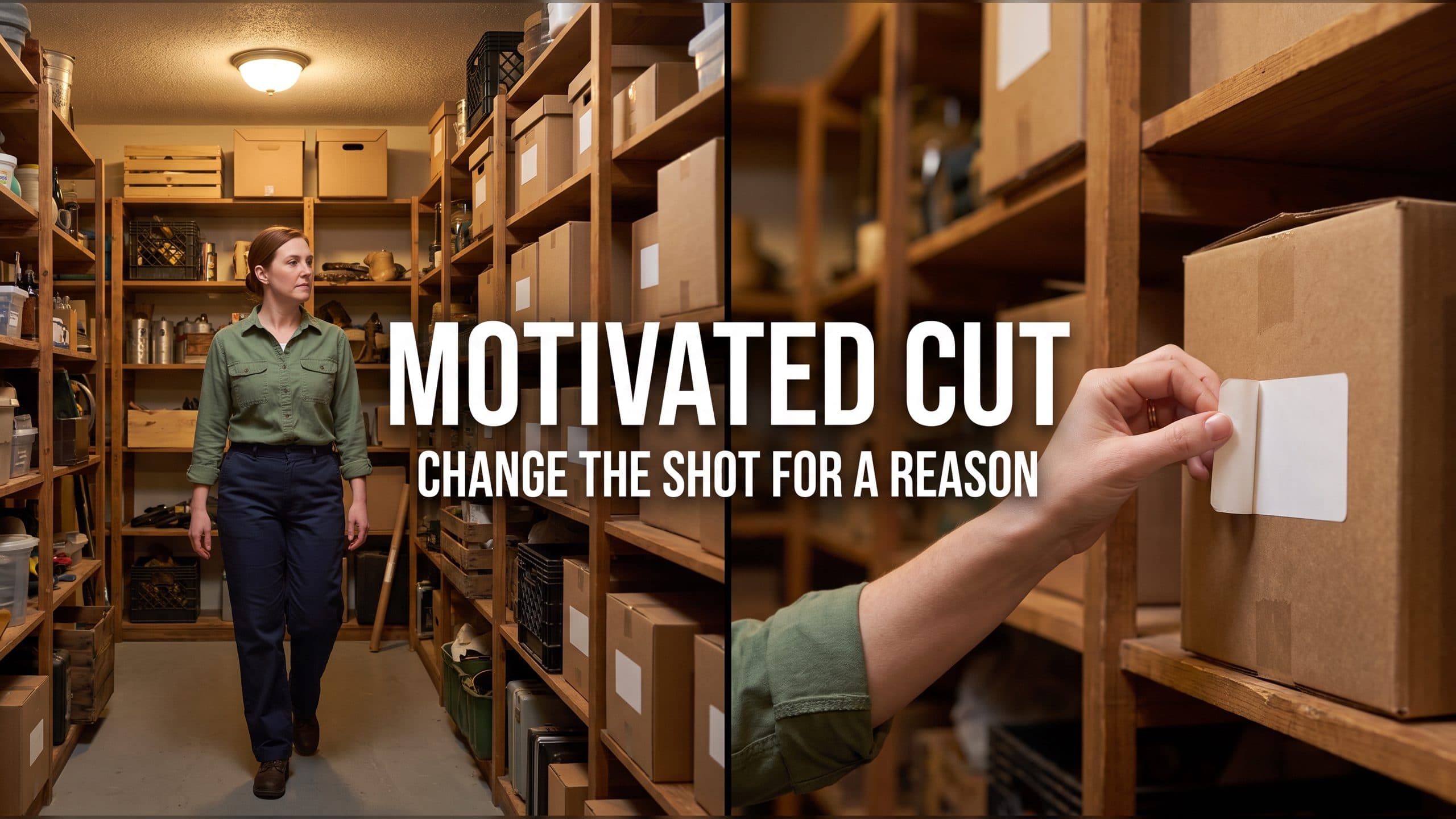
Motivated Cut AI Video Continuity: Change the Shot for a Reason
Learn how a visible action trigger, clear shot-size change, and locked screen direction create more intentional same-scene AI video edits.
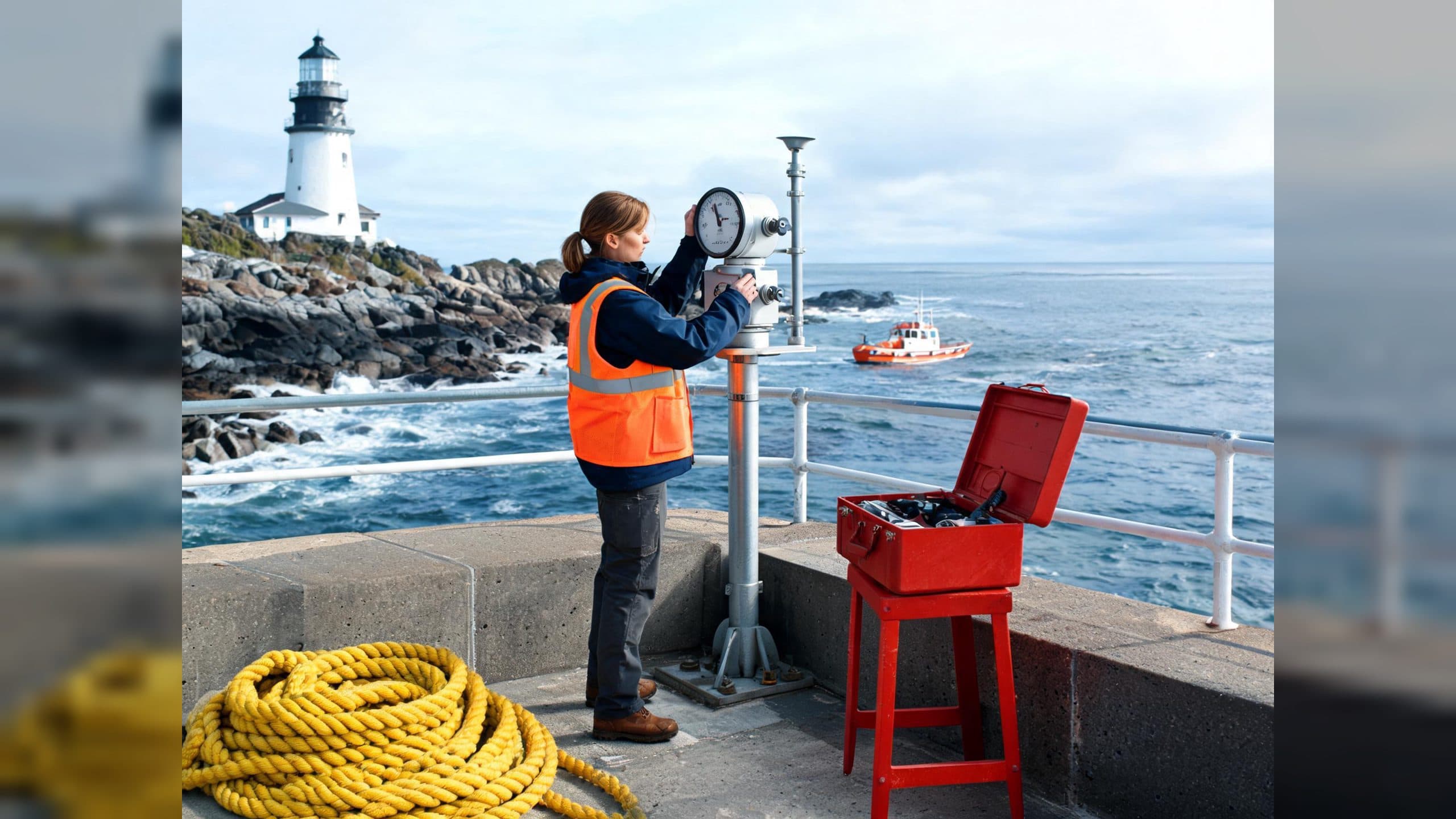
Deep Depth of Field AI Video: Keep Every Story Layer Readable
Learn how deep depth of field AI video prompts keep foreground tools, central action, and distant location cues readable in one layered shot.
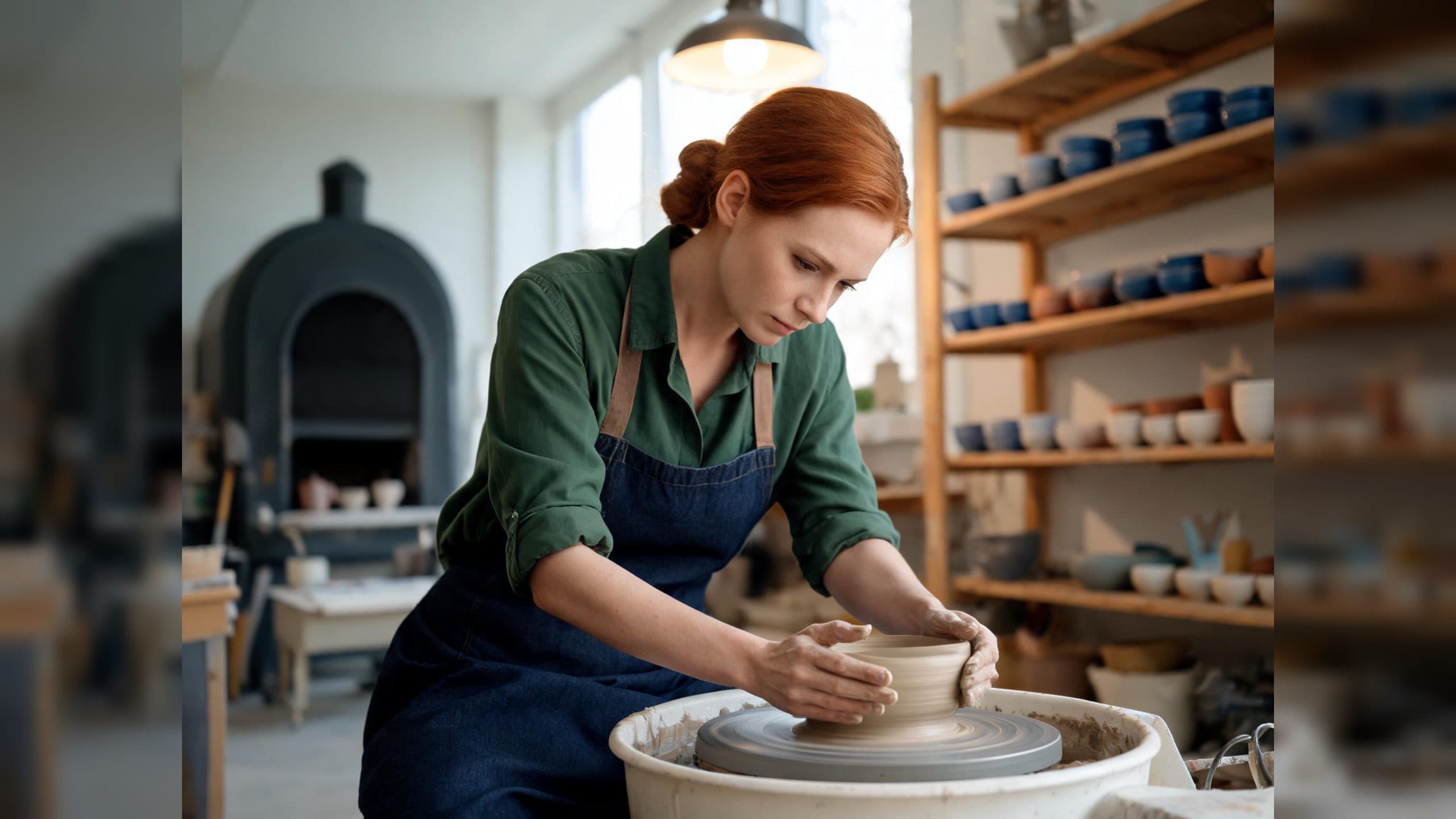
Medium Depth of Field AI Video: Balance Subject and Setting
Learn how medium depth of field AI video prompts keep hands and active objects readable while preserving recognizable environmental context.
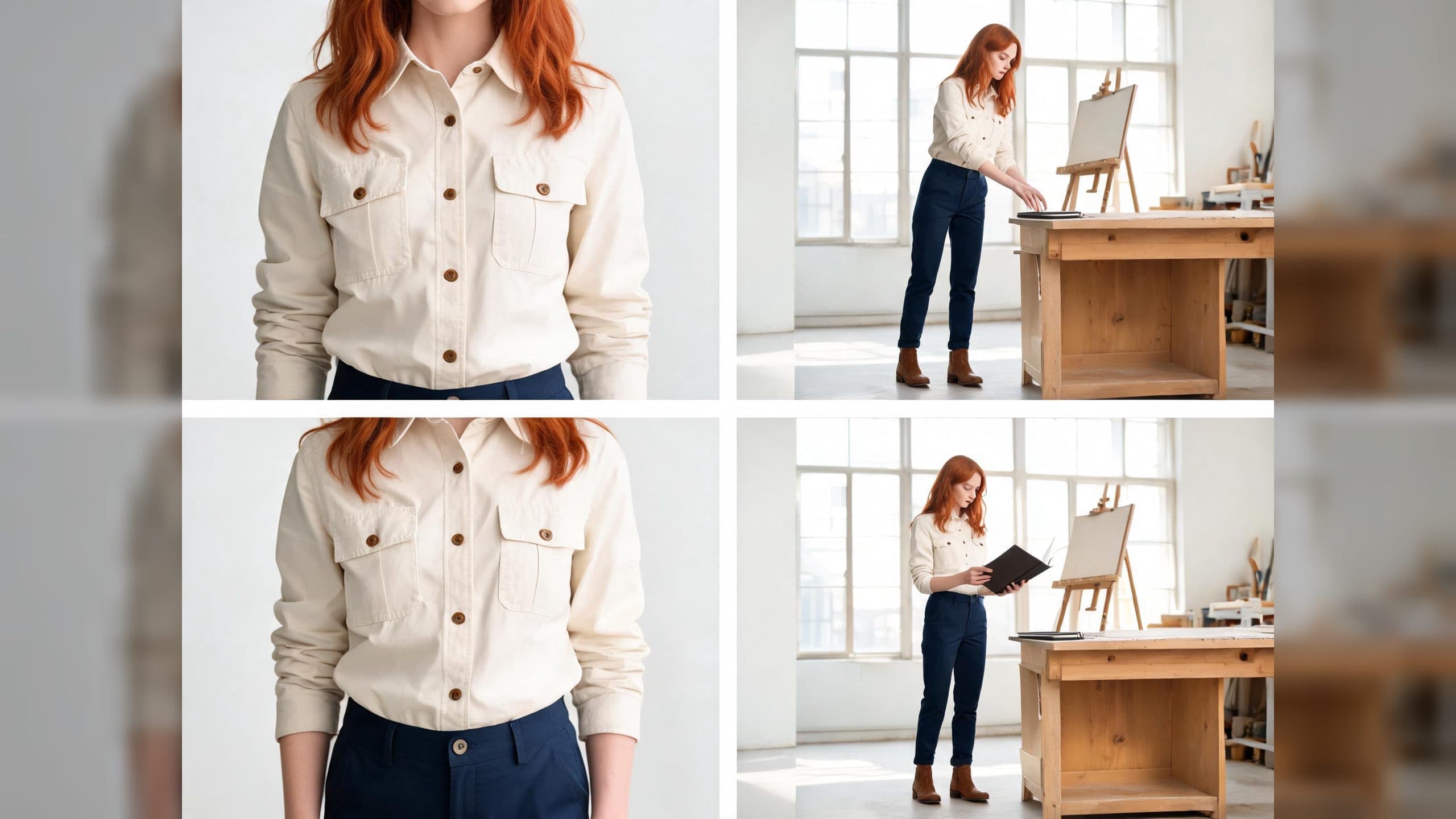
AI Video Character Reference Framing: Match Portraits to Landscape Shots
Prepare vertical character portraits for landscape AI video by matching aspect ratio, body scale, headroom, floor space, and movement room before generation.