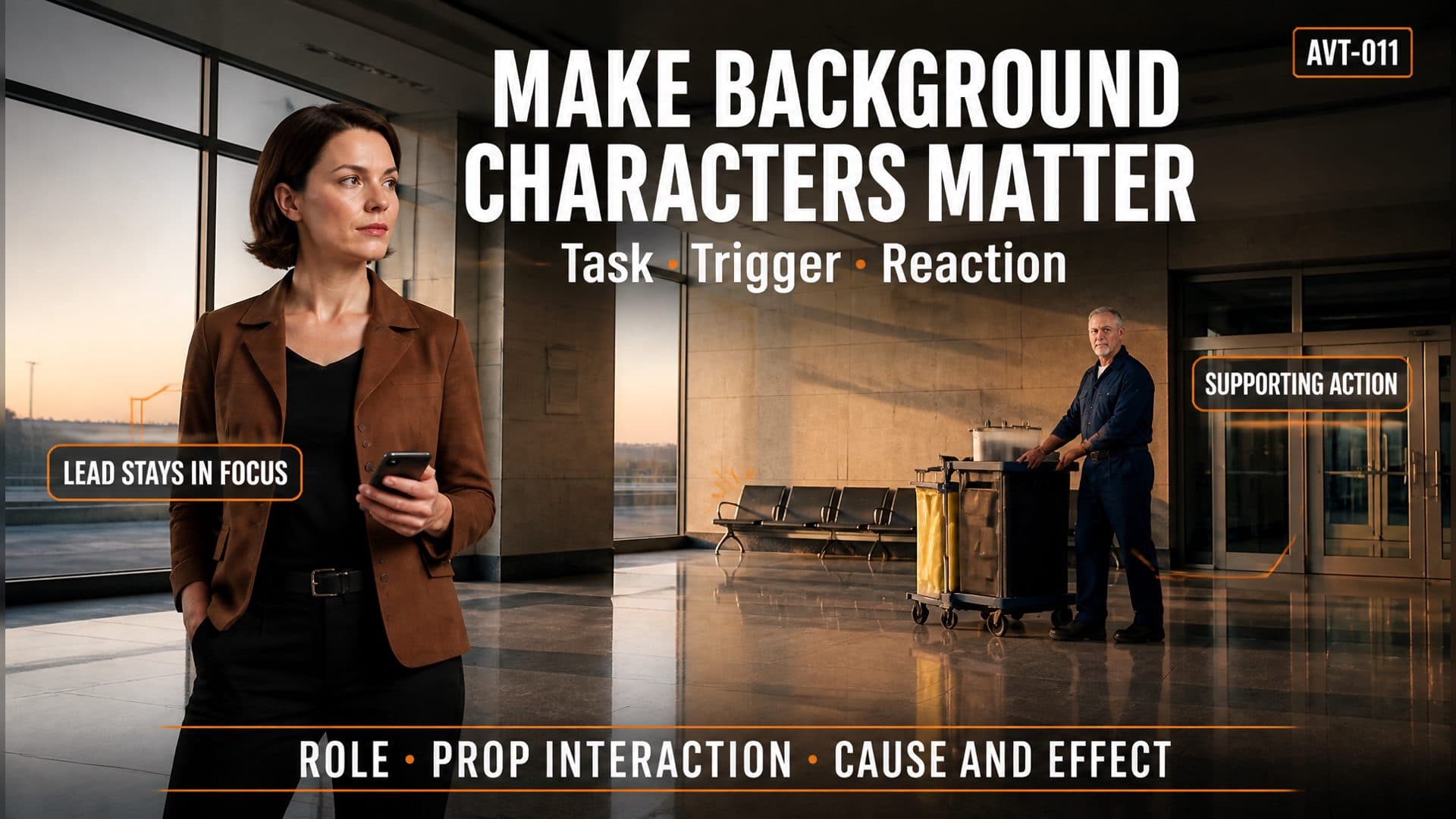
AI Video Background Character Prompts for More Believable Group Scenes
Learn how AI video background character prompts use role-based tasks, prop interaction, and lead reactions to create believable multi-character scenes.
11 min read
Provide a character reference and an empty location reference to create a multi-character scene where the lead remains visually dominant while a supporting performer completes a small, role-based task. These AI video background character prompts give an older station cleaner a clear purpose, one brief interaction with a cleaning cart, and a stopping point that triggers a readable reaction from a reporter in the foreground.
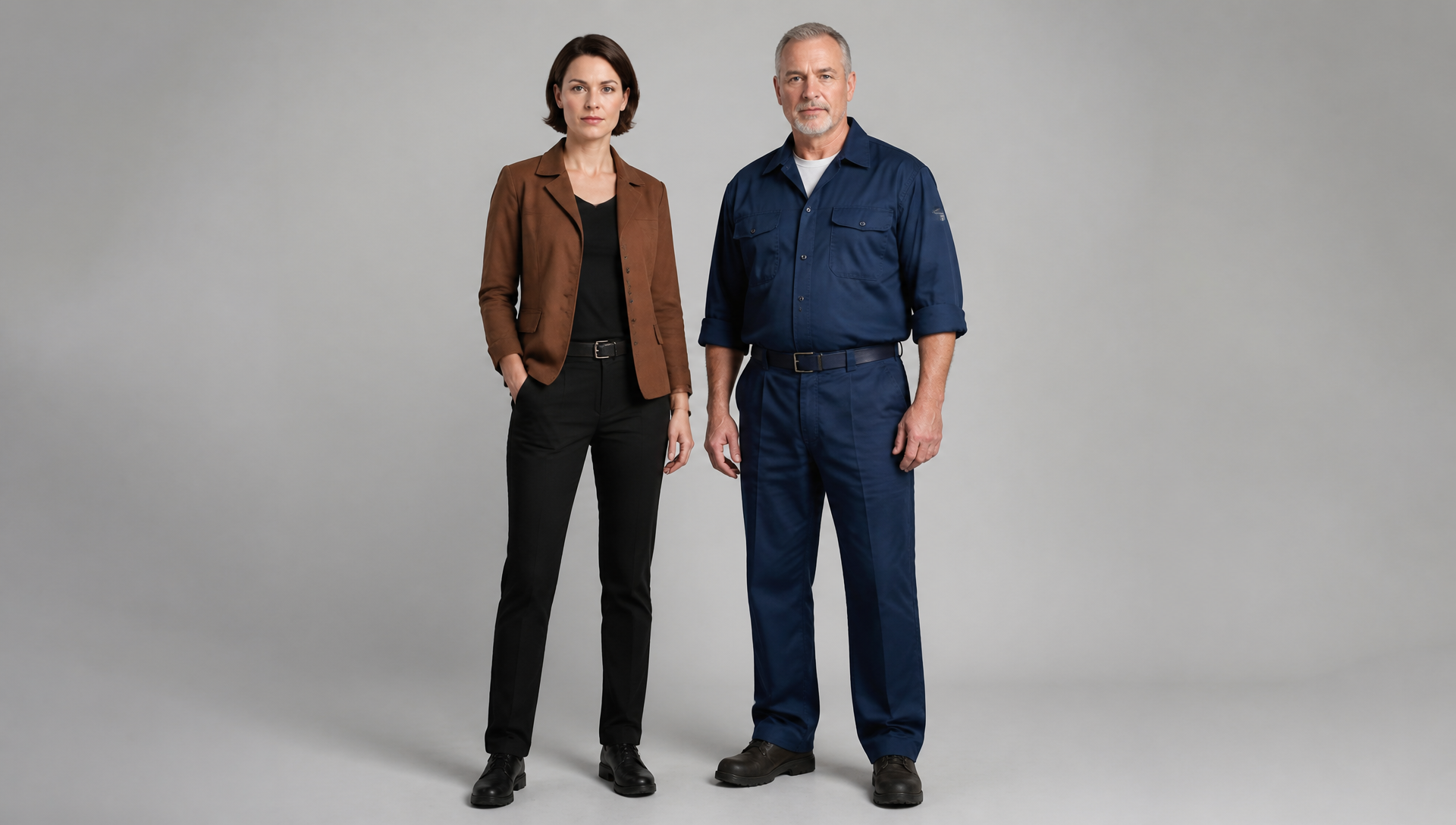
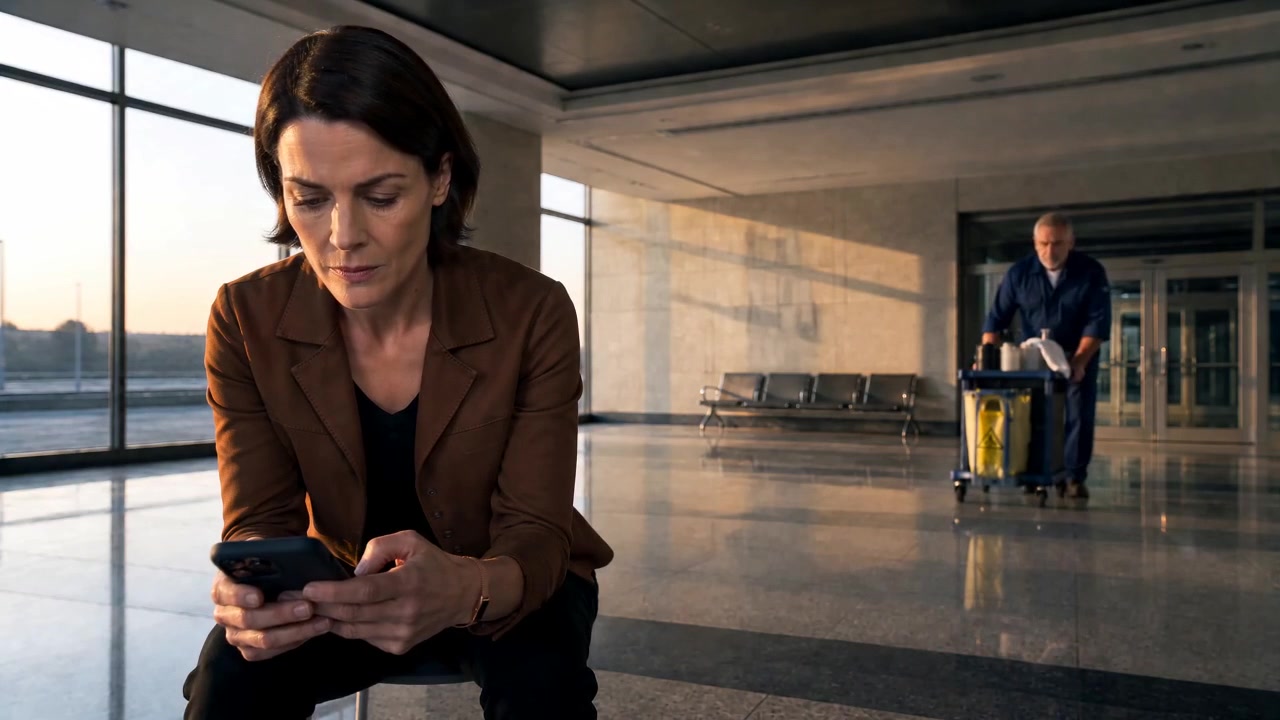
AVT-011 compares two eight-second scenes set in a quiet station waiting hall at dawn. Both feature a short-haired female reporter in a brown jacket and an older male cleaner in dark blue workwear. The control places the cleaner behind the reporter. The technique version turns his presence into a simple cause-and-effect chain:
The character reference separates the lead reporter from the supporting cleaner and fixes their clothing before both versions are generated.
The empty station reference establishes the foreground-left lead area, background-right benches, cleaning-cart zone, and glass doors.
background task → prop interaction → lead reaction
The difference comes from giving the supporting character a reason to occupy the space, then connecting his action to the main story.
What changes between the two prompts
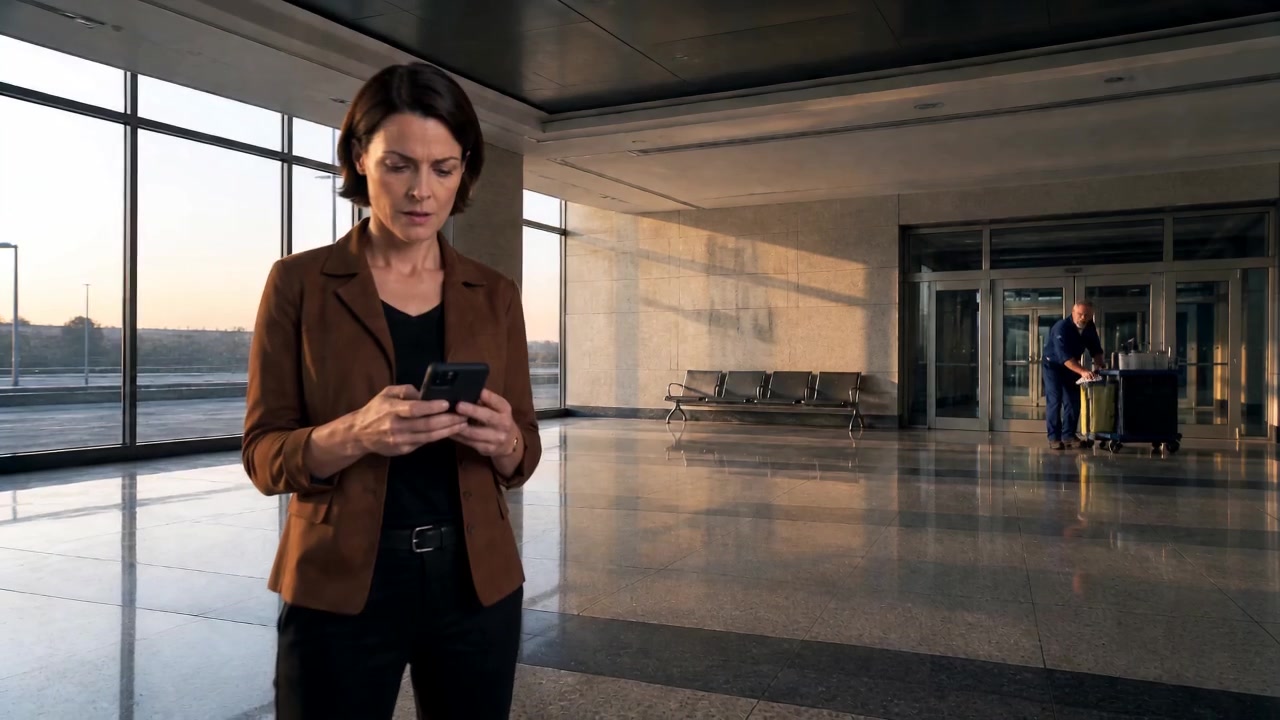
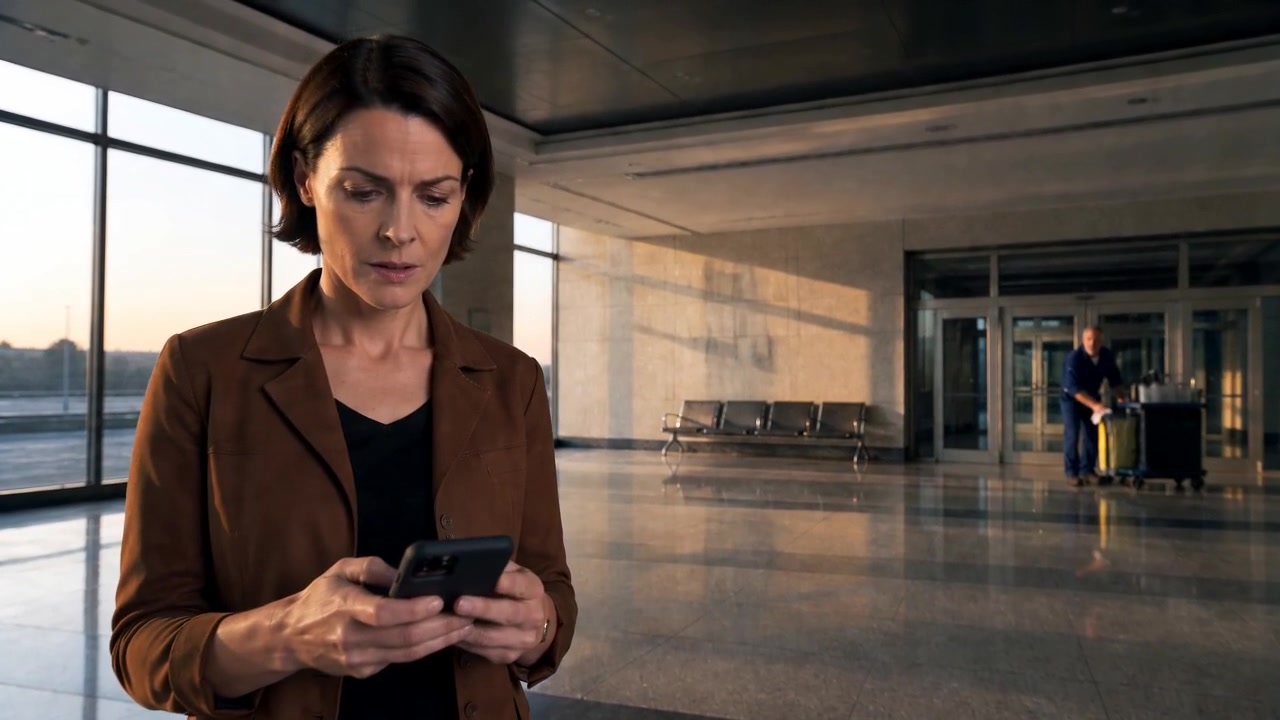
In the control scene, the reporter checks her phone in the foreground while the cleaner stands in the background. The composition establishes both people, yet the cleaner mainly functions as part of the setting.
The opening places the lead and supporting performer in separate depth zones.
The middle frame shows how the control treats the cleaner primarily as part of the station background.
A group: the background character remains broadly defined while the reporter holds the foreground.
The technique prompt divides the supporting performance into three readable beats:
Time
Supporting character
Lead character
Story function
0–3 seconds
Organizes a cleaning cloth and checks the floor
Continues looking at her phone
Establishes a role-based baseline
3–5 seconds
Pushes the cart forward by half a step; a wheel lightly touches a bench
Remains focused in the foreground
Creates one visible environmental event
5–8 seconds
Stops beside the cart and settles
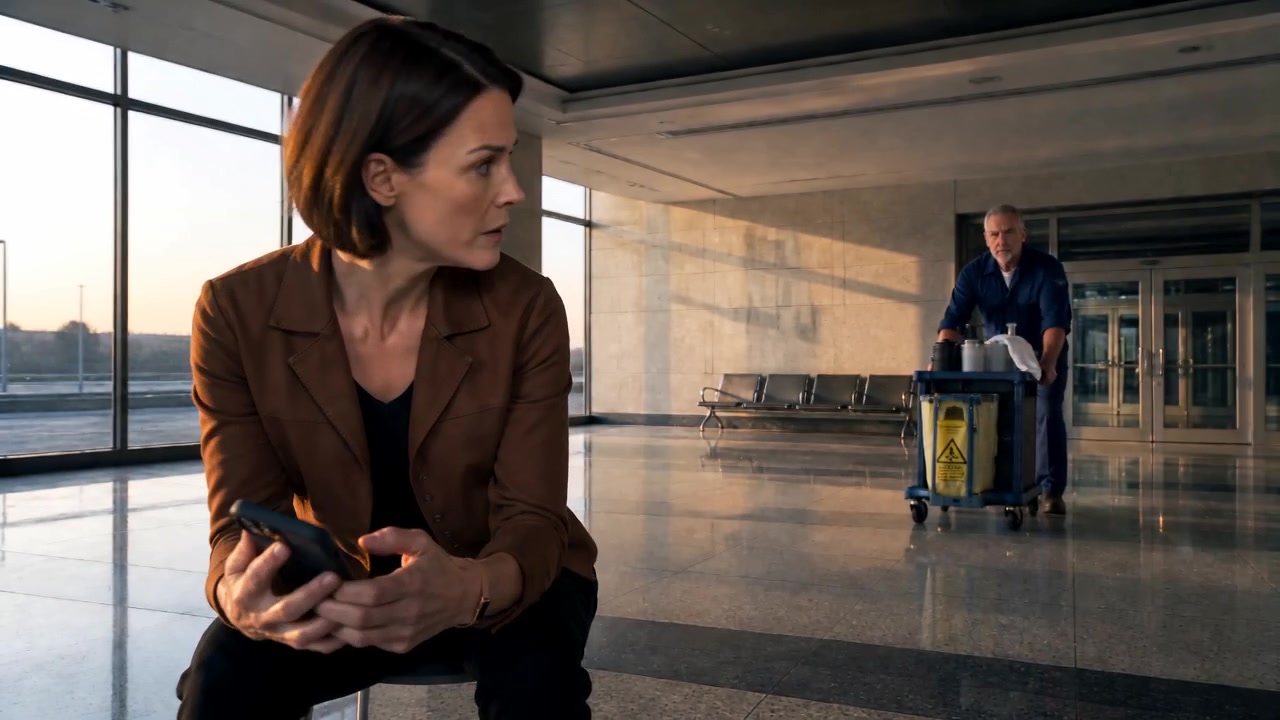
Lifts her eyes, then turns toward the background right
Completes the cause-and-effect relationship
The action stays small because the cleaner remains a supporting performer. He gains narrative presence through purpose and consequence, while the reporter still owns the central beat.
The opening gives the cleaner a stable work area while the reporter retains foreground priority.
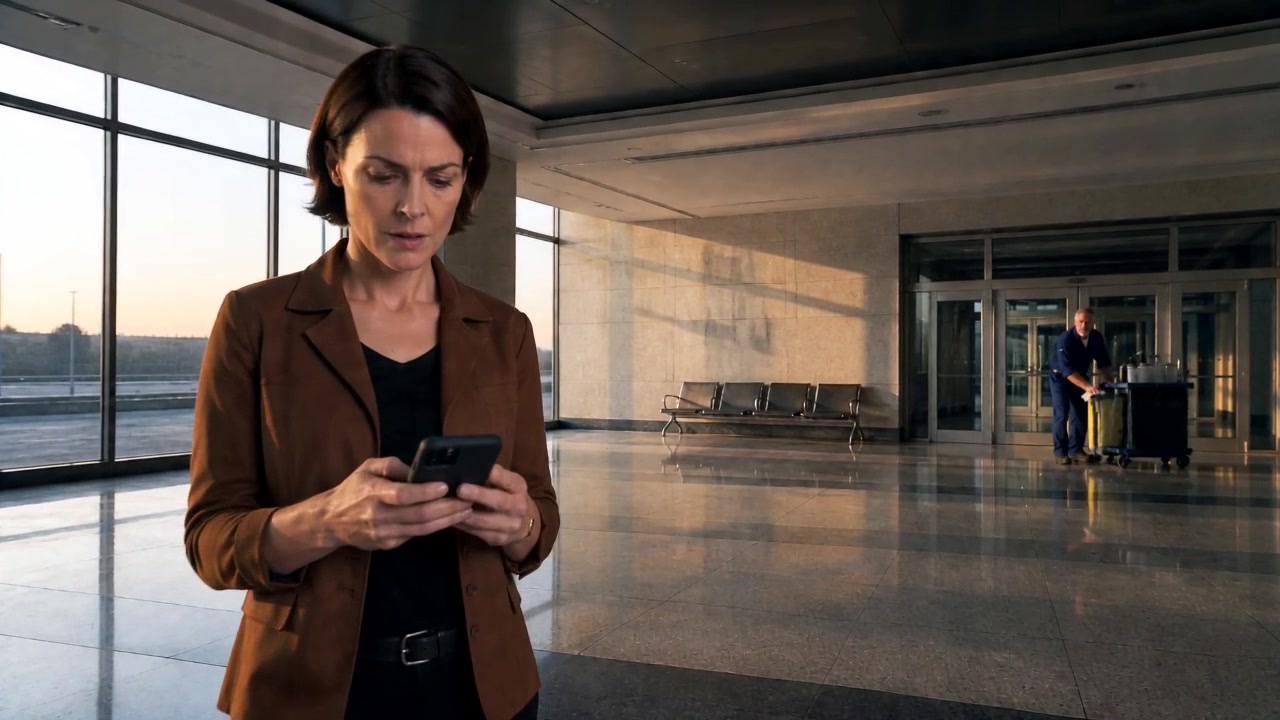
The middle frame is the clearest available evidence for a distinct background action beat.
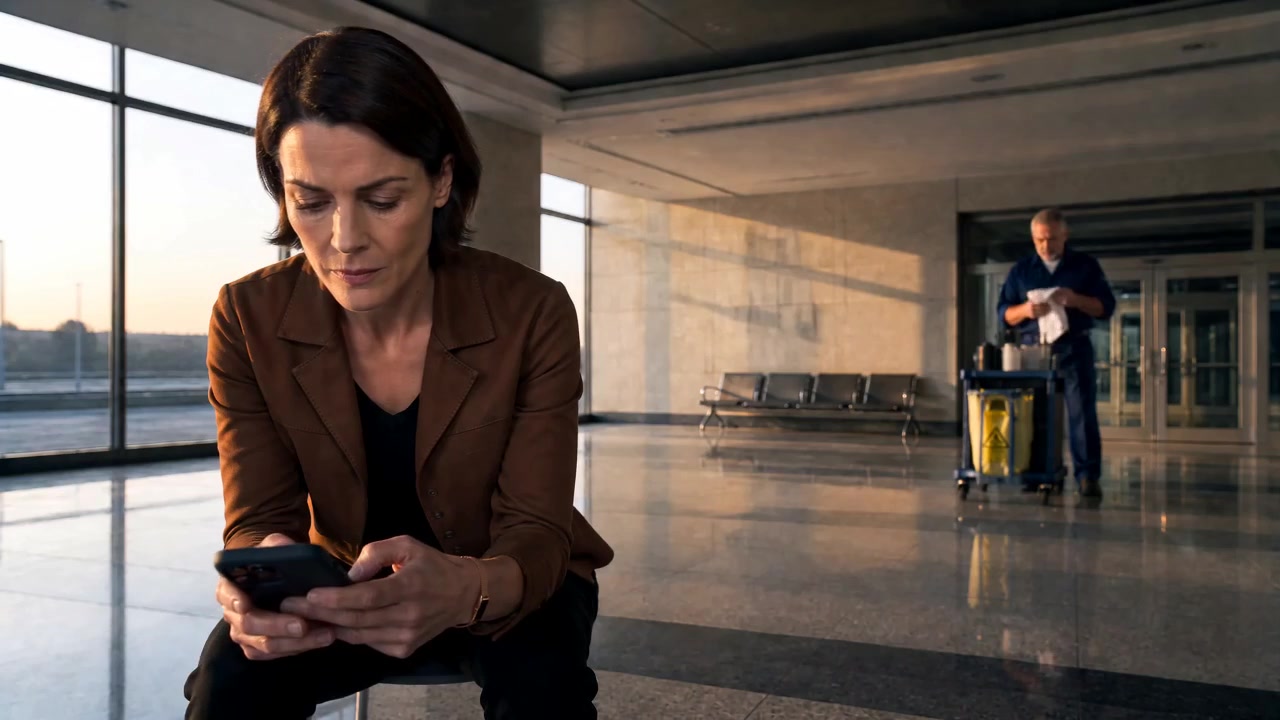
The late frame shows the resulting relationship between the foreground lead and background performer.
B group: a role-based task gives the supporting character a clearer narrative function.
The prompt was planned as an eight-second sequence. The current files provide reliable visual evidence through about 4.8 seconds, so the article uses that interval to compare role clarity, depth placement, and the order of visible action.
Give every supporting character a practical reason to be there
“People move naturally in the background” leaves the visible behavior open-ended. A role and immediate goal make the performance more specific.
In the station scene, the supporting character is a cleaner positioned near a cart and a row of benches. His task is related to the location and the objects already available. Folding a cloth, checking the floor, placing both hands on the cart, and moving it a short distance all belong to the same occupational logic.
Write three decisions before describing motion:
Role: station cleaner
Position: background right beside the cleaning cart
Immediate goal: organize his tools and move the cart into place
This small foundation can guide many settings. A server straightens a place setting, an office assistant files a folder, a mechanic returns a tool, or a commuter checks the departure board. Each action comes from the character's relationship to the environment.
Start with a low-intensity state action
A state action shows that the supporting character is alive before the story event begins. It should be compact, easy to recognize, and quieter than the lead's main activity.
For AVT-011, the cleaner looks down, slowly organizes a cloth, and occasionally checks the floor. He stays in the background right, keeps the visual center clear, and avoids direct eye contact with the camera.
For the first three seconds, the cleaner remains beside the cart.
He slowly folds a cleaning cloth and briefly checks the floor.
Keep the movement compact and contained in the background right.
The viewer receives identity, location, and purpose in one beat. The later cart movement then feels like the next step in a task instead of an unrelated gesture.
Build one environment interaction with a clear endpoint
A useful prop interaction has four parts:
contact → movement → visible result → stop
The cleaner places both hands on the handle, pushes the cart forward by half a step, lets one wheel lightly touch the nearby bench, and stops. The short travel distance preserves the composition. The contact with the bench creates a visible cue that another character can register.
From three to five seconds, the cleaner grips the cart handle with both hands.
He pushes the cart forward by half a step.
One wheel lightly touches the bench and creates a small visible vibration.
He stops immediately and remains beside the cart.
Distance and stopping language matter. “Half a step” limits the scale. “Stops immediately” gives the action a finished state and prevents it from becoming a repeated background loop.
Connect the background event to the lead
A supporting action becomes part of the story when the lead acknowledges it. The response can remain restrained.
AVT-011 orders the reporter's reaction from smallest to largest:
stop scrolling → lift the eyes → brief pause → turn the head
The eye movement begins the response before the head turn completes it. Because the cleaner stays in the background right, the reporter's gaze also confirms the spatial relationship between them.
After the cart touches the bench, the reporter stops scrolling.
She lifts her eyes first, pauses briefly, then turns toward the background right.
The cleaner remains settled beside the cart.
This response joins the foreground and background into one event. The shot now contains a trigger and a consequence instead of two unrelated performances.
Keep the visual hierarchy clear
Supporting motion works best when its scale, timing, placement, and contrast are controlled.
Production choice
Lead performer
Supporting performer
Depth
Foreground
Midground or background
Position
Primary visual area
Secondary side area
Motion
Carries the key reaction
Completes one compact task
Timing
Owns the decisive beat
Acts before the lead response
Duration
Can remain active through the shot
Moves briefly, then settles
Emphasis
Clear face and stronger visual priority
Readable with quieter emphasis
Translate hierarchy into visible instructions. Keep the cleaner behind the reporter, limit the cart movement to half a step, avoid crossing her silhouette, and let him settle before her reaction peaks. These conditions preserve the lead without reducing the supporting character to a static figure.
A reusable eight-second prompt
Create an eight-second multi-character scene using one character reference and one empty location reference. Preserve both identities, wardrobe, left-right positions, room layout, and lighting throughout the shot.

The lead character stays in the foreground left and performs the primary task. The supporting character stays in the background right beside a role-relevant object.

0–3 seconds — state:
The supporting character performs one compact, low-intensity task connected to the role, such as organizing a cloth, checking a tool, or arranging an object. Keep the center clear and maintain the lead as the visual focus.

3–5 seconds — trigger:
The supporting character makes one clear contact with the nearby object, moves or changes it by a small amount, reaches a visible result, and comes to a complete stop.

5–8 seconds — response:
The lead first pauses the current hand action, then shifts the eyes and turns slightly toward the supporting character. The supporting character remains beside the object with subtle natural breathing.

Keep the action order readable: background task, object interaction, lead reaction. Maintain continuous character positions and a clear foreground-background hierarchy.
The same structure can be adapted by changing the role, object, environmental result, and lead response.
Scenes that benefit from supporting-character action
A café conversation
Two people talk at a foreground table while a server works behind them. The server straightens a menu, lifts an empty cup, and steps back. One lead briefly looks toward the sound before returning to the conversation. The café feels active while the dialogue remains central.
A workplace video
A presenter speaks near the center of an office while a colleague sorts documents beside a cabinet. The colleague places one folder, closes the drawer, and settles. The presenter makes a short glance at the sound, linking the background task to the shared workspace.
A suspense scene
A traveler waits in the foreground while a maintenance worker checks a service door. The worker pulls the door partway open and freezes. The traveler stops checking the time and turns toward the door. Routine background activity becomes a story cue.
A retail scene
A shopper examines a product while an employee adjusts one item on a nearby shelf. The item shifts, the employee steadies it, and the shopper looks toward the movement. The environment feels staffed and responsive without filling the frame with simultaneous action.
How to review the generated scene
Check the beginning, middle, and end as separate states. At the beginning, the supporting character should have a recognizable role, stable location, and compact task. In the middle, the intended prop contact and movement should be easy to identify. At the end, the prop and performer should reach a settled state while the lead's gaze points toward the event.
Then watch the full sequence for timing. The environmental trigger should happen before the reaction. The supporting performer should stay in the assigned depth and side of frame. Clothing, identity, prop position, and the lead's silhouette should remain coherent across the motion.
For further testing, keep the references, duration, framing, and lead task consistent while changing only the supporting action chain. Once one supporting performer reads clearly, the method can be extended to a second background role with a separate, lower-priority time window.
Frequently asked questions
What is a good action for an AI video background character?
Choose a small task tied to the character's role and a nearby object. A cleaner organizes tools, a server adjusts a table setting, an employee files a document, or a mechanic returns a tool. Give the task a visible endpoint.
How much should a supporting character move?
Use compact motion over a short part of the shot. Limit travel distance, keep the performer in a secondary area, and end the action in a stable position.
How do I make background movement affect the story?
Create an environmental cue, then order the lead's response: pause the current action, shift the eyes, and turn toward the event. That sequence makes the causal relationship visible.
How can I keep the lead character dominant?
Place the lead in the primary depth and composition area. Keep supporting motion smaller, shorter, and away from the lead's silhouette, then let the lead own the final reaction beat.