

ArtArch Newsroom
AI Video TechniquesAI Character Reference Shot Size: Match the Reference to the Final Frame
Learn how to match AI character reference shot size to close, medium, and full-body video frames, with results from a controlled Seedance 2.0 test.
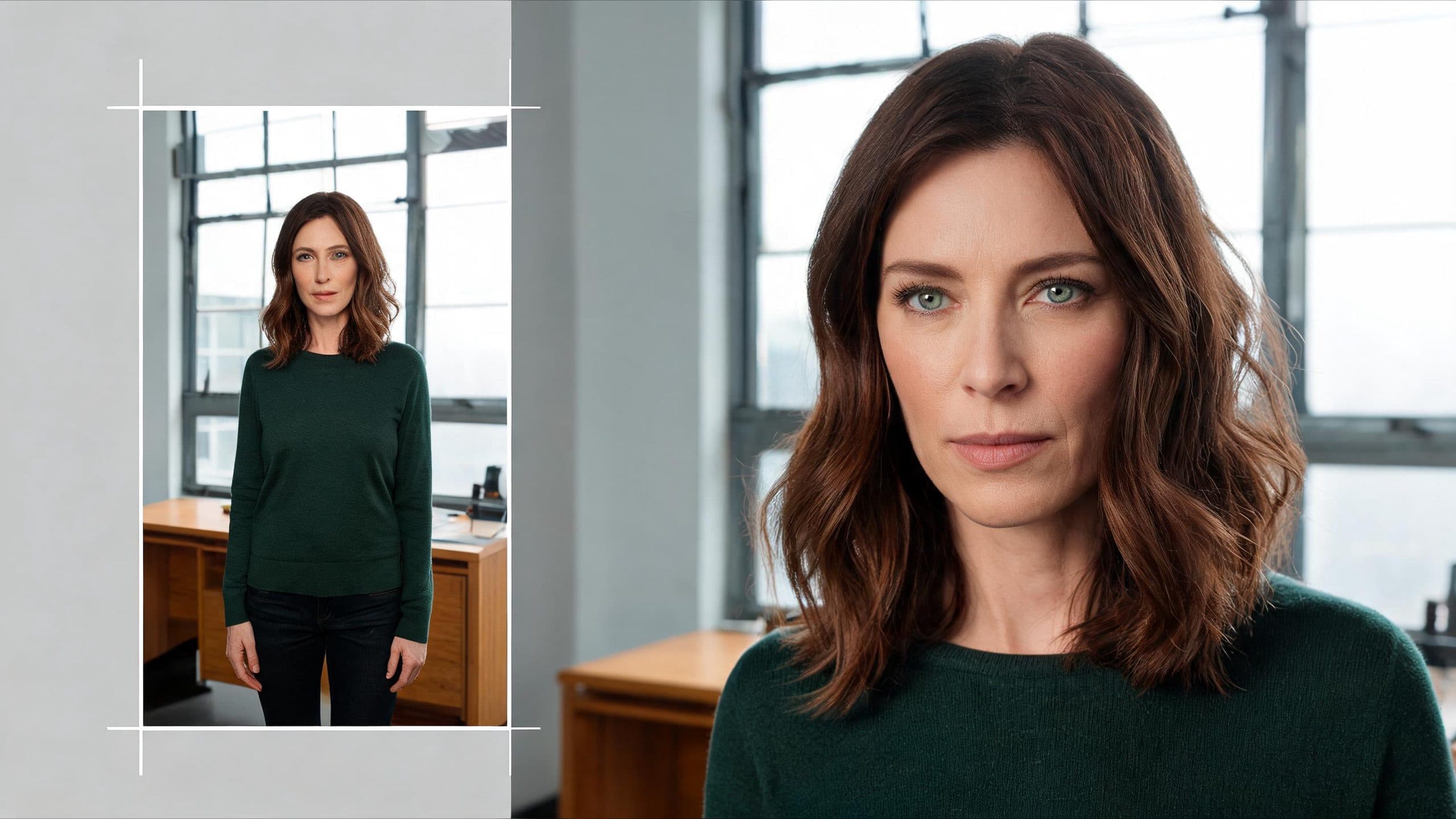
AI character reference shot size affects how much useful identity information reaches the final frame. Provide a character image cropped near the shot you want to create, then generate a close video portrait with readable eyes, skin texture, hair, and wardrobe. For a chest-up scene, a chest-up or close portrait gives the model a concentrated view of the features that matter most.
The practical rule is simple: use a face or upper-body reference for a close shot, a half-body reference for a medium shot, and a full-body reference when posture, clothing, and proportions need to remain visible. Keep the scene reference, action, camera direction, and output settings fixed while choosing the character image that best matches the target composition.
Give the character and environment separate jobs
A clear reference plan prevents one image from carrying too many responsibilities. Let the character image define identity, facial structure, hair, body type, and wardrobe. Let a separate environment image define the room, materials, window position, furniture, and light.
For a close studio portrait, the instruction can stay compact:
Character reference: preserve identity, facial structure, hair, body type, and wardrobe.
Environment reference: preserve the room layout, window position, materials, furniture, and daylight.

Create one chest-up close shot. The character looks outside the window, hears a phone vibrate on the desk, turns back toward camera, blinks once, and settles into a calm three-quarter profile. Use a restrained slow push-in and natural shallow depth of field.
This division keeps the face readable while preserving the visual logic of the location.
What the comparison showed
In a six-second Seedance 2.0 comparison, both a full-body identity image and a matching close portrait produced a stable chest-up shot of the same woman in the same creative studio. Both versions preserved her chestnut hair, dark green top, room layout, window, desk, and phone while completing the same turn-back action.
The close-reference version showed slightly sharper eye definition and more visible facial texture in the sampled beginning, middle, and ending images. The full-body version also produced a clear, stable face, leaving a modest difference between the two results. In this scene, matching the reference crop improved facial detail at the margin while the model's full-body-reference baseline remained strong.
Choose the reference by the decision that matters
A dialogue close-up
A short-drama creator preparing a reaction shot can start from a chest-up portrait that clearly shows the actor's eyes, face shape, hairline, and costume neckline. The final frame then has dense identity information for the part of the character that fills the screen.
A fashion or movement shot
A creator showing an outfit, walk, or full-body gesture can use a full-body reference. That image carries the silhouette, garment length, stance, and proportions needed for the wider composition.
Keep exploring
More in AI Video Techniques
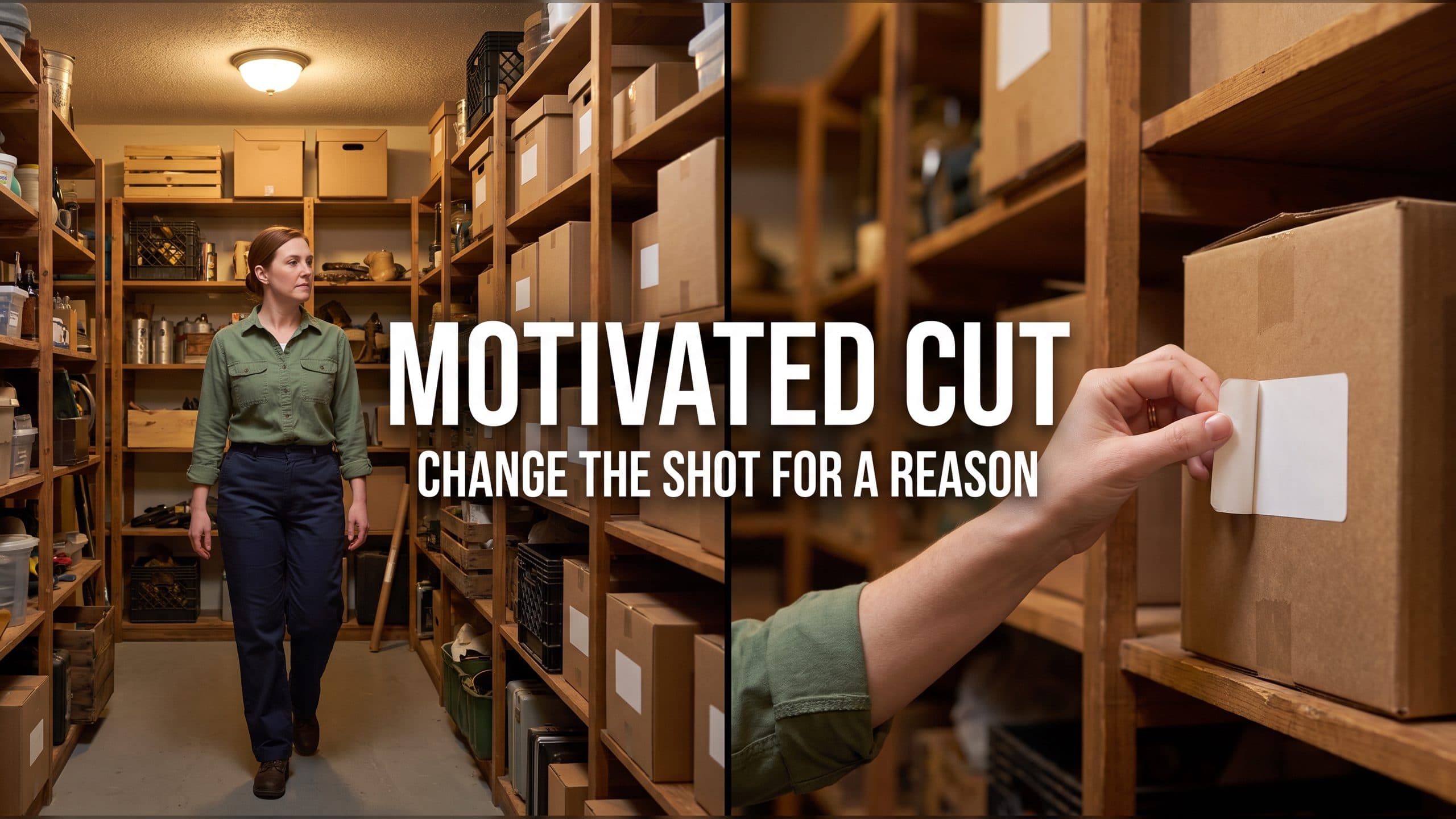
Motivated Cut AI Video Continuity: Change the Shot for a Reason
Learn how a visible action trigger, clear shot-size change, and locked screen direction create more intentional same-scene AI video edits.
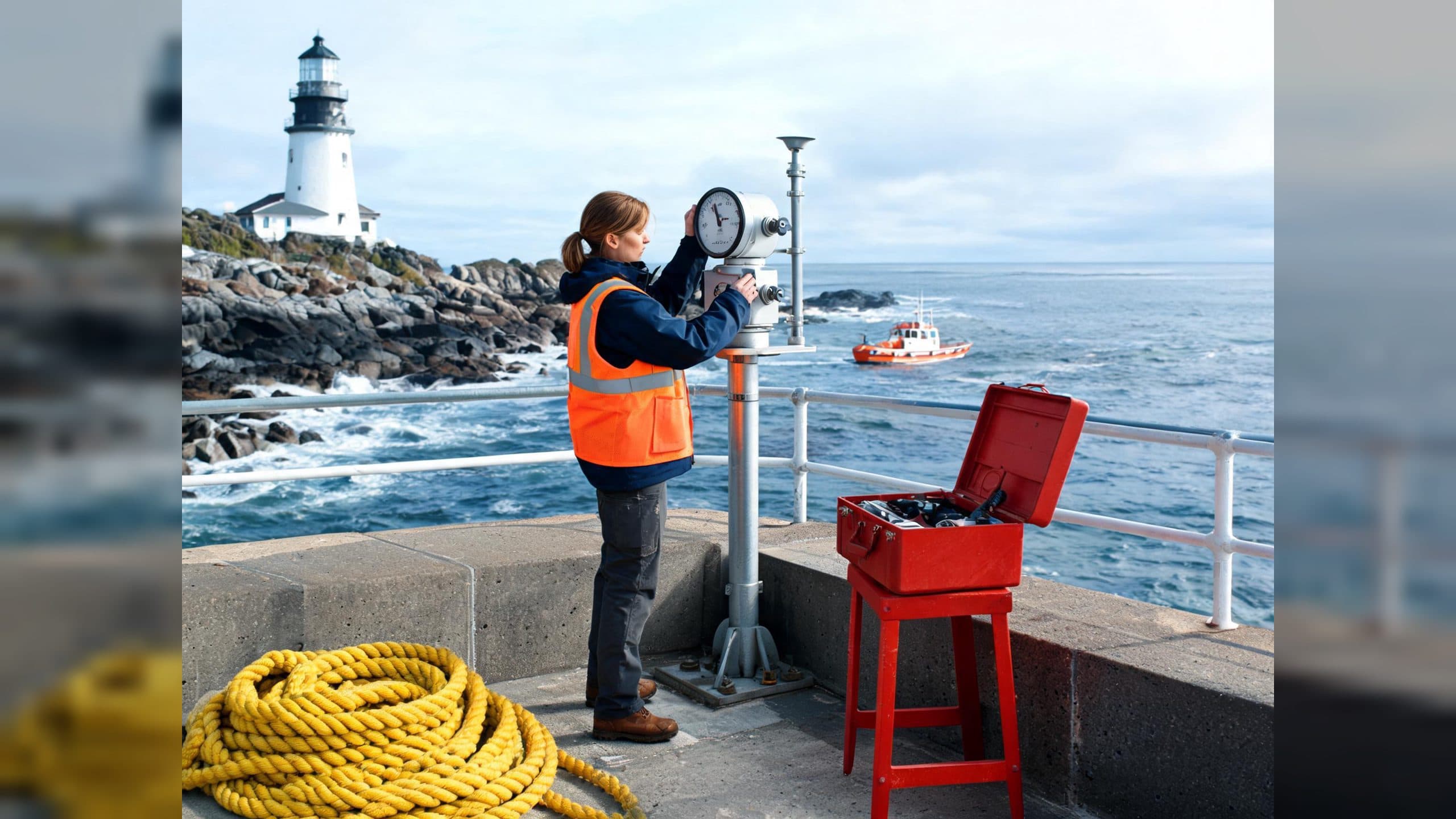
Deep Depth of Field AI Video: Keep Every Story Layer Readable
Learn how deep depth of field AI video prompts keep foreground tools, central action, and distant location cues readable in one layered shot.
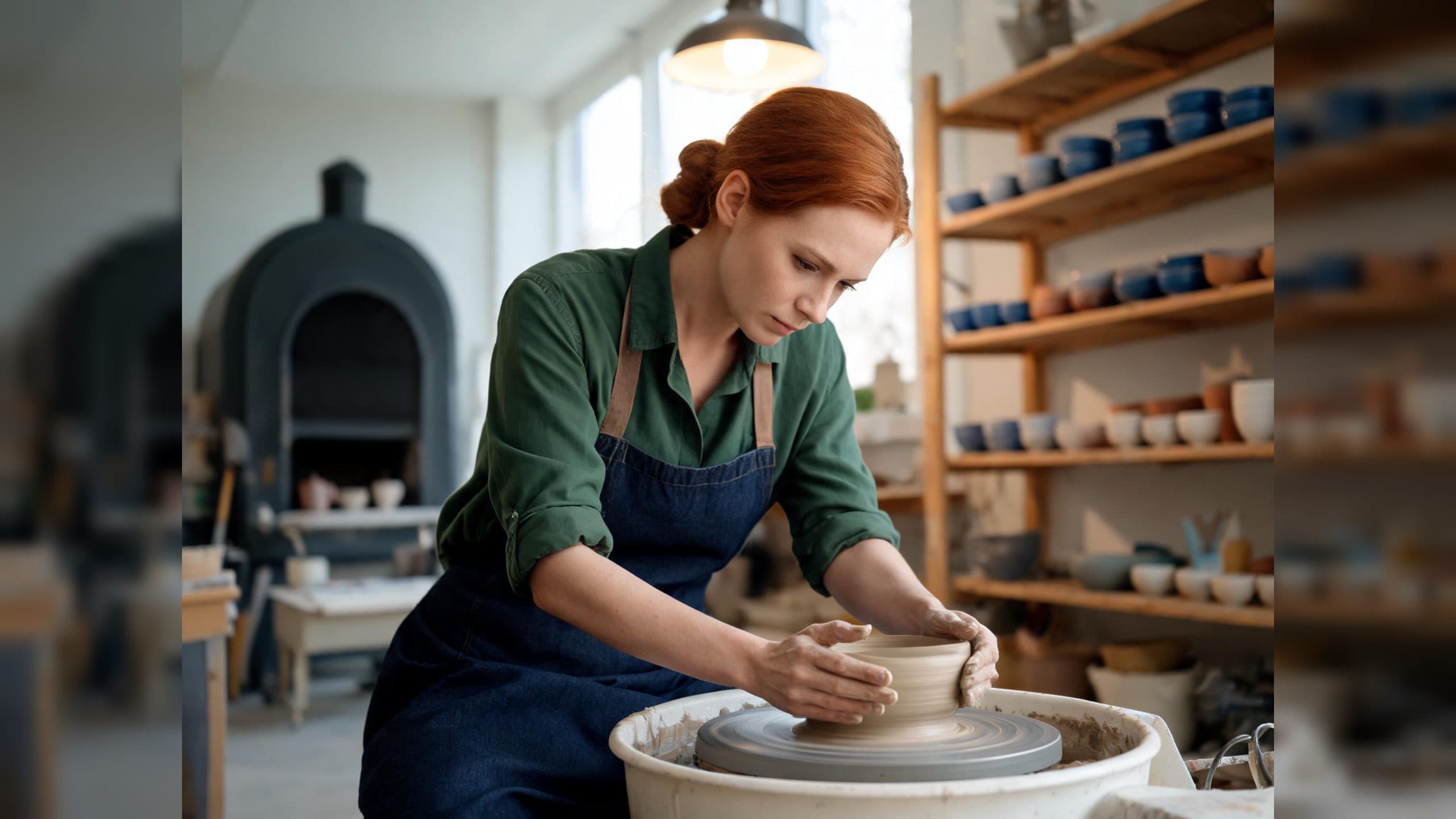
Medium Depth of Field AI Video: Balance Subject and Setting
Learn how medium depth of field AI video prompts keep hands and active objects readable while preserving recognizable environmental context.
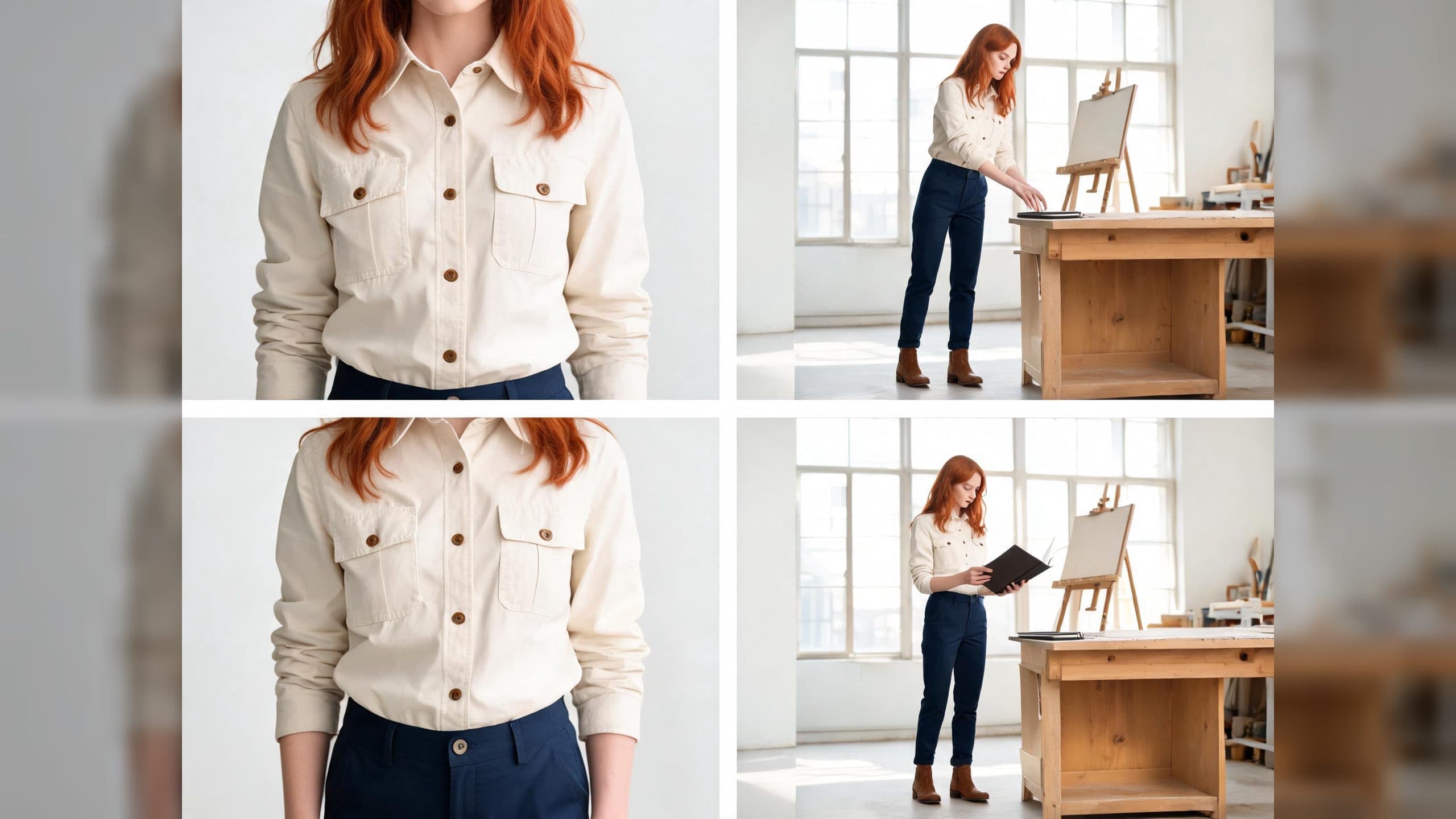
AI Video Character Reference Framing: Match Portraits to Landscape Shots
Prepare vertical character portraits for landscape AI video by matching aspect ratio, body scale, headroom, floor space, and movement room before generation.