

ArtArch Newsroom
AcademyHow to Plan 12 Reference Files for MiniMax H3
Assign clear identity, product, style, motion, camera, and audio roles across a MiniMax H3 mixed request without creating contradictory references.
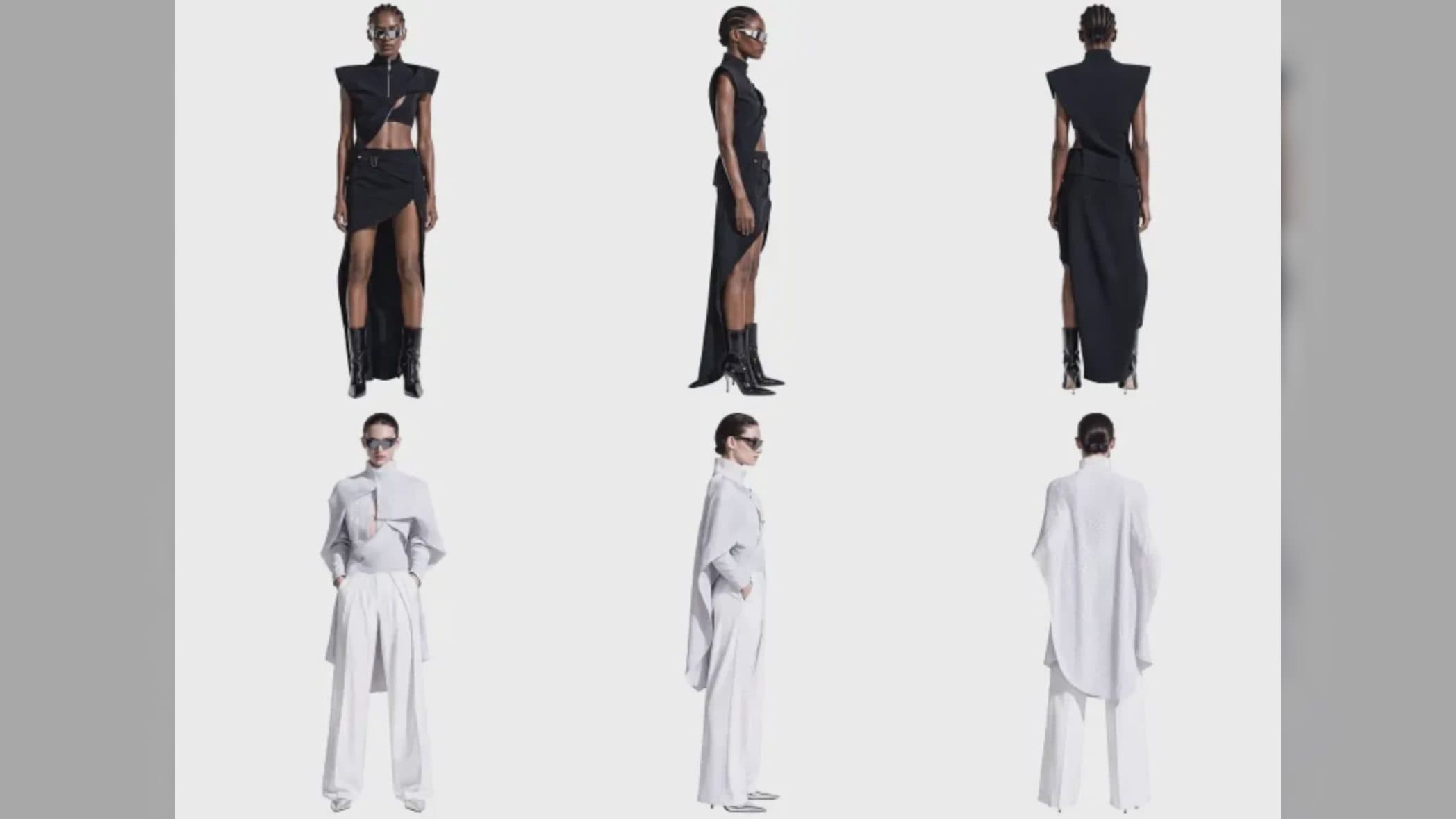
How to plan 12 reference files for MiniMax H3
MiniMax H3 reference planning is an exercise in evidence management. Omni Reference allows up to nine images, three video clips, and three audio clips, with no more than 12 mixed files. Filling every slot is rarely necessary. Each file should answer a distinct question about identity, product, environment, motion, camera, or sound.
A reference matrix prevents duplicate or contradictory inputs before generation begins.
Inventory the decisions
List the visible decisions in the shot: character face, body and wardrobe; product form; location; visual treatment; subject action; camera movement; voice; rhythm; and ambience. Mark which decisions need a file and which can be described clearly in text.
Choose one primary reference for each critical identity. Add another only when it contributes a missing angle or detail. Remove near-duplicates and images from incompatible versions.
Respect media limits
Reference video and audio files must each be 2 to 15 seconds. Video duration totals at most 15 seconds, and audio duration has its own 15-second total. Audio cannot be the only reference input.
Images can be JPG, JPEG, PNG, WEBP, HEIC, or HEIF, with a 30 MB per-file limit. Video is limited to 50 MB per file and audio to 15 MB. The API request body is capped at 64 MB, so the manual recommends URL inputs.
Label every role in the prompt
Use stable names such as Character A identity, jacket detail, product geometry, camera path, hand action, or voice tone. When a file contains extra visual information, state what to ignore. Clarify priority when style and product accuracy might conflict.
After generation, trace each acceptance check back to its source. If a product detail fails, revise its evidence without destabilizing an accepted voice or camera reference.
Frequently asked questions
Must I use all 12 reference slots?
No. Use only files with a distinct role and consistent evidence.
Can I use three 15-second videos?
No. Although up to three videos are allowed, their combined duration can be no more than 15 seconds.
Can I submit three audio clips without images?
No. Audio must accompany at least one image or video.
Create the reference matrix, remove contradictions, verify formats and limits, and assign every retained file a role in ArtArch before generating with H3.
Keep exploring
More in Academy
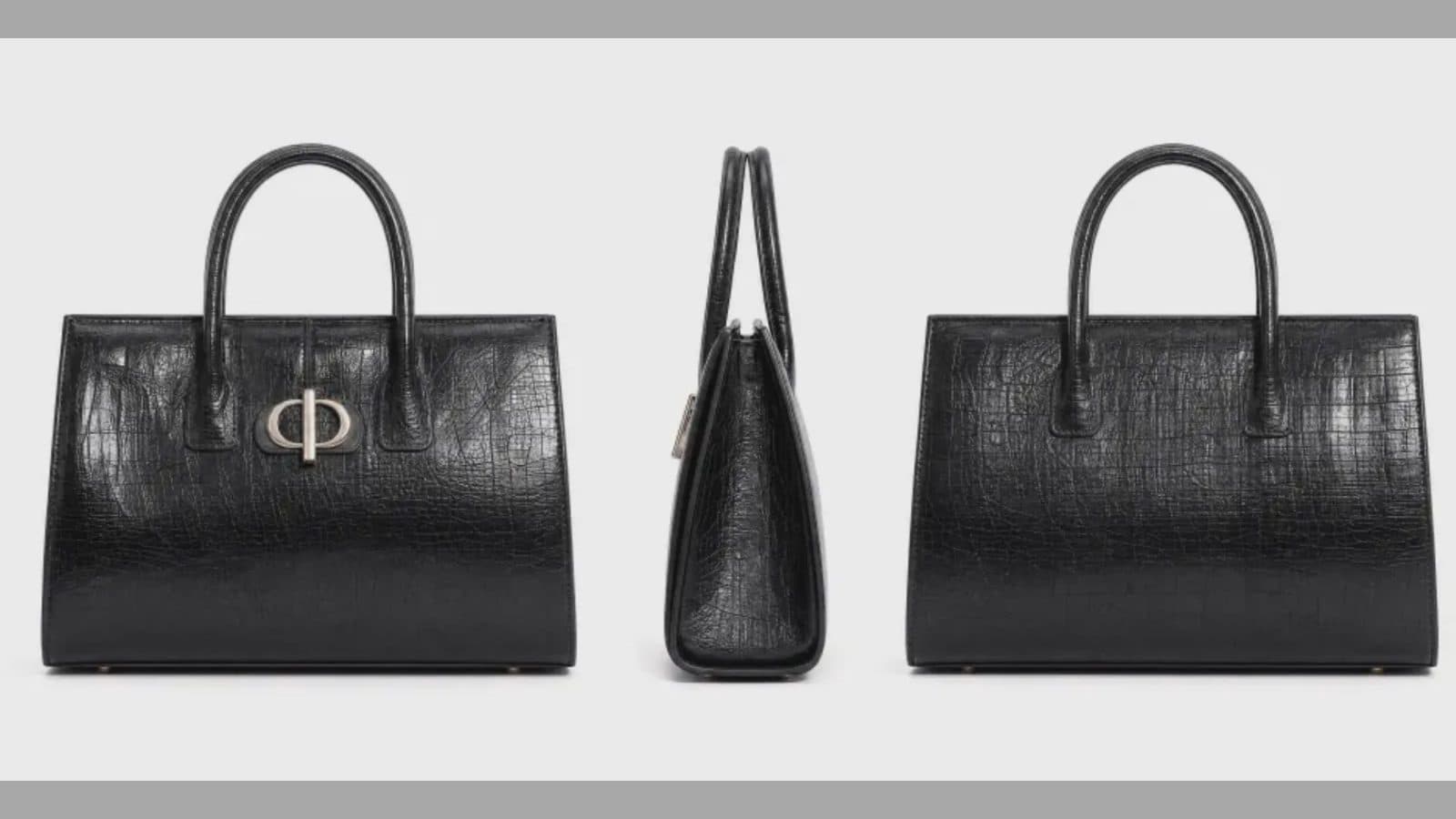
MiniMax H3 Production Checklist for Commercial Video Teams
Review MiniMax H3 inputs, rights, prompt scope, identity, product accuracy, audio, format, retries, approvals, and delivery before production.
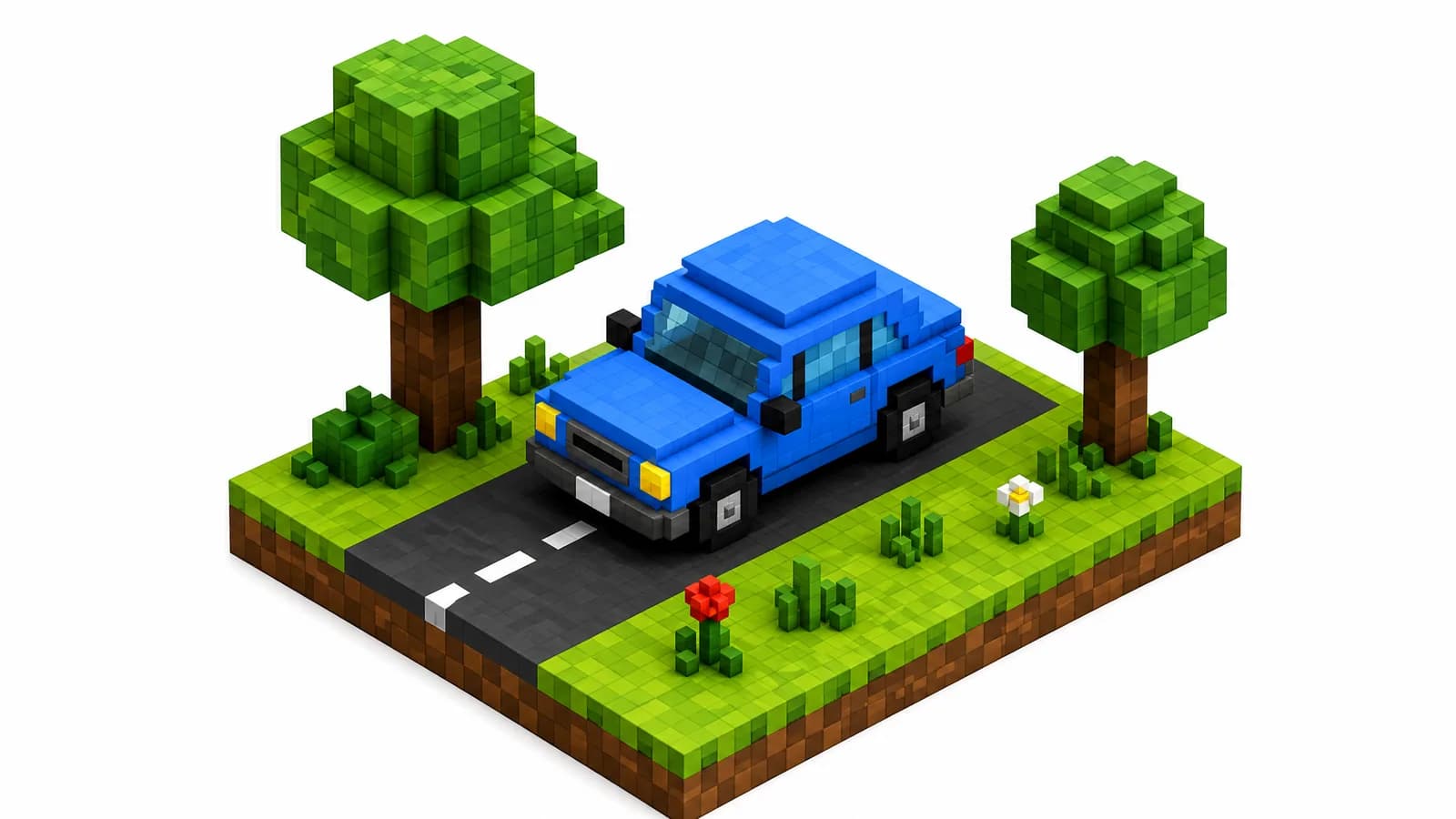
MiniMax H3 API Media Formats and URL Input Checklist
Prepare MiniMax H3 API media with supported codecs, image and audio formats, file limits, 64 MB request bodies, and URL-based inputs.
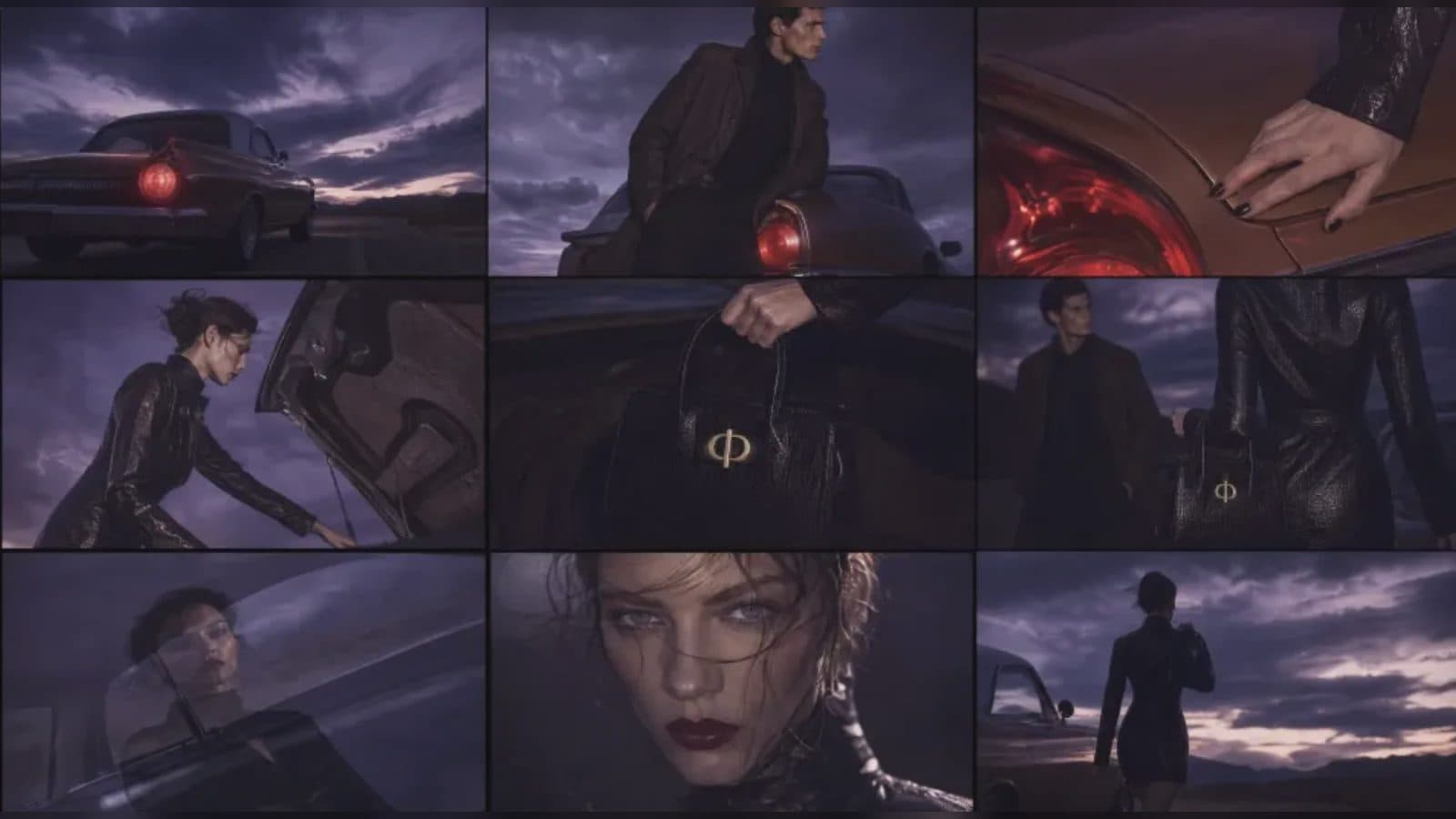
Use MiniMax H3 for Storyboard and Visual Pitch Previews
Turn keyframes and a creative brief into a MiniMax H3 motion preview for shot order, transitions, timing, sound, and stakeholder review.
MiniMax H3 Clay Animation Prompt for Dynamic Action
Write a MiniMax H3 clay animation shot with material rules, a readable action arc, dramatic camera movement, scale cues, and physical continuity.