

ArtArch Newsroom
AcademyMiniMax H3 Prompt Guide for Precise Multi-Part Instructions
Write precise MiniMax H3 prompts that separate replacements, removals, additions, protected details, timing, and final acceptance checks.
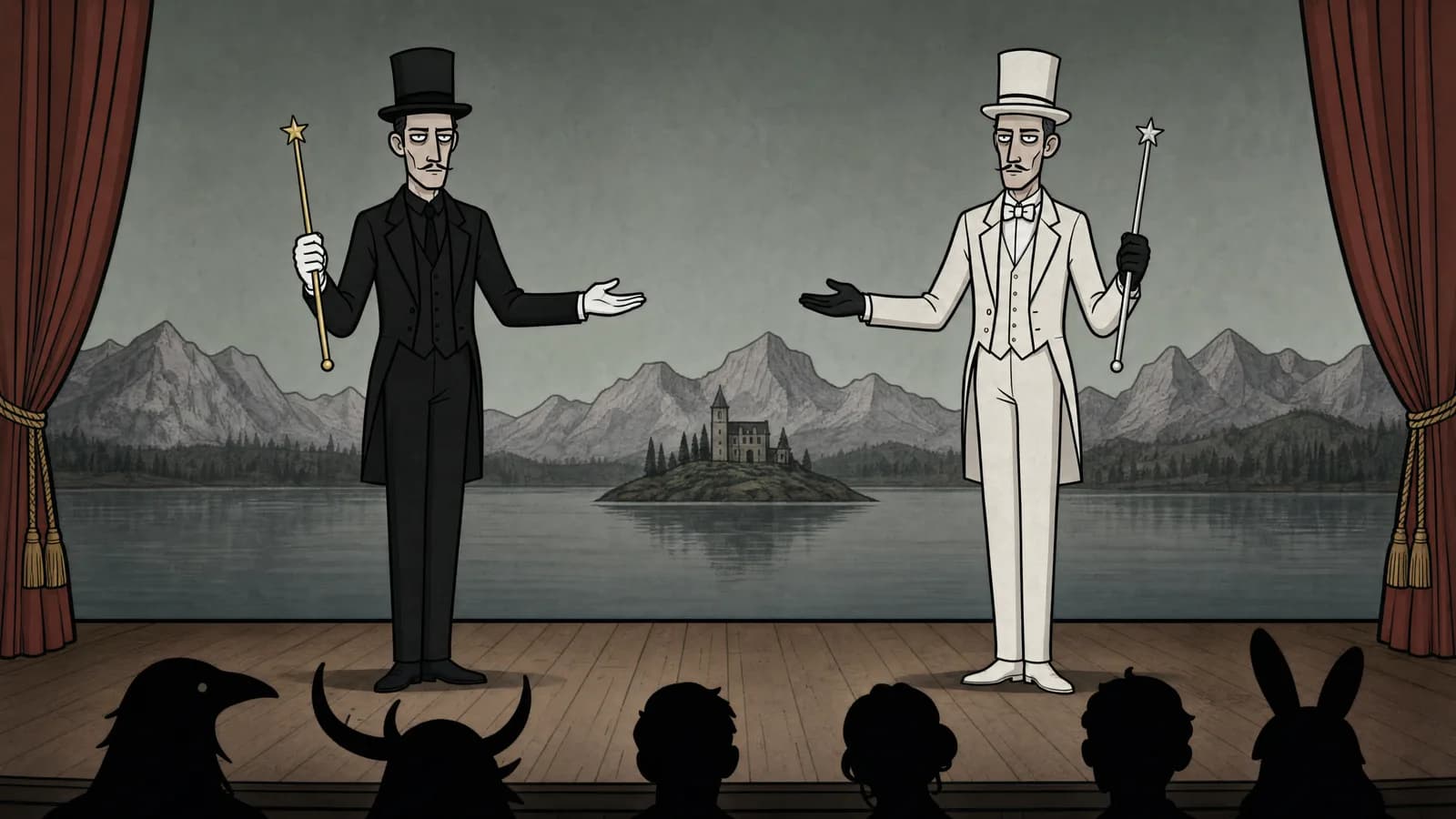
MiniMax H3 prompt guide for precise multi-part instructions
A useful MiniMax H3 prompt guide begins with edit logic, not decorative language. The model accepts prompts up to 7,000 characters, but length is not the goal. A strong prompt tells H3 what each reference means, what happens over time, what may change, and what must remain protected.
This structure is especially important for Omni Reference, where images, video, and audio can contribute different evidence to one request.
Start with the task sentence
Open with one clear transformation: generate a new shot, continue between frames, replace a character, change a background, or build a sequence from references. Name the desired duration and aspect ratio when they matter.
Next, assign references by role. One image may define a face, another a product, a video the camera motion, and an audio clip the voice tone. Avoid saying only “use all references,” because that leaves their relationships unresolved.
Put events on a timeline
For a short shot, use a beginning, development, and ending. Describe when the subject enters, acts, speaks, reacts, and reaches the final composition. If sound hits or cuts matter, attach them to visible moments.
Complex editing prompts benefit from four labels: replace, remove, add, and preserve. A request might replace one jacket, remove a sign, add rain outside, and preserve every face, the camera move, room layout, and dialogue. These boundaries make failures easier to diagnose.
Use acceptance language
Finish with observable checks rather than broad praise words. Product text remains readable. The same person appears before and after the turn. The camera ends on the supplied frame. The spoken line is exact. No new people enter.
When revising, change the smallest section connected to the failure. Rewriting the entire prompt can destroy parts that already passed review.
Frequently asked questions
How long can a MiniMax H3 prompt be?
The supplied manual lists a 7,000-character limit.
Should I include technical camera terms?
Use them when they describe a visible result you can review. Plain directions about position, path, speed, and framing are also effective.
How should I refer to uploaded files?
Give each file a stable role such as character identity, product shape, camera motion, or voice tone.
Build the task, reference roles, timeline, protected details, and acceptance checks in ArtArch before sending the H3 generation for review.
Keep exploring
More in Academy

MiniMax H3 Production Checklist for Commercial Video Teams
Review MiniMax H3 inputs, rights, prompt scope, identity, product accuracy, audio, format, retries, approvals, and delivery before production.

MiniMax H3 API Media Formats and URL Input Checklist
Prepare MiniMax H3 API media with supported codecs, image and audio formats, file limits, 64 MB request bodies, and URL-based inputs.
How to Plan 12 Reference Files for MiniMax H3
Assign clear identity, product, style, motion, camera, and audio roles across a MiniMax H3 mixed request without creating contradictory references.
Use MiniMax H3 for Storyboard and Visual Pitch Previews
Turn keyframes and a creative brief into a MiniMax H3 motion preview for shot order, transitions, timing, sound, and stakeholder review.