

ArtArch Newsroom
AcademyMiniMax H3 Aspect Ratios for Social, Film, and Product Video
Choose among MiniMax H3 21:9, 16:9, 4:3, 1:1, 3:4, and 9:16 formats based on the screen, composition, and delivery channel.

MiniMax H3 aspect ratios for social, film, and product video
MiniMax H3 aspect ratios cover six common shapes: 21:9, 16:9, 4:3, 1:1, 3:4, and 9:16. Text-to-video and Omni Reference workflows can request these formats, while Omni Reference can also choose automatically. First and last frame mode follows the ratio of the input image.
The right ratio is a composition decision. It determines what the viewer can inspect, how characters share the frame, where text can appear, and which delivery channel receives the clearest version.
Use 21:9 for environments and horizontal tension
A 21:9 frame gives a location room to participate in the shot. It can hold a small character against a large gate, a car on an empty road, or two people separated by negative space. The H3 manual lists 2976 by 1248 for 1440p output in this format.
The wide frame is less suitable for mobile-first faces or tall products. Important details placed near the edges may also disappear when a platform crops the video.
Use 16:9 for flexible horizontal delivery
Sixteen by nine is the safest choice for websites, presentations, video platforms, and landscape campaign cuts. It gives enough width for camera movement without making the subject too small.
Brand films, trailers, interface demonstrations, and product stories in the supplied manual frequently use this format. That does not make it automatic. A vertical or square destination still needs its own composition.
Use 9:16 for face-led mobile scenes
Nine by sixteen favors close and medium shots, direct eye lines, full-height fashion poses, and stacked interface elements. The supplied vertical-drama examples use faces, reactions, and relationship tension as the main visual information.
Plan safe space at the top and bottom for platform controls. Keep the decisive action near the center rather than relying on wide lateral movement.
Use 1:1, 4:3, and 3:4 for compact layouts
A square frame can center a product, poster, or single character with balanced negative space. Four by three supports a retro screen language, compact narrative framing, and some interface concepts. Three by four gives portraits and products more vertical room without the extreme height of a phone frame.
These formats can also preserve reference images with less cropping. In first and last frame mode, prepare the frame images at the intended final ratio because H3 follows their original shape.
Do not rely on automatic ratio for fixed delivery
Automatic selection is useful during exploration. It is a poor substitute for a delivery specification. If a campaign needs 9:16, state it. If the result must fit a 21:9 display, prepare the references and typography for that width.
Before generating, sketch the subject box, action path, title area, and protected details inside the frame. After generation, test the result at the actual display size.
Keep exploring
More in Academy

MiniMax H3 Production Checklist for Commercial Video Teams
Review MiniMax H3 inputs, rights, prompt scope, identity, product accuracy, audio, format, retries, approvals, and delivery before production.

MiniMax H3 API Media Formats and URL Input Checklist
Prepare MiniMax H3 API media with supported codecs, image and audio formats, file limits, 64 MB request bodies, and URL-based inputs.
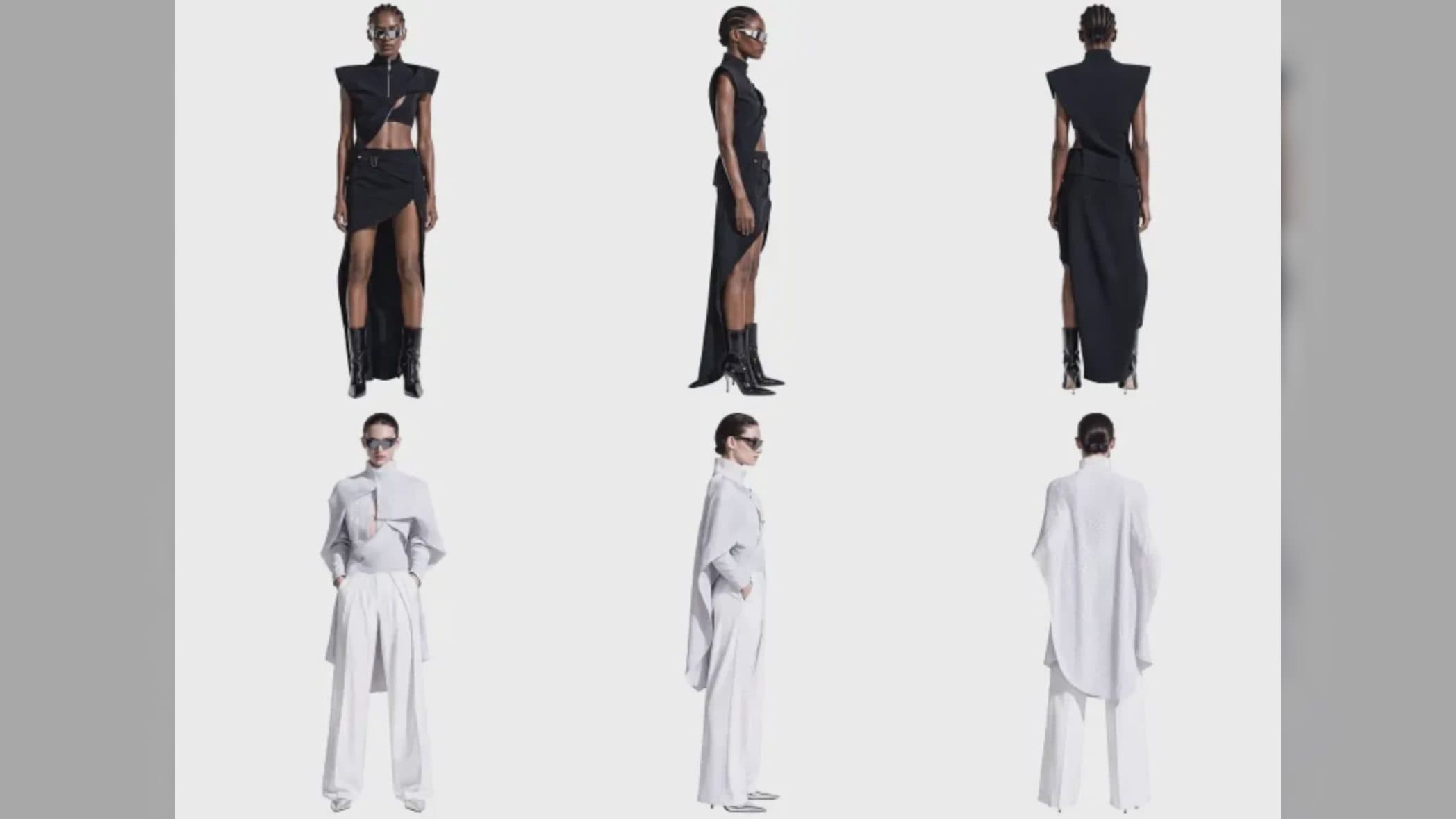
How to Plan 12 Reference Files for MiniMax H3
Assign clear identity, product, style, motion, camera, and audio roles across a MiniMax H3 mixed request without creating contradictory references.

Use MiniMax H3 for Storyboard and Visual Pitch Previews
Turn keyframes and a creative brief into a MiniMax H3 motion preview for shot order, transitions, timing, sound, and stakeholder review.