

ArtArch Newsroom
Latest ModelSeedance 2.5 Timestamp Prompt for Character Turns
Learn seedance 2.5 timestamp prompt for character turns with a source-grounded Seedance 2.5 workflow.
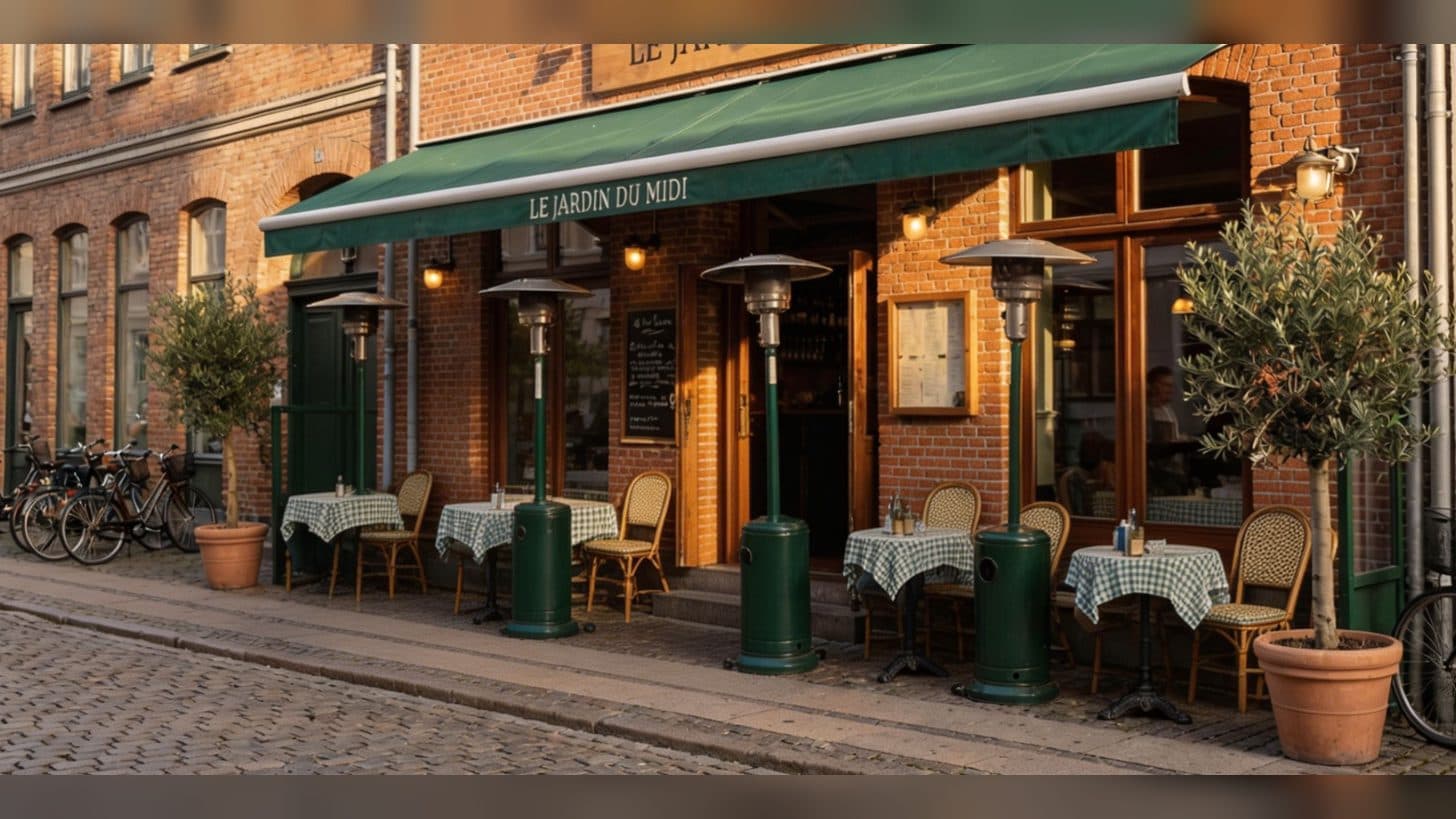
seedance 2.5 timestamp prompt for character turns is a practical way to turn a performance where a character turns, pauses, and responds on cue. Start with a timed action list, then give the sequence a visible order that a viewer can follow. Text instructions can specify timestamps for actions and scene transitions.
Project focus
Treat a performance where a character turns, pauses, and responds on cue as the decision that shapes this piece. Establish the main subject and setting before the first change, then describe the next visible action in plain language. Place camera direction beside the action it supports, so a close detail, wider reveal, or change of viewpoint arrives when the story needs it.
A portrait creator can place a glance toward camera after an opening walk. A dancer can mark the start of a spin. A fashion editor can time the shift from detail view to a full-body pose.
A useful creation path
- List the action changes in the order viewers should see them.
- Assign clear timestamps to the important turns, movements, and scene shifts.
- Keep the timing instructions tied to visible action.
Review the finished sequence
Read the project from the first image through the closing beat. The viewer should be able to identify the subject, setting, and purpose of every action. Keep the details that make a performance where a character turns, pauses, and responds on cue useful, and let later shots develop from the decisions set in the opening section.
Frequently asked questions
What can timestamps control?
They can place a described action or scene transition at a specified point in the video.
Which moments need a time marker?
Use markers for visible turns such as an entrance, gesture, reveal, or change of scene.
How should timed instructions read?
Write the second first, then describe the action and the camera view that accompanies it.
Open the Seedance 2.5 experience on ArtArch and start the project with your selected visual direction.
Keep exploring
More in Latest Model
Wan3.0 for An Independent Short Film: Build Audio-Led Storytelling Video Stories in Studio
Use Wan3.0 in Studio to turn a screenplay excerpt, character references, and a visual mood reference into a scene where voice, ambience, and effects reinforce the visible action. Explore audio-led storytelling workflows with up to 30 seconds of native video.
Wan3.0 for An Event Opener: Build Audio-Led Storytelling Video Stories in Studio
Use Wan3.0 in Studio to turn venue photos, an event brief, and a music reference into a scene where voice, ambience, and effects reinforce the visible action. Explore audio-led storytelling workflows with up to 30 seconds of native video.
Wan3.0 for An Educational Explainer: Build Audio-Led Storytelling Video Stories in Studio
Use Wan3.0 in Studio to turn a PDF or slide deck, a diagram image, and a narration outline into a scene where voice, ambience, and effects reinforce the visible action. Explore audio-led storytelling workflows with up to 30 seconds of native video.
Wan3.0 for A Social Campaign: Build Audio-Led Storytelling Video Stories in Studio
Use Wan3.0 in Studio to turn a campaign image, a concise message, and a web reference into a scene where voice, ambience, and effects reinforce the visible action. Explore audio-led storytelling workflows with up to 30 seconds of native video.
From insight to creation
Turn the latest model into your next shot.
Take what you learned into ArtArch Studio and start building with the latest creative models.