

ArtArch Newsroom
Latest ModelWan3.0 for An Event Opener: Build Audio-Led Storytelling Video Stories in Studio
Use Wan3.0 in Studio to turn venue photos, an event brief, and a music reference into a scene where voice, ambience, and effects reinforce the visible action. Explore audio-led storytelling workflows with up to 30 seconds of native video.
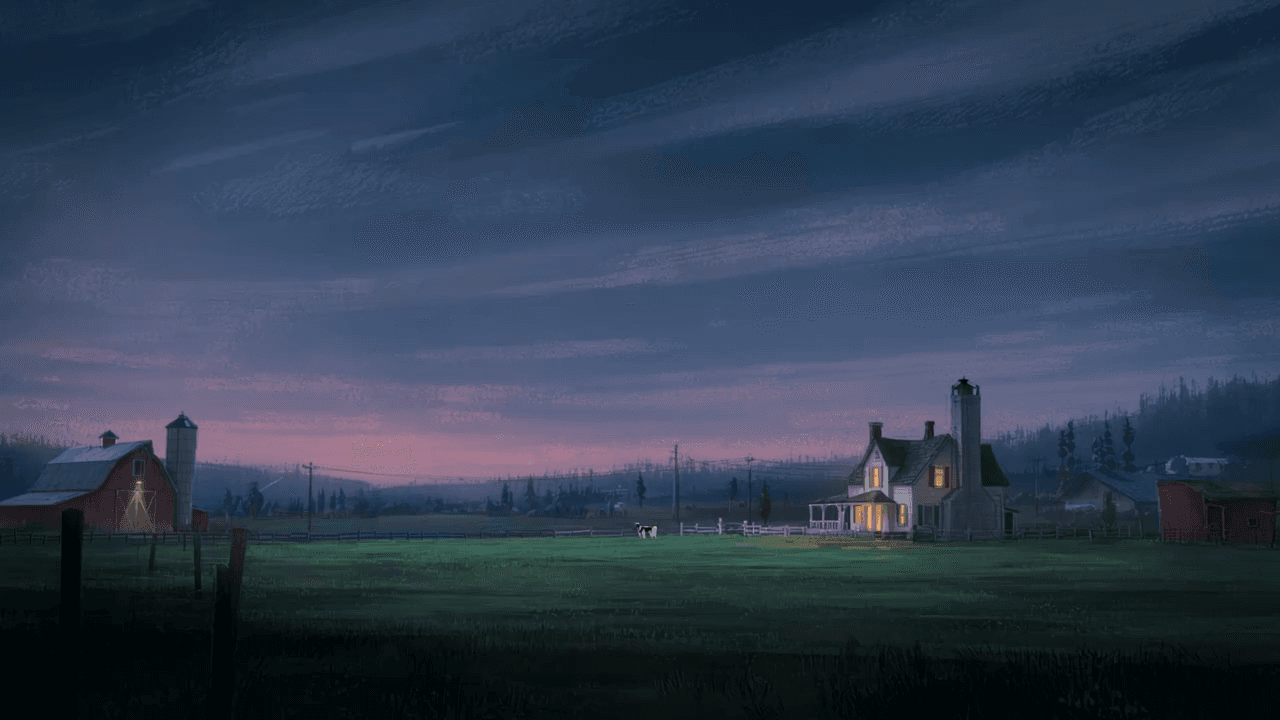
Upload or provide venue photos, an event brief, and a music reference to create a crowd, stage, or venue transformed into a polished opening sequence. Wan3.0 turns that direction into a scene where voice, ambience, and effects reinforce the visible action, with camera movement, subject action, atmosphere, and sound described as one coherent visual plan. The Wan3.0 video card is fully available across Studio's video-generation cards, so this workflow starts in the same place as your other Studio video projects.
Why this Wan3.0 approach fits
For an event opener, the strongest result comes from making the intended viewer experience concrete. Name the subject first, then define its setting, composition, lighting, motion, and the final beat. Wan3.0 can work with image, video, and audio references, and it can also read document formats such as DOC, XLS, PPT, PDF, and MD. A brief, reference image, or source URL can therefore carry more context than a short generic prompt.
The model supports up to 20 reference assets. That makes it practical to combine a character image, a location frame, a prop, a visual style reference, and an audio cue when the story depends on several elements staying related. Keep each reference purposeful: one identity, one place, one motion idea, or one sound relationship.
A practical Studio workflow
- Collect the scene inputs. Start with the venue photos, an event brief, and a music reference. Choose references with a clear subject, useful framing, and enough visible detail for the action you want.
- Write the visible transformation. Explain how the opening composition changes into a crowd, stage, or venue transformed into a polished opening sequence. Include the camera path, the subject's gesture, the lighting change, and the moment the audience should notice.
- Shape the timing. Wan3.0 can create a native sequence of up to 30 seconds. Use short time ranges or ordered beats for setup, movement, and payoff so the pacing remains intentional.
- Refine with references. Subject references help preserve identity, temporal references help guide motion, and audio references help align the scene's rhythm. File and URL references can add supporting context when the brief is more detailed than a single paragraph.
Prompt direction for this scene
Use a direct opening sentence: "Create a crowd, stage, or venue transformed into a polished opening sequence." Follow it with the environment, visual style, subject design, camera movement, and sound. The most useful prompts describe what the viewer sees at each stage. For audio-led storytelling, Pair each visible beat with the voice, music, or effect that should be heard at the same moment. Keep the closing image explicit so the generation has a visual destination instead of a loose collection of adjectives.
Who can use this card
Creators can adapt this workflow for a first concept, a pitch video, a campaign variation, or a short finished scene. A filmmaker may begin with a screenplay excerpt; a designer may start from a mood board; a marketer may provide product references and a message; an educator may use a document and a diagram. The same Studio card keeps the creative brief, references, and timing together.
Frequently asked questions
What should I provide?
Use a text brief together with the image, video, audio, file, or URL references that matter to the scene.
How long can one generation be?
Wan3.0 supports native video generation up to 30 seconds in a single pass.
Can I keep a subject consistent?
Use subject or temporal references and describe the identity, wardrobe, and camera continuity clearly.
Where can I use it in Studio?
Wan3.0 is fully available in Studio's video-generation cards, so you can start from the card that matches the scene.
Click the template card on the page, enter the experience page, and try the Wan3.0 template.
Keep exploring
More in Latest Model
Wan3.0 for An Independent Short Film: Build Audio-Led Storytelling Video Stories in Studio
Use Wan3.0 in Studio to turn a screenplay excerpt, character references, and a visual mood reference into a scene where voice, ambience, and effects reinforce the visible action. Explore audio-led storytelling workflows with up to 30 seconds of native video.
Wan3.0 for An Educational Explainer: Build Audio-Led Storytelling Video Stories in Studio
Use Wan3.0 in Studio to turn a PDF or slide deck, a diagram image, and a narration outline into a scene where voice, ambience, and effects reinforce the visible action. Explore audio-led storytelling workflows with up to 30 seconds of native video.
Wan3.0 for A Social Campaign: Build Audio-Led Storytelling Video Stories in Studio
Use Wan3.0 in Studio to turn a campaign image, a concise message, and a web reference into a scene where voice, ambience, and effects reinforce the visible action. Explore audio-led storytelling workflows with up to 30 seconds of native video.

Wan3.0 for A Travel Story: Build Audio-Led Storytelling Video Stories in Studio
Use Wan3.0 in Studio to turn location photos, a route note, and an ambient audio reference into a scene where voice, ambience, and effects reinforce the visible action. Explore audio-led storytelling workflows with up to 30 seconds of native video.
From insight to creation
Turn the latest model into your next shot.
Take what you learned into ArtArch Studio and start building with the latest creative models.