

ArtArch Newsroom
Latest ModelSeedance 2.5 Object Removal Video Guide
Learn seedance 2.5 object removal video guide with a source-grounded Seedance 2.5 workflow.

seedance 2.5 object removal video guide helps organize a scene where one visible object should leave the composition. Start with a source video or image reference and a clear visual change request, then give the sequence a visible order that a viewer can follow. The guide describes creative transfer, local object removal or editing, camera-perspective changes, multi-person reference, and green-screen editing.
Project focus
Treat a scene where one visible object should leave the composition as the decision that shapes this piece. Establish the main subject and setting before the first change, then describe the next visible action in plain language. Place camera direction beside the action it supports, so a close detail, wider reveal, or change of viewpoint arrives when the story needs it.
A lifestyle editor can clear a distracting table item. A travel creator can simplify a foreground view. A commercial team can remove a competing object so the hero subject reads first.
A useful creation path
- Identify the reference element that matters to the finished scene.
- State the visible change in terms of subject, location, camera, or compositing use.
- Review the scene for clear character separation and visual continuity.
Review the finished sequence
Read the project from the first image through the closing beat. The viewer should be able to identify the subject, setting, and purpose of every action. Keep the details that make a scene where one visible object should leave the composition useful, and let later shots develop from the decisions set in the opening section.
Frequently asked questions
What can creative transfer carry from a reference?
The guide describes movement, emotion, shot language, and creative ideas as transferable reference qualities.
What does perspective modification affect?
It describes changing the camera angle and completing spatial details beyond the original view.
What is green-screen editing useful for?
The guide describes it for compositing, background replacement, and visual-effects production.
Open the Seedance 2.5 experience on ArtArch and start the project with your selected visual direction.
Keep exploring
More in Latest Model
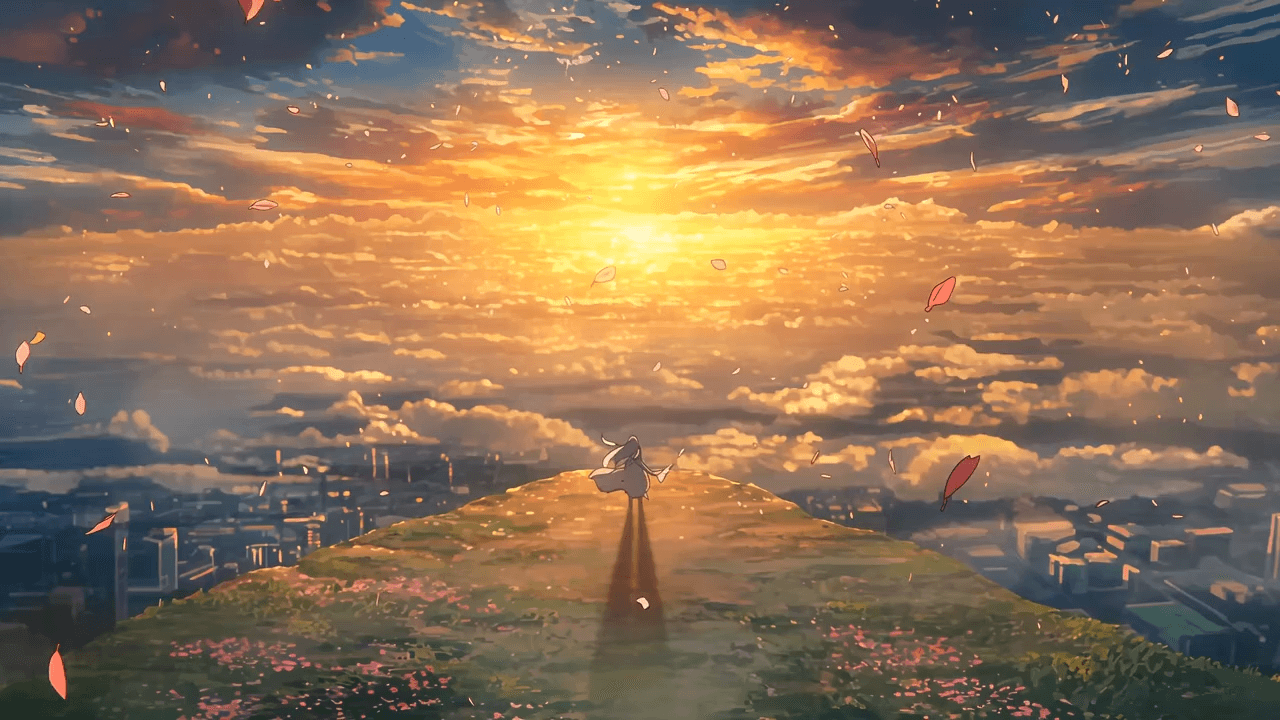
Wan3.0 for An Independent Short Film: Build Audio-Led Storytelling Video Stories in Studio
Use Wan3.0 in Studio to turn a screenplay excerpt, character references, and a visual mood reference into a scene where voice, ambience, and effects reinforce the visible action. Explore audio-led storytelling workflows with up to 30 seconds of native video.
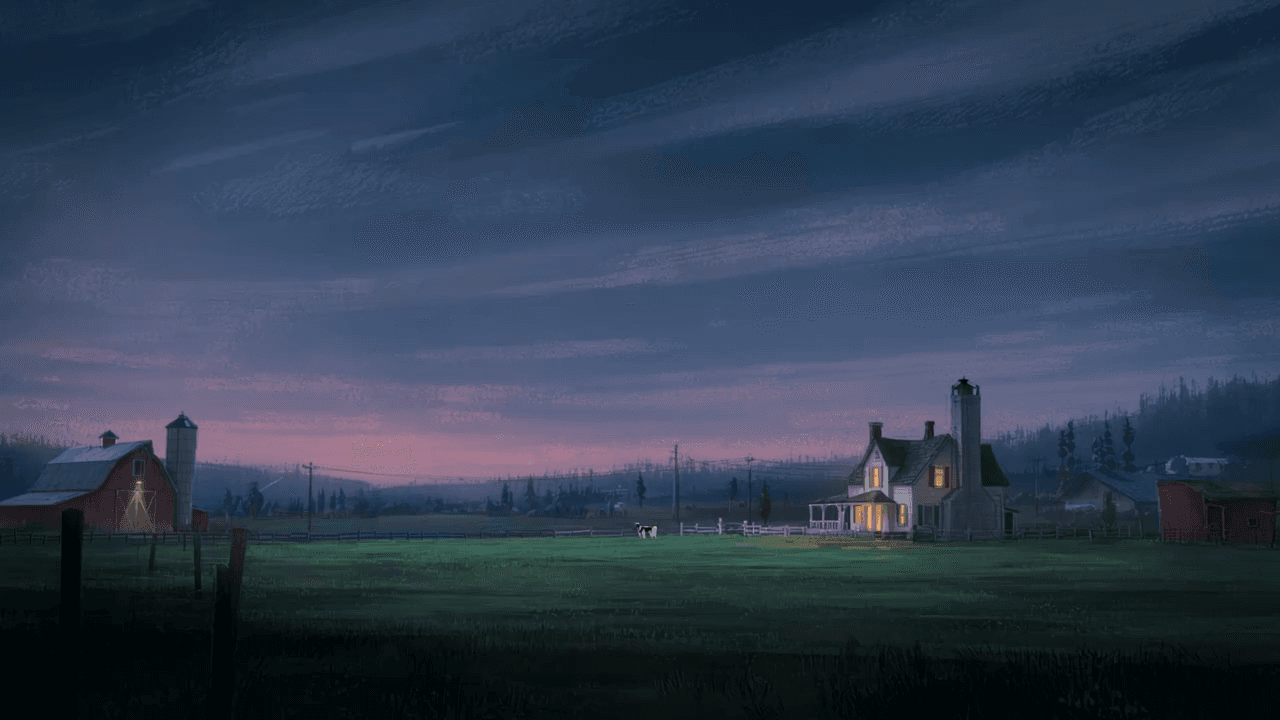
Wan3.0 for An Event Opener: Build Audio-Led Storytelling Video Stories in Studio
Use Wan3.0 in Studio to turn venue photos, an event brief, and a music reference into a scene where voice, ambience, and effects reinforce the visible action. Explore audio-led storytelling workflows with up to 30 seconds of native video.
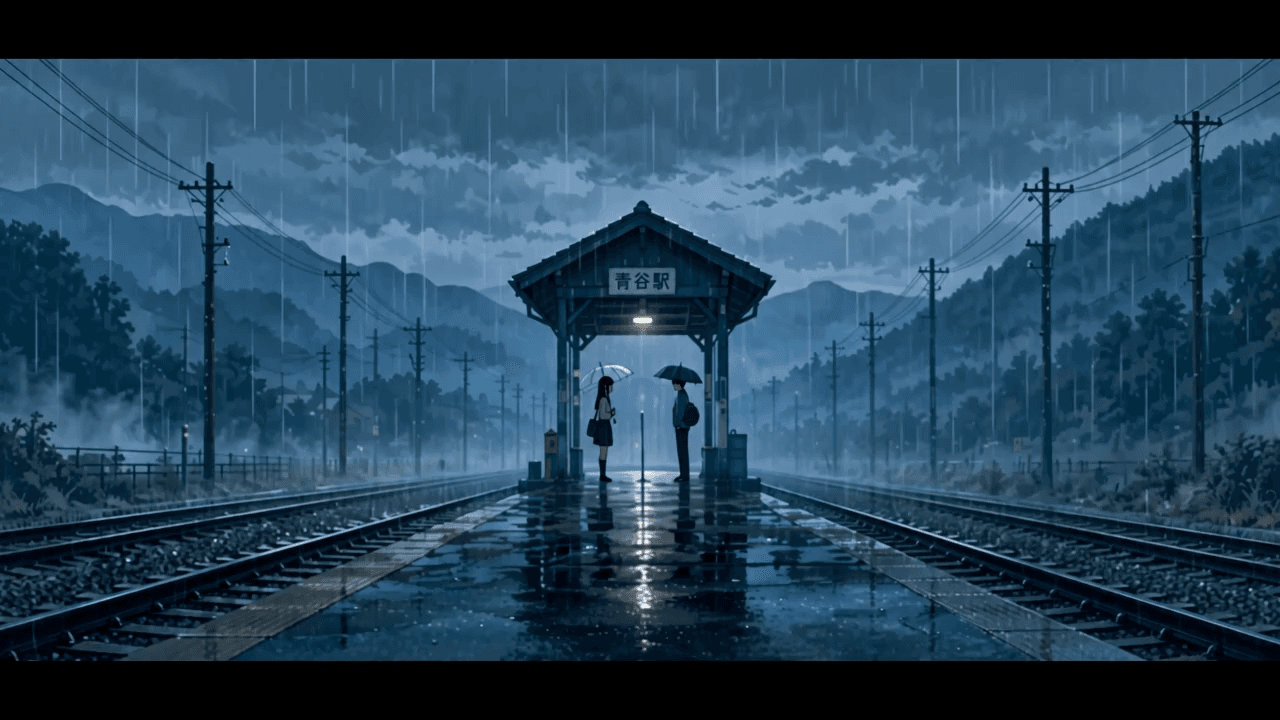
Wan3.0 for An Educational Explainer: Build Audio-Led Storytelling Video Stories in Studio
Use Wan3.0 in Studio to turn a PDF or slide deck, a diagram image, and a narration outline into a scene where voice, ambience, and effects reinforce the visible action. Explore audio-led storytelling workflows with up to 30 seconds of native video.
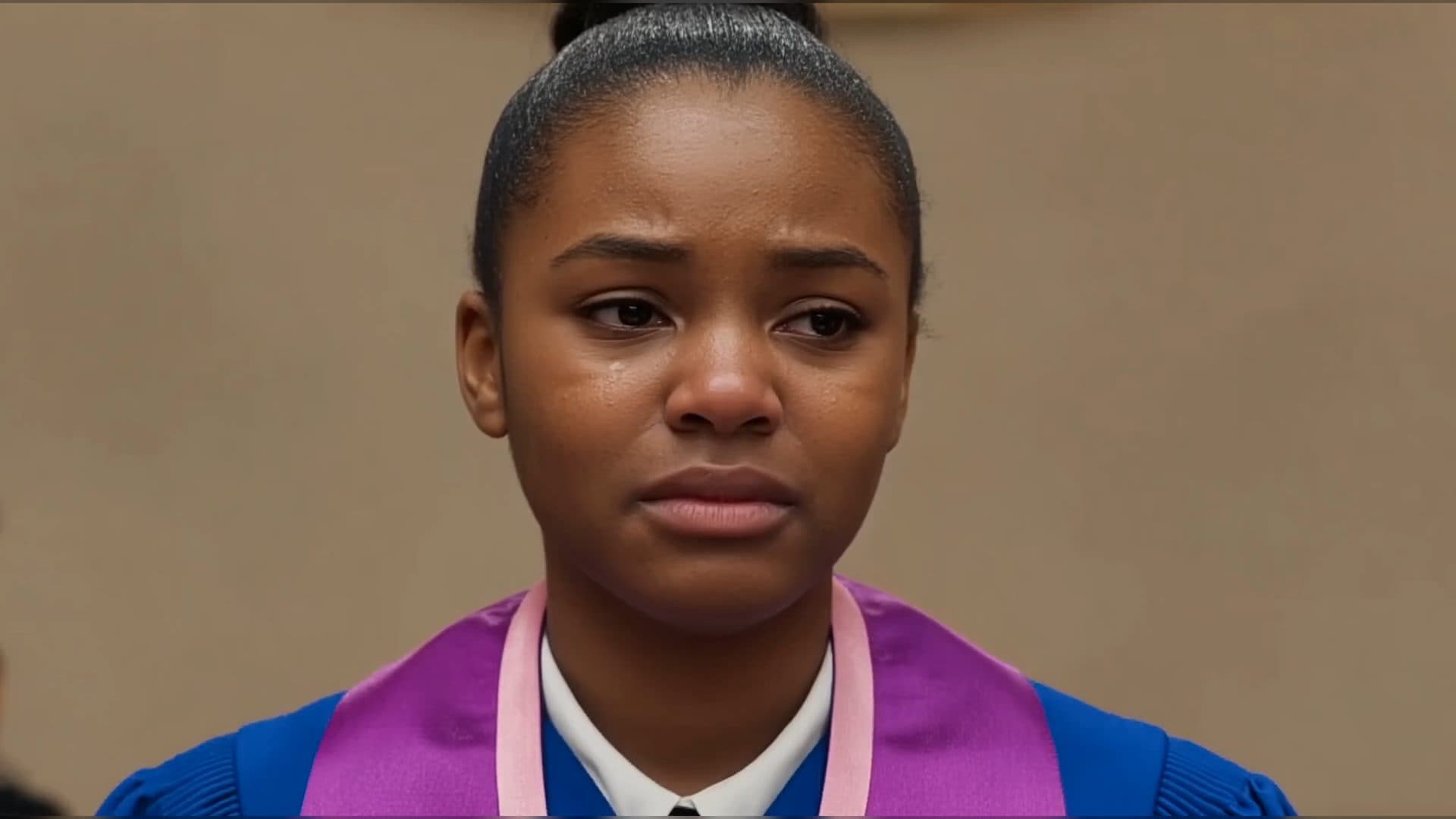
Wan3.0 for A Social Campaign: Build Audio-Led Storytelling Video Stories in Studio
Use Wan3.0 in Studio to turn a campaign image, a concise message, and a web reference into a scene where voice, ambience, and effects reinforce the visible action. Explore audio-led storytelling workflows with up to 30 seconds of native video.
From insight to creation
Turn the latest model into your next shot.
Take what you learned into ArtArch Studio and start building with the latest creative models.