

ArtArch Newsroom
Latest ModelGPT Image 2.5 Prompt Library Preparation: Build Tests from Public Evidence
Prepare a GPT Image 2.5 prompt library from public evidence with separate portrait, text-layout, text-in-scene, and attribution review tasks for a later formal release.
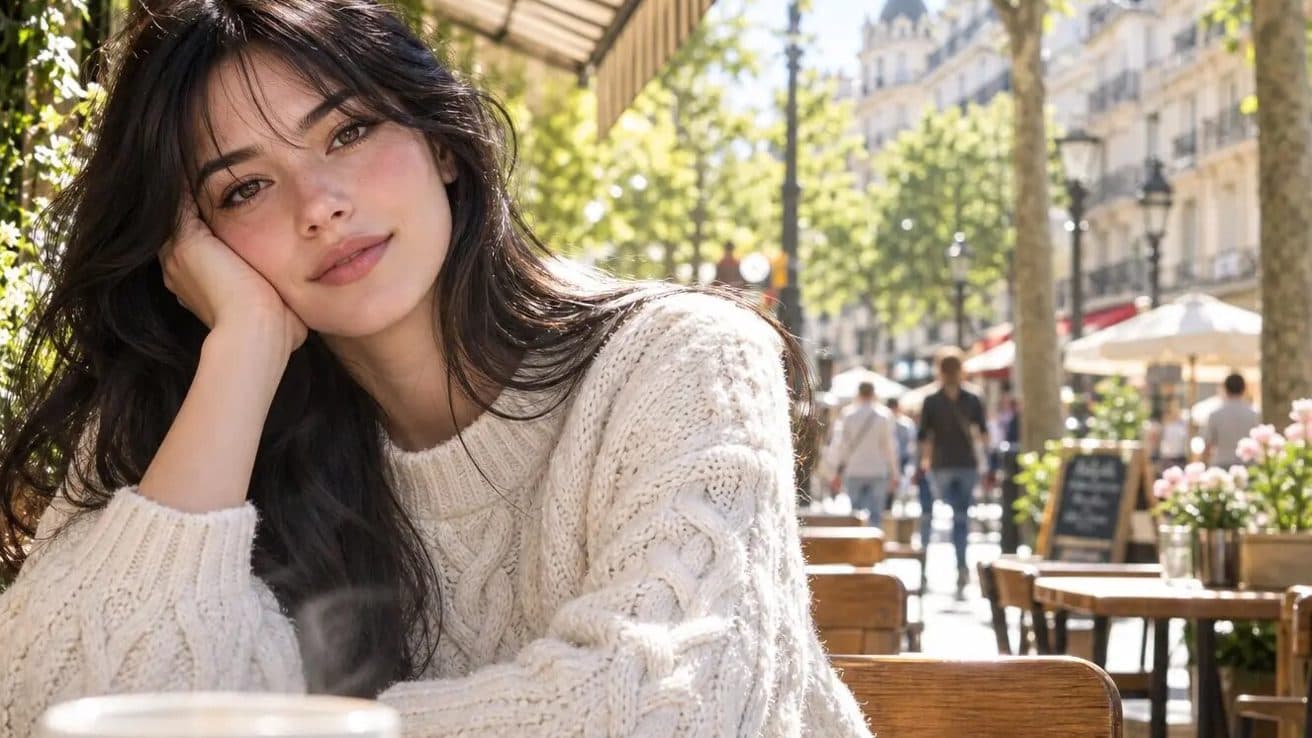
Public posts connected with mona-lisa-1 are driving interest in GPT Image 2.5 prompt library preparation. Those posts use material that can be inspected and archived, while GPT Image 2.5 remains a community name rather than a confirmed OpenAI product label. The distinction matters throughout this review.
Read the public example in context
The public material suggests several distinct task families: full-body rural portraits, cafe portraits with layered depth, Chinese editorial pages, and text inside real-world scenes. Turn each family into a small prompt library instead of relying on one catch-all image request.
Keep operational facts in a separate file
Every entry should name the goal, fixed inputs, output size, review criteria, and source inspiration. For example, a rural portrait task can specify vertical framing, daylight, a doorway, greenery, stance, and visible scene text. A page task can specify title, paragraphs, image regions, and small labels.
Define the handoff after release
Keep the library dormant until a documented interface exists, then run it with the official model identifier and saved settings. This makes the early public archive useful without pretending that it provides a production benchmark today.
Make later corrections easy
Retain the date, publisher, full-size asset, and candidate label with every observation. When first-party documentation appears, add it to the record and update operational claims from that source instead of rewriting what the early post actually showed.
Frequently asked questions
Which task families appear in the public material?
The public set suggests rural portraits, cafe portraits, Chinese editorial pages, and text-in-scene reviews.
What should a prompt-library entry record?
Record goal, fixed inputs, output size, review criteria, and the source inspiration.
Is GPT Image 2.5 an official model name?
The public material reviewed here uses GPT Image 2.5 as a community label around the anonymous candidate mona-lisa-1.
Source note: this article is based on public material and reporting from Linux DO, Sohu, and NovaImage, reviewed on August 11, 2026.
Keep exploring
More in Latest Model

Wan3.0 for An Independent Short Film: Build Audio-Led Storytelling Video Stories in Studio
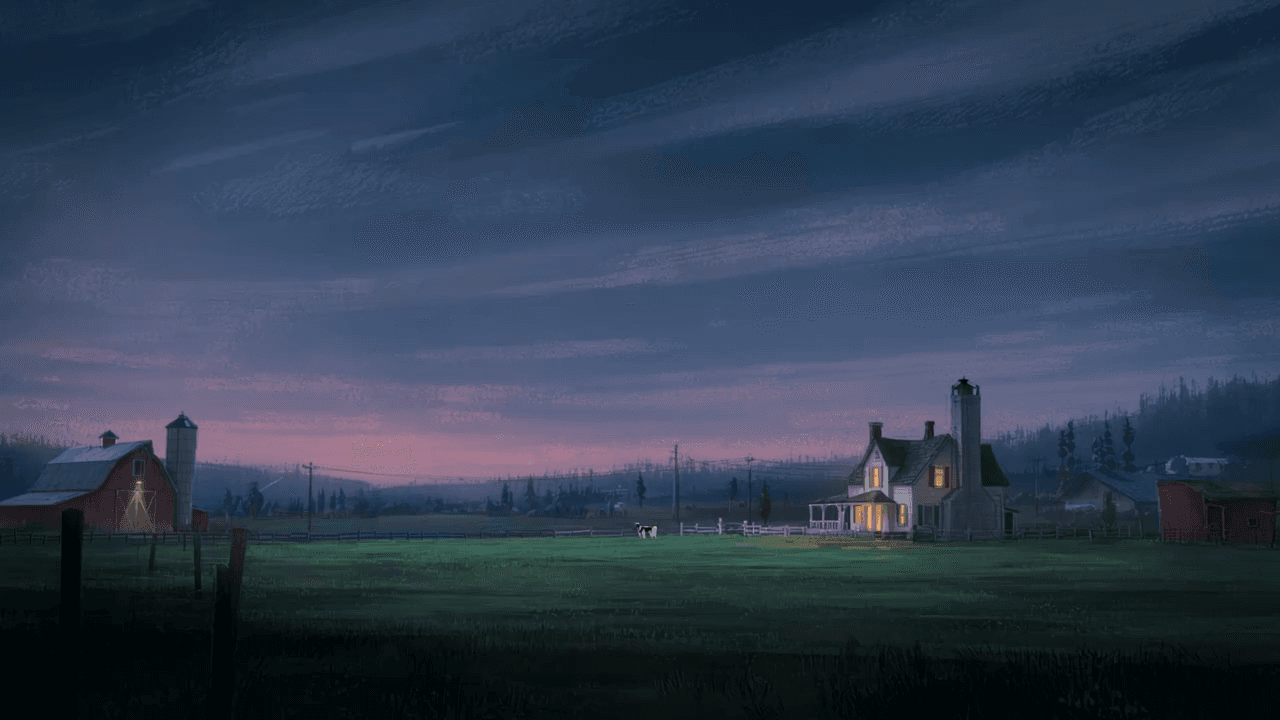
Use Wan3.0 in Studio to turn a screenplay excerpt, character references, and a visual mood reference into a scene where voice, ambience, and effects reinforce the visible action. Explore audio-led storytelling workflows with up to 30 seconds of native video.
Wan3.0 for An Event Opener: Build Audio-Led Storytelling Video Stories in Studio
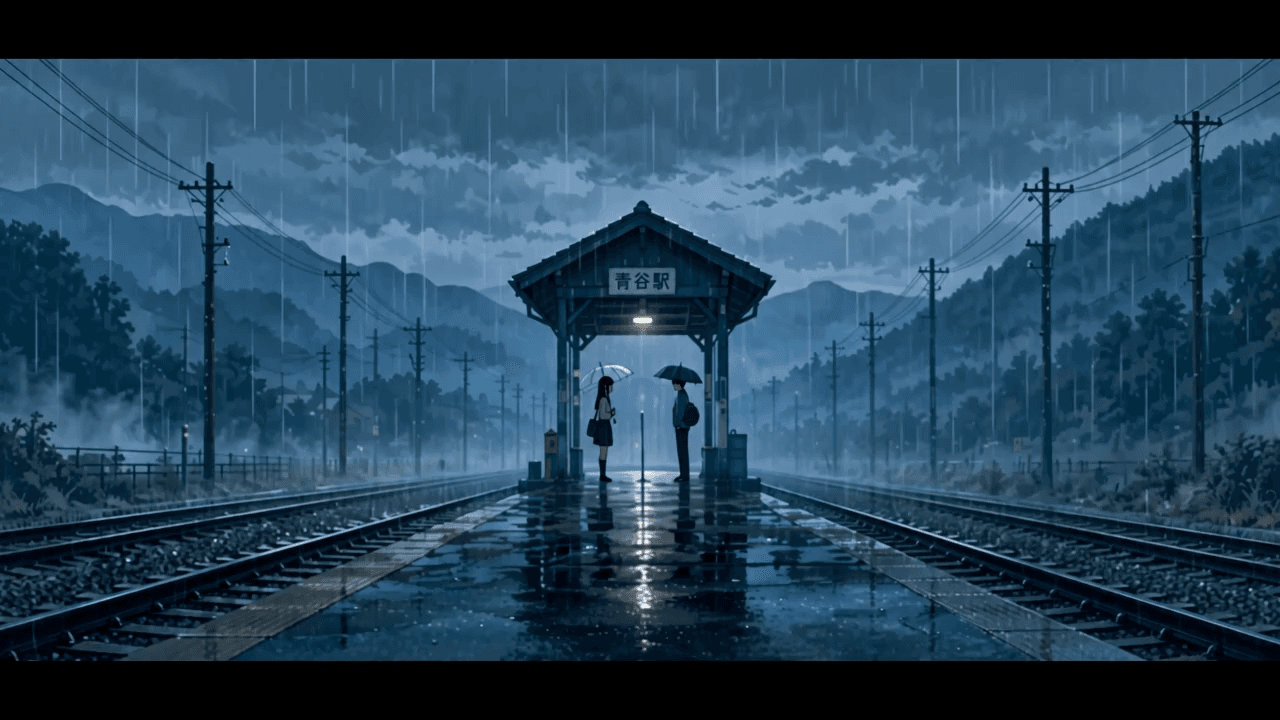
Use Wan3.0 in Studio to turn venue photos, an event brief, and a music reference into a scene where voice, ambience, and effects reinforce the visible action. Explore audio-led storytelling workflows with up to 30 seconds of native video.
Wan3.0 for An Educational Explainer: Build Audio-Led Storytelling Video Stories in Studio
Use Wan3.0 in Studio to turn a PDF or slide deck, a diagram image, and a narration outline into a scene where voice, ambience, and effects reinforce the visible action. Explore audio-led storytelling workflows with up to 30 seconds of native video.
Wan3.0 for A Social Campaign: Build Audio-Led Storytelling Video Stories in Studio
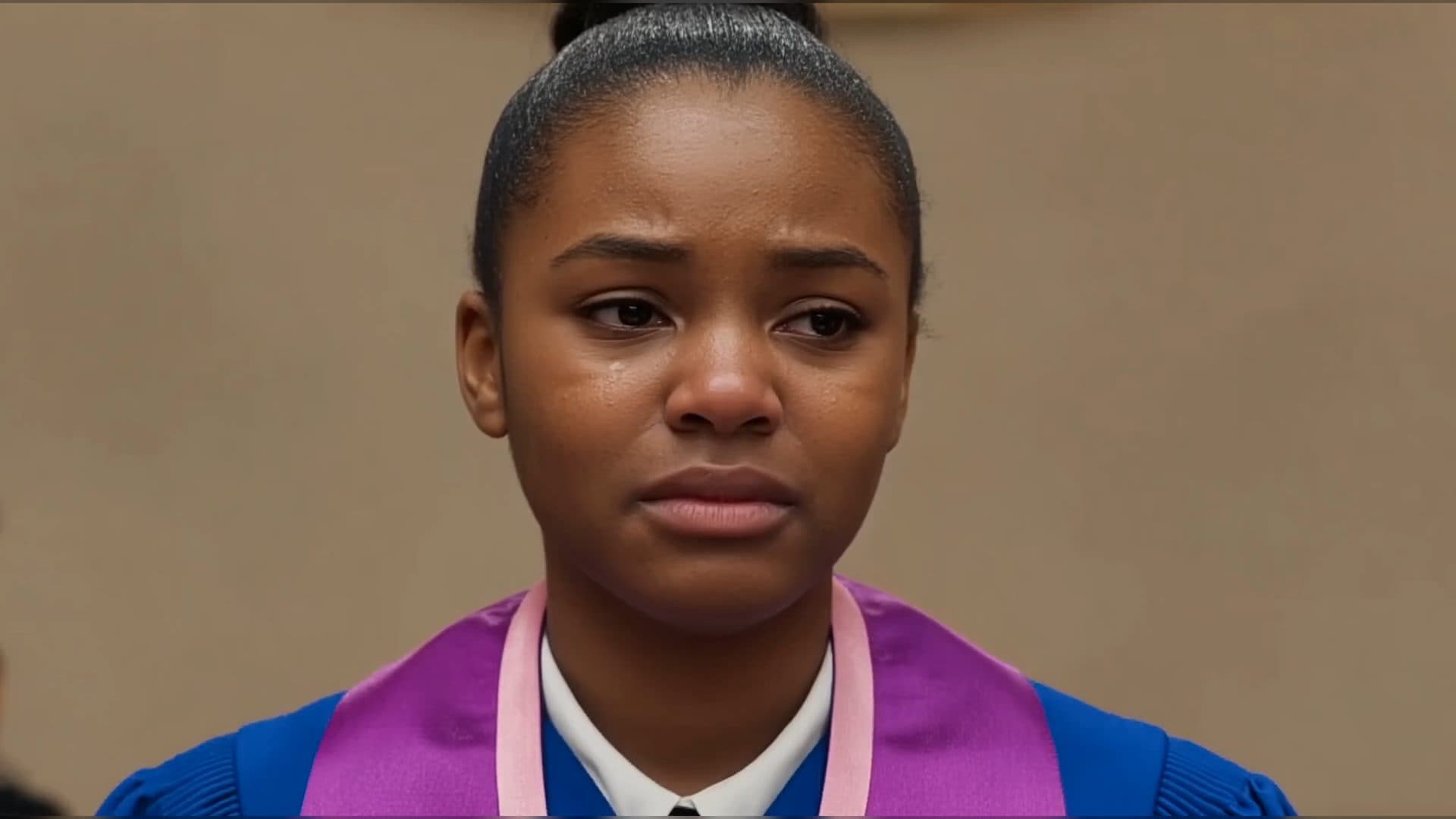
Use Wan3.0 in Studio to turn a campaign image, a concise message, and a web reference into a scene where voice, ambience, and effects reinforce the visible action. Explore audio-led storytelling workflows with up to 30 seconds of native video.
From insight to creation
Turn the latest model into your next shot.
Take what you learned into ArtArch Studio and start building with the latest creative models.