

ArtArch Newsroom
Latest ModelGPT Image 2.5 Access Availability Check: From Public Samples to Real Access
Use a GPT Image 2.5 access availability check to distinguish public samples from documented product access across interfaces, accounts, regions, and rollout stages.

This GPT Image 2.5 access availability check review starts from images and reporting associated with the anonymous candidate mona-lisa-1. The GPT Image 2.5 name comes from the surrounding community discussion. It is useful search language, but it is not first-party confirmation of a released OpenAI model.
Begin with the dated evidence
An appealing public sample does not say where a team can use a model. Access can differ by product surface, account type, region, rollout stage, and API availability. A release record needs to state the actual route before a roadmap or marketing promise can rely on it.
Separate observation from product information
Capture the interface name, account requirement, rollout language, date checked, and source link. If access changes later, add a new dated entry rather than overwriting the old one. This is useful for teams that need to coordinate an internal demo, customer communication, and engineering work.
Build a useful follow-up
Keep early images in a separate inspiration folder. They can inform a test brief, but an availability table should contain only first-party access details. This distinction keeps launch planning aligned with what people can actually use.
Use the sample as a reference, not a specification
The displayed material can shape a focused test brief. It does not supply product naming, access, pricing, or full capability details. Keep those fields open until a first-party release record provides them.
Frequently asked questions
What belongs in an access check?
Record the interface, account requirement, rollout scope, date checked, and first-party source.
Why separate access from samples?
An image example does not establish where, when, or for whom a product can be used.
Is GPT Image 2.5 an official model name?
The public material reviewed here uses GPT Image 2.5 as a community label around the anonymous candidate mona-lisa-1.
Source note: this article is based on public material and reporting from Linux DO, Sohu, and NovaImage, reviewed on August 11, 2026.
Keep exploring
More in Latest Model

Wan3.0 for An Independent Short Film: Build Audio-Led Storytelling Video Stories in Studio
Use Wan3.0 in Studio to turn a screenplay excerpt, character references, and a visual mood reference into a scene where voice, ambience, and effects reinforce the visible action. Explore audio-led storytelling workflows with up to 30 seconds of native video.

Wan3.0 for An Event Opener: Build Audio-Led Storytelling Video Stories in Studio
Use Wan3.0 in Studio to turn venue photos, an event brief, and a music reference into a scene where voice, ambience, and effects reinforce the visible action. Explore audio-led storytelling workflows with up to 30 seconds of native video.
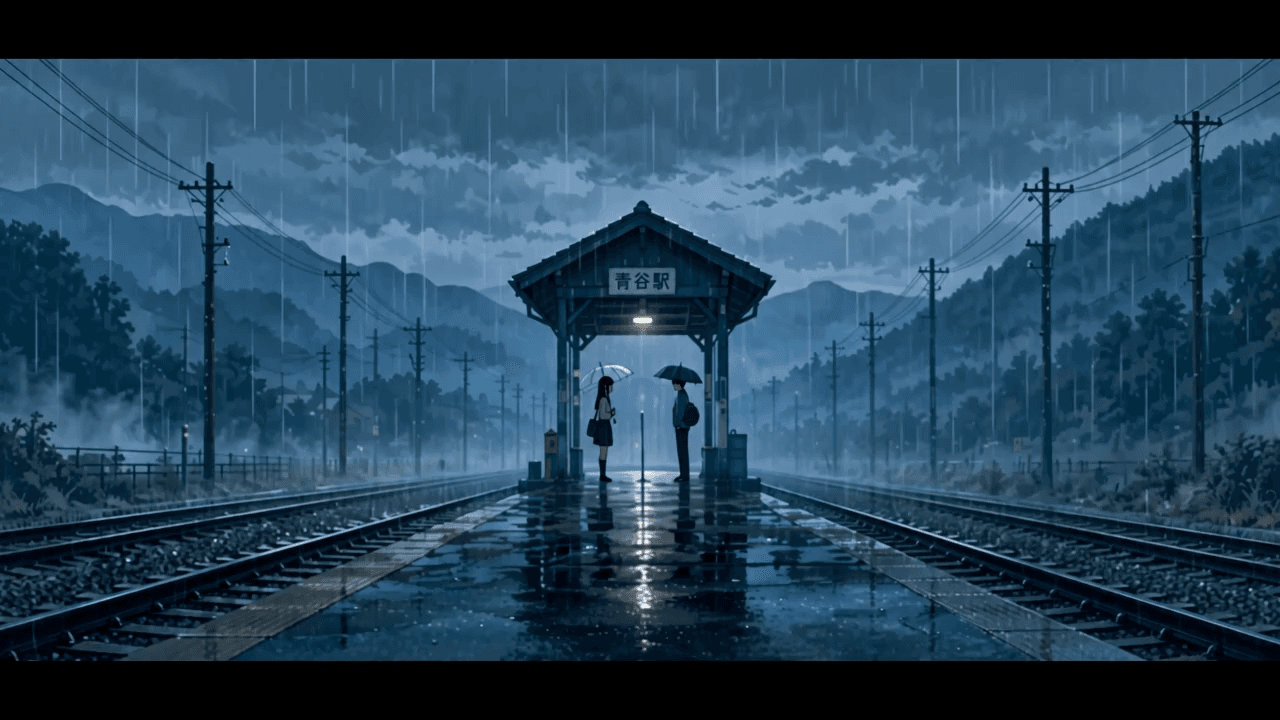
Wan3.0 for An Educational Explainer: Build Audio-Led Storytelling Video Stories in Studio
Use Wan3.0 in Studio to turn a PDF or slide deck, a diagram image, and a narration outline into a scene where voice, ambience, and effects reinforce the visible action. Explore audio-led storytelling workflows with up to 30 seconds of native video.
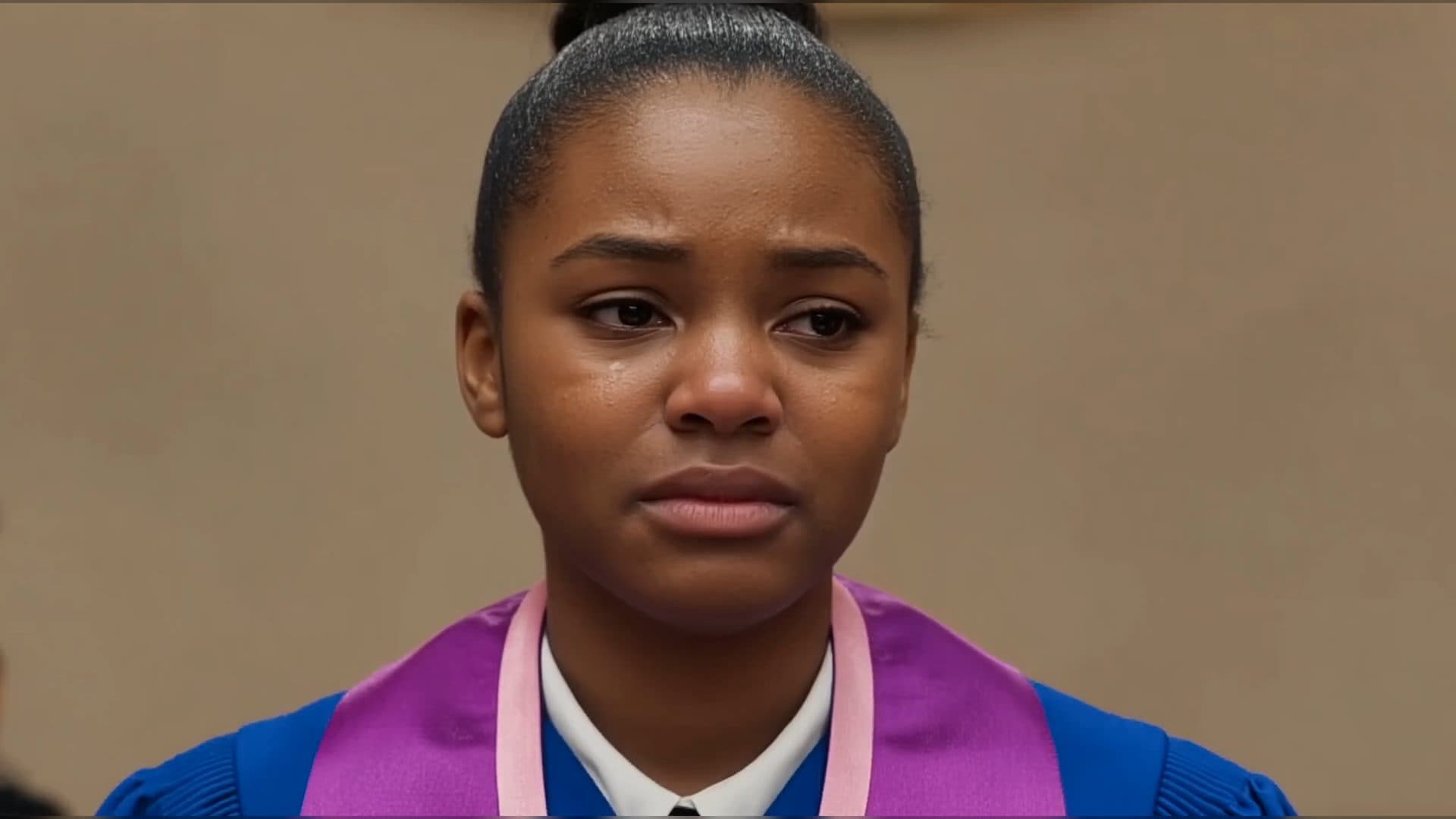
Wan3.0 for A Social Campaign: Build Audio-Led Storytelling Video Stories in Studio
Use Wan3.0 in Studio to turn a campaign image, a concise message, and a web reference into a scene where voice, ambience, and effects reinforce the visible action. Explore audio-led storytelling workflows with up to 30 seconds of native video.
From insight to creation
Turn the latest model into your next shot.
Take what you learned into ArtArch Studio and start building with the latest creative models.