

ArtArch Newsroom
Creative AgentWhat Is an AI Creative Agent? A Plain-English Guide for Beginners
Understand what an AI creative agent does, how it works with an ArtArch project canvas, and how beginners can guide the work.
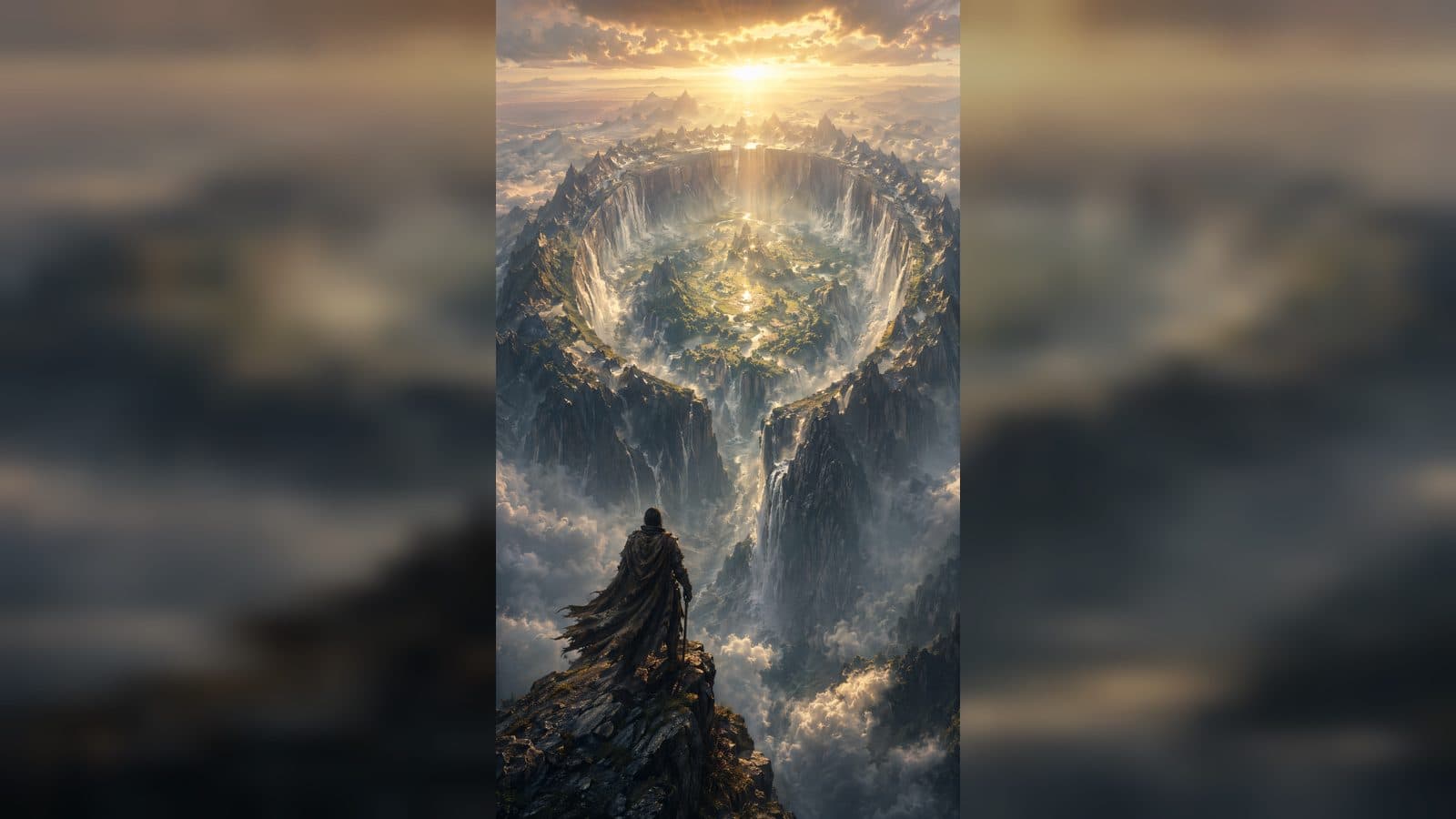
An AI creative agent is software that can help carry a creative task from an idea toward a finished asset. It can read your brief, ask for decisions, organize a project, and use connected tools when you approve the next step. That is different from typing a one-line request into an image box and hoping the first result fits. The agent has context about the task and can help maintain that context while the work develops.
For beginners, the key benefit is coordination. A creative job often includes writing a brief, choosing references, preparing an image or video concept, checking the output, and making revisions. An agent can help you move through that sequence without turning every choice into a separate mystery. You still decide what should be made and whether the work is ready to use.
The three roles in a creative-agent project
You are the owner of the brief. You know why the work exists, who needs to see it, and what would make it useful. You set the goal and provide source material that belongs to you or that you are allowed to use. You also approve actions that may consume credits and make the final call on quality.
The agent is the coordinator. It translates everyday language into a plan, keeps a list of assumptions, and can explain technical choices. It should not quietly invent details such as a product promise, a brand identity, or a celebrity likeness. If a decision would change the concept, it should surface that decision for you.
The creative workspace is where the work is recorded. With the ArtArch CLI, the agent can work with ArtArch Studio projects, which are canvases made of connected creative steps. This gives a beginner a repeatable place to return to rather than a trail of disconnected chats.
A simple example from idea to draft
Imagine a community theater needs a poster concept for a summer show. The project starts with a short brief: the title, the date, the feeling, the audience, and a note that the poster needs room for ticket information. You might provide a photo of the venue or a hand-drawn prop sketch. The agent can turn those notes into a proposed direction and identify questions that affect the result, such as whether the poster should be dramatic or playful.
After you choose a direction, the agent can prepare the project. Before it submits a creative run, it should explain what it plans to run and ask for approval where credits may be involved. Once a result is available, you review the parts that matter for the poster: readable focus, space for information, a setting that fits the show, and a style that speaks to the intended audience.
The revision can then be specific. Ask to simplify the background, make the central object larger, or adjust the composition for a vertical layout. The agent helps carry your feedback back into the project. This loop is the useful part of agent-assisted creation.
How to give an agent useful instructions
Start with the audience and use case, then add visual direction. "I need a vertical poster for parents choosing a weekend theater activity" is stronger than "make a theater image." Follow with the subject, setting, and mood. Say what must stay unchanged and what may be explored.
Keep exploring
More in Creative Agent
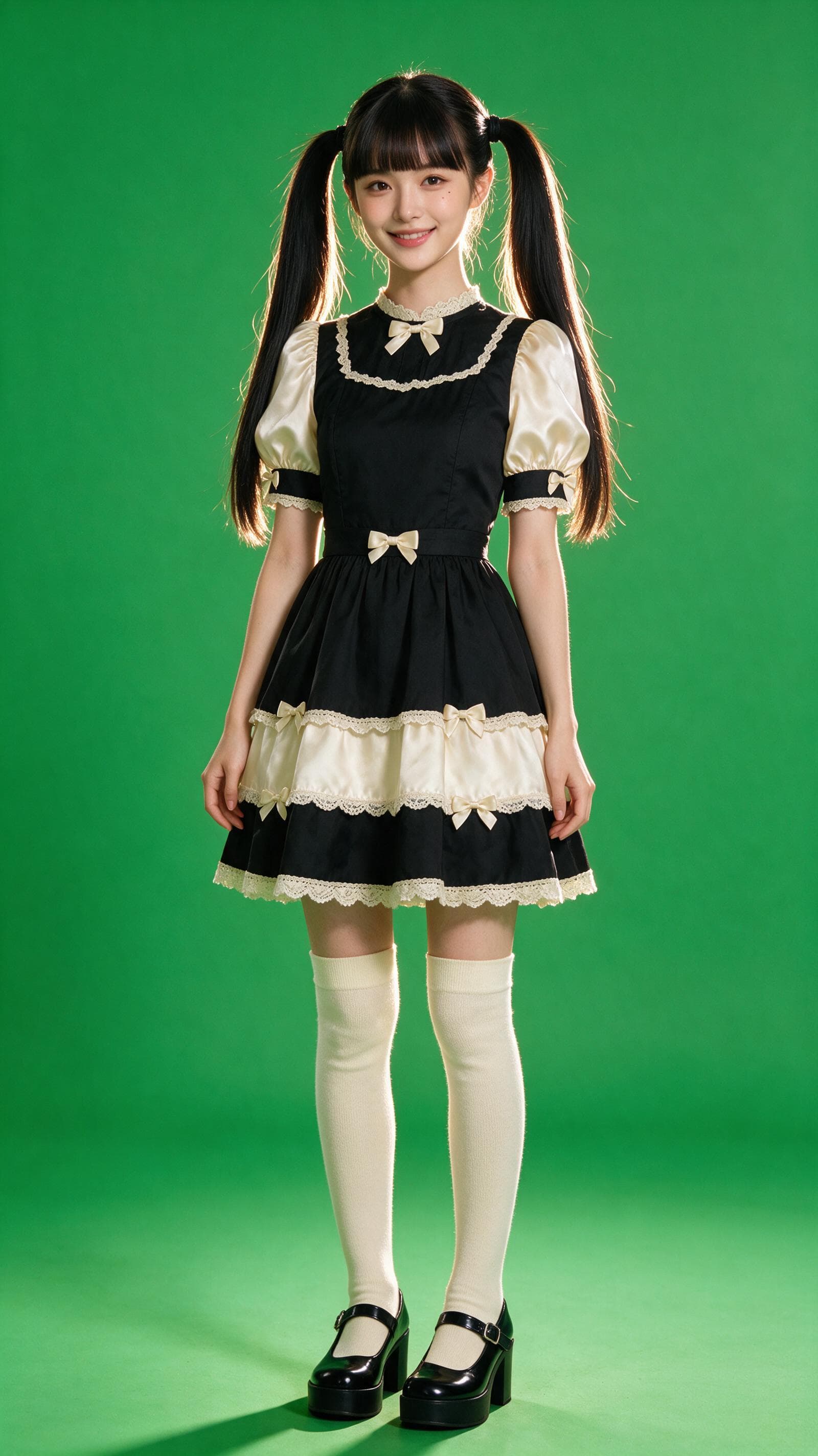
Designing a Three-Scene AI Character State Machine
three-scene AI character state machine case study with saved ArtArch Studio media, prompt decisions, visible results, and practical production notes.

Extracting First and Last Frames to Plan AI Video Transitions
AI video transitions case study with saved ArtArch Studio media, prompt decisions, visible results, and practical production notes.
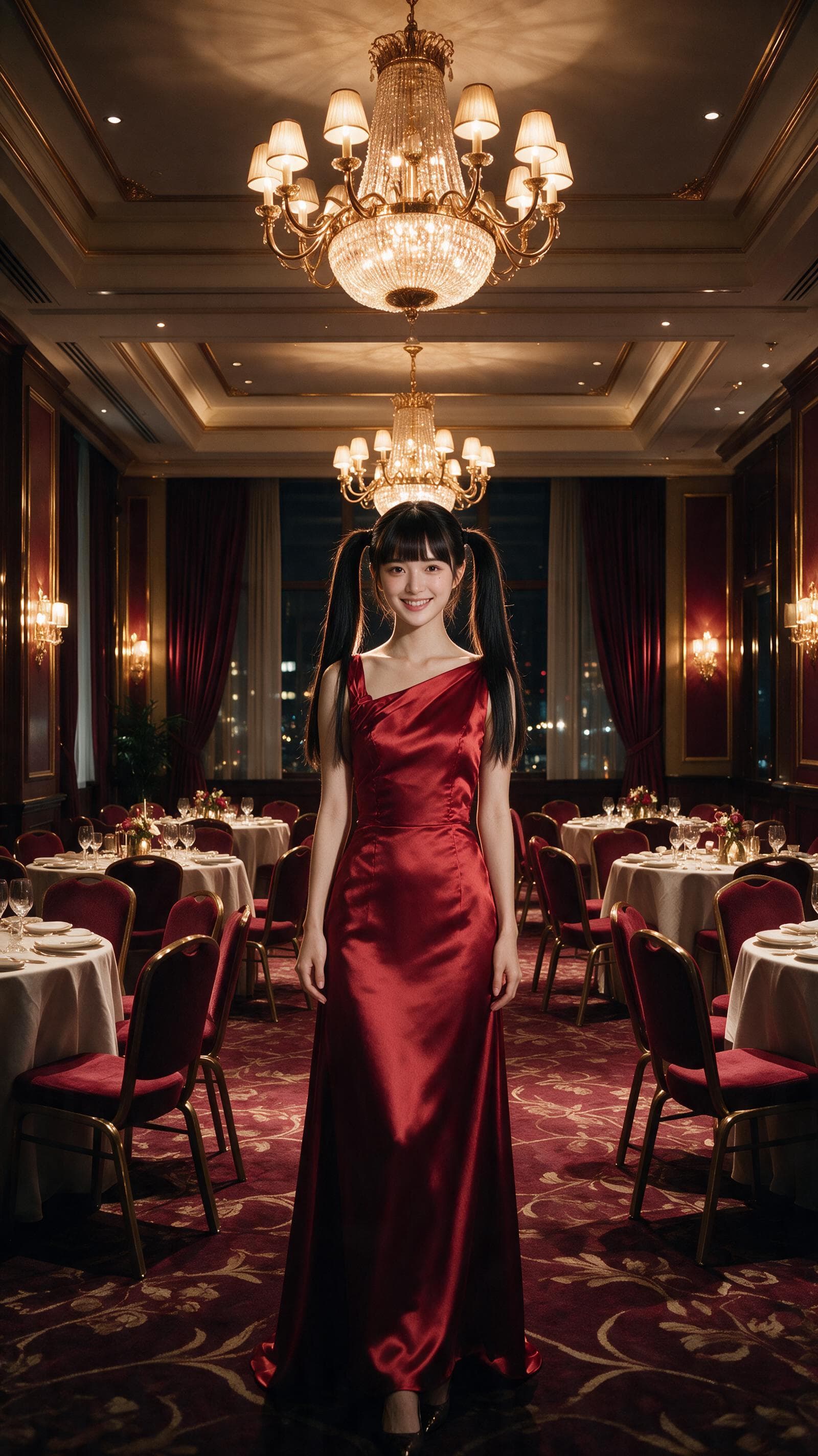
Fan-Dance-to-Idle AI Transition With a Clean Endpoint
fan-dance-to-idle AI transition case study with saved ArtArch Studio media, prompt decisions, visible results, and practical production notes.
An Idle-to-Fan-Dance AI Transition With the Prop as the Cue
idle-to-fan-dance AI transition case study with saved ArtArch Studio media, prompt decisions, visible results, and practical production notes.