

ArtArch Newsroom
Creative AgentHow to Turn a Rough Idea into an AI Creative Brief
Turn a rough idea into a clear AI creative brief with subject, action, camera, constraints, and a final frame.

Many first-time creators think they need a perfect prompt. They need a useful brief instead. A brief gives Codex and an ArtArch agent enough information to design a workflow while leaving room to refine the image or video after you see a first result.
The five parts of a useful brief
Name the subject, the setting, the action, the camera, and the ending. Add the audience if it changes the tone. "A small bakery films a warm morning reel" is a goal; "a baker places one croissant on a blue plate, the camera makes a slow side move, and the shot ends on the flaky layers" is a brief.
Separate fixed choices from flexible choices. Fixed choices might be the product silhouette, a person's face, or a brand color. Flexible choices might be cloud cover, background extras, or a transition texture. This distinction helps the agent protect what matters.
Pick the right first artifact
If you are unsure about visual direction, ask for a GPT Image 2 keyframe or a 16:9 storyboard. If the image already feels right and you need motion, discuss a Minimax H3 or Seedance 2.5 pass. If your idea is a sequence, describe the end state of each shot so the agent can plan continuity.
Do not ask the first run to solve story, identity, camera, and typography at once. Choose a test that reveals one decision. You can add a second pass once that decision is visible.
Add constraints that help
Useful constraints are concrete: "keep the face unchanged," "show the full object," "one hand interaction," or "end with three seconds of stillness." Avoid a long list of abstract adjectives. Tell the agent which constraint is most important when tradeoffs appear.
From brief to canvas
Ask Codex to summarize your brief, list the proposed references, and name the expected output. After configuration, read back the node settings. The ArtArch CLI supports project and node inspection, so you can learn the workflow without opening every control manually.
Frequently asked questions
How long should my first brief be?
Four to eight sentences are usually enough if they name the visible action and ending.
Should I mention a model?
Mention a model when you have a reason. Otherwise ask the agent to recommend an available option for the visual goal.
What if I change my mind?
Revise the brief and ask for a new configuration summary. Keep the earlier result so you can compare the decision.
Can a brief include sound?
Yes, describe the role of sound, but keep the first visual test focused on one clear motion.
Start with a small, specific brief in creative-agent and let the workflow become clearer as you see results.
Keep exploring
More in Creative Agent
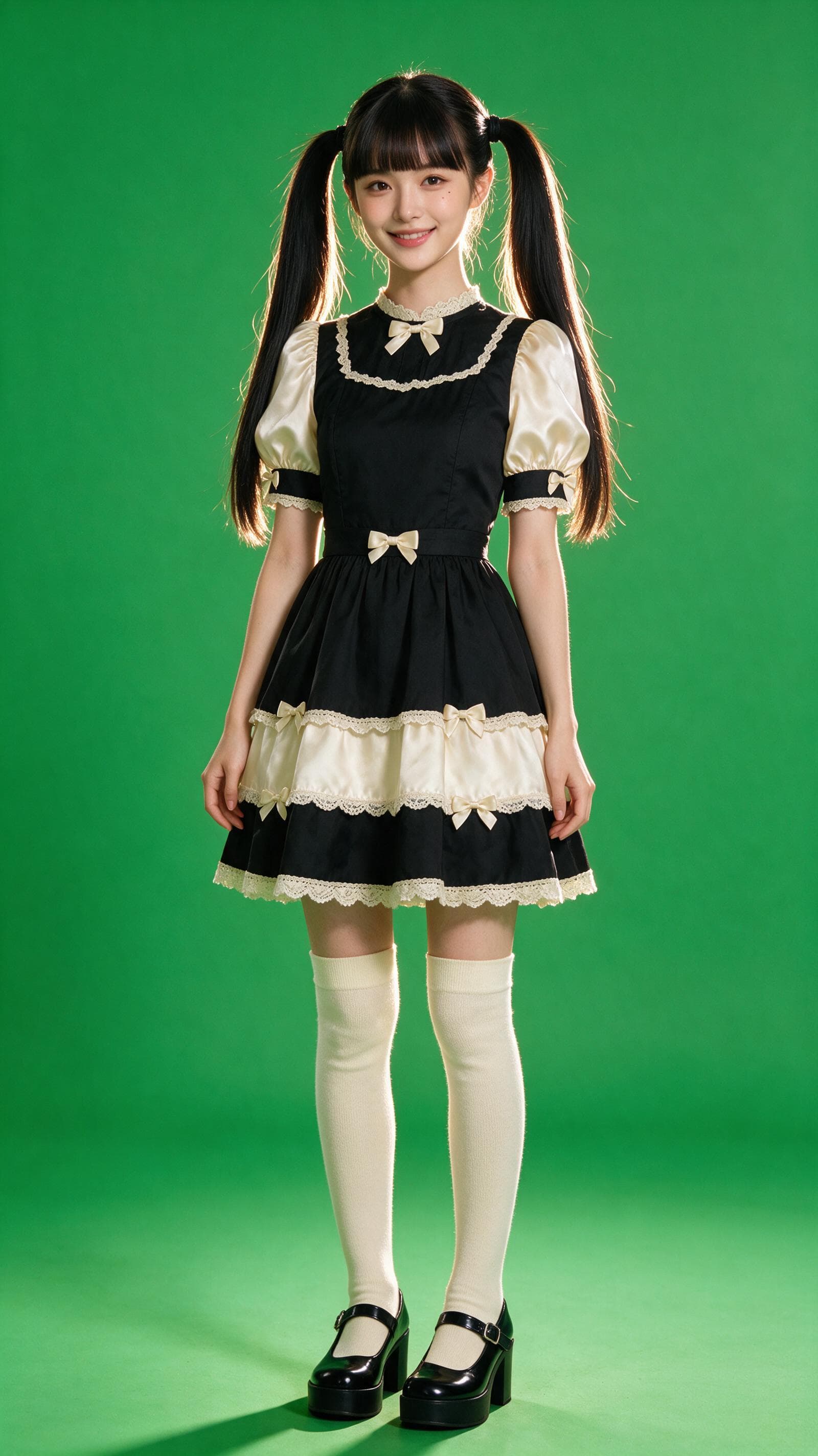
Designing a Three-Scene AI Character State Machine
three-scene AI character state machine case study with saved ArtArch Studio media, prompt decisions, visible results, and practical production notes.

Extracting First and Last Frames to Plan AI Video Transitions
AI video transitions case study with saved ArtArch Studio media, prompt decisions, visible results, and practical production notes.
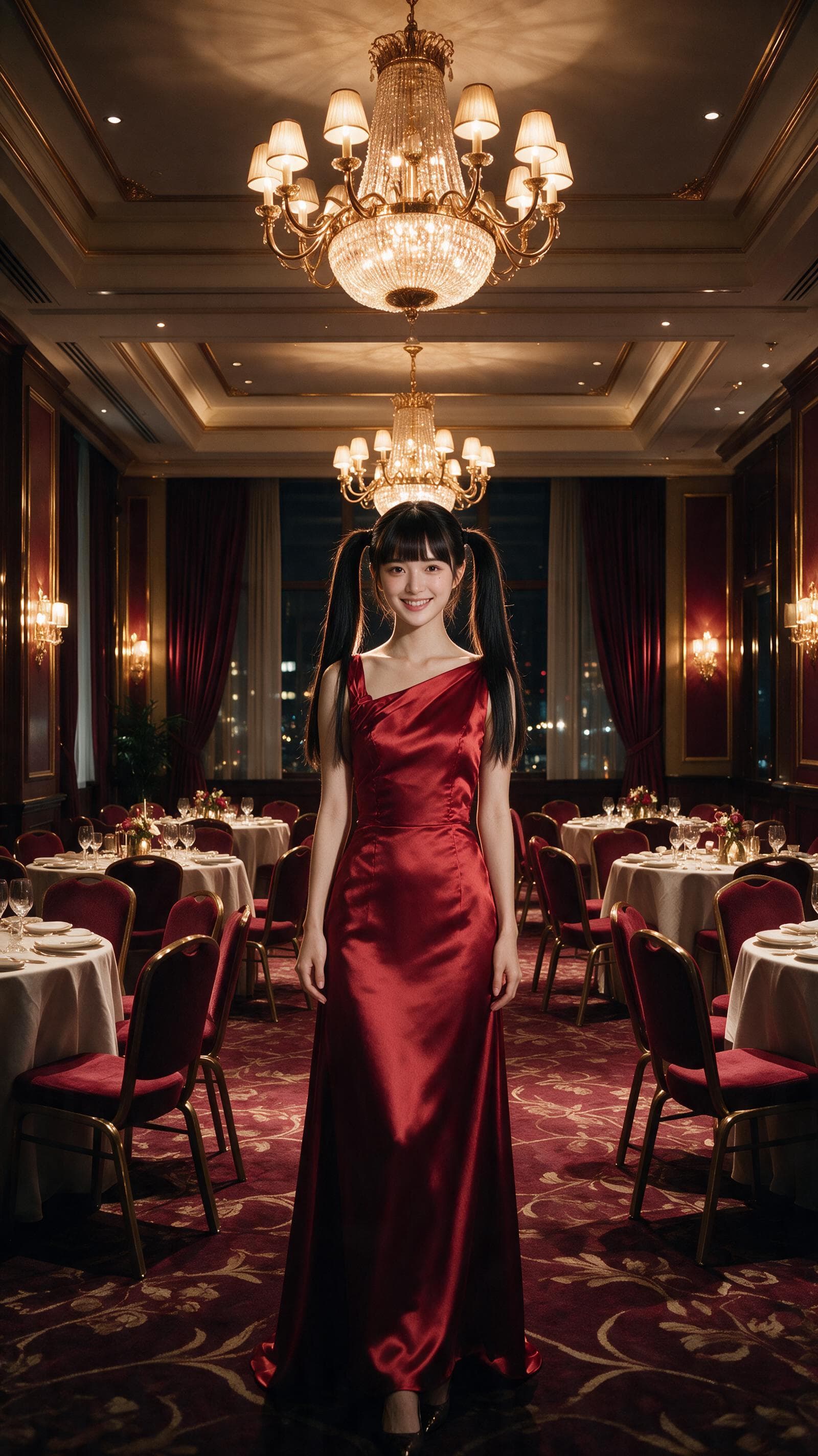
Fan-Dance-to-Idle AI Transition With a Clean Endpoint
fan-dance-to-idle AI transition case study with saved ArtArch Studio media, prompt decisions, visible results, and practical production notes.
An Idle-to-Fan-Dance AI Transition With the Prop as the Cue
idle-to-fan-dance AI transition case study with saved ArtArch Studio media, prompt decisions, visible results, and practical production notes.