

ArtArch Newsroom
Creative AgentFrom a Monochrome Storyboard to a Color Script
Turn monochrome storyboard structure into a role-based color script for coherent AI art direction.
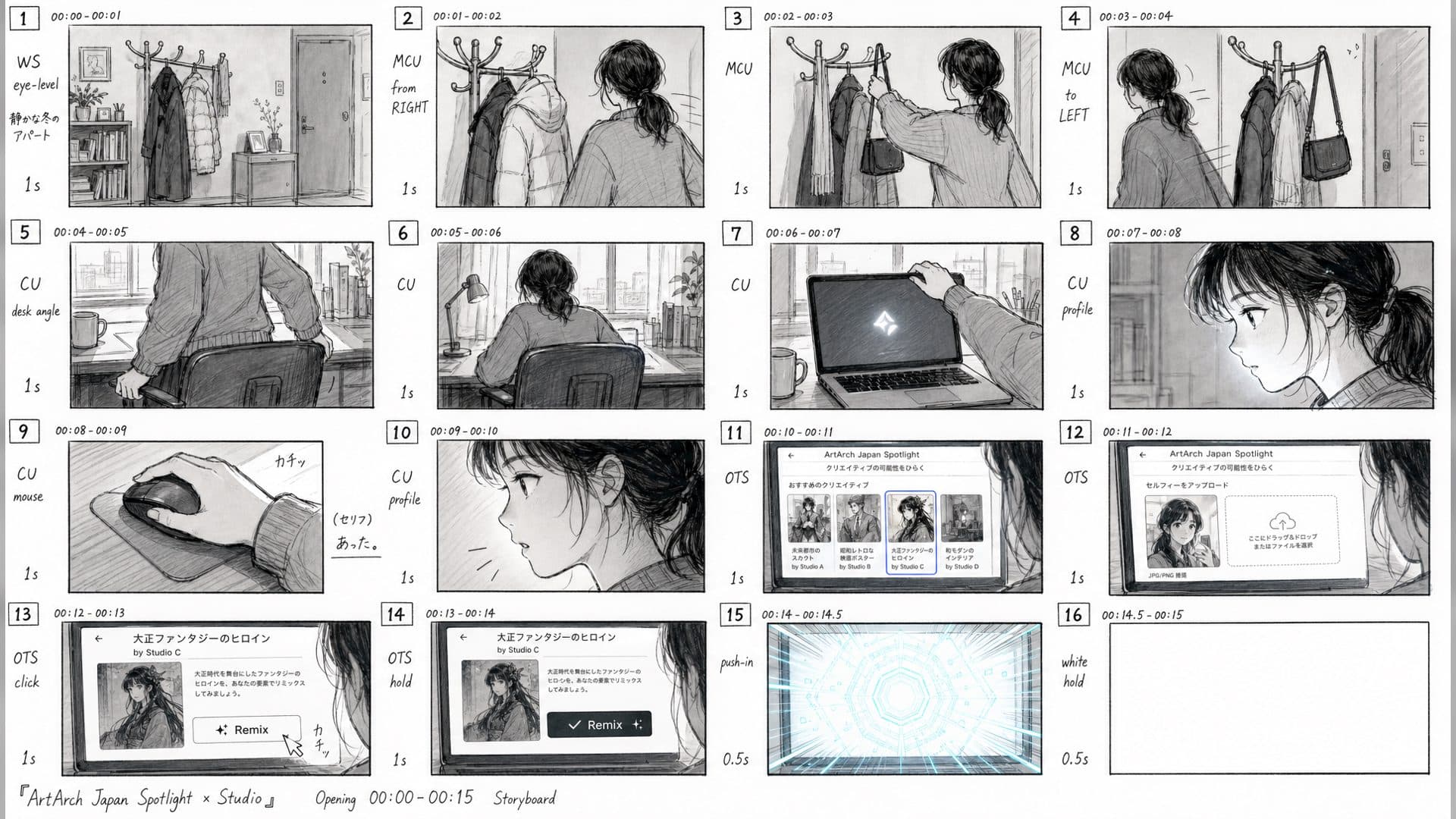
A color script is a map of light, temperature, and emphasis across a sequence. It is not a list of fashionable colors. It explains why one scene feels quiet, another feels tense, and a third feels open. A monochrome storyboard gives the structure; the color script gives the emotional progression.
Map the major shifts
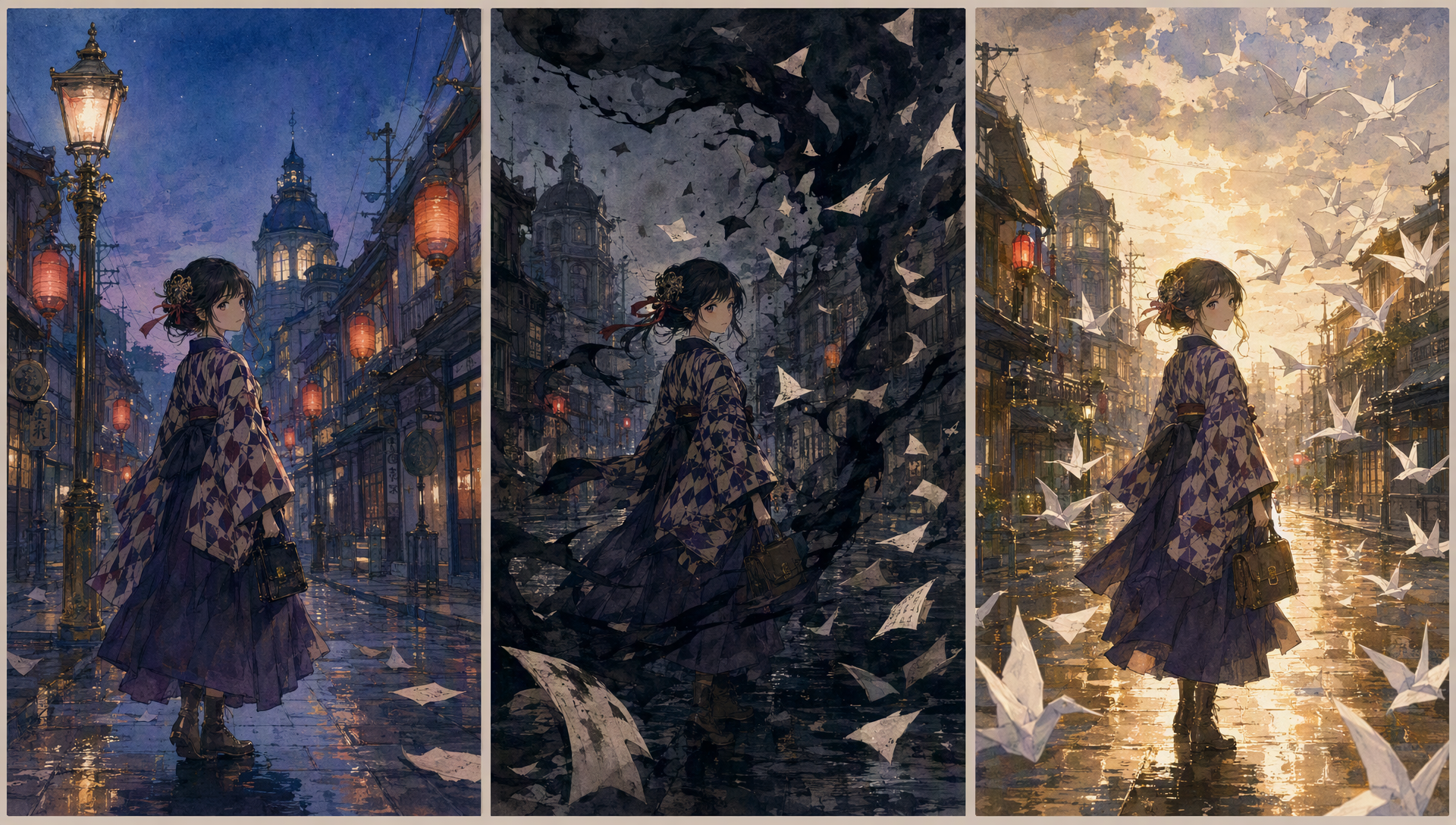
Choose one dominant temperature for each story phase. A quiet apartment might begin with cool window light and a small warm lamp. A fantasy street might introduce blue hour shadows and amber practical lights. Keep the changes readable and tied to the action.
Preserve the drawing decisions
Do not use color to repair a confusing panel. First confirm the subject, camera, and gesture in black and white. Then add color without changing the screen direction or the final pose.
Give the agent a palette contract
Ask Codex to keep the palette role-based: background temperature, subject accent, prop accent, and transition light. This helps an ArtArch canvas keep the visual system coherent across image and video steps.
Save the color script next to the storyboard and give each version a short name. A named palette makes a later correction concrete: you can ask for a cooler window phase or a quieter lantern accent without rewriting the whole art direction.
Frequently asked questions
Does every shot need a unique palette?
No. Repeating a palette can create continuity.
Should color script images contain notes?
Notes can help planning, but keep them out of the final artwork unless intentionally designed.
What if color changes the character?
Reassert the identity reference and define which colors belong to clothing, skin, and environment.
Start with a monochrome sequence, then use creative-agent to turn its emotional beats into a focused color script.
Keep exploring
More in Creative Agent
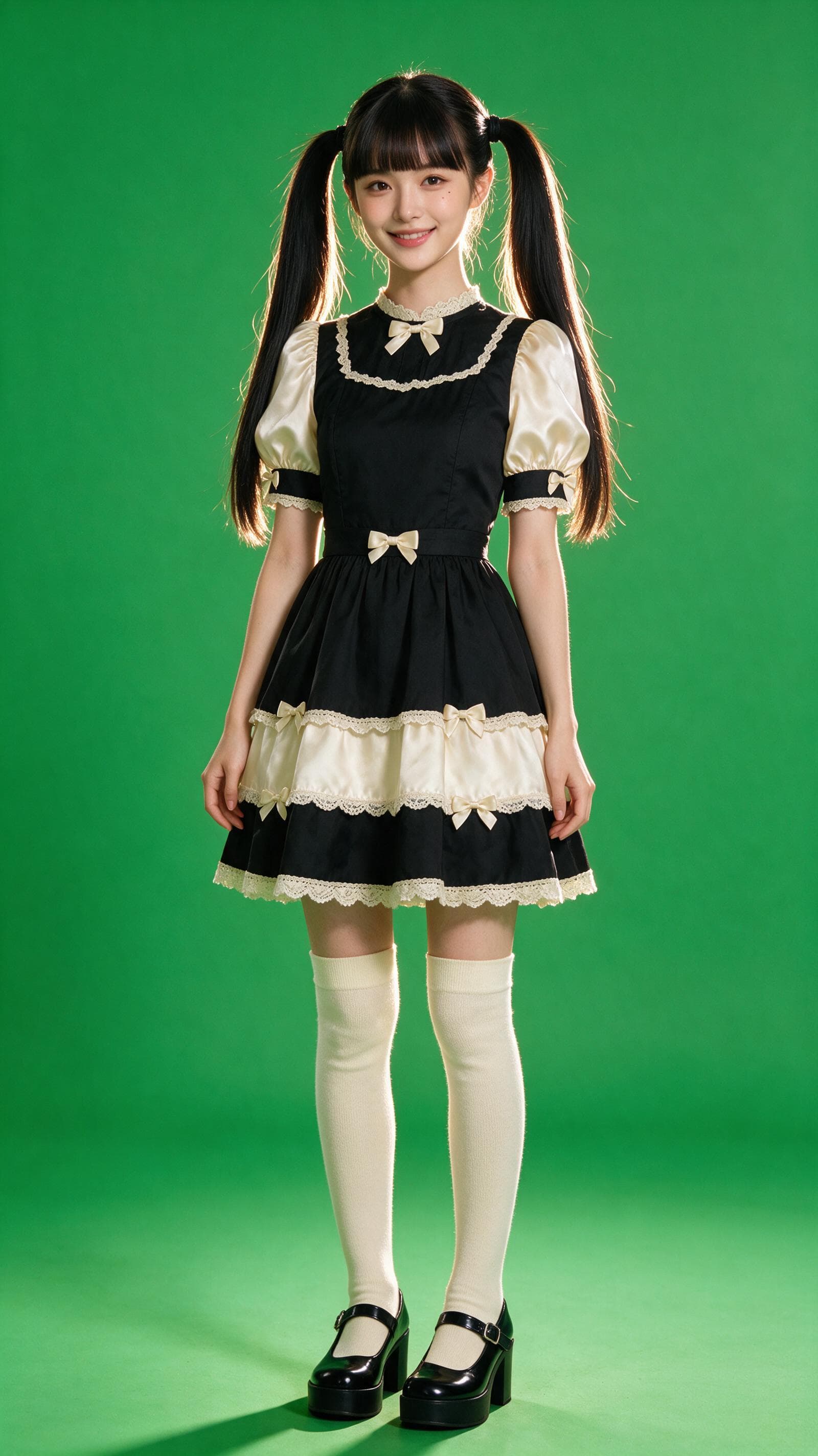
Designing a Three-Scene AI Character State Machine
three-scene AI character state machine case study with saved ArtArch Studio media, prompt decisions, visible results, and practical production notes.

Extracting First and Last Frames to Plan AI Video Transitions
AI video transitions case study with saved ArtArch Studio media, prompt decisions, visible results, and practical production notes.
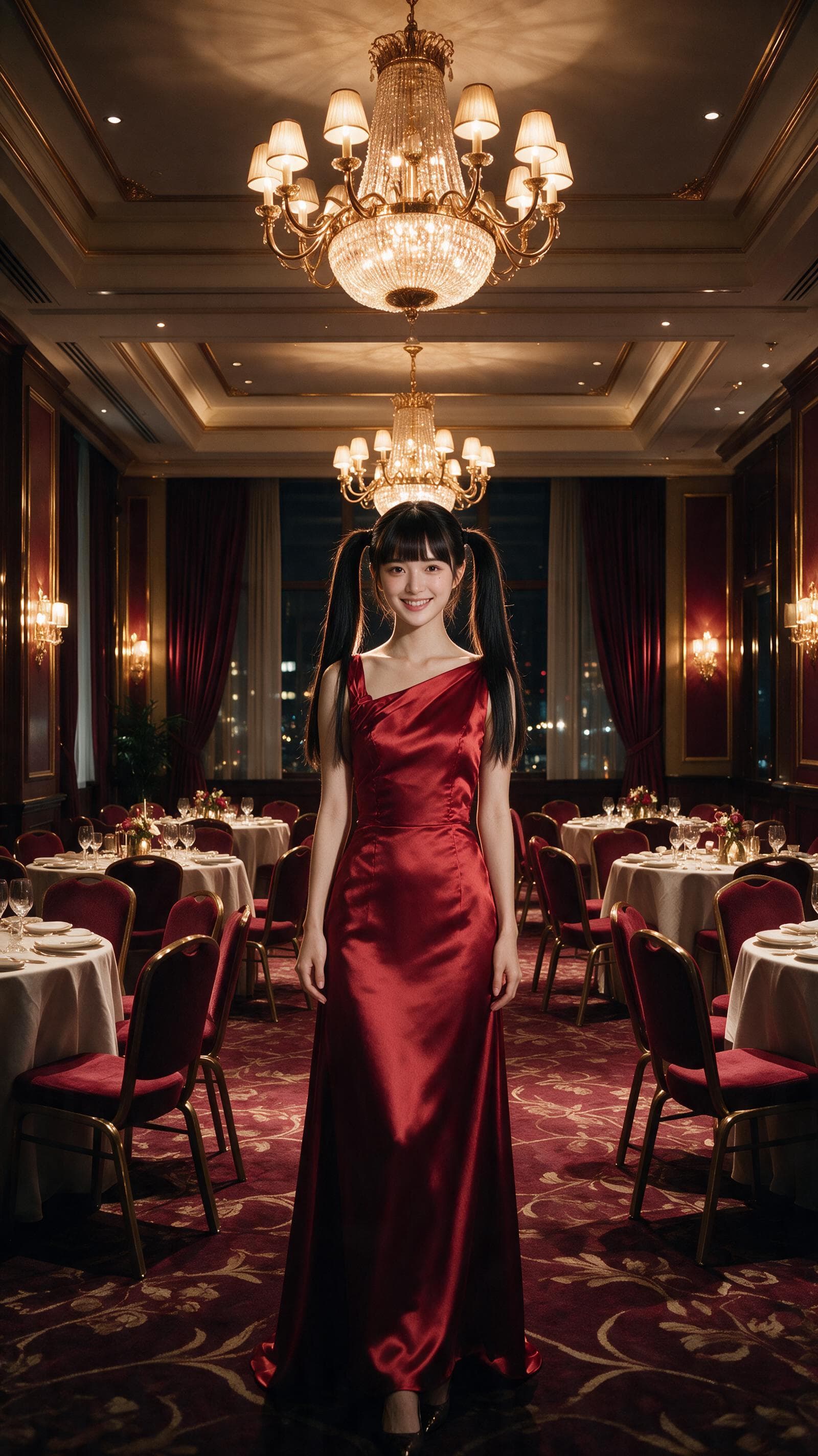
Fan-Dance-to-Idle AI Transition With a Clean Endpoint
fan-dance-to-idle AI transition case study with saved ArtArch Studio media, prompt decisions, visible results, and practical production notes.
An Idle-to-Fan-Dance AI Transition With the Prop as the Cue
idle-to-fan-dance AI transition case study with saved ArtArch Studio media, prompt decisions, visible results, and practical production notes.