

ArtArch Newsroom
Creative AgentMinimax H3 or Seedance 2.5: Choosing Your First AI Video Workflow
Compare Minimax H3 and Seedance 2.5 through the scene you want to make, your starting image, and the visible result you need.
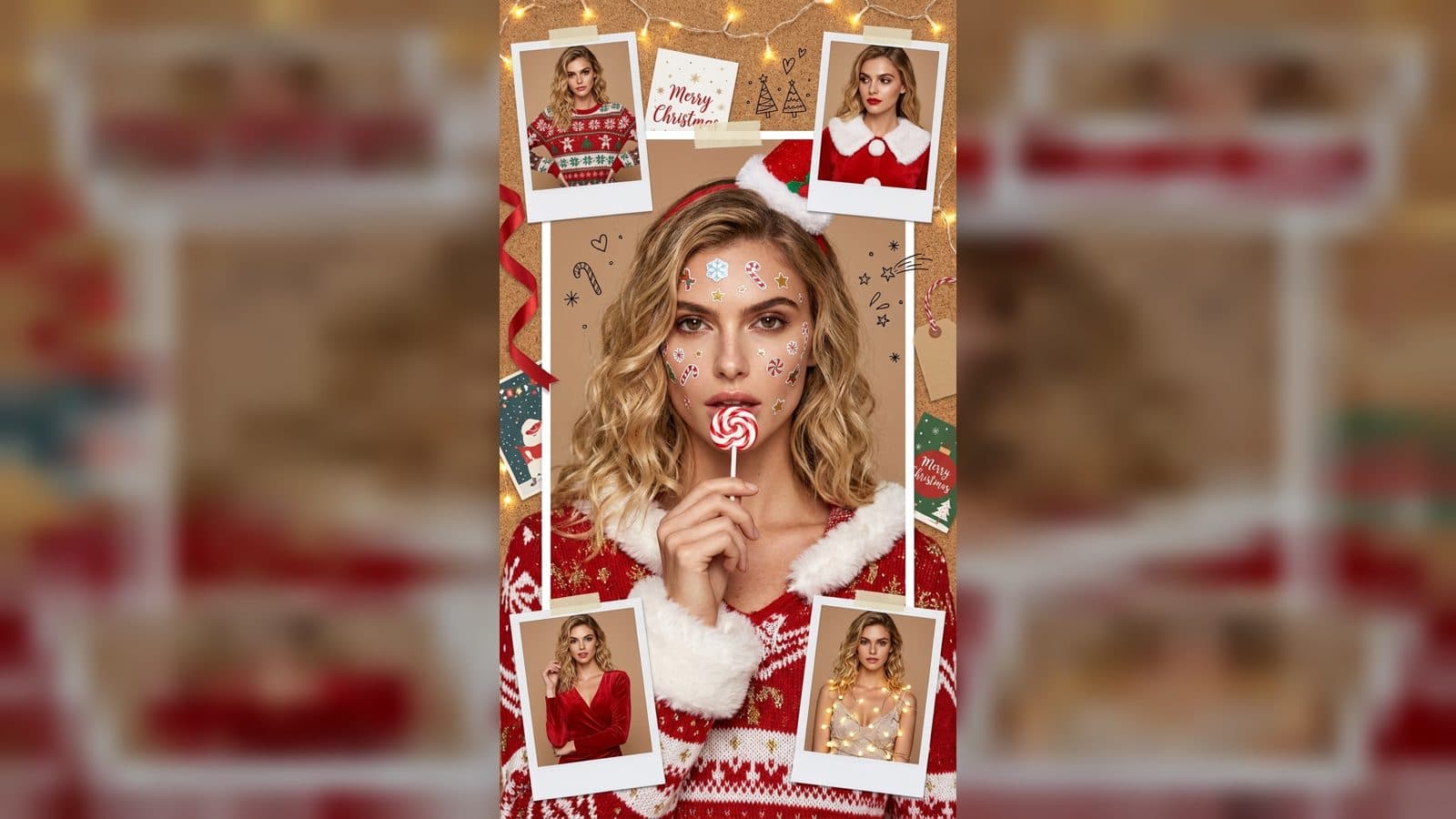
Choosing between Minimax H3 and Seedance 2.5 becomes simpler when you start with the scene you want to make. Both can help a beginner turn a still image or a written idea into a moving moment in ArtArch. Your first choice should come from the visual task in front of you: a character moment, a product reveal, a place coming alive, or a short three-clip story.
Begin with the result you want the viewer to notice
Write one sentence about the final clip before you choose a workflow. You might want a portrait that turns toward the window, a bottle that catches a stripe of light, or a traveler who walks into a wide landscape. This sentence gives you a standard for comparing results later.
Minimax H3 can be a natural place to explore a focused image-to-video scene where a reference image anchors the subject and motion grows from its composition. Seedance 2.5 can be a natural place to plan a single shot or a sequence of short moments with clear camera and pacing choices. The useful difference comes from the creative brief you bring and the visible result you want to review.
Match the workflow to your starting material
If you have a favorite photograph whose identity, clothing, colors, and setting should guide the video, begin by treating it as a reference. Describe the small change you want to see and keep the motion compatible with the image. This is a comfortable first experiment for a Minimax H3 workflow.
If you are planning a sequence, begin by outlining three shots: place, action, and detail. Give each one a short description and a purpose. This makes it easy to use Seedance 2.5 as part of a deliberate series of clips.
Make a small test instead of a final decision
You do not have to commit to a large project. Create a compact test with one subject, one action, and one camera move. For example, animate a cafe portrait with a turn toward the door, then create a related clip showing the cafe sign in the rain. Watch which result better fits the visual language you want for the next scene.
Use the same prompt discipline in either workflow
The most helpful beginner structure stays the same. Name the subject. Choose one visible action. Add a setting detail. Finish with one camera direction. Then choose a duration that lets the action arrive at a clear final frame.
For example: "A ceramic artist lifts a finished cup from the wheel, warm studio light, camera slowly moves closer to the glaze." The sentence gives you a way to compare the two approaches without changing the core idea. You are looking for the version that tells the moment most clearly.
Review outcomes as a creator
Watch your drafts for the same four things: subject recognition, readable action, useful camera movement, and a satisfying final frame. Take notes in plain language. "The cup reads clearly." "The hand motion needs to be smaller." "The closing close-up is strong." These notes are more actionable than broad opinions.
Keep exploring
More in Creative Agent
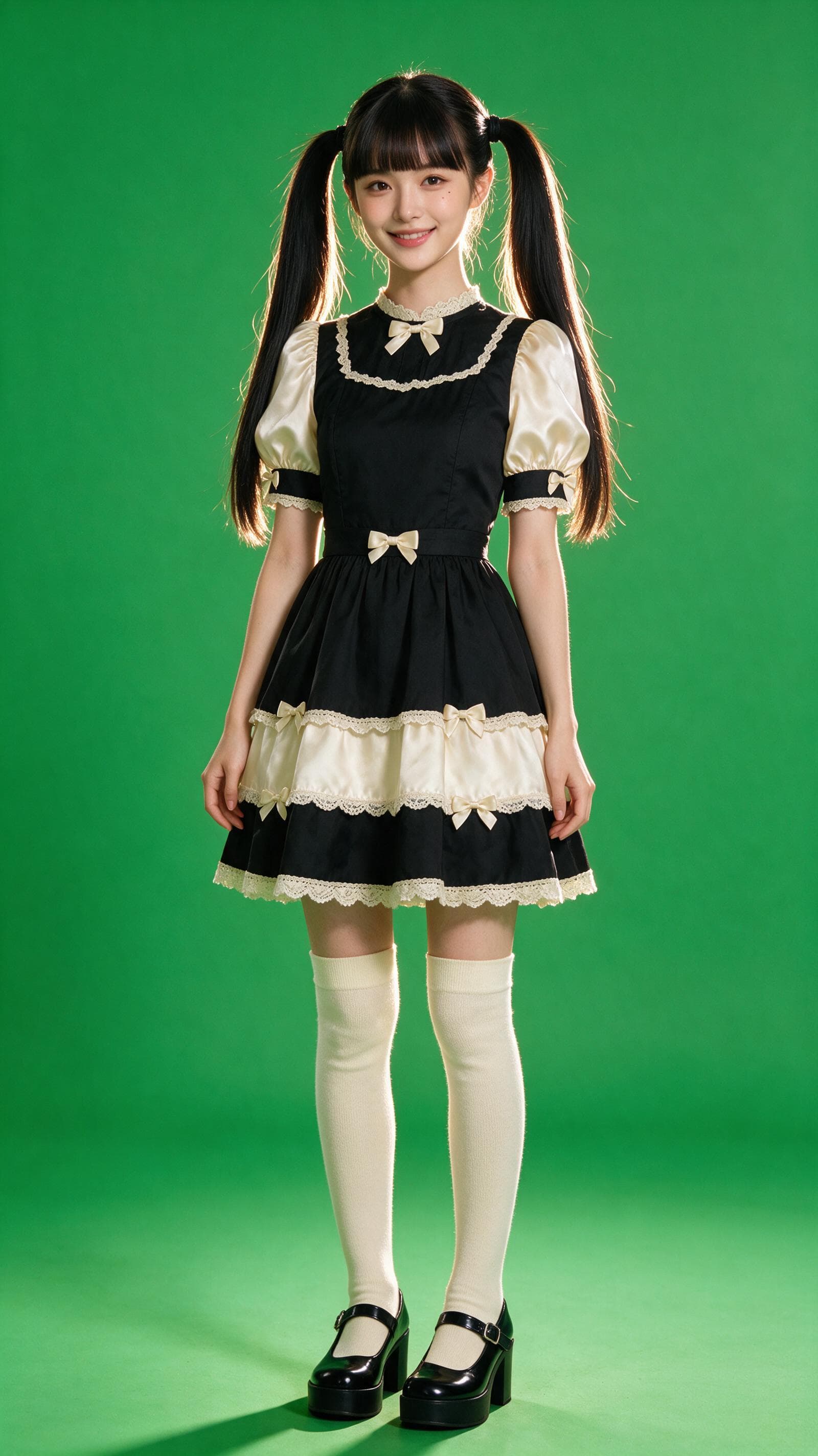
Designing a Three-Scene AI Character State Machine
three-scene AI character state machine case study with saved ArtArch Studio media, prompt decisions, visible results, and practical production notes.
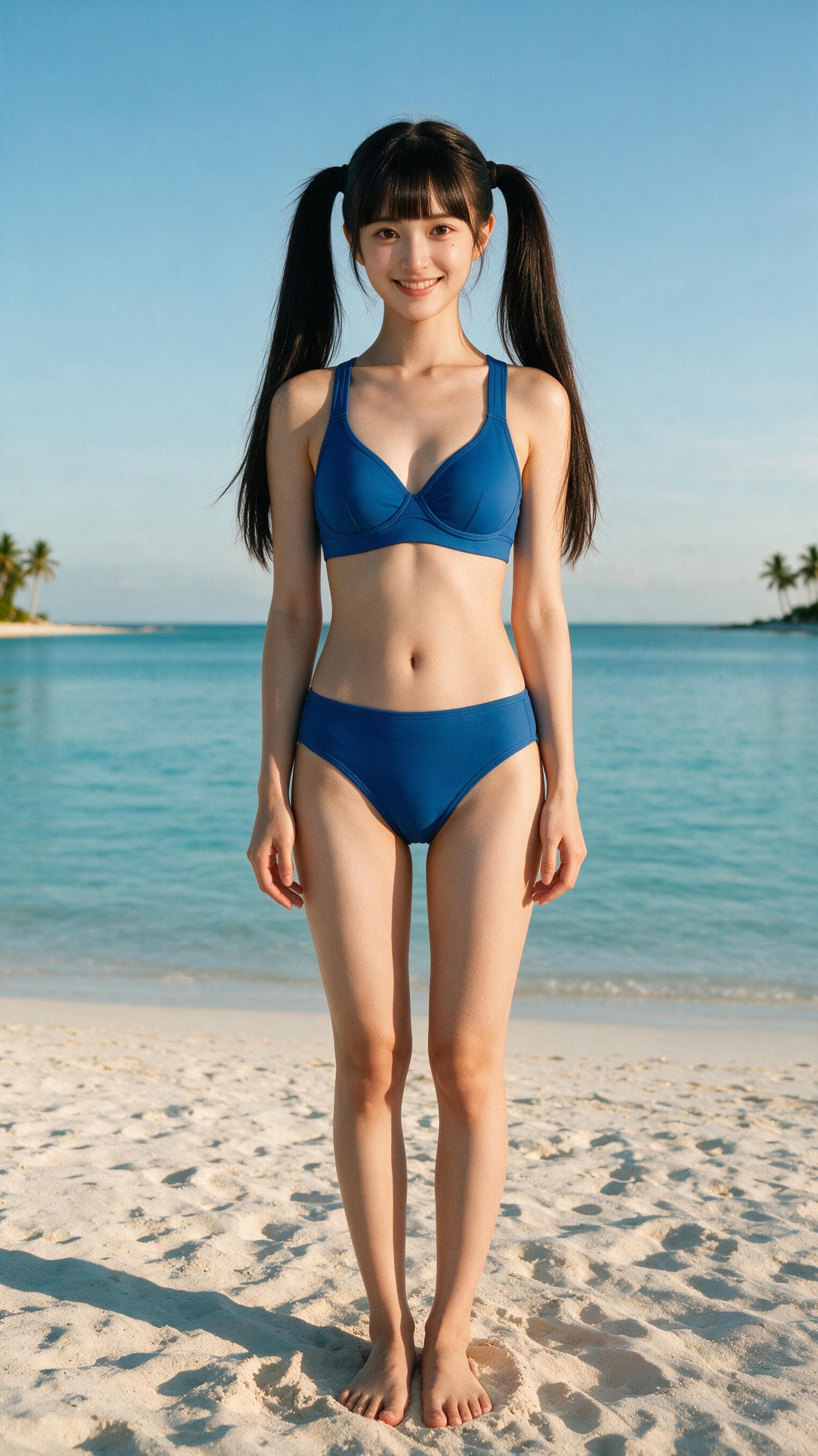
Extracting First and Last Frames to Plan AI Video Transitions
AI video transitions case study with saved ArtArch Studio media, prompt decisions, visible results, and practical production notes.
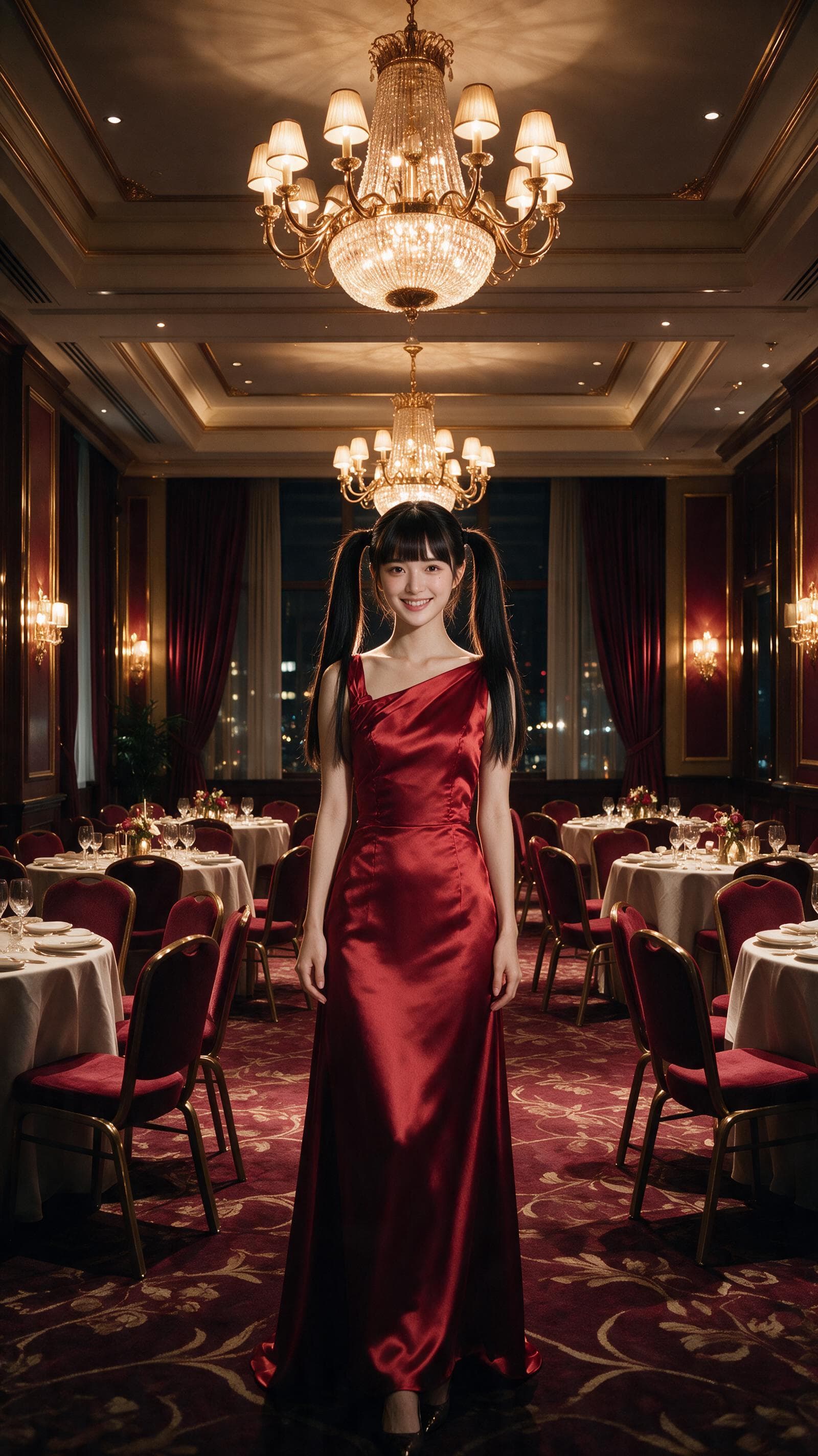
Fan-Dance-to-Idle AI Transition With a Clean Endpoint
fan-dance-to-idle AI transition case study with saved ArtArch Studio media, prompt decisions, visible results, and practical production notes.
An Idle-to-Fan-Dance AI Transition With the Prop as the Cue
idle-to-fan-dance AI transition case study with saved ArtArch Studio media, prompt decisions, visible results, and practical production notes.