

ArtArch Newsroom
Creative AgentHow to Write a Minimax H3 Creative Brief Without Getting Lost in Model Settings
Write an outcome-first Minimax H3 creative brief and use an AI agent to plan a focused ArtArch project.
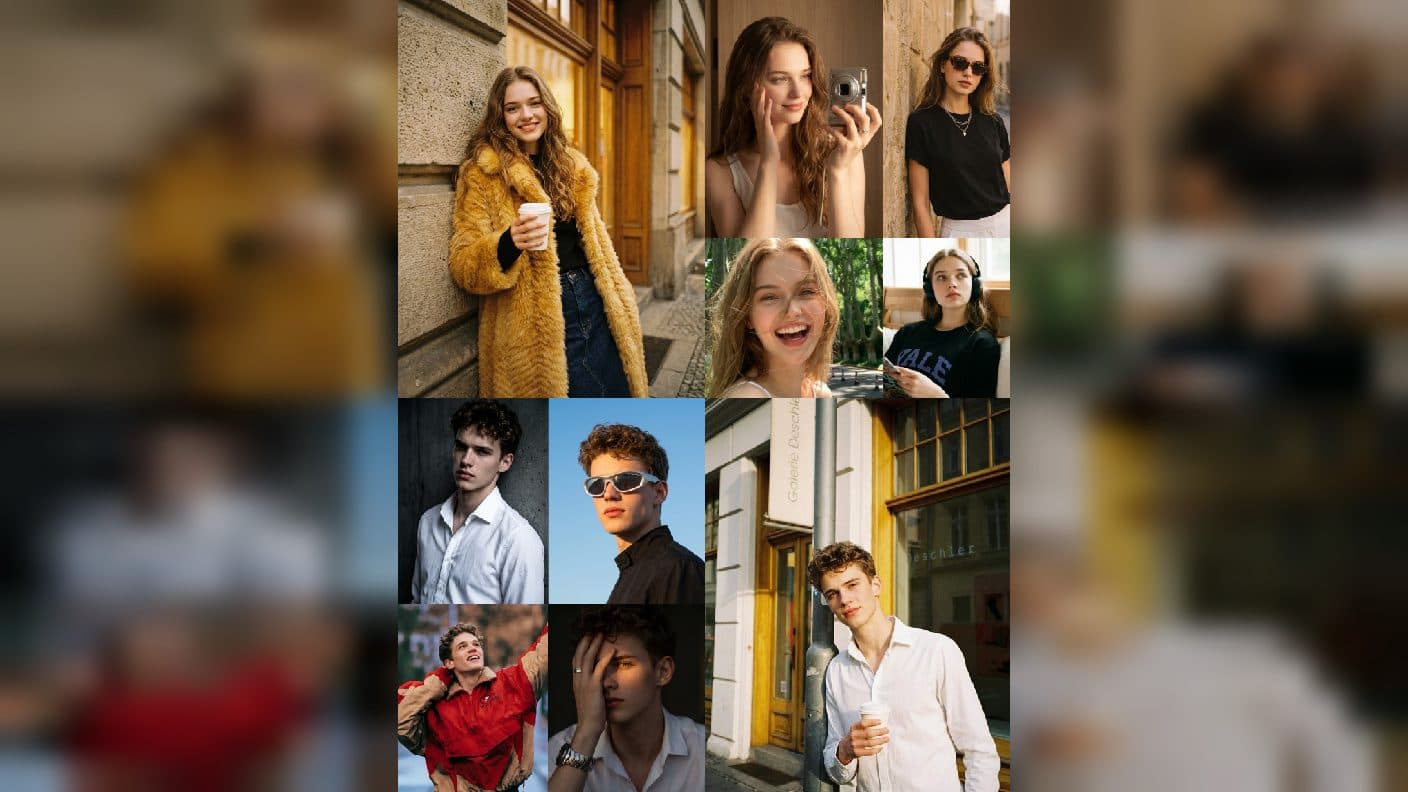
People searching for Minimax H3 often begin with a model name when their actual need is a creative result. That is understandable, but it can make the first project harder than it needs to be. A model name is a selection detail. Your brief is the part that tells an AI agent what to make, who it is for, and what should be visible in the result.
With an ArtArch-enabled agent, start by describing the outcome. The ArtArch CLI page explains that an agent can create images, videos, websites, and workflows, and can either select a model for the task or work from a model you specify. That makes the brief more important than guessing every technical setting. If your workspace offers a Minimax H3 selection, the agent can help you place that preference in the right part of a defined project.
Begin with the viewer, not the model
Consider a short launch video for a handmade skincare line. The audience might be people who enjoy small-batch products. The desired feeling could be calm and tactile. The visual subject is a glass jar, fresh leaves, and a bathroom shelf with early morning light. The format might be a vertical social post.
That is already enough to discuss a creative route. You have given the agent a viewer, a subject, a setting, a mood, and a delivery format. Saying only "make a Minimax H3 video" gives none of those decisions. The agent may know your preferred model name, but it cannot know whether the video should be product-led, story-led, or instructional without your brief.
Write your initial brief as one paragraph, then add a short list of constraints. Include words that protect the idea: keep the product label readable, use a quiet background, avoid crowded props, leave a clean area for copy. Constraints are not a sign that you lack creativity. They help the agent produce something you can use.
Ask the agent to turn the brief into a plan
Before any generation, ask for a concise plan. A useful plan separates the content decision from the model decision. It might state the proposed composition, the motion or sequence, the reference materials, and the selected creative run. You can then see whether the model choice supports the actual task instead of becoming the task.
If you want Minimax H3 considered, say so plainly: "Use Minimax H3 if it is available for this planned run, and explain the selected scope before submitting it." This lets the agent inspect the current project and available model information without claiming a version or capability that has not been checked. It also keeps you in control of what happens next.
ArtArch projects are canvases, so your agent can keep related creative steps together. That matters when a first result needs revision. The same brief, reference, and approved direction can remain attached to the project rather than being reconstructed from memory.
Review the result by purpose
After a draft is ready, return to the original audience. A skincare launch visual should make the product easy to recognize, not bury it in a decorative scene. Check the opening impression, the central subject, and the amount of space available for a caption or product name. For video work, review the first and last moments as well as any motion between them.
Keep exploring
More in Creative Agent
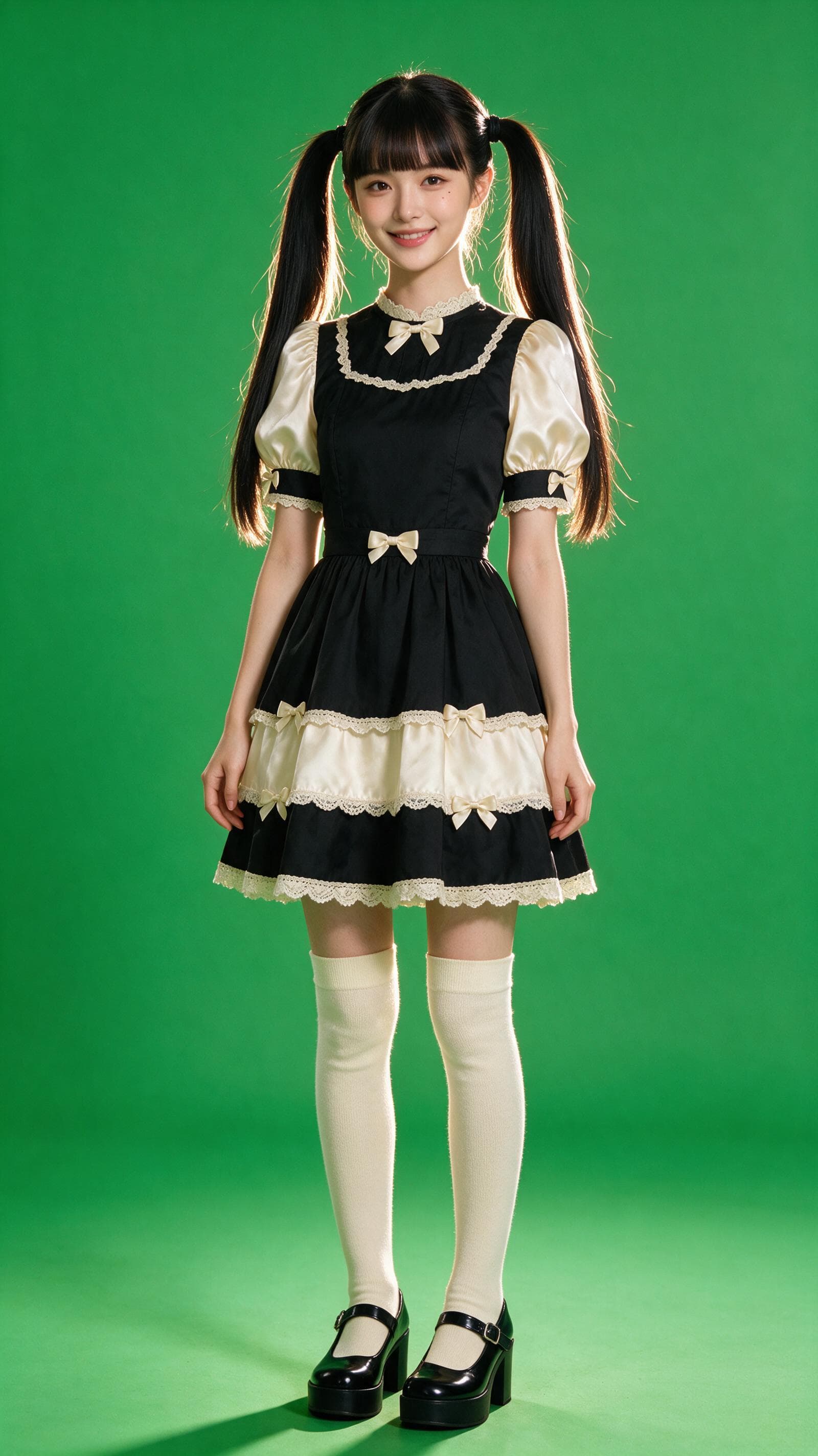
Designing a Three-Scene AI Character State Machine
three-scene AI character state machine case study with saved ArtArch Studio media, prompt decisions, visible results, and practical production notes.

Extracting First and Last Frames to Plan AI Video Transitions
AI video transitions case study with saved ArtArch Studio media, prompt decisions, visible results, and practical production notes.
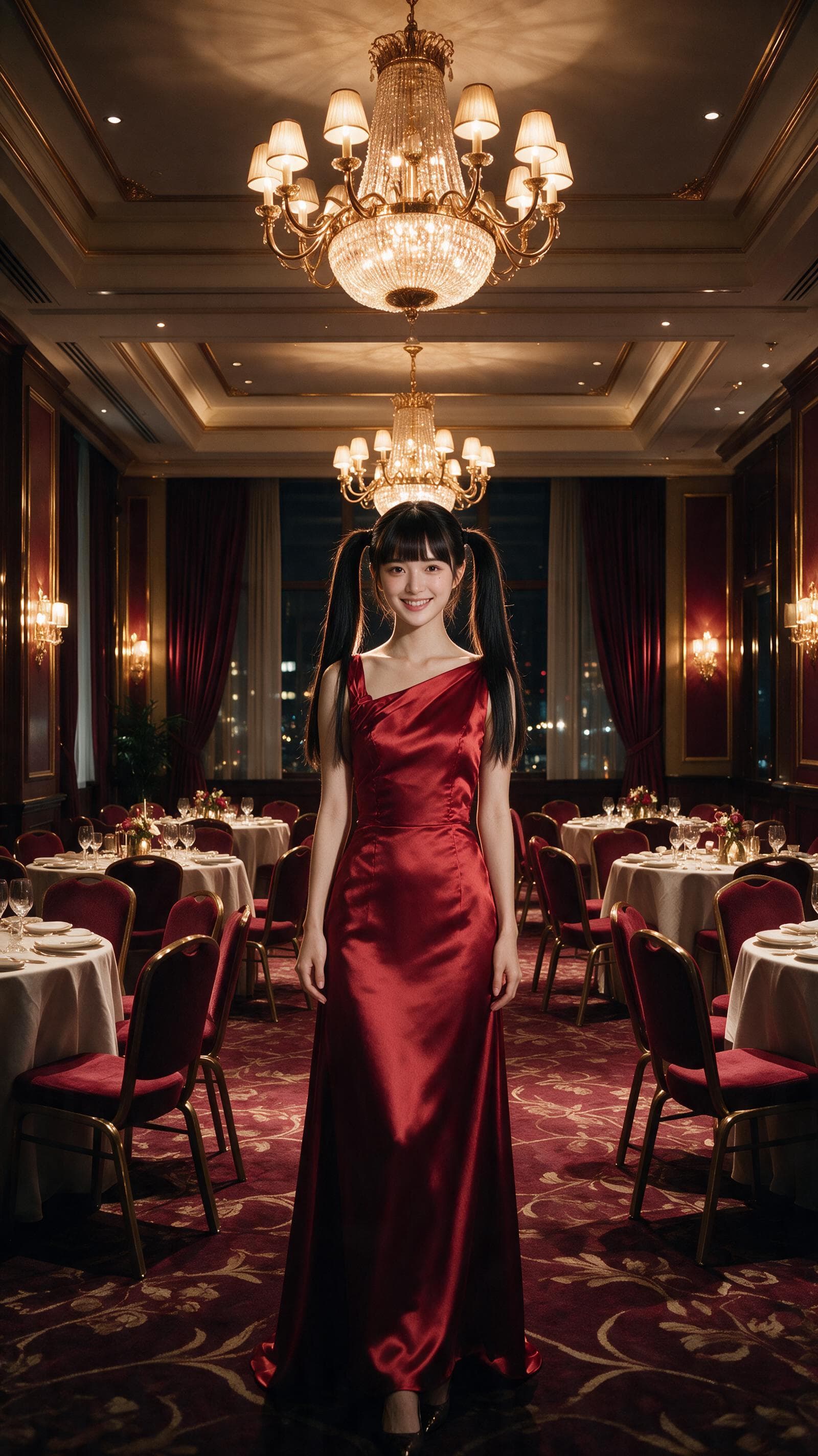
Fan-Dance-to-Idle AI Transition With a Clean Endpoint
fan-dance-to-idle AI transition case study with saved ArtArch Studio media, prompt decisions, visible results, and practical production notes.
An Idle-to-Fan-Dance AI Transition With the Prop as the Cue
idle-to-fan-dance AI transition case study with saved ArtArch Studio media, prompt decisions, visible results, and practical production notes.