

ArtArch Newsroom
Creative AgentKeeping a Character Recognizable in a Minimax H3 Video
Keep a character recognizable in Minimax H3 by protecting a few visual anchors and refining one action, camera, or ending at a time.
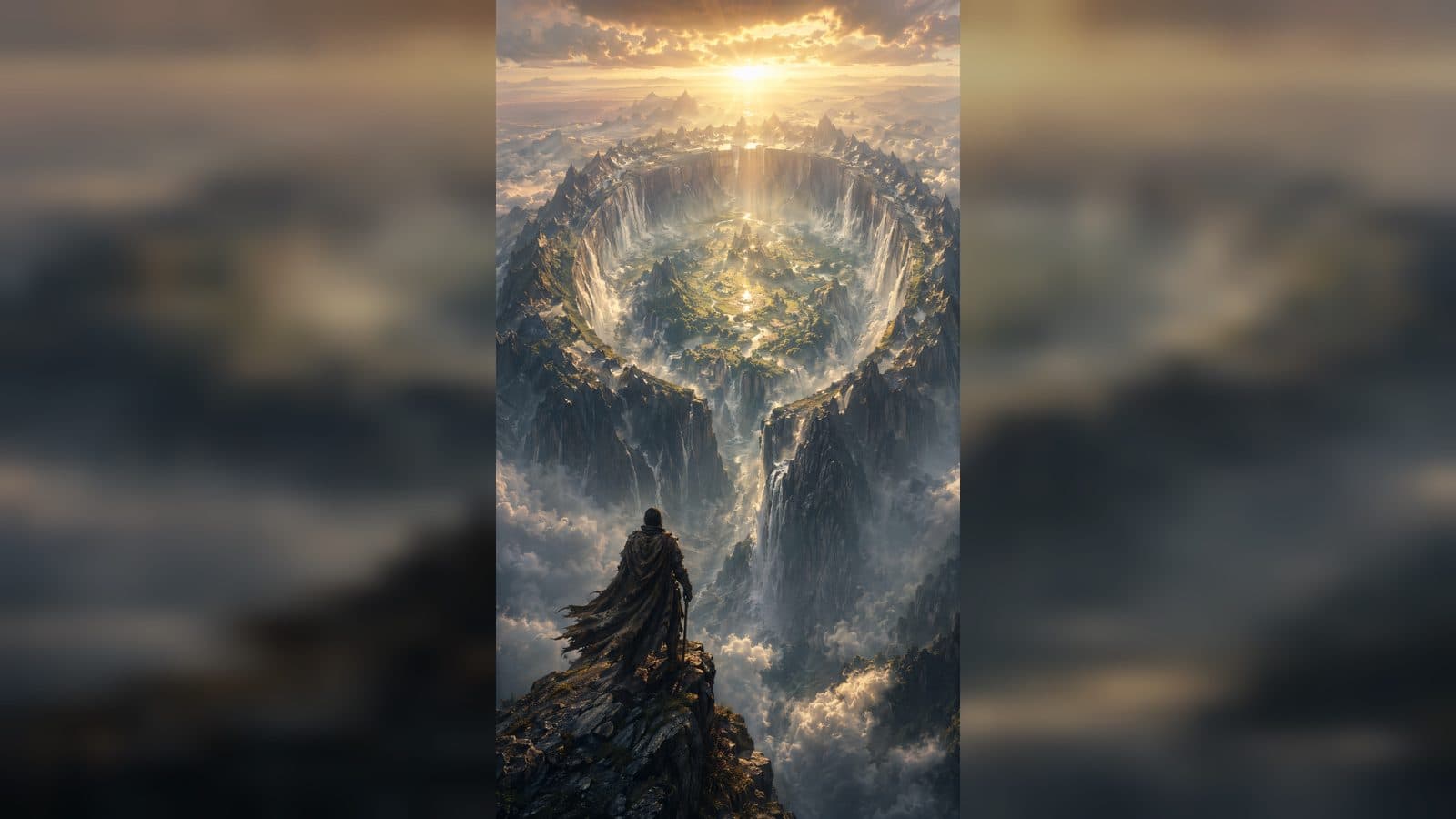
When a character is the center of your first AI video, recognition matters more than spectacle. A Minimax H3 character video begins with a reference image or a clear visual description, then adds one believable moment that lets the person remain the focus. In ArtArch, you can make this manageable by protecting a few visible features before you ask for motion.
Decide what makes the character easy to recognize
Look at the reference image and list three things that a friend would notice immediately. It may be a curly hairstyle, a red coat, round glasses, a blue backpack, or a relaxed pose by a specific window. These are not technical settings. They are visual anchors that help you describe the character in a consistent way.
Include the most important anchors in your direction. For example: "The woman with short curly hair and a red coat stands beside the bookstore window, then turns with a small smile as afternoon light shifts." The language preserves who the viewer is meeting while giving the scene a natural change.
Give the character one action at a time
Start with an action that belongs to the pose and place you can already see. A person sitting at a desk can look up from a notebook. Someone at a station can adjust a bag and look down the platform. A baker can place a tray on a counter. One action lets the character remain readable from the first frame to the final moment.
Avoid packing a new outfit, a new location, a dramatic gesture, and a camera journey into the same first attempt. Each idea can become a later scene. Your first version has a better chance of feeling coherent when the character keeps a stable role in one familiar setting.
Let the camera support the face or gesture
Choose camera motion based on what identifies the character. A close move suits expression and small hand movements. A gentle side view suits a walk through a recognizable space. A wider frame suits a pose that depends on clothing or environment. The camera can strengthen the character without competing with them.
Use duration to show a complete behavior
Think of duration as the time a viewer needs to understand an intention. A glance toward the camera needs a compact moment. Walking through a doorway needs enough time to enter, move, and arrive. Imagine the end frame before you create. The character might finish facing the light, holding a finished object, or pausing at the edge of a street.
This simple ending gives you a way to judge the next draft. You can tell whether the movement reaches the expression, gesture, or position you were trying to show.
Review the character through a short checklist
After viewing, check the character's hair, clothing, face, setting, and main action. Choose the strongest continuity point and preserve it in the next version. Then choose one adjustment. You might refine a camera move that hides a gesture, or make the action more direct.
If you use an agent to organize ideas, give it practical notes such as "keep red coat and bookstore light" or "make the turn smaller." The agent can help prepare a revision list, while you stay in charge of the character's identity and story.
Keep exploring
More in Creative Agent
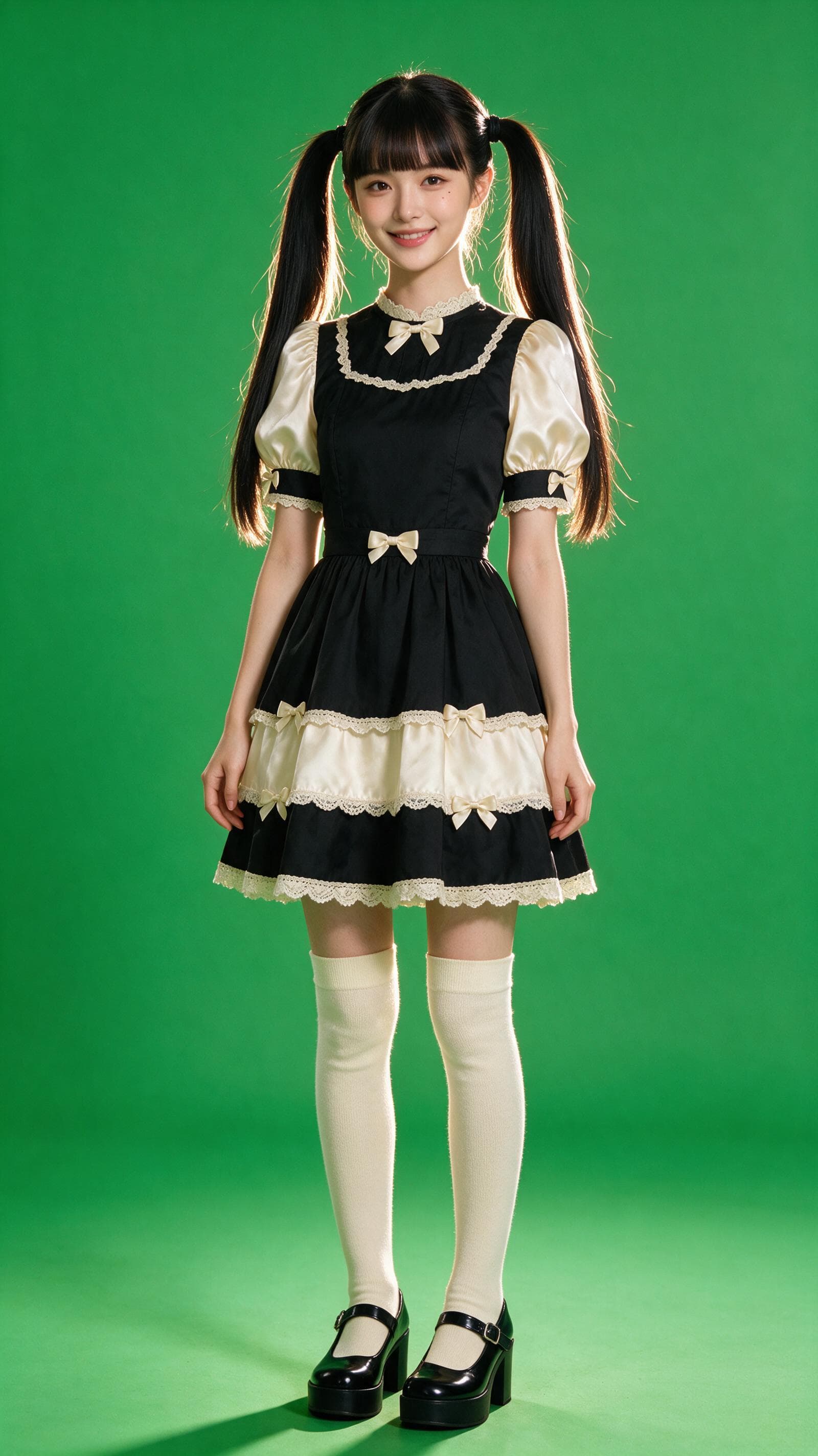
Designing a Three-Scene AI Character State Machine
three-scene AI character state machine case study with saved ArtArch Studio media, prompt decisions, visible results, and practical production notes.
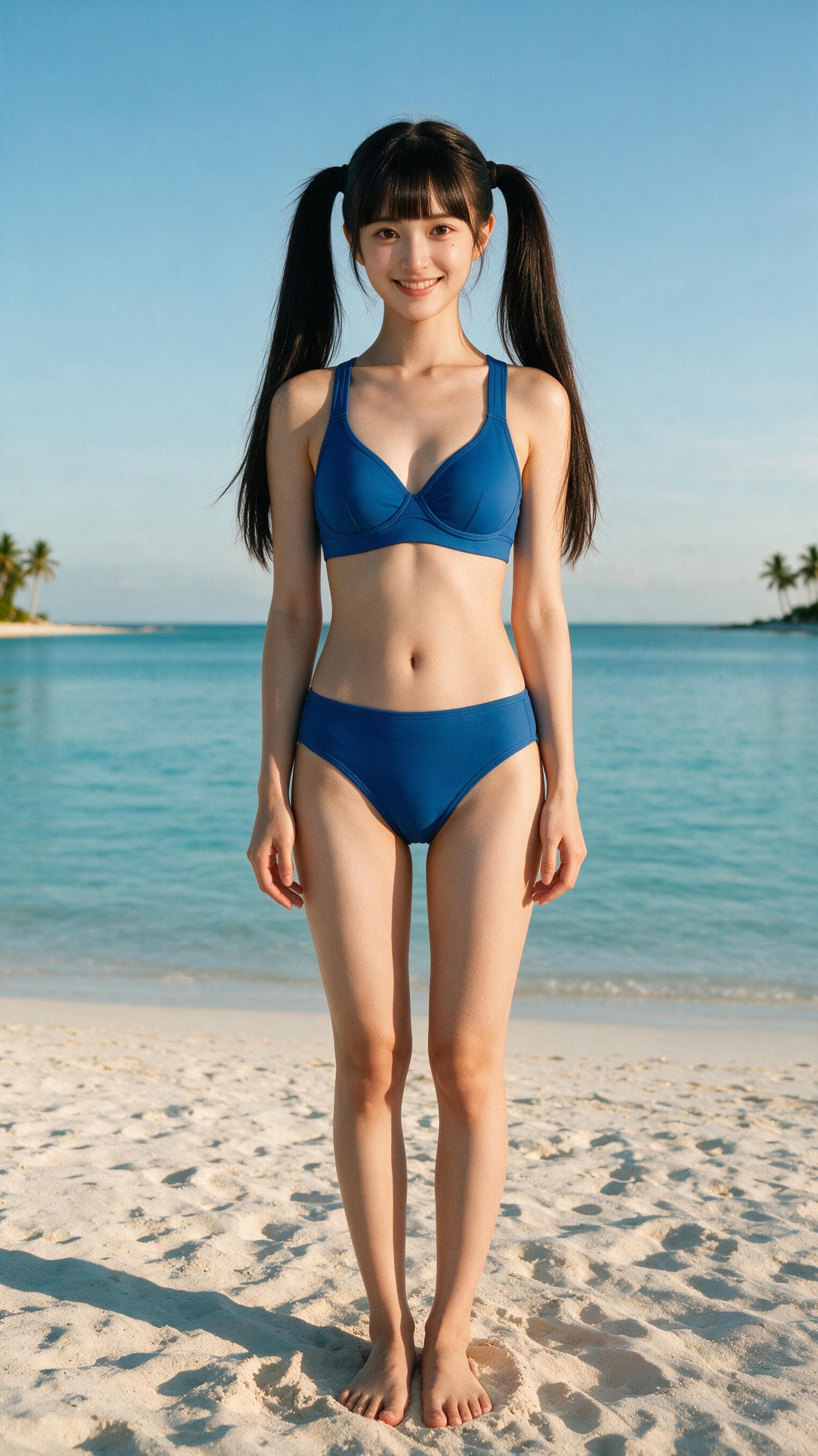
Extracting First and Last Frames to Plan AI Video Transitions
AI video transitions case study with saved ArtArch Studio media, prompt decisions, visible results, and practical production notes.
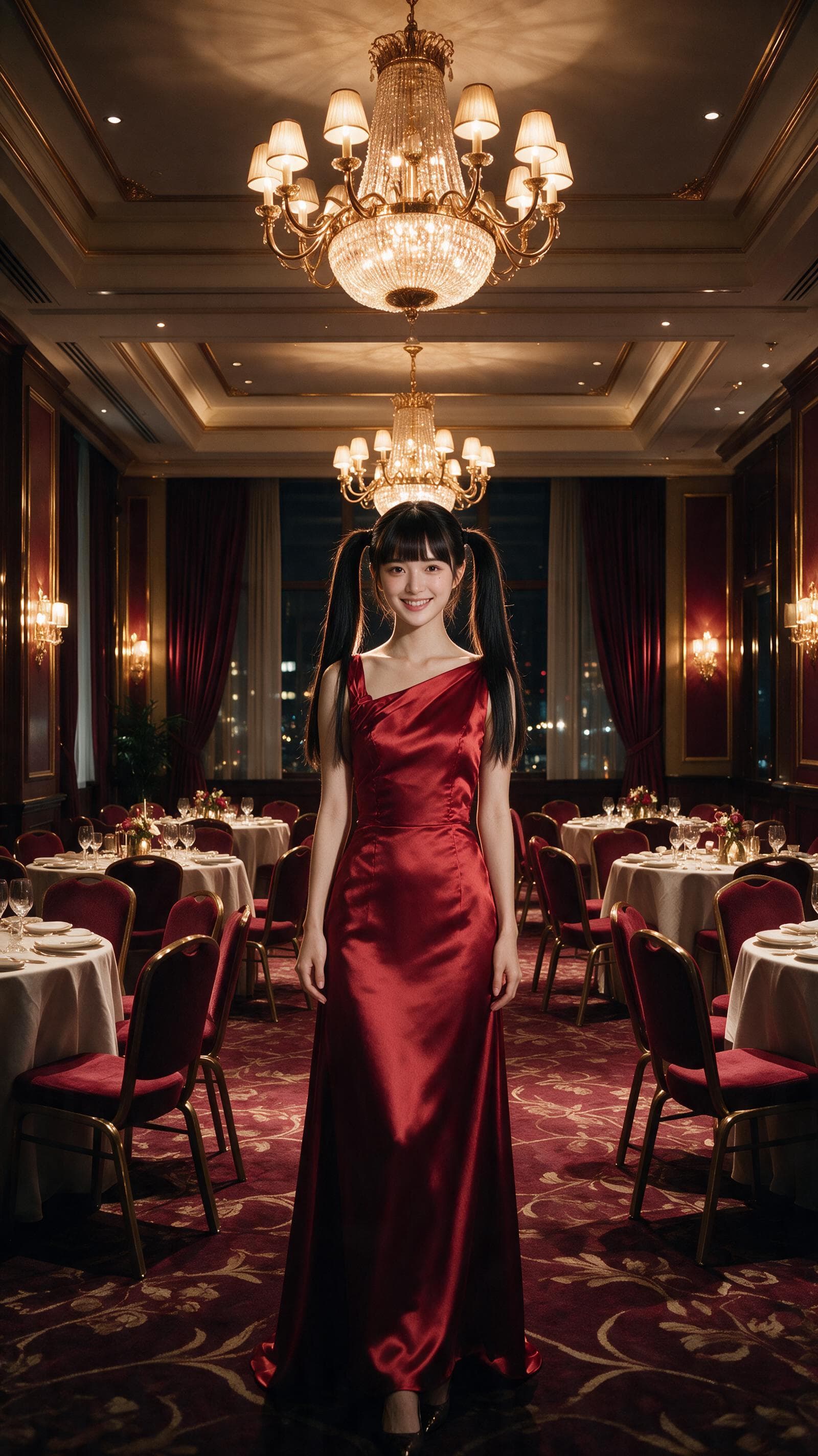
Fan-Dance-to-Idle AI Transition With a Clean Endpoint
fan-dance-to-idle AI transition case study with saved ArtArch Studio media, prompt decisions, visible results, and practical production notes.
An Idle-to-Fan-Dance AI Transition With the Prop as the Cue
idle-to-fan-dance AI transition case study with saved ArtArch Studio media, prompt decisions, visible results, and practical production notes.