

ArtArch Newsroom
Creative AgentGPT Image 2 Creative Agent Workflow: Let an Agent Handle the Repetition
Use a creative agent with GPT Image 2 to prepare image variations, organize references, and create a reviewable Seedance handoff.
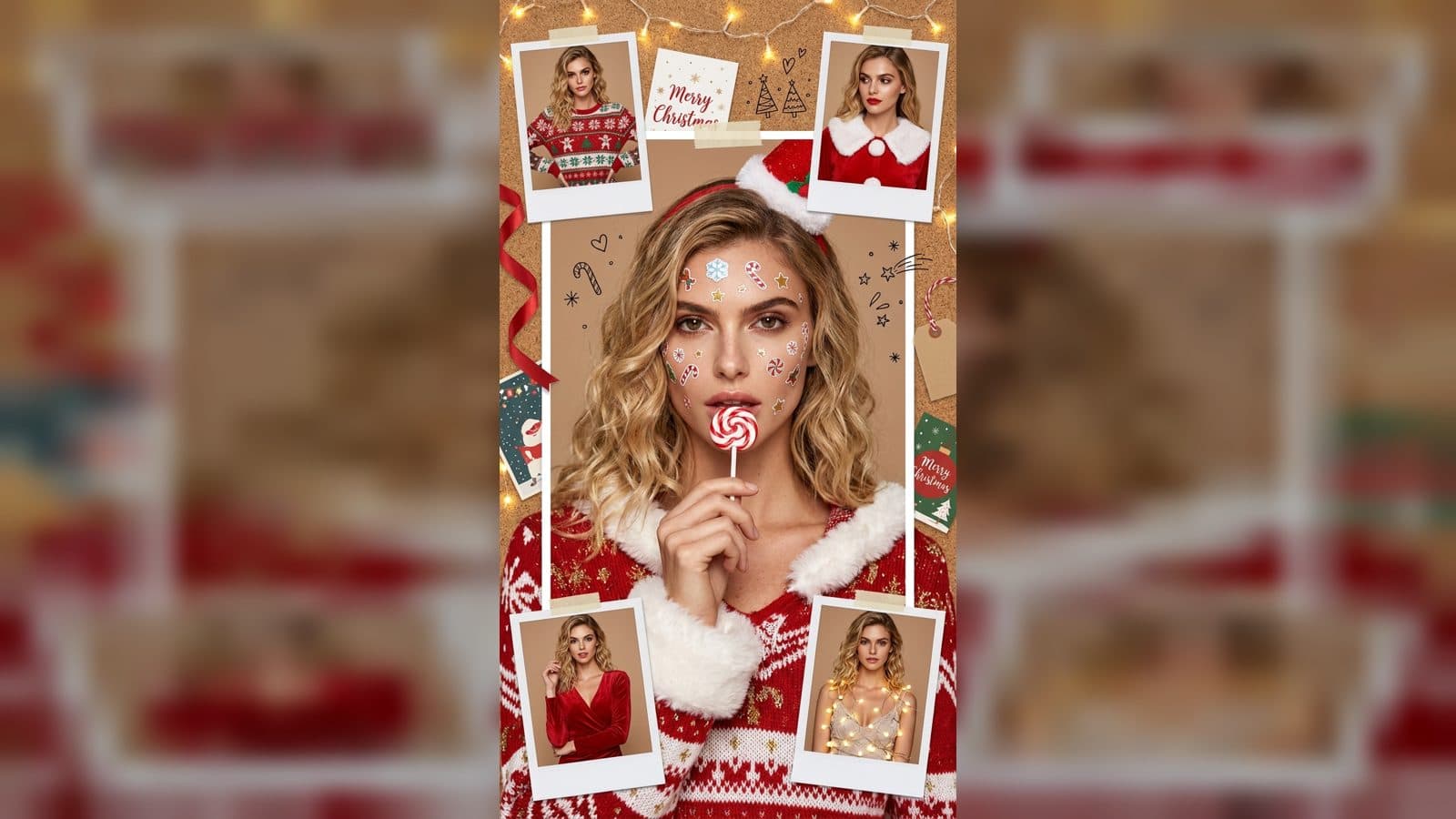
An AI creative agent is most helpful when it handles repeatable work while you make the important decisions. With GPT Image 2, an agent can prepare image variations, keep naming consistent, and collect results in an ArtArch canvas. The beginner still chooses the subject, the desired result, and the version worth keeping.
Give the agent a compact brief
State the subject, audience, setting, composition, and one visual direction. Add the output role: profile image, storyboard panel, product scene, or video starting frame. Include a short keep list for identity, palette, or text. A compact brief is easier to inspect than a stream of unbounded ideas.
Ask for variations with a reason
Request three variations that answer different questions. One might test camera distance, another color temperature, and another background simplicity. Tell the agent which variable changes in each version. This creates useful evidence rather than a gallery of random images. Store the brief and results together so you can compare them later.
Keep approval human
The agent can organize and label outputs, but you should approve the reference used downstream. Check faces, products, hands, composition, and any visible text. Keep the original PNG and use compressed files only as review derivatives. A clear approval note prevents an early draft from silently becoming the source for a video or a new batch.
Connect to Seedance carefully
After approval, ask the agent to prepare a one-beat motion brief. Describe one action, one camera move, and the details that must stay stable. Review the saved image and brief before starting a paid generation run. This keeps creative direction separate from execution and makes the result traceable.
Beginner tasks for an agent
Use an agent to create a cover set with one consistent palette, turn a character description into a small pose sheet, or compare three product backgrounds. These jobs have clear inputs and visible outputs, so you can learn from the differences. Start with one task and expand only after its review process feels comfortable.
Keep agent instructions tied to a named canvas and a defined output list. This makes it clear which assets belong together and gives you a straightforward place to inspect the final result. When a task changes direction, create a new brief instead of silently mixing old and new requirements.
Frequently asked questions
What should I ask an agent to automate?
Automate naming, variation setup, organization, and comparison. Keep subject choice and final approval in your hands.
How many variations are enough?
Three variations with distinct purposes usually reveal a useful direction without overwhelming a beginner.
Does the agent replace review?
No. Review identity, composition, text, and reference quality before any downstream use.
Keep exploring
More in Creative Agent
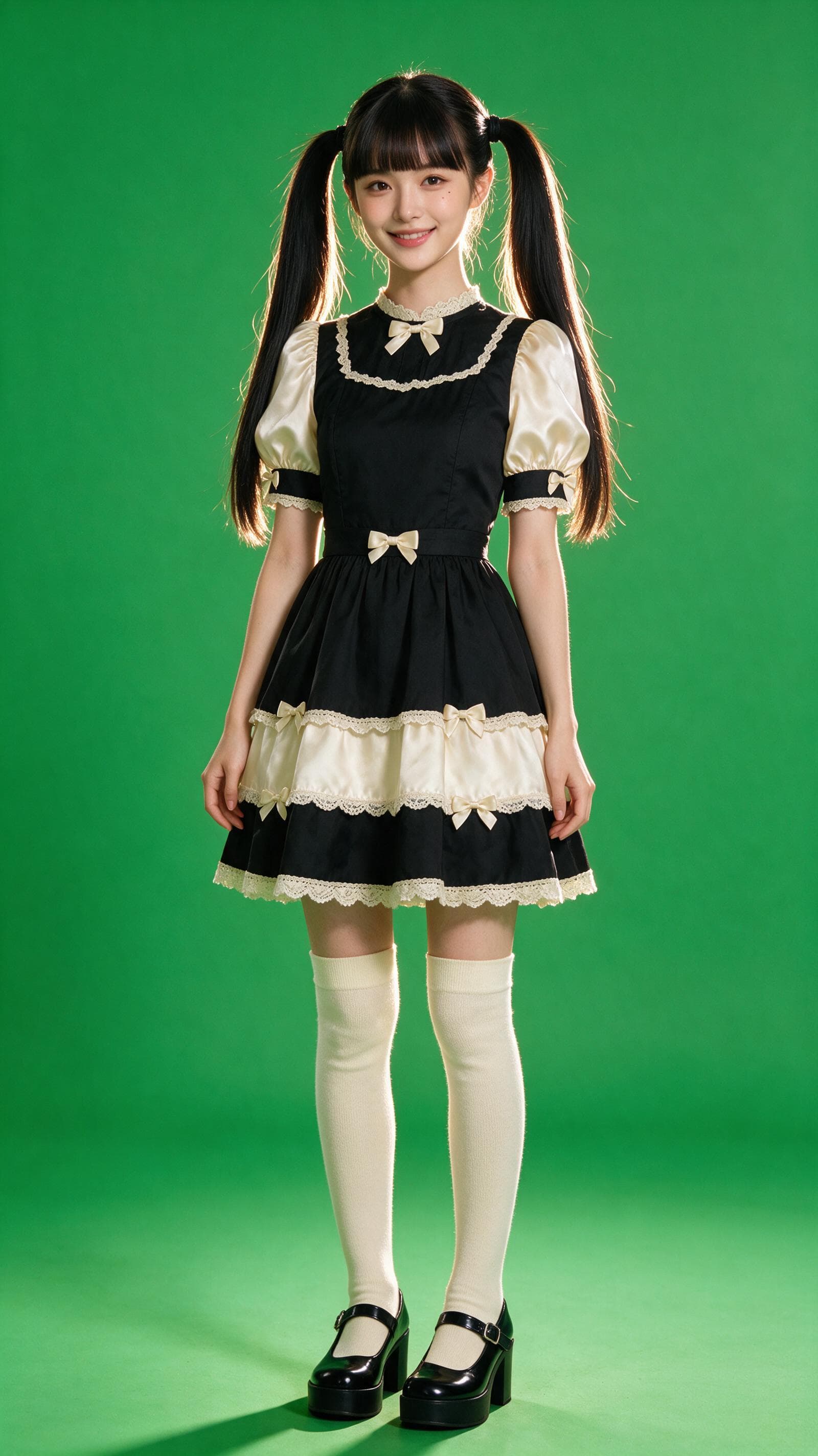
Designing a Three-Scene AI Character State Machine
three-scene AI character state machine case study with saved ArtArch Studio media, prompt decisions, visible results, and practical production notes.

Extracting First and Last Frames to Plan AI Video Transitions
AI video transitions case study with saved ArtArch Studio media, prompt decisions, visible results, and practical production notes.
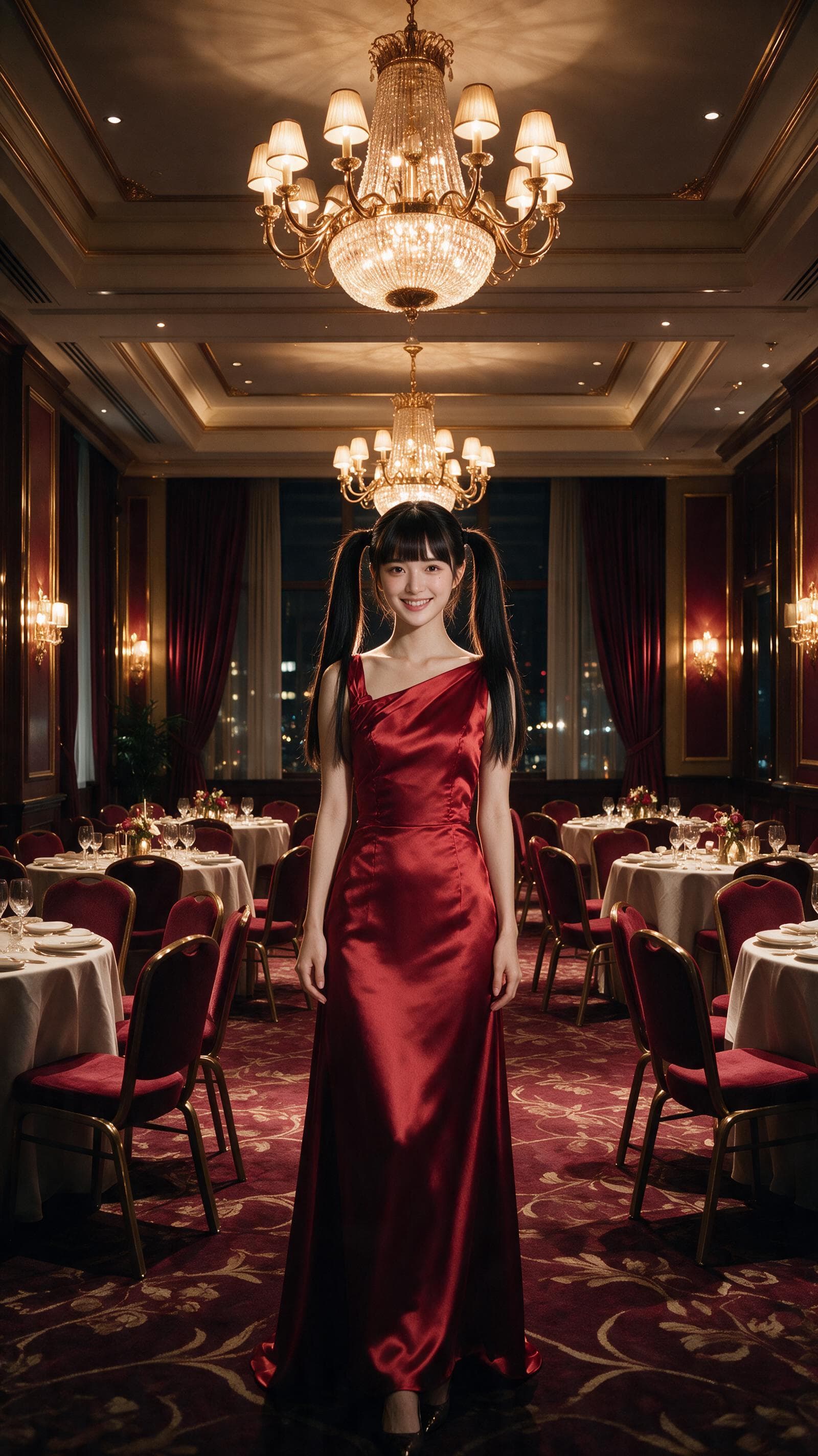
Fan-Dance-to-Idle AI Transition With a Clean Endpoint
fan-dance-to-idle AI transition case study with saved ArtArch Studio media, prompt decisions, visible results, and practical production notes.
An Idle-to-Fan-Dance AI Transition With the Prop as the Cue
idle-to-fan-dance AI transition case study with saved ArtArch Studio media, prompt decisions, visible results, and practical production notes.