

ArtArch Newsroom
Creative AgentFull-Body Framing for an AI Motion Reference
AI motion reference case study with saved ArtArch Studio media, prompt decisions, visible results, and practical production notes.
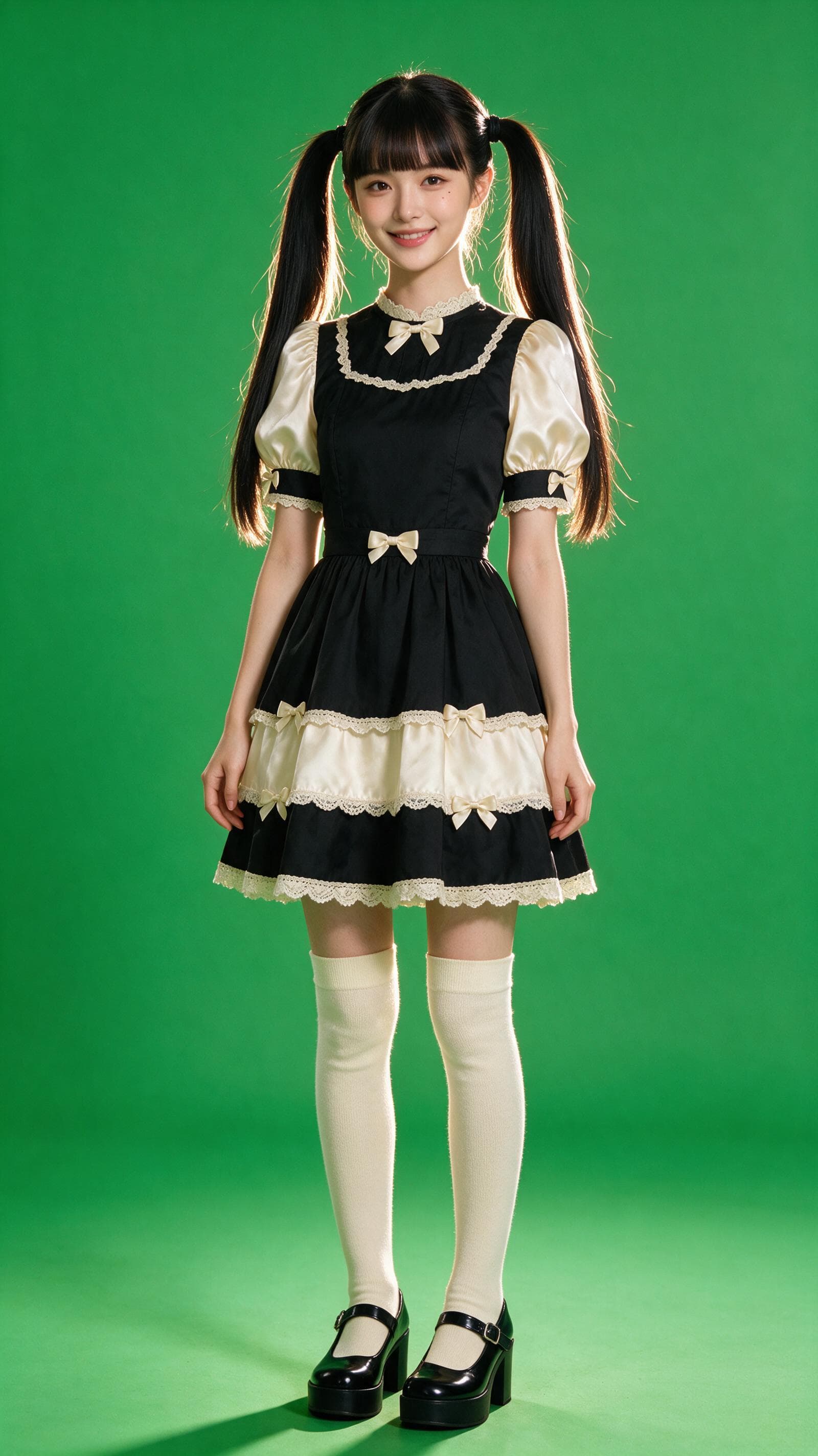
For this AI motion reference workflow, the starting material was a character description meant for later movement. The user wanted a vertical image that includes hair, hands, knees, and shoes; the finished canvas makes it possible to compare that request with what appeared on screen.
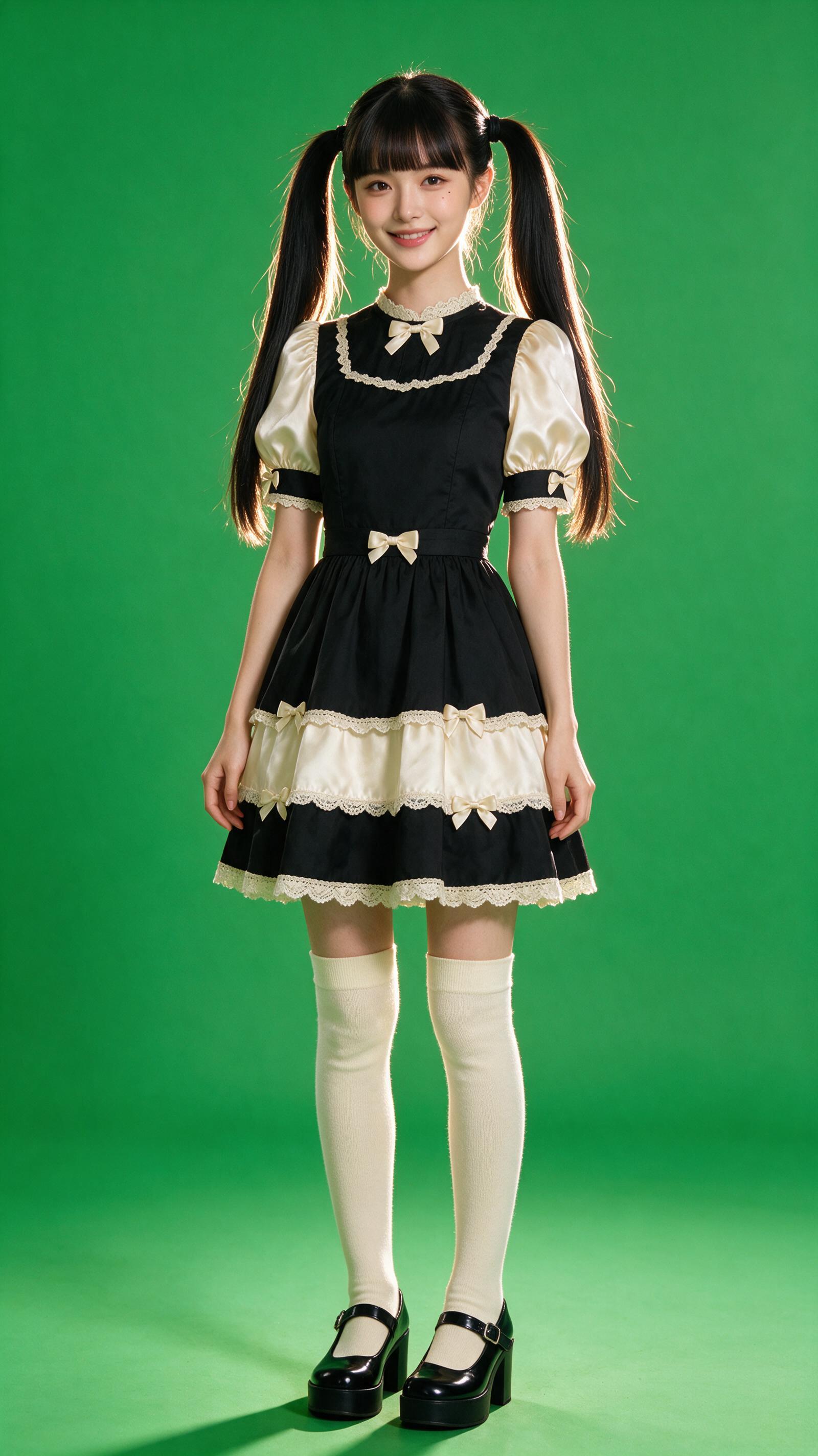
Canvas image: a vertical image that includes hair, hands, knees, and shoes.
The production decision
Frame for the next action, not only for the attractiveness of the still.
The agent translated that choice into this shorter visual brief: Reserve space around the body and keep both feet on screen.
Reading the result
The base portrait offers a complete silhouette, which gives later dance and transition prompts visible information about clothing length and footwear.
The intended target was a vertical image that includes hair, hands, knees, and shoes. The saved media shows where the rendered request meets that target and where another pass may be needed.
Reuse the method
- Start with a character description meant for later movement.
- Write the visible constraint that matters most: Frame for the next action, not only for the attractiveness of the still.
- Generate one reviewable result, inspect still frames as well as playback, and keep the saved canvas media as the production record.
Creators can apply it to dance generation, sports movement, character replacement, or first-frame animation.
Open the source ArtArch Studio canvas to inspect the saved creative context.
Frequently asked questions
What should I prepare first?
Prepare a character description meant for later movement. Use the clearest original files available and decide which one owns identity, product detail, or endpoint composition.
What should I inspect in the result?
Check the result against this visible target: a vertical image that includes hair, hands, knees, and shoes. Review framing, subject identity, props, text, and the first and last frames when video is involved.
Can I reuse the same setup?
Yes. Keep the canvas media and the decision that controlled it: Frame for the next action, not only for the attractiveness of the still.
Open the experience from the template card on this page and try the template with a related creative request.
Keep exploring
More in Creative Agent
Designing a Three-Scene AI Character State Machine
three-scene AI character state machine case study with saved ArtArch Studio media, prompt decisions, visible results, and practical production notes.
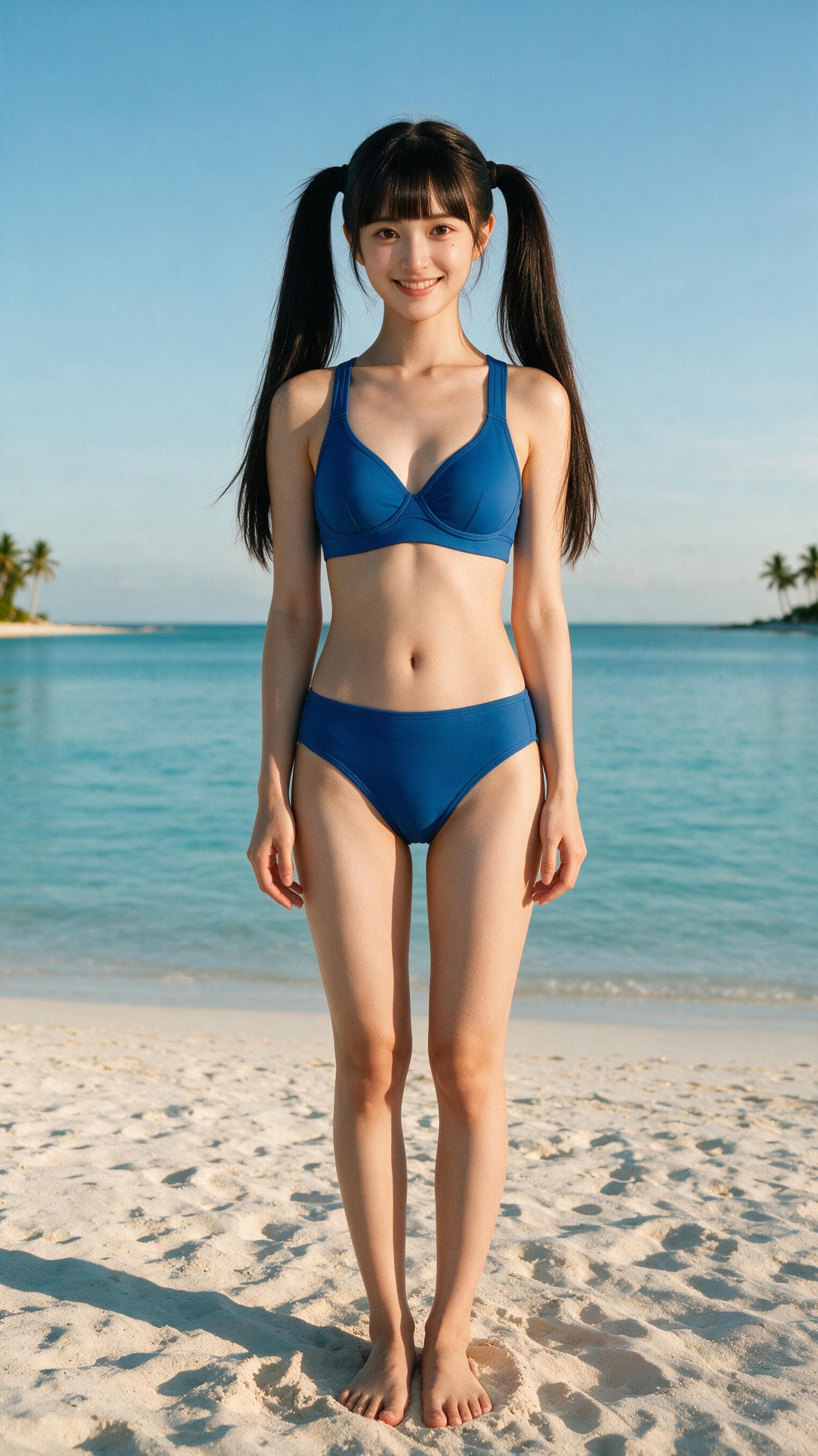
Extracting First and Last Frames to Plan AI Video Transitions
AI video transitions case study with saved ArtArch Studio media, prompt decisions, visible results, and practical production notes.
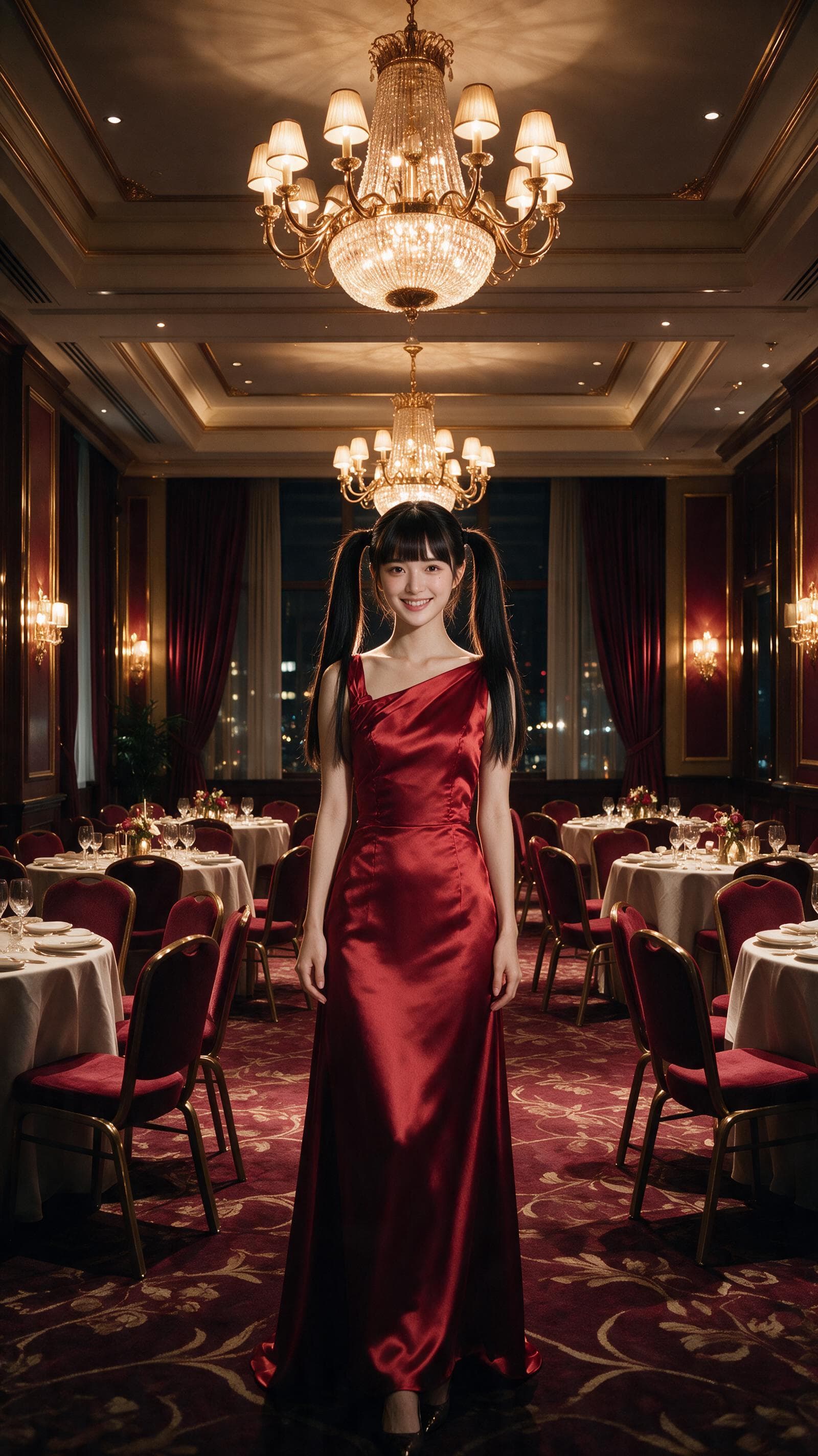
Fan-Dance-to-Idle AI Transition With a Clean Endpoint
fan-dance-to-idle AI transition case study with saved ArtArch Studio media, prompt decisions, visible results, and practical production notes.
An Idle-to-Fan-Dance AI Transition With the Prop as the Cue
idle-to-fan-dance AI transition case study with saved ArtArch Studio media, prompt decisions, visible results, and practical production notes.