

ArtArch Newsroom
Creative AgentAn Empty-Table AI Product Video Layout for Repeatable Scenes
empty-table AI product video layout case study with saved ArtArch Studio media, prompt decisions, visible results, and practical production notes.
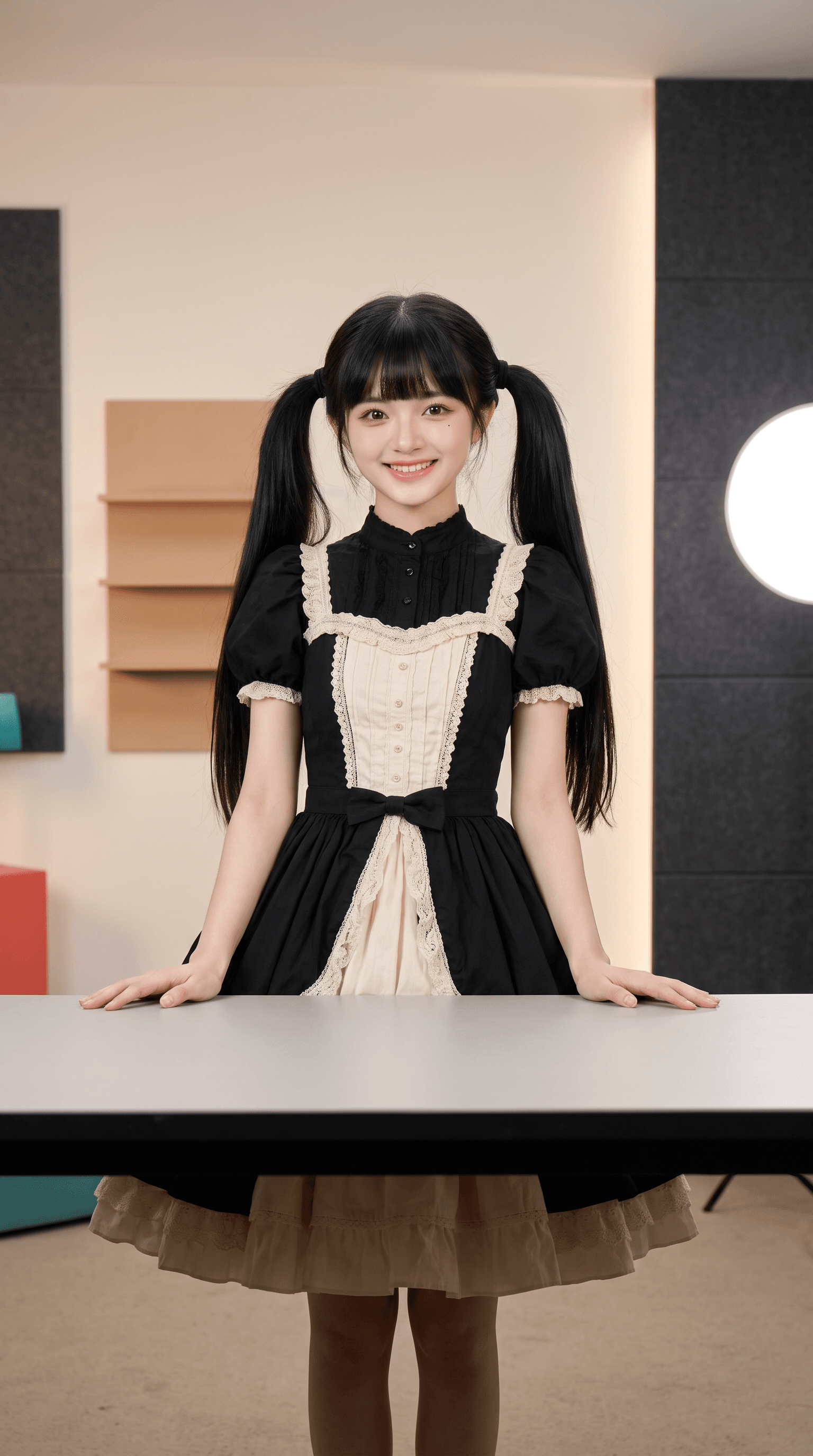
A real user request supplied a host reference and a request for open product space for this empty-table AI product video layout example. The resulting ArtArch Studio canvas contains a portrait composition with a clean product zone across the lower quarter, giving the creative agent a concrete result to inspect and explain.
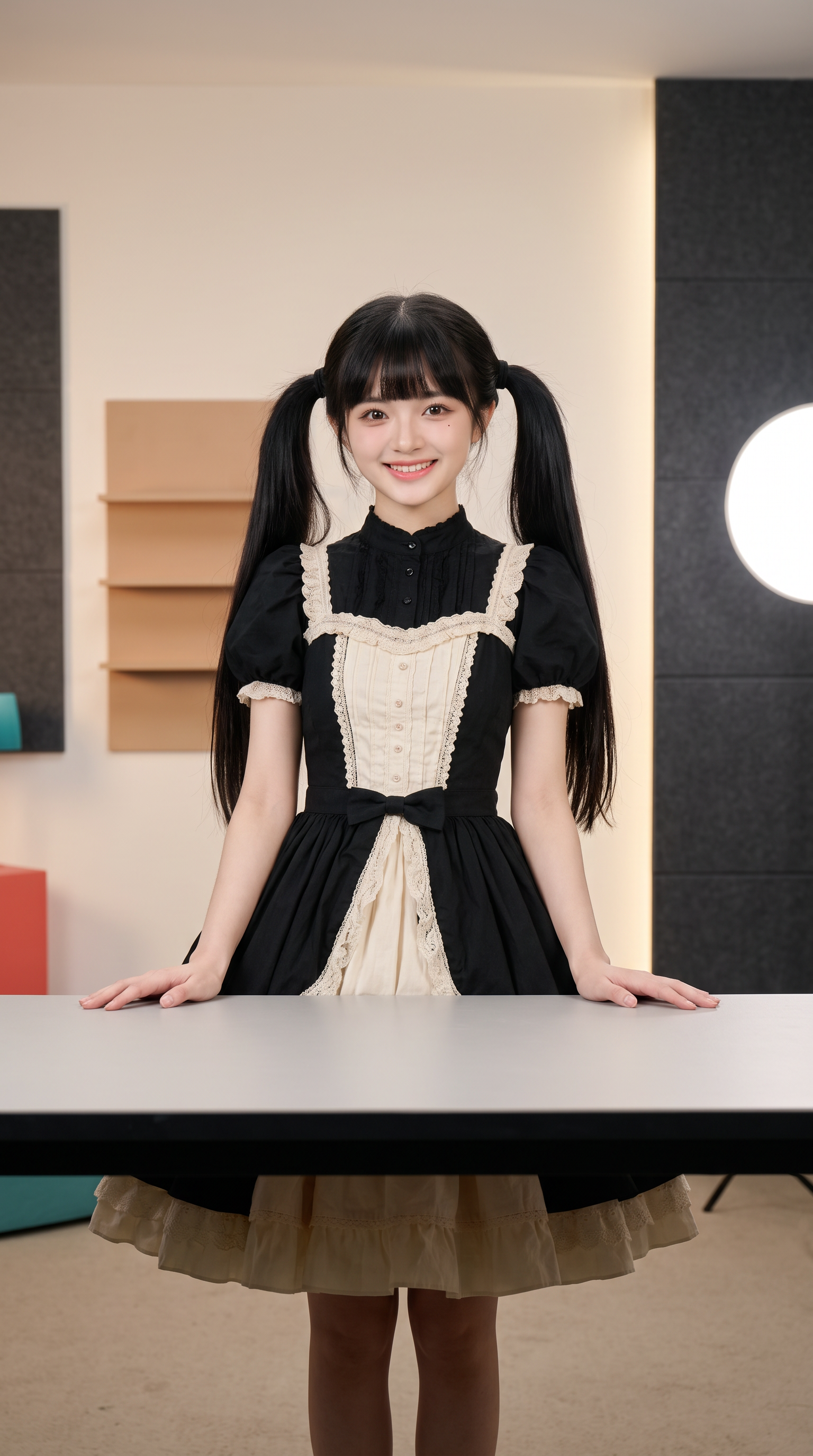
Canvas image: a portrait composition with a clean product zone across the lower quarter.
Why the constraint mattered
Place the table clearly in front of the host and forbid packages, labels, interface elements, and placeholder objects.
The controlling choice was simple: Lock the table height, camera axis, and hand position before generating product-specific frames.
Evidence in the canvas media
The blank table reads as intentional negative space. The host remains centered, and both hands establish the plane where later products will sit.
That visible evidence supports one clear production rule: Lock the table height, camera axis, and hand position before generating product-specific frames.
Production notes
- Start with a host reference and a request for open product space.
- Write the visible constraint that matters most: Lock the table height, camera axis, and hand position before generating product-specific frames.
- Generate one reviewable result, inspect still frames as well as playback, and keep the saved canvas media as the production record.
This pattern is suited to food launches, accessory demos, rotating catalog posts, or an automated commerce show.
Open the source ArtArch Studio canvas to inspect the saved creative context.
Frequently asked questions
What should I prepare first?
Prepare a host reference and a request for open product space. Use the clearest original files available and decide which one owns identity, product detail, or endpoint composition.
What should I inspect in the result?
Check the result against this visible target: a portrait composition with a clean product zone across the lower quarter. Review framing, subject identity, props, text, and the first and last frames when video is involved.
Can I reuse the same setup?
Yes. Keep the canvas media and the decision that controlled it: Lock the table height, camera axis, and hand position before generating product-specific frames.
Use the template card on this page to enter the experience page and try this workflow with your own references.
Keep exploring
More in Creative Agent
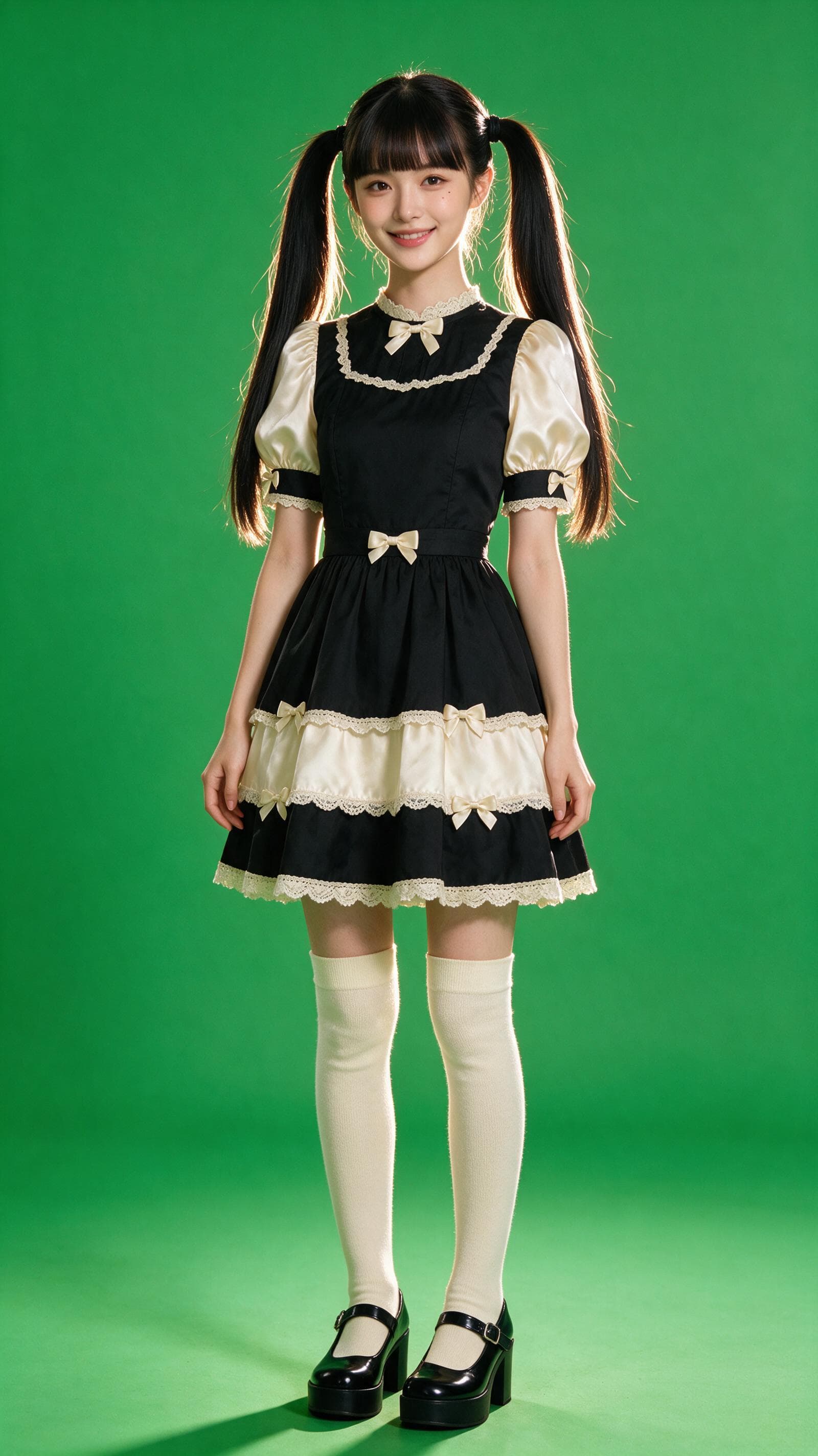
Designing a Three-Scene AI Character State Machine
three-scene AI character state machine case study with saved ArtArch Studio media, prompt decisions, visible results, and practical production notes.

Extracting First and Last Frames to Plan AI Video Transitions
AI video transitions case study with saved ArtArch Studio media, prompt decisions, visible results, and practical production notes.
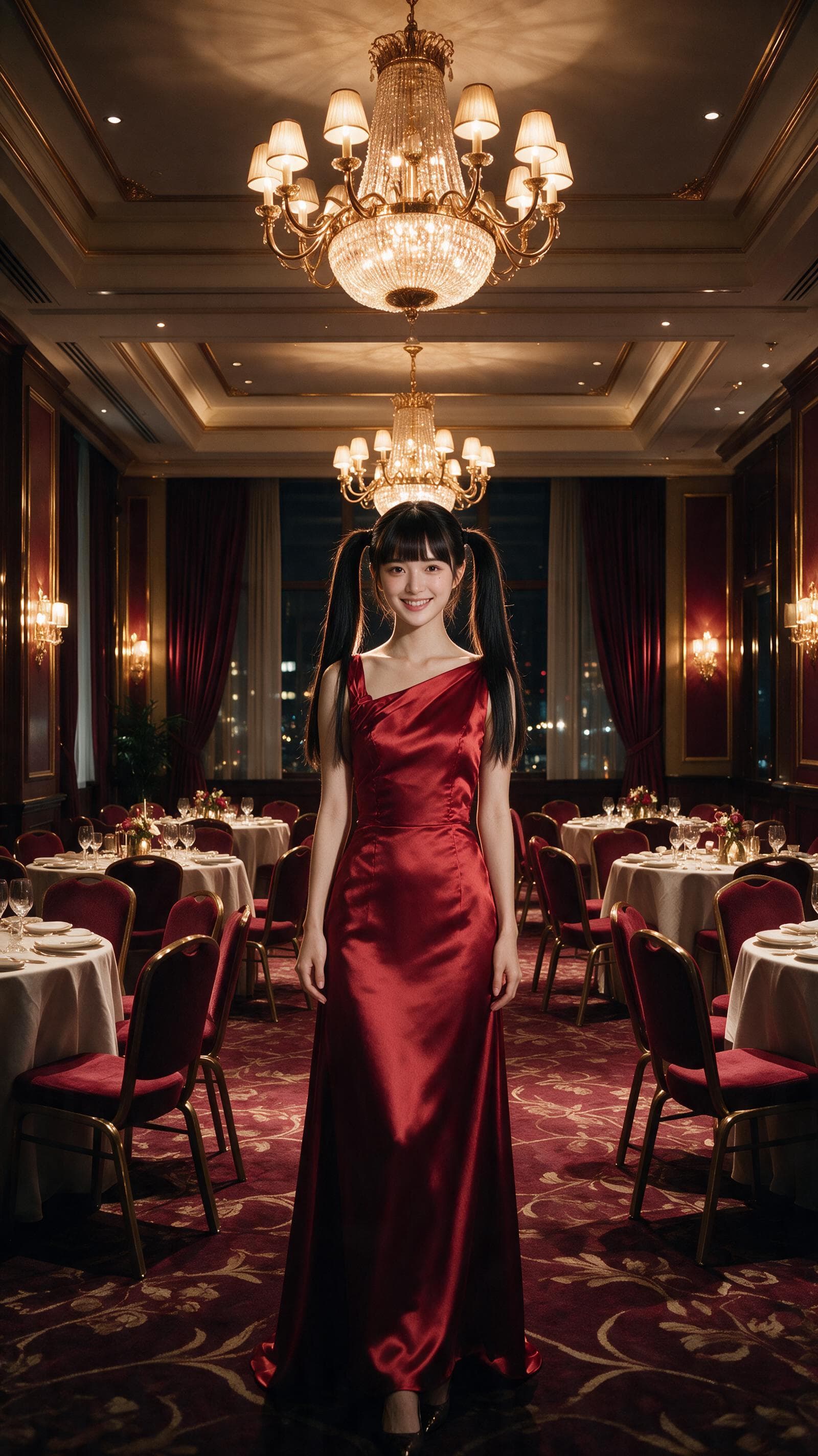
Fan-Dance-to-Idle AI Transition With a Clean Endpoint
fan-dance-to-idle AI transition case study with saved ArtArch Studio media, prompt decisions, visible results, and practical production notes.
An Idle-to-Fan-Dance AI Transition With the Prop as the Cue
idle-to-fan-dance AI transition case study with saved ArtArch Studio media, prompt decisions, visible results, and practical production notes.