

ArtArch Newsroom
Creative AgentConsistent AI Host Across Products: A Two-Scene Test
consistent AI host across products case study with saved ArtArch Studio media, prompt decisions, visible results, and practical production notes.

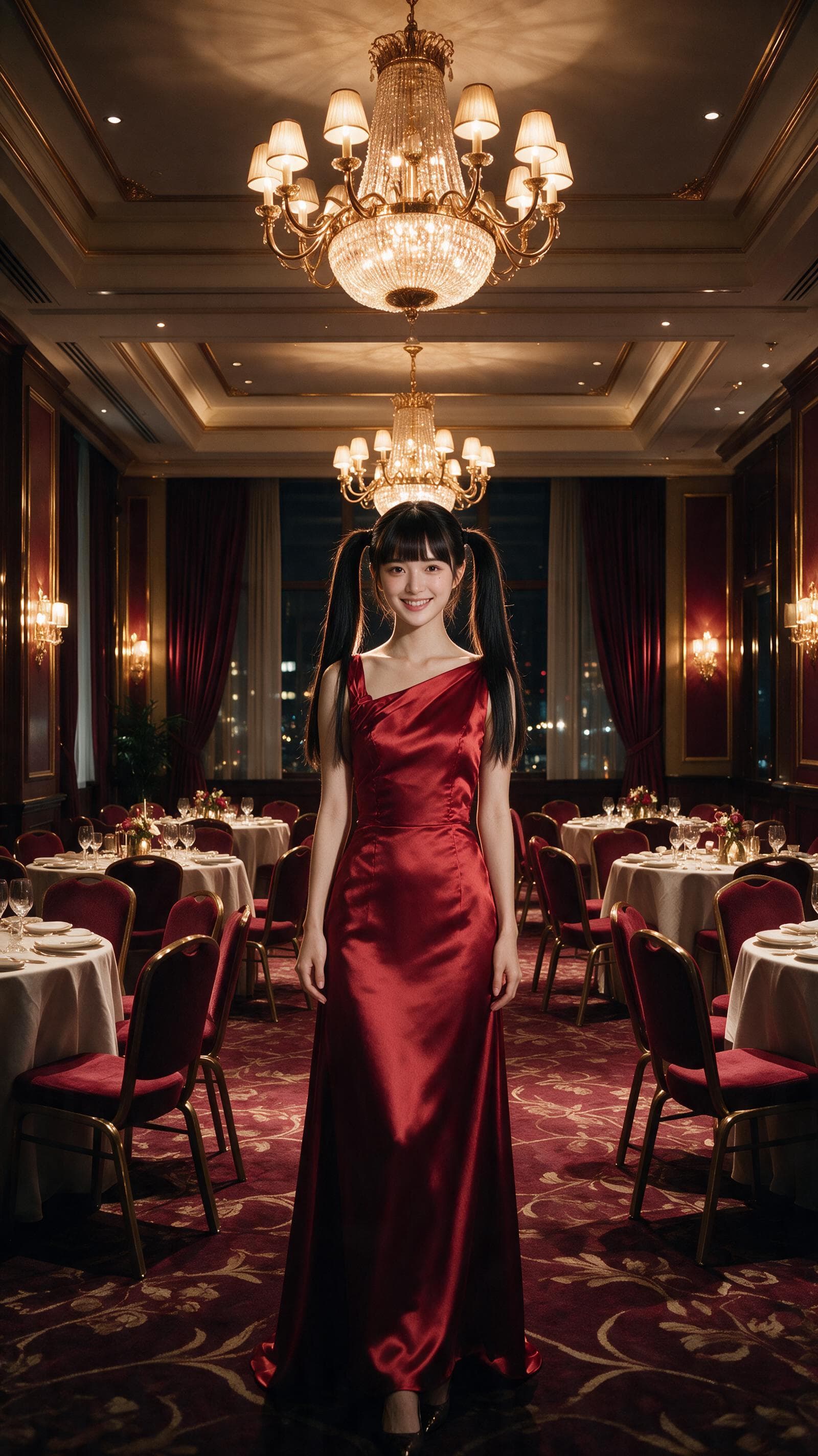
For this consistent AI host across products workflow, the starting material was one empty base scene plus separate hamburger and handbag references. The user wanted three matching frames that differ mainly in the object on the table; the finished canvas makes it possible to compare that request with what appeared on screen.

Canvas image: three matching frames that differ mainly in the object on the table.
The production decision
Write the preservation list once and make the product reference responsible only for the product.
The agent translated that choice into this shorter visual brief: Use the base image as the authority for face, hair, clothing, camera, table, background, and light.
Reading the result
Across the empty, burger, and handbag frames, the host stays centered with the same twin ponytails and dress. The table line and round light also stay in the same places.
The intended target was three matching frames that differ mainly in the object on the table. The saved media shows where the rendered request meets that target and where another pass may be needed.
Reuse the method
- Start with one empty base scene plus separate hamburger and handbag references.
- Write the visible constraint that matters most: Write the preservation list once and make the product reference responsible only for the product.
- Generate one reviewable result, inspect still frames as well as playback, and keep the saved canvas media as the production record.
Creators can apply it to multi-item livestreams, catalog carousels, A/B product ads, or episodic shopping content.
Open the source ArtArch Studio canvas to inspect the saved creative context.
Frequently asked questions
What should I prepare first?
Prepare one empty base scene plus separate hamburger and handbag references. Use the clearest original files available and decide which one owns identity, product detail, or endpoint composition.
What should I inspect in the result?
Check the result against this visible target: three matching frames that differ mainly in the object on the table. Review framing, subject identity, props, text, and the first and last frames when video is involved.
Can I reuse the same setup?
Yes. Keep the canvas media and the decision that controlled it: Write the preservation list once and make the product reference responsible only for the product.
Use the template card on this page to enter the experience page and try this workflow with your own references.
Keep exploring
More in Creative Agent

Designing a Three-Scene AI Character State Machine
three-scene AI character state machine case study with saved ArtArch Studio media, prompt decisions, visible results, and practical production notes.

Extracting First and Last Frames to Plan AI Video Transitions
AI video transitions case study with saved ArtArch Studio media, prompt decisions, visible results, and practical production notes.
Fan-Dance-to-Idle AI Transition With a Clean Endpoint
fan-dance-to-idle AI transition case study with saved ArtArch Studio media, prompt decisions, visible results, and practical production notes.
An Idle-to-Fan-Dance AI Transition With the Prop as the Cue
idle-to-fan-dance AI transition case study with saved ArtArch Studio media, prompt decisions, visible results, and practical production notes.