

ArtArch Newsroom
Creative AgentWhy Black-and-White Storyboards Still Matter for AI Art
Use black-and-white storyboard art to judge shape, contrast, direction, and focus before adding color.
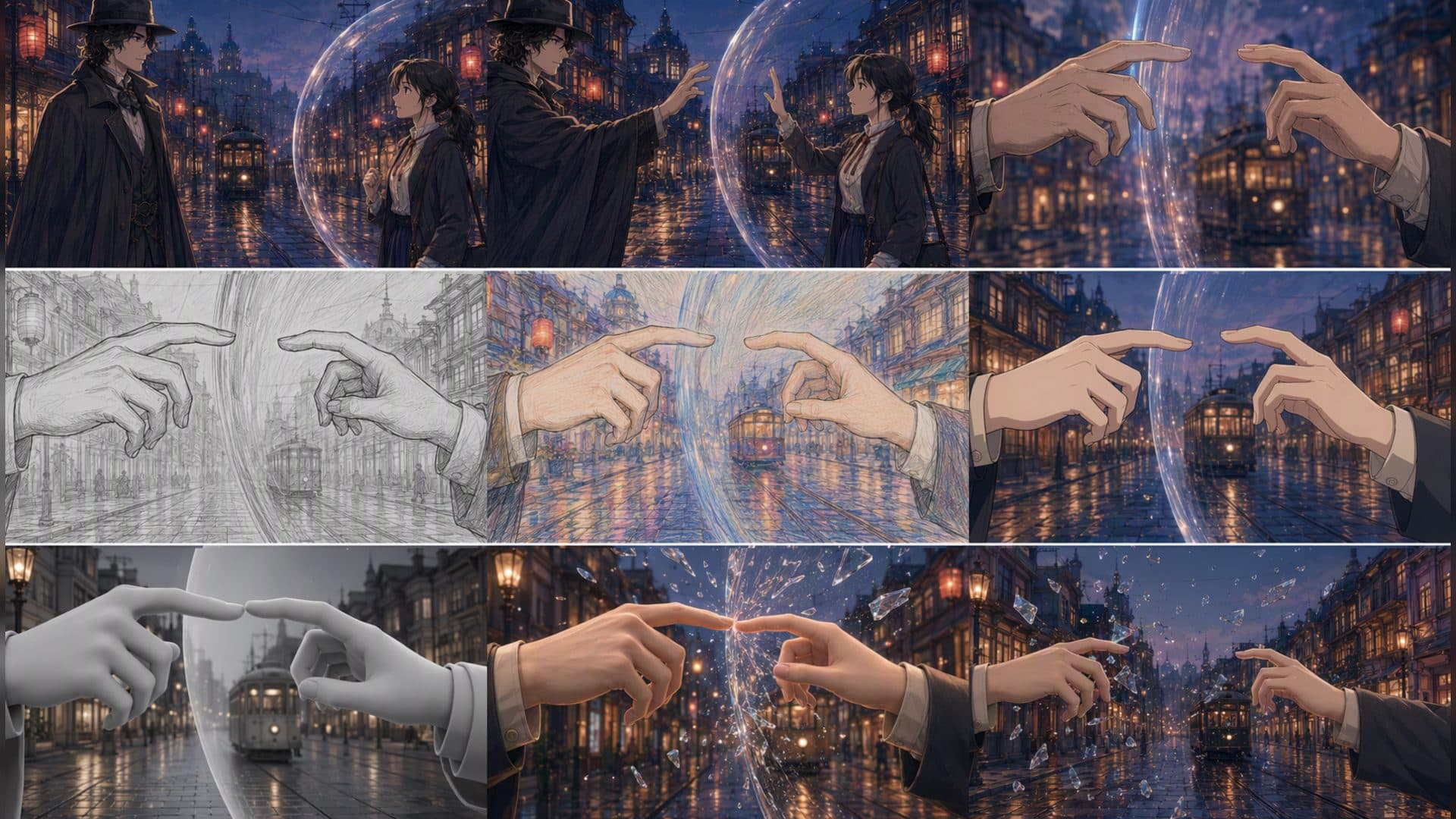
Color can be beautiful, but it can also hide a weak composition. A black-and-white storyboard forces you to judge shape, contrast, direction, and focus before palette becomes a distraction. That makes it a practical starting point for AI art.
Read value before color
Squint at a panel and ask whether the subject separates from the background. Check whether the brightest area supports the story. A graphite wash can indicate light without committing to a final color script.
Use line weight as emphasis
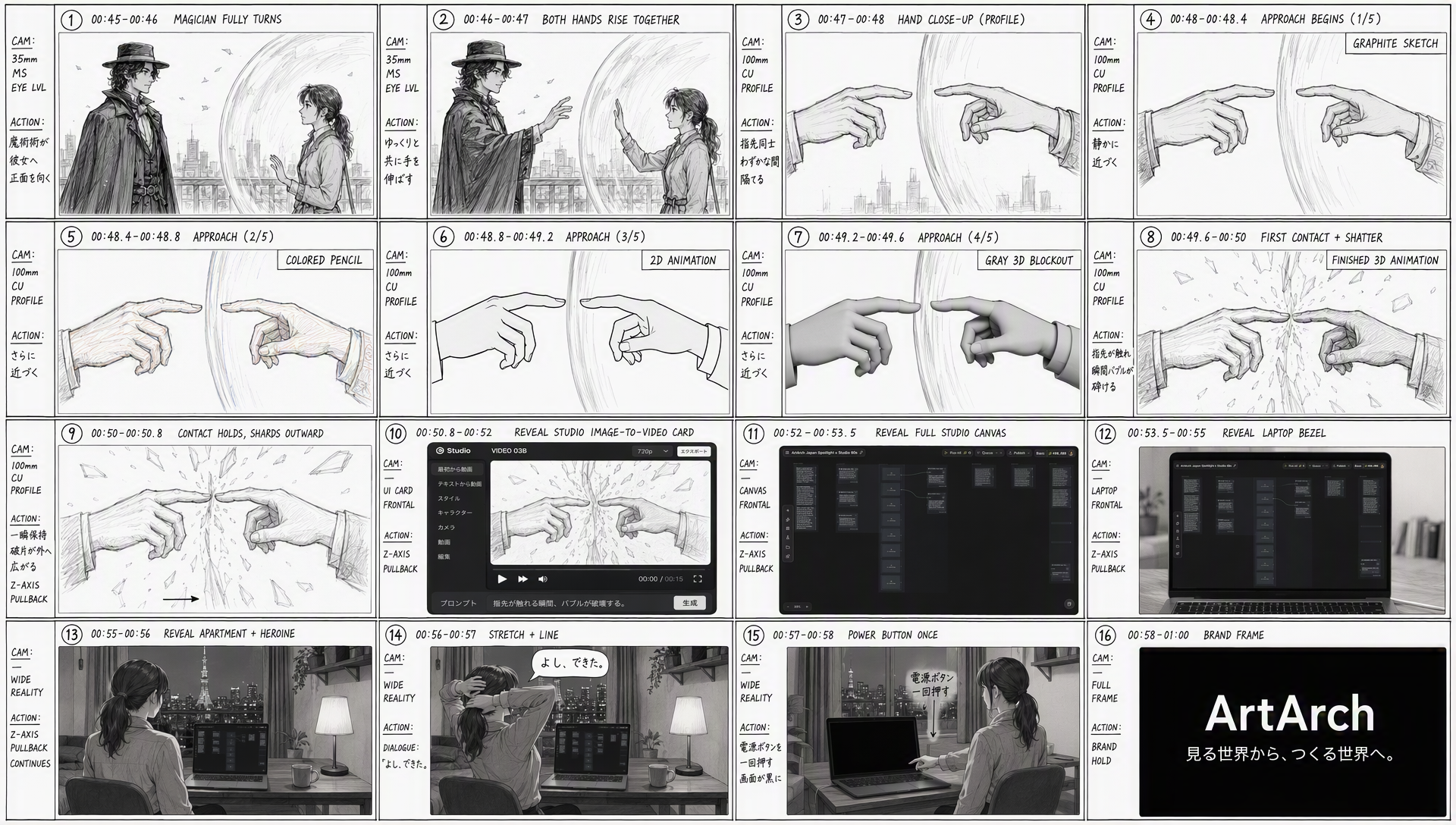
Thicker lines can separate a foreground silhouette from a distant wall. Lighter construction marks can show a possible prop or gesture. Keep the visual hierarchy legible so an agent can understand what is essential.
Add color later with intent
After the board works, create a color script that maps warm and cool areas, not every tiny hue. A Taisho street may need a cool blue hour and warm lamps; a laptop scene may need a colder screen light. State the emotional purpose of the palette.
This approach also helps with accessibility and review. A viewer should still understand who is in the foreground and where the action happens when the image is reduced to a small thumbnail. If the silhouette disappears in grayscale, fix the value structure before adding more color.
Frequently asked questions
Is a grayscale board too plain?
No. It keeps attention on structure and movement.
When should I add color?
Add it after the panel order, silhouettes, and camera direction are understandable.
Can GPT Image 2 make a monochrome board?
Yes, when the prompt clearly requests rough linework, limited wash, and planning marks.
Use creative-agent to test a black-and-white board before investing in a full color look.
Keep exploring
More in Creative Agent
Designing a Three-Scene AI Character State Machine
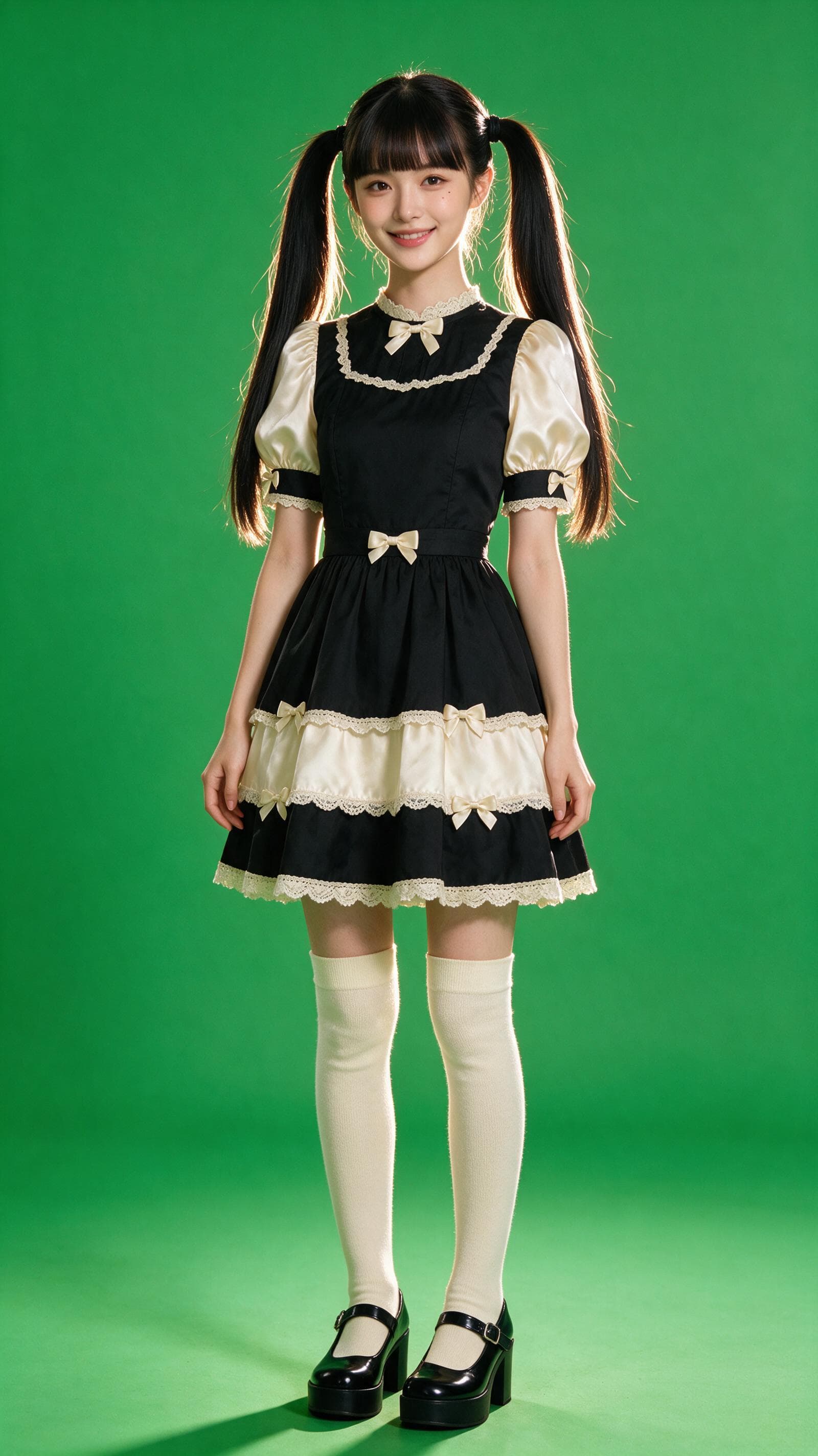
three-scene AI character state machine case study with saved ArtArch Studio media, prompt decisions, visible results, and practical production notes.

Extracting First and Last Frames to Plan AI Video Transitions
AI video transitions case study with saved ArtArch Studio media, prompt decisions, visible results, and practical production notes.
Fan-Dance-to-Idle AI Transition With a Clean Endpoint
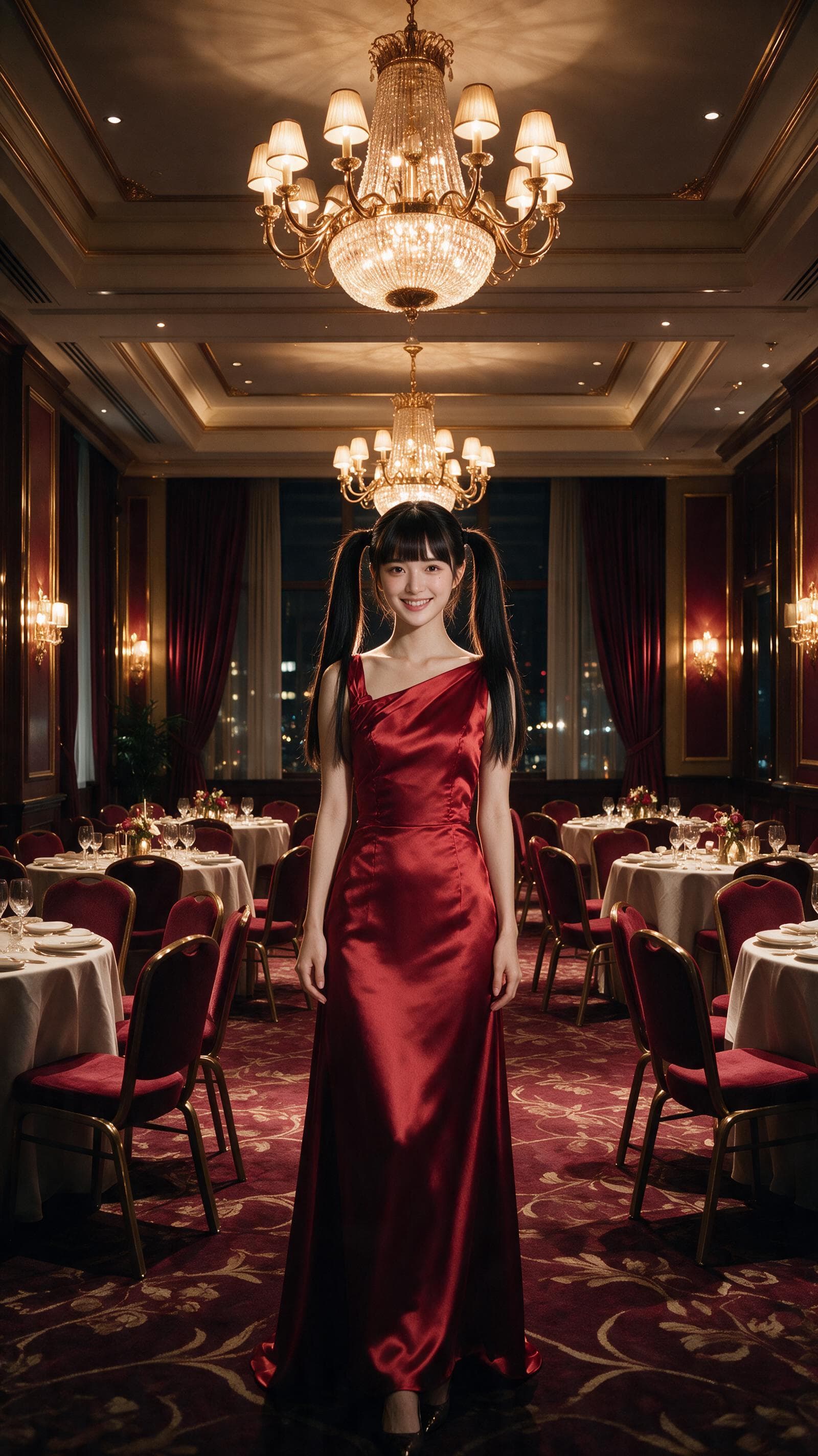
fan-dance-to-idle AI transition case study with saved ArtArch Studio media, prompt decisions, visible results, and practical production notes.
An Idle-to-Fan-Dance AI Transition With the Prop as the Cue
idle-to-fan-dance AI transition case study with saved ArtArch Studio media, prompt decisions, visible results, and practical production notes.