

ArtArch Newsroom
Creative AgentA Beginner's Codex Workflow for a First AI Video
Learn a beginner-friendly Codex workflow for planning, testing, and reviewing your first AI video in ArtArch.
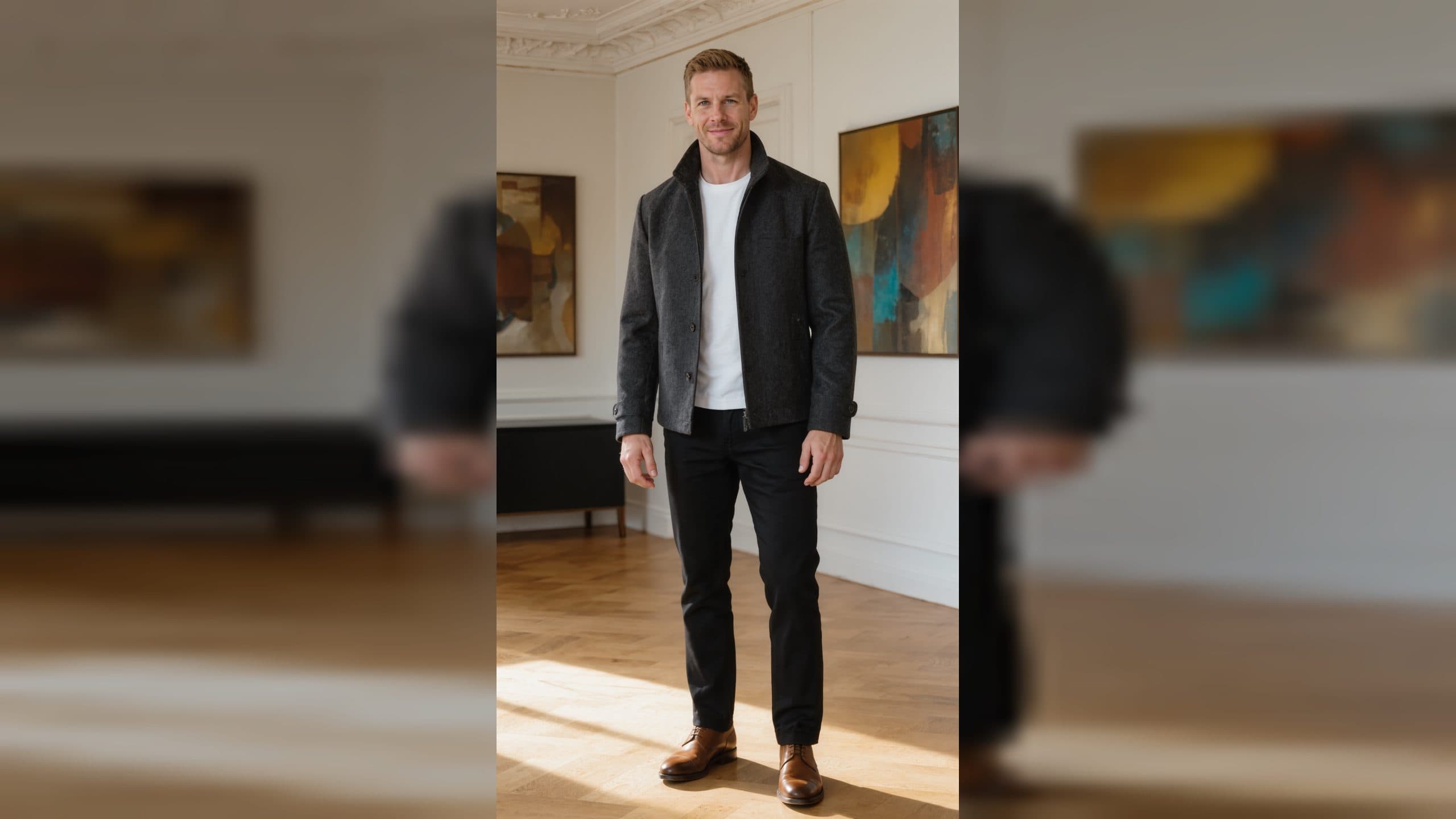
Your first AI video does not need a complicated story. A single subject, one setting, and one motivated camera move are enough to learn the workflow. With Codex and an ArtArch agent, you can plan that small experiment, inspect its references, and understand what changed between versions.
Write a one-shot brief
Use this pattern: "Show [subject] in [place], then [one action], with [camera feeling], ending on [clear final frame]." For example, a paper boat crosses a kitchen sink while morning light moves across the water, ending in a close view of the boat at the drain. This brief gives the agent a beginning, action, and ending.
Tell Codex what the input is. It may be a photo, a generated still, or a short reference clip. If the face, product shape, or location must remain stable, say so explicitly. Also name what may change, such as light, weather, or background movement.
Build a small canvas
Ask the agent to create or inspect a canvas with an image preparation step and a video step. GPT Image 2 can help you explore the keyframe before motion. A Seedance 2.5 or Minimax H3 pass can then test the action, depending on the live model options and the desired movement.
Keep the first canvas readable. Use a descriptive node name, one reference edge, and a fixed aspect ratio. Ask for a readback of the selected model, duration, and input order. This is more useful than guessing from a label in the interface.
Understand the review loop
After a run, watch the status until it reaches a terminal state. Open the downloaded artifact and check three things: does the subject remain recognizable, does the action happen once, and does the final frame match the brief? Write one observation for the next pass. "The hand drifts during the reach" is more actionable than "it looks strange."
If the motion fails, change one variable. You might simplify the action, shorten the camera move, or use a cleaner keyframe. A second run should answer a question raised by the first, not introduce a new pile of settings.
A practical learning sequence
First create a still. Then animate a slow push-in. Next add one object interaction. Finally try a short transition. This order teaches you where a problem begins and keeps the comparison fair.
Frequently asked questions
Can the agent write the prompt for me?
Yes. Give it the subject, action, camera, ending, and preservation rules, then ask it to show the proposed prompt.
Is a storyboard required?
No, but a simple keyframe or storyboard makes timing and composition easier to discuss.
Why inspect duration before running?
Duration changes how much action must fit on screen. Reading it back prevents a rushed or incomplete beat.
What should I change after a weak result?
Choose one visible problem and revise only the prompt detail that controls it.
Open creative-agent when you are ready to turn one simple sentence into a reviewed first video.
Keep exploring
More in Creative Agent

Designing a Three-Scene AI Character State Machine
three-scene AI character state machine case study with saved ArtArch Studio media, prompt decisions, visible results, and practical production notes.

Extracting First and Last Frames to Plan AI Video Transitions
AI video transitions case study with saved ArtArch Studio media, prompt decisions, visible results, and practical production notes.
Fan-Dance-to-Idle AI Transition With a Clean Endpoint
fan-dance-to-idle AI transition case study with saved ArtArch Studio media, prompt decisions, visible results, and practical production notes.
An Idle-to-Fan-Dance AI Transition With the Prop as the Cue
idle-to-fan-dance AI transition case study with saved ArtArch Studio media, prompt decisions, visible results, and practical production notes.