

ArtArch Newsroom
Creative AgentA Beginner's Agent Workflow for Iterating Seedance 2.5 Videos
Use an agent to organize Seedance 2.5 video versions, preserve strong choices, and make one visible revision at a time.

An agent can make Seedance 2.5 experiments easier to manage when you create more than one version. The agent is a planning and note-taking partner. It can keep the scene brief, compare your observations, and prepare a focused next direction. You remain the person who chooses the image, watches the result, and decides which change matters.
Give the agent a small creative brief
Begin with the scene's purpose and keep effect choices for later. Say who is making the video, what moment they want to share, and what the viewer should remember. A ceramic artist might want a clip that reveals the glaze on a finished bowl. A traveler might want a quiet view from a train window. A community group might want an inviting opening shot for an event.
Ask the agent to turn that purpose into a compact plan with a subject, action, setting, camera view, duration idea, and final frame. The plan gives you a checklist for entering Seedance 2.5. It also makes it easier to see which decisions are still open.
Keep each version traceable
Name versions by the change you made, such as "slow push," "stronger hand action," or "wider opening." After watching, tell the agent what you saw in plain language. Notes like "the bowl is clear," "the camera reaches the glaze too soon," and "the warm light works" are more useful than a general rating.
The agent can organize those observations into a next-version brief. Ask it to preserve the two strongest features and change one weak point. This keeps iteration steady instead of sending every detail in a new direction.
Use a decision gate before creating again
Before a new Seedance 2.5 run, answer three questions: what did the viewer notice, what should stay, and what single change should happen next? Watch the clip again whenever those answers feel unclear. A pause here saves time and keeps the project close to its original purpose.
Write the next direction for the viewer
Translate the agent's notes into a visible sentence. Instead of "increase emotional impact," write "the traveler pauses at the window as sunlight reaches the map, camera holds closer on the hand." Instead of "make the product premium," write "a narrow reflection moves across the bottle label while the camera settles at a close angle." Concrete language gives the next clip a visible target.
Build a small library of reusable scenes
After several versions, keep the briefs that worked for your own projects. A portrait reveal, a tabletop product close-up, and a three-clip place-action-detail sequence can become familiar starting patterns. The agent can help label them by scene purpose and reference image, while you adapt each one to new material.
This approach makes creative work more approachable for beginners because you do not start from an empty page every time. You begin with a known decision structure and replace it with your own subject and moment.
Use the workflow with other tools thoughtfully
Keep exploring
More in Creative Agent

Designing a Three-Scene AI Character State Machine
three-scene AI character state machine case study with saved ArtArch Studio media, prompt decisions, visible results, and practical production notes.

Extracting First and Last Frames to Plan AI Video Transitions
AI video transitions case study with saved ArtArch Studio media, prompt decisions, visible results, and practical production notes.
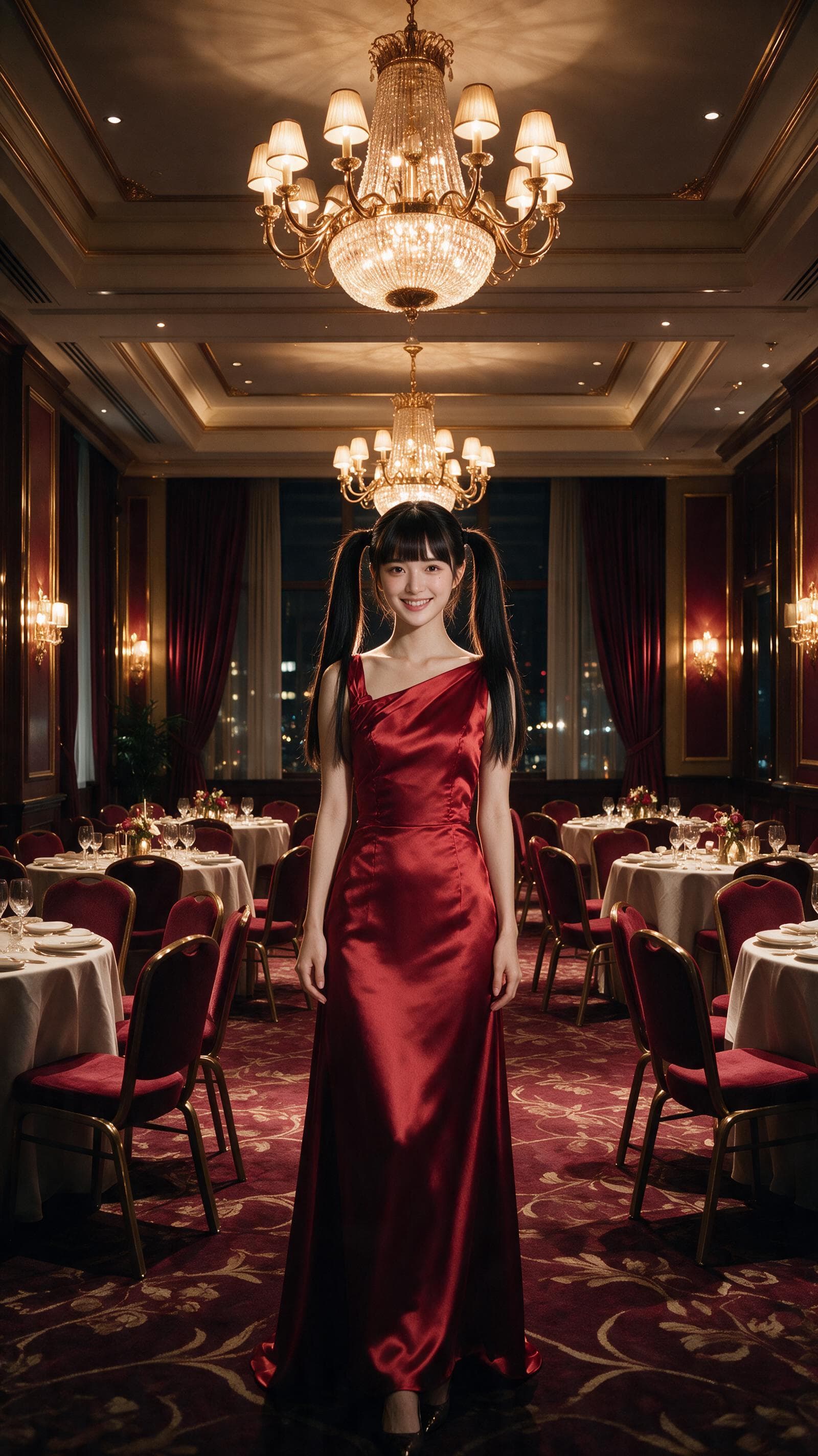
Fan-Dance-to-Idle AI Transition With a Clean Endpoint
fan-dance-to-idle AI transition case study with saved ArtArch Studio media, prompt decisions, visible results, and practical production notes.
An Idle-to-Fan-Dance AI Transition With the Prop as the Cue
idle-to-fan-dance AI transition case study with saved ArtArch Studio media, prompt decisions, visible results, and practical production notes.