

ArtArch Newsroom
Creative AgentAI Character Endpoint Consistency Between Two Different Forms
AI character endpoint consistency case study with saved ArtArch Studio media, prompt decisions, visible results, and practical production notes.
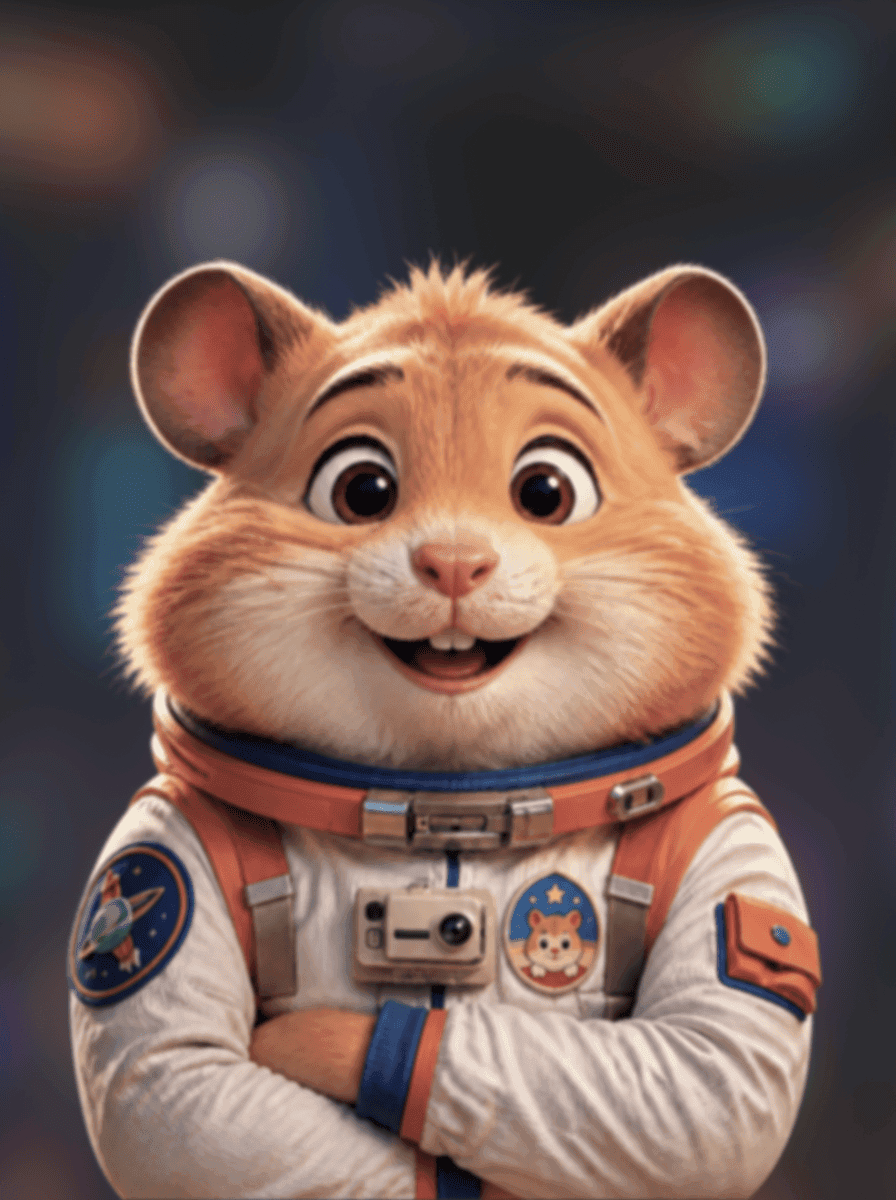
This AI character endpoint consistency example uses a realistic young man and a stylized hamster astronaut as its production input. Its target was one short clip that connects both supplied identities, and the saved canvas shows which parts of that target held up in the rendered frame or clip.
Canvas video: one short clip that connects both supplied identities.
A useful way to read this test
The source request focused on a realistic young man and a stylized hamster astronaut. The agent converted it into one visible goal: Preserve the centered portrait camera while allowing the subject, clothing, and setting to change.
What changed on screen
A shared front-facing composition gives the transformation a stable axis. The biggest differences happen inside the silhouette, while the face remains near the same screen position.
The visible target was one short clip that connects both supplied identities. For a related run, keep this production decision: When identities differ radically, match camera position and subject scale before asking the model to solve the transformation.
Try the same decision path
- Start with a realistic young man and a stylized hamster astronaut.
- Write the visible constraint that matters most: When identities differ radically, match camera position and subject scale before asking the model to solve the transformation.
- Generate one reviewable result, inspect still frames as well as playback, and keep the saved canvas media as the production record.
The approach transfers to before-and-after reveals, avatar switching, game character changes, or branded mascot moments.
Open the source ArtArch Studio canvas to inspect the saved creative context.
Frequently asked questions
What should I prepare first?
Prepare a realistic young man and a stylized hamster astronaut. Use the clearest original files available and decide which one owns identity, product detail, or endpoint composition.
What should I inspect in the result?
Check the result against this visible target: one short clip that connects both supplied identities. Review framing, subject identity, props, text, and the first and last frames when video is involved.
Can I reuse the same setup?
Yes. Keep the canvas media and the decision that controlled it: When identities differ radically, match camera position and subject scale before asking the model to solve the transformation.
Keep exploring
More in Creative Agent
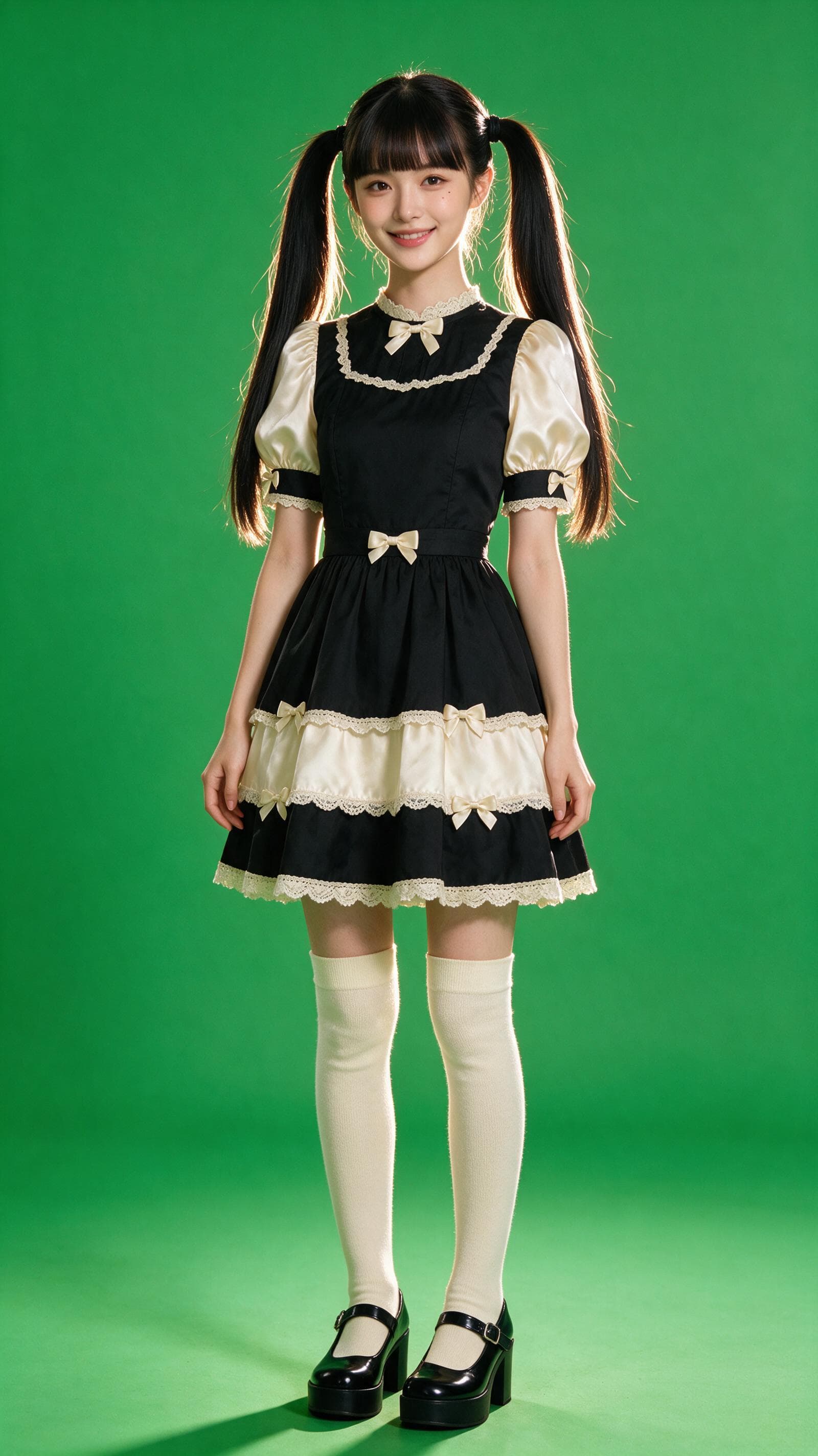
Designing a Three-Scene AI Character State Machine
three-scene AI character state machine case study with saved ArtArch Studio media, prompt decisions, visible results, and practical production notes.

Extracting First and Last Frames to Plan AI Video Transitions
AI video transitions case study with saved ArtArch Studio media, prompt decisions, visible results, and practical production notes.
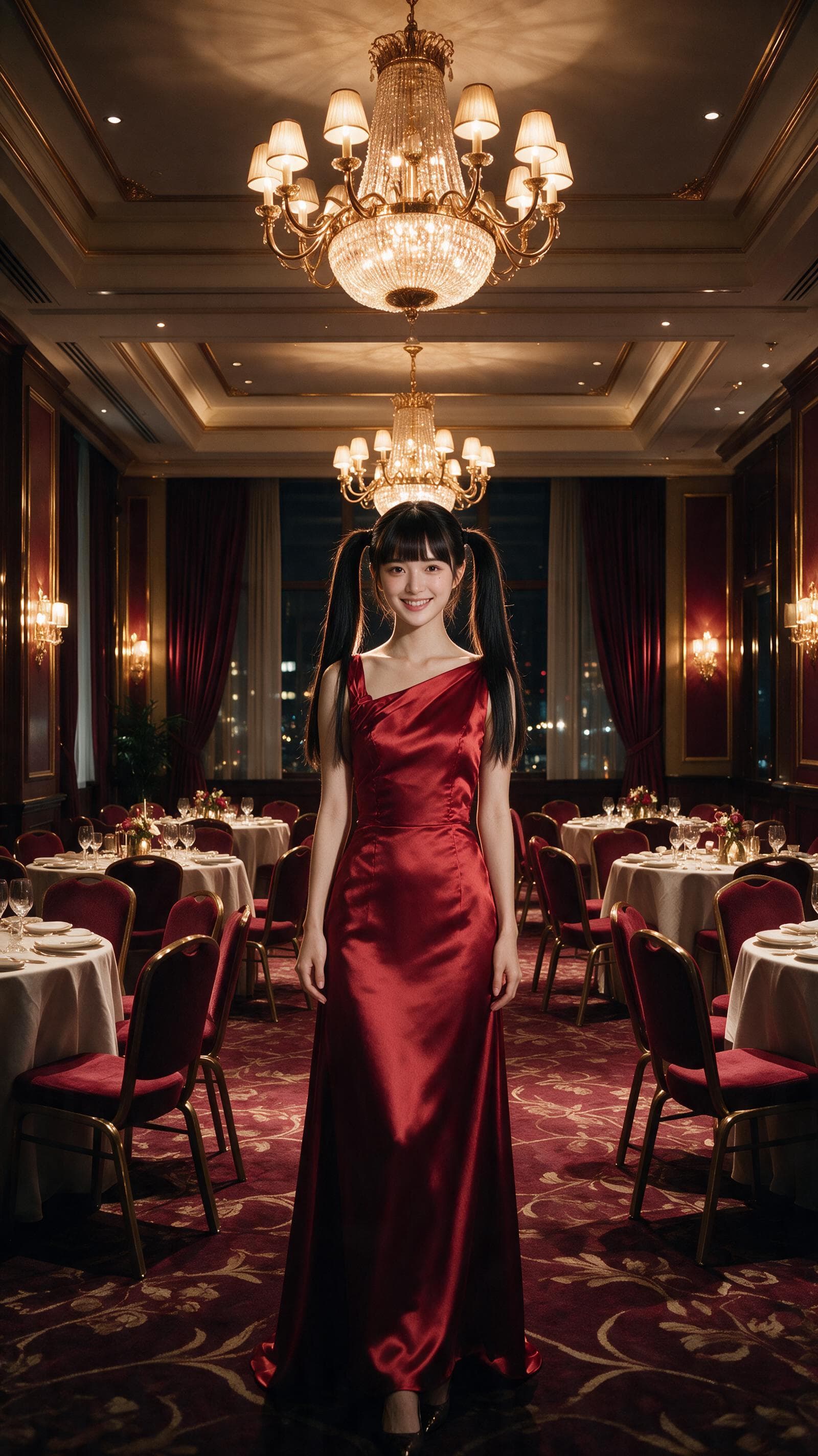
Fan-Dance-to-Idle AI Transition With a Clean Endpoint
fan-dance-to-idle AI transition case study with saved ArtArch Studio media, prompt decisions, visible results, and practical production notes.
An Idle-to-Fan-Dance AI Transition With the Prop as the Cue
idle-to-fan-dance AI transition case study with saved ArtArch Studio media, prompt decisions, visible results, and practical production notes.